What to Do When Dragon Bone Plant Leaves Turn Yellow? Overwatering, Overfertilizing, or a Light Problem
Dragon bone plant, also known as moon cactus or dragon fruit cactus, is a plant with a robust, handsome form, good ornamental value, and the ability to produce dragon fruit. In everyday life, many people grow dragon bone plants, but as they care for them, quite a few run into the symptoms of yellowing leaves. On this, the editor has summarized 6 causes of yellowing leaves on dragon bone plants; let's take a look together.
I. When Dragon Bone Plant Leaves Turn Yellow, Find the Cause
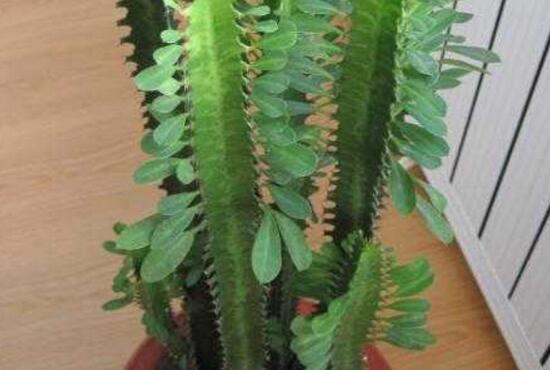
Dragon bone plants are not often seen indoors; they only became widely known in recent years, so there are many beginners growing them. This situation has also led to many flower lovers not knowing how to grow dragon bone plants, and as a result, yellow leaves appear as they care for them. So what is causing the yellowing leaves on dragon bone plants? On this, flower lovers shouldn't panic, but need to calmly find the cause and then address it specifically. As for exactly what to do, let's continue reading below.
II. Causes of Yellowing Leaves on Dragon Bone Plants and Solutions
1. Sudden Environmental Change
As for the causes of yellowing leaves on dragon bone plants, there are actually many, but environmental factors are the first thing everyone should consider. The reason is that nowadays everyone's dragon bone plants are bought online, which easily results in a large geographical span, and the dragon bone plant cannot adapt for a while, thus showing symptoms of yellow leaves.
Solution: Communicate with the seller in time to learn the growing environment of the dragon bone plant before it was bought, then replicate that same environment at home. After that, change it slowly until it fully adapts to the current environment; after some time, the plant will recover its health.
2. Improper Light
Light is an indispensable part of the dragon bone plant's growth process, but it is also a major factor causing yellow leaves. Improper light falls into two situations: first, light that is too strong, and second, insufficient light.
① Light too strong: Dragon bone plants dislike strong light; once the light is too strong, it easily damages the leaves, causing yellow leaves. Solution: Move the pot to a ventilated spot with bright, indirect light and water it with an appropriate amount of water; it will recover after some time.
② Insufficient light: Dragon bone plants prefer an environment without strong light, but they cannot do without light for growth. Once light is insufficient, the leaves lack photosynthesis, and over time, symptoms of yellow leaves also appear. Solution: Move the pot to a place with light; if the light is fairly strong, appropriate shading is also needed.
3. Overwatering
Watering is key to growing dragon bone plants, but once you overwater, it easily causes the leaves of dragon bone plants to turn yellow. Because if you water too much, it causes water to accumulate in the pot, affecting the roots' nutrient absorption and leading to root rot, which then causes yellow leaves.
Solution: Stop watering immediately and move it to a ventilated spot with bright, indirect light so the water evaporates quickly; in severe cases, pull out the dragon bone plant, replace it with fresh potting soil, and replant it.
4. Overfertilizing
Having covered watering, let's talk about fertilizing. In everyday care, although dragon bone plants need little fertilizer, a moderate amount of fertilizer can make them grow better; but once you overfertilize, or fertilize too frequently, it may cause the leaves of dragon bone plants to turn yellow.
Solution: Water the dragon bone plant right away to dilute the fertilizer and let the excess fertilizer drain out of the pot; in severe cases, same as above, only replacing the potting soil can save it.
5. Pests and Diseases
Besides the points above, everyone should also consider the effects of pests and diseases. So once it is afflicted by pests and diseases, the leaves of the dragon bone plant will also show symptoms of yellowing. At this point, everyone just needs to find the cause and follow the pest and disease control methods for dragon bone plants.
6. Normal Circumstances
If the cause of the yellowing leaves on the dragon bone plant can rule out the above points, then everyone should consider whether this is a normal physiological process. It is understood that dragon bone plants accompany leaf yellowing when they shed leaves, which is a completely normal phenomenon; at this point everyone needn't be nervous, just remove the yellowed leaves.
Overall, dragon bone plants are not hard to grow, but because many flower lovers are beginners, symptoms of yellow leaves inevitably appear. However, after reading the whole article, I believe everyone has a clearer idea now; when the yellow leaf problem appears, just follow the methods above. On yellowing leaves of dragon bone plants, the editor will stop here, hoping to bring everyone some help.
What to Do When Dragon Bone Plant Leaves Turn Yellow: Human Causes Leading to Yellow Leaves
Dragon bone plant is a common household flower; growing it indoors helps purify the air. In addition, the dragon bone column is known as the "universal rootstock", so what should be done when dragon bone plant leaves turn yellow?
I. What to Do When Dragon Bone Plant Leaves Turn Yellow?
1. Leaf-shedding period causing dragon bone plant leaves to turn yellow: If it is during the leaf-shedding period, then the leaves turning yellow is a natural thing.
Solution: Just clean up the yellow leaves.
2. Overwatering causing dragon bone plant leaves to turn yellow (water yellowing): Too much watering leads to root rot and the leaves turning yellow.
Solution: Stop watering. During the dragon bone plant's winter dormancy, it can survive even if watered only once in 1-2 months. In spring, water once every 10 days or half a month, along with daily misting. In summer, water once a day in the morning or evening.
3. Long-term lack of water causing dragon bone plant leaves to turn yellow (drought yellowing): Under strong light, the leaves easily show yellowing.
Solution: In summer, take shading measures; in winter, place it in a spot with light to receive a certain amount of sunlight. Indoor plants are best placed on a balcony, windowsill, or other spot where light can be seen.
4. Overfertilizing the dragon bone plant causing leaves to turn yellow (fertilizer yellowing): Fertilizer that is too strong easily causes fertilizer burn and leads to root rot
Solution: During the dragon bone plant's growing period, apply a light fertilizer once every 15-20 days, such as granular compound light fertilizer or homemade alum fertilizer water, which can promote plant growth.
5. Pests and diseases causing dragon bone plant leaves to turn yellow: When sick, it looks about to wither and die.
Solution: You can use carbendazim and pour it on the plant's roots.
II. Dragon Bone Plant Care Tips
1. Growing soil: Dragon bone plants like loose, fertile soil rich in humus. For potting soil, you can use a mix of 1 part leaf mold and 1 part coarse sand with a small amount of decomposed chicken manure or cow manure added.
2. Light and temperature: In summer, keep it in a semi-shaded environment. In winter, it requires ample light; place it in a sunny spot indoors, and the temperature should be kept above 10°C; when the temperature is below 10°C, frost damage easily occurs.
3. Watering and fertilizing: In spring, do not water too much; watering once every 10-15 days is enough, but you should mist the plant daily to increase air humidity. In summer, water once a day, preferably in the morning or evening. In winter, the potting soil should be kept moderately dry; you can wrap the pot with plastic film to protect it through the winter. The overwintering growing environment should maintain both a relatively high temperature and relatively high air humidity.
Note: To prevent the dragon bone plant from aging prematurely and to maintain the vitality of its base, you should also pay attention to regular pruning. Cut off some old branches that don't bloom much, and also remove the weak buds growing below, so that the terminal buds fully develop and extend, producing more flowers.
What to Do When Dragon Bone Plant Leaves Turn Yellow?
Normal Factors
Dragon bone plants can have yellowing leaves due to various factors. First, let's talk about how dragon bone plants show leaf yellowing when they shed leaves; usually during the dragon bone plant's leaf-shedding period, the leaves turning yellow at this time is a fairly normal phenomenon, and we just need to remove the yellowed leaves.
Overwatering
The second phenomenon may be caused by us watering the dragon bone plant too much. If watered too much, it causes water to accumulate at the roots of the dragon bone plant, affecting the roots' nutrient absorption and leading to root rot, which then causes the yellow leaf phenomenon. Once this happens, you need to stop watering immediately. When the dragon bone plant enters dormancy in winter, it is not suited to too much water; watering once every one or two months is also fine. In spring, a thorough watering once every half a month is enough. In summer, evaporation is relatively high, and watering once a day in the morning and evening is needed, which will prevent the yellow leaf phenomenon from appearing.
Unreasonable Light
The third cause may be a light problem. The intensity of light affects the leaf color of the dragon bone plant. In summer, the sunlight is relatively strong, and we usually need to take shading measures to avoid damage to the leaves from strong light exposure. In winter, the sunlight is relatively weak, so at this time proper light exposure is needed to promote better leaf growth of the dragon bone plant; generally, placing it by the window or under the balcony to grow is enough.
Excessive Fertilizing
The fourth cause may be too much fertilizing during the care of the dragon bone plant. The dragon bone plant's fertilizer needs can be met with a small amount; generally, once a month during its vigorous growing period is enough for it to grow healthily and robustly.
Pests and Diseases
The last cause is that the leaves of the dragon bone plant may have been attacked by pests and diseases, producing this phenomenon. We can use an antibacterial agent to irrigate, which can effectively prevent and control the intrusion of pests and diseases.