What to Do When Pothos and Spider Plant Leaves Turn Yellow? Learn to Adjust Light, Temperature and Water Moderately
Pothos and spider plant are surely familiar to everyone. They are very beautiful foliage plants that absorb formaldehyde and purify the air. In daily life, many people grow pothos and spider plants, but as they grow them, quite a few people run into the symptom of yellowing leaves. So what should you do when pothos and spider plant leaves turn yellow? For this, the editor has summarized 6 causes. Let's take a look together.
I. When Pothos and Spider Plant Leaves Turn Yellow, Find the Cause
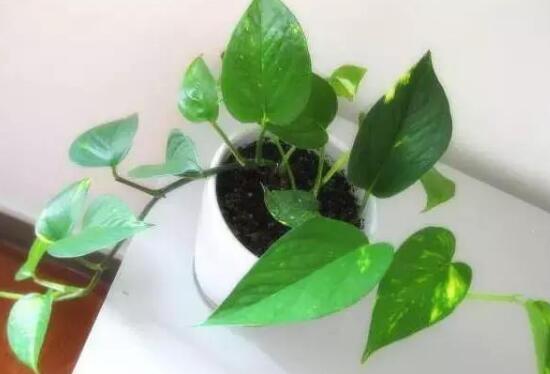
When beginners grow pothos and spider plants, they usually do not follow the proper cultivation methods to care for them, and the result is mistakes here and there that cause yellowing leaves. As for what to do when pothos and spider plant leaves turn yellow, it is not hard to say: just find the problem, then solve it accordingly. For this, the editor will bring you 6 causes of yellowing leaves in pothos and spider plants, along with solutions. Let's read on.
II. Causes and Solutions for Yellowing Leaves in Pothos and Spider Plant
1. Sudden Environmental Change
As for the causes of yellowing leaves in pothos and spider plants, there are actually many, but the environmental factor is the first thing everyone should consider. Because nowadays buying plants online is popular, this easily creates a large regional span, and the pothos and spider plant cannot adapt for a while, thus showing symptoms of yellow leaves.
Solution: At this point, you only need to communicate with the seller to learn about the growing environment of the pothos and spider plant before purchase, and then recreate the same environment at home. After that, change it slowly until it fully adapts to the current environment. After a period of time, the plant will recover its health.
2. Insufficient Light
Pothos and spider plant prefer shade and dislike direct strong light. This characteristic makes many beginners misunderstand, thinking that pothos and spider plants can do without light. But this is wrong, because an overly shady environment is unfavorable to the growth of pothos and spider plants and easily causes the leaves to receive insufficient light, turn yellow and wilt.
Solution: When growing them indoors, it is best to place them by a window, but avoid direct sunlight. Let them receive four hours of scattered light each day. After caring for them this way for a period, the pothos and spider plant leaves will turn green again.
3. Temperature Too Low
Pothos and spider plants like a warm environment, so warmth must be maintained in winter, because once the room temperature drops below 10°C, symptoms of yellowing leaves in pothos and spider plants will appear, and in severe cases they may die from cold damage.
Solution: In this situation, first cut off the leaves that have already suffered severe cold damage, then move the plant to a warmer spot for care. Winter sunlight is not strong, so full-sun care is fine.
4. Improper Watering
As for the causes of yellowing leaves in pothos and spider plants, there is one more thing that must not be ignored, and that is watering. Improper watering falls into two situations: one is overwatering, and the other is underwatering. The specific symptoms and solutions are as follows:
① Overwatering: Although pothos and spider plants like a moist environment, they cannot be watered too much, especially in winter. Too much water easily makes the soil sticky and heavy, affecting the plant's normal respiration, thus causing yellowing leaves in pothos and spider plants. Solution: Move the plant to a ventilated spot with scattered light so the water evaporates quickly. In addition, in winter, strictly control the amount of water given to pothos; basically watering once every half month is enough, and do not water if the soil is not dry.
② Underwatering: The potting soil in which pothos and spider plants grow must stay moist. Once they go without water for a long time, or are watered too little, the leaves can easily become dehydrated, turn yellow and die. Solution: Increase the amount of water appropriately. If it is winter, keep the pothos and spider plant in a place with heating or other warming equipment and follow normal daily care.
5. Poor Ventilation
If the above points can be ruled out, then the cause of yellowing leaves in pothos and spider plants may be that the environment is too enclosed. Pothos and spider plants are suited to growing in a ventilated place. Once a room is not ventilated for a long time, their leaves easily turn yellow, and winter is no exception.
Solution: In winter, do not keep pothos shut in a room with doors and windows tightly closed for a long time. When the winter weather is good, you can open the windows and doors to promote indoor air circulation. In addition, do not forget to take warming measures.
Overall, pothos and spider plants are beautiful and easy to grow, but because many flower lovers are beginners, symptoms of yellowing leaves inevitably appear. However, after reading the whole article, I believe everyone has a clearer idea. When yellowing leaves appear, just follow the methods above. That is all the editor has to introduce about yellowing leaves in pothos and spider plants, and I hope it can help everyone.
What Should You Do When Pothos Leaves Turn Yellow?
What should you do when pothos leaves turn yellow? The causes of yellowing pothos leaves: there are many reasons why pothos and spider plant leaves turn yellow, including improper watering, unsuitable light, dry air, and red spider mite damage.
Because pothos likes water but fears prolonged waterlogging, it is best to water only when the surface soil is dry, and then water thoroughly. When the ambient temperature is below 16°C, the potting soil absolutely must not be kept moist.
Excellent light is key to caring well for pothos. It needs scattered light. Do not leave it in a shady place for a long time or suddenly put it in the sun to receive direct sunlight.
Pothos needs relatively high air humidity. Air that is too dry is unsuitable for the growth of pothos. You should often spray the plant to increase humidity, and you can also rinse dust off the leaf surface.
When the air is dry, it is easily infected by red spider mites, and specially targeted acaricides must be sprayed for control, such as dicofol and hexythiazox, which have excellent results.
Many pothos growing enthusiasts discover during cultivation that pothos leaves turn yellow. So what should be done when pothos leaves turn yellow?
When pothos leaves turn yellow, for hydroponic pothos the biggest cause is bacteria in the water. If grown in soil, it may be due to root rot. Hydroponic pothos has a somewhat higher chance of yellowing than soil-grown pothos. The factors behind yellowing pothos leaves mainly include three aspects: improper watering, uneven light, and inaccurate fertilizing.
1. Causes of Yellowing Pothos Leaves:
1. Improper watering: Both overwatering and not watering cause pothos leaves to turn yellow. If the leaves are dull and lack luster, it may be overwatering; if the leaf tips or edges are dry and parched, it is underwatering.
2. Sunlight exposure: Pothos likes to grow in shady places. Exposure to strong sun or strong light can make the leaf tips and leaf edges of the plant dry up, and yellow spots will appear on the leaves. Conversely, being placed in a dim environment for a long time prevents the leaves from carrying out photosynthesis, which also causes leaves to turn yellow. It is best to place it under appropriate light, such as incandescent lamplight.
3. Fertilizer yellowing: Too much fertilizer, too high a concentration, or a lack of fertilizer can all cause pothos leaves to turn yellow. When too much fertilizer is applied, the pothos leaf surface is thick and lacks luster, and the leaves look ungraceful and not spread out; old leaves turn yellow and drop. This can be reduced by flushing with water. When fertilizer is lacking, the leaf color becomes lighter, appearing pale green or yellow, and fertilizer should be added in time; in severe cases, the potting soil should be replaced.
How to Grow Pothos and Spider Plant: Cultivation Methods and Precautions for Pothos and Spider Plant / They Like Acidic Soil
Pothos and spider plant, that is, the pothos everyone often hears about, is a very beautiful and practical plant. It can not only beautify our home environment, but also effectively absorb harmful gases such as formaldehyde from the air. Such a plant naturally makes many people want to grow it. So how do you grow pothos and spider plant? Below are the editor's selected cultivation methods and precautions for pothos and spider plant. Let's take a look together.
I. How to Grow Pothos and Spider Plant: Understand Their Habits
Pothos and spider plant are shade-loving plants, so they are very suitable for indoor cultivation. And because they like warm, humid environments, they need frequent watering during cultivation, and warmth must be maintained in winter. To prevent water from accumulating in the pot, choose a culture soil with good drainage. So as for how to grow pothos and spider plant, you only need to satisfy their growth habits.
II. Cultivation Methods and Precautions for Pothos and Spider Plant
1. Soil
How to grow potted pothos and spider plant? First, of course, is choosing soil. According to the habit of pothos and spider plant liking a humid environment, you should choose a fertile, loose, well-drained, slightly acidic leaf mold soil.
2. Light
In the cultivation methods and precautions for pothos and spider plant, light is naturally indispensable, but it is also a part that needs attention. Because pothos and spider plant like shade, they cannot receive light for long periods, and the light cannot be too strong, otherwise the leaf edges will be scorched.
Precautions: Pothos and spider plant cannot remain in a completely shady environment for a long time, because too much shade will make the beautiful markings on the leaf surface disappear. When growing them indoors, it is best to place them by a window, but avoid direct sunlight. Usually, receiving four hours of scattered light gives the best growth and development for pothos.
3. Temperature
Plant growth is closely related to ambient temperature. Pothos and spider plant like a warm environment, with a suitable growth temperature of 21-27°C during the day and 14-18°C at night. If you want them to grow well, it is best to pay attention to temperature regulation.
Precautions: Pothos and spider plant are not cold-tolerant and can only overwinter safely above 10°C. So in winter, you should take warming measures, minimize opening windows, and avoid freezing the pothos leaves. In addition, to avoid too large a temperature difference, keep it away from air conditioners.
4. Watering
How to grow pothos and spider plant? Watering is naturally essential. Pothos and spider plant like a humid environment, so watering should be frequent, but not too much; keeping the potting soil moist is enough. When you notice the potting soil turning pale, water thoroughly. In winter, when room temperature is lower, pothos is in a dormant state, so water less and just keep the potting soil from drying out.
Precautions: Do not water pothos and spider plant too much, otherwise it will cause water to accumulate in the potting soil, leading to root rot and yellowing leaves in pothos and spider plant.
5. Fertilizing
Having covered watering, let's look at fertilizing, which is also very important in the cultivation methods for pothos and spider plant. Before the beginning of winter, mainly water or spray with liquid inorganic fertilizer, about once every 15 days; after the beginning of winter, pothos mostly grows slowly, so fertilizing should be reduced, mainly by foliar spraying.
6. Pest and Disease Control
During the cultivation of pothos and spider plant, due to reasons such as improper care, the plant will inevitably suffer from pests and diseases, which affects its ornamental value. So when pests and diseases are found, treat them promptly. Besides often wiping the leaves, you should spray relevant pesticides. As for which pesticide to spray, there is a detailed introduction in the pest and disease control section for pothos and spider plant. Those interested can go take a look.