How do you grow a dragon bone flower? Master the cultivation methods and precautions, and avoid direct strong sunlight
Dragon bone flower, not many people may have heard of it, but everyone surely knows dragon fruit, and it is the fruit borne on the dragon bone flower. Nowadays, more and more people are starting to keep a pot of dragon bone flower at home, so how do you grow a dragon bone flower? For this, the editor has carefully compiled the cultivation methods and precautions for potted dragon bone flower, very detailed, friends who want to grow it must take a look~
1. How to grow a dragon bone flower: understand its habits
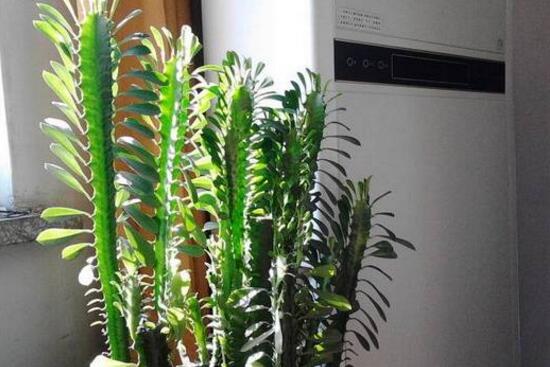
Dragon bone flower likes a warm and humid environment with not-too-strong light, and is not cold-tolerant, so when growing it indoors, besides watering it more, you should also take good cold-protection measures in winter. Therefore, for how to grow a dragon bone flower, you just need to follow its growth habits and create the most favorable conditions. For the specific requirements, let us continue reading below.
2. Cultivation methods and precautions for dragon bone flower
1. Soil
How do you grow a potted dragon bone flower? First, of course, is choosing the soil. According to the growth habits of the dragon bone flower, we should select for it a sandy loam rich in humus and with good water permeability, avoiding heavy, poor, water-logged soil types. For this, the editor recommends using: a mix of leaf mold and coarse sand, with a small amount of decomposed chicken manure or cow manure added, blended into a growing medium.
2. Light
In the cultivation methods for dragon bone flower, light is naturally indispensable. It is understood that dragon bone flower likes an environment with not-too-strong sunlight, so while ensuring sufficient light, do not let it bake in strong sun.
Precautions: The growth of the dragon bone flower cannot do without light. In winter it can be placed in a sunny spot indoors to get sunlight; in summer the light is strong, so the dragon bone flower should be kept in a semi-shaded environment and given appropriate shading.
3. Temperature
When growing a dragon bone flower indoors, temperature also needs everyone's attention. Because the dragon bone flower originates from tropical regions, it likes a warm environment, and its most suitable growth temperature is 25-35°C, so to let it grow well, you can keep this temperature constant.
Precautions: The dragon bone flower is not cold-tolerant. For it to overwinter safely, the room temperature should be kept above 13°C, and at least must not be lower than 10°C, otherwise cold damage easily occurs, causing the stem joints of the dragon bone flower to rot.
4. Watering
The dragon bone flower is drought-tolerant but not moisture-tolerant, so it does not demand much water. In spring and autumn, water thoroughly only after the soil has dried out, once every half month; in summer, when temperatures are high and water evaporates quickly, replenish water in time, watering once a day; in winter, when temperatures are low, reduce watering.
Precautions: The dragon bone flower is not moisture-tolerant, so when watering it we must be extra careful, because if the potting soil stays too wet for a long time, it will cause root rot.
5. Fertilizing
Having covered watering, let us then talk about fertilizing, which is also indispensable in the cultivation methods for dragon bone flower. Although the dragon bone flower does not demand much fertilizer, during the growing season, to help it grow well, we should still apply decomposed liquid fertilizer once every 15-20 days.
Precautions: Stop fertilizing in winter. Granular compound fertilizer or bone-meal fertilizer water can both be used, but do not apply concentrated fertilizer, as concentrated fertilizer is the easiest way to cause root rot.
6. Repotting
For how to grow a dragon bone flower, timely repotting is also very important. As the plant grows, the dragon bone flower will get bigger and bigger, and to accommodate its growth, you can repot it once every one to two years.
Precautions: Because the dragon bone flower's root system is not well developed, when repotting you can choose a pot in proportion to the dragon bone flower plant, take the dragon bone flower out and let it dry for half a month before potting it up.
7. Pest and disease control
During the cultivation of the dragon bone flower, it will inevitably be troubled by pests and diseases; for example, in a high-temperature, poorly ventilated environment, pests and diseases easily occur. For the health of the plant, everyone should observe carefully, discover pests and diseases in time, and spray medicine for treatment. As for what medicine to spray, there is a detailed introduction in the pest and disease control for dragon bone flower, so we will not say more here.
Dragon bone flower cultivation methods | Dragon bone flower cultivation methods | Dragon bone flower picture appreciation
NO.1 Dragon bone flower cultivation methods | Dragon bone flower picture appreciation
Dragon bone flowerIts scientific name is Hylocereus undatus, also called Bawang flower, sword flower, seven-star sword flower, etc. It is a plant of the genus Hylocereus in the cactus family, so its flowers are also very similar to those of other flowers in the cactus family, such as the epiphyllum, the orchid cactus, and the cactus flower. [Dragon bone flowerhas thick, deep green stems with three ridges, and its flowers are white, large in shape, and faintly fragrant. Now let us appreciate somedragon bone flower picturestogether.
Dragon bone flower picture appreciation of various decorative flower ornaments! Bringing out a high-end lifestyle taste! Click to view >>
For many of today's renovated office buildings and family homes, the content of toxic gases such as formaldehyde is relatively high. Perhaps many people do not know thatdragon bone flowerhas the effect of absorbing such toxic gases, and is a very good air-purifying plant. So masteringthe cultivation methods for dragon bone flowermeans you can grow a pot yourself and place it in the office or at home.
Potted dragon bone flower pictures. Dragon bone floweris a climbing plant with epiphytic habits; outdoors it can use aerial roots to attach to tree trunks, walls and other structures to grow. For indoor cultivation, thecultivation methods for dragon bone flowermainly include the following points:
1. Growing soil: Dragon bone flower likes loose, fertile soil rich in humus. For potting soil, a mix of 1 part leaf mold and 1 part coarse sand with a small amount of decomposed chicken manure or cow manure added can be used as the growing medium.
Dragon bone flower picture appreciation
2. Light and temperature: In summer, keep it in a semi-shaded environment. In winter, it requires sufficient light, so place it in a sunny spot indoors, and the temperature should be kept above 10°C; when the temperature is below 10°C, cold damage easily occurs.
3. Watering and fertilizing: In spring, do not water too much; watering once every 10-15 days is enough, but you should spray water on the plant every day to increase air humidity. In summer, water once a day, preferably in the morning or evening. In winter, the potting soil should be kept moderately dry, and a plastic film can be used to wrap the pot and protect it for overwintering. The overwintering cultivation environment should maintain both a relatively high temperature and relatively high air humidity.
Dragon fruit_dragon bone flower picture appreciation
In addition, to prevent thedragon bone flower
⟧51⟧plant from aging too early and to maintain vitality at its base, you should also pay attention to regular pruning. Cut off some old branches that do not bloom much, and also remove the weak buds growing below, so that the terminal buds develop fully and extend, producing more flowers.If the plant ages prematurely, to keep the base vigorous, you should also prune it regularly. Cut off some old branches that rarely bloom, and also remove the weak shoots growing below, so that the terminal buds develop fully and extend, producing more flowers.
Dragon bone flower picture appreciation
After reading the editor's introduction todragon bone flowerand appreciating thedragon bone flower pictures, do you have a certain understanding ofdragon bone flower, and do you knowdragon bone flowerhow to grow it?
Perhaps you also want to know:
● Cultivation methods and precautions for pothos
● When does the Chinese rose bloom
● The symbolic meaning of the lily
● Cultivation methods for hydrangea
Extended: Dragon bone flower cultivation methods / Dragon bone flower cultivation methods / Dragon bone flower cultivation methods pruning
NO.2 Cultivation methods for Ixora, the role of Ixora in the home
Matching Ixora with home stylesIxora is also called Shandan, Maizimu, Yingdan, Baihihong, Xiandan flower, Yingdan flower, water hydrangea, etc. The Ixora plant has a beautiful form, dense flowering, rich flower colors, and flowers to appreciate all year round, and is an important potted woody flower. Ixora is a common flower plant we see, often visible in roadside flower beds, and some people also choose to grow it in pots to decorate the home.
Ixora is the national flower of Myanmar. The plant is low and dwarf, with beautiful flowers and leaves and rich colors, including red, white, orange, yellow, and bicolor. In southern China it is planted in the open ground, suitable for courtyards, hotels, and scenic areas, with staggered heights and brilliant flower colors, giving an excellent landscape effect. Ixora has a relatively long flowering period, and can bloom from March to December every year.
To date, it is used more for potted appreciation both in China and abroad, small and exquisite, with lush flowers and leaves. Potted plants are especially suitable for placing on windowsills, balconies and in living rooms; the clustered flowers give a sense of steadiness and overall boldness. Placing a pot of Ixora at a client's place displays a beautiful picture of petals that, though small and shaped like melon-seed shells, are numerous and often gathered in clusters on the branches, with bright red colors like balls of blazing flame, making it one of the beautiful potted plants that adorn the home.
The bedroom is also a key decoration target for Ixora, displaying a cute style. Ixora is a very lovely plant. If you see it every day when you wake up and before you sleep, your mood will surely feel much better, because it is cute.
Ixora [Ixora] Cultivation methods for Ixora, the role of Ixora in the home
Feng shui applications of IxoraAccording to customs handed down in our country's history, dragon boat racing activities are held every year during the Dragon Boat Festival. To ward off evil spirits, drive away demons, eliminate disease and plague, and seek good fortune, ordinary people inserted this flower together with calamus and mugwort on the door lintel, and over time this flower came to be called Ixora. And in southern Fujian, Guangdong Chaoshan and other places, people in the past had to hang bunches of "five auspicious plants" tied with red string under the door lintel, door ring and even the eaves during the Dragon Boat Festival, namely the 5 plants mugwort, calamus, pomegranate flower, garlic and Ixora, used to ward off evil and eliminate plague. Therefore, Ixora is considered among the people to be an auspicious plant that can ward off evil and bring blessings, and protect the family's peace and health. At present, Ixora is still the national flower of Myanmar.
Ixora originates from the wilds of Guangdong, Guangxi, Fujian and other places in our country. Its plant form is beautiful, its flowers often bloom without fading, gathering in clusters on the branches; the flowers of red varieties are like balls of blazing flame. In the south it can be used as a potted plant or applied in gardens, while in the north it is mainly grown as a greenhouse potted plant for appreciation. Ixora is also a potted flower very suitable for home growing.
Ixora [Ixora] Cultivation methods for Ixora, the role of Ixora in the home
The role of Ixora in the homeIxora, an evergreen small shrub, with old stems black and cracked, and young stems smooth and hairless. Leaves opposite, almost sessile, thinly leathery or papery, with both corolla lobes and stamens numbering 4. The berry is nearly spherical, red-black when ripe.
Ixora has medicinal value, with effects of dispersing blood stasis and stopping bleeding, regulating menstruation, lowering blood pressure, clearing the liver, invigorating blood, and relieving pain. Used for high blood pressure, irregular menstruation, tendon and bone fractures, and sores. Roots and stems: pulmonary tuberculosis hemoptysis, stomach pain, rheumatic joint pain, and traumatic injuries.
Ixora is quite common in southern China, and is now widely planted in tropical cities for courtyard appreciation; its flowers are bright red and beautiful, with a long flowering period. The Ixora plant has a beautiful form, dense flowering, and rich flower colors, with flowers to appreciate all year round. It is an important potted woody flower, widely used for potted appreciation. Ixora likes a high-temperature, humid and sunny environment; when planting, it is best to place it outdoors where it can receive sunlight, and water it after the surface of the soil in the pot has clearly dried. In the south it is planted in the open ground, suitable for courtyard, balcony, and scenic area arrangement. As a potted plant, it is especially suitable for windowsills, balconies and guest room decoration.
Ixora [Ixora] Cultivation methods for Ixora, the role of Ixora in the home
Cultivation methods for IxoraIxora likes warmth, humidity and relatively sufficient sunlight. It is an indicator plant of acidic soil and must be grown in acidic soil, requiring loose soil with good drainage. During the growing period, pay attention to fertilizing and pinching to promote branching. Ixora likes a warm, humid and sunny environment. It is not cold-tolerant, tolerant of half shade, and not tolerant of waterlogging or strong light. The suitable growth temperature for Ixora is 15-25°C, from March to September it is 24-30°C, and from September to the following March it is 13-18°C. In winter the temperature should not be lower than 0°C; too low a temperature easily causes cold damage. Ixora likes moisture and fears dryness.
Ixora needs sufficient sunlight, especially during the stem and leaf growth period; under sufficient sunlight the leaves are emerald green and glossy, which is conducive to inflorescence formation, neat flowering, and bright flower colors. It can also grow in a semi-shaded environment, but the leaves are pale green and lack gloss, with fewer flowers and paler colors. However, appropriate shading during strong summer light can prolong the flower-viewing period.
Ixora can be propagated by sowing, layering or cuttings. Cuttings can be taken during the growing season, especially in June-July. Take 2-3 nodes of a full one-year-old branch. Layering is done in early spring. For newly propagated small seedlings, after potting they should be kept in a semi-shaded place for care, and after they survive and send out new shoots, when the weather is dry, pay attention to spraying water to increase humidity. When the seedlings grow to about 15 cm, pinch them to promote side branches and make the plant form full. It is better to do this in June-July. Select semi-mature branches, insert them into a sand bed, and they will root 40-50 days after insertion. Soaking the cuttings in a 0.5% indolebutyric acid solution for 3-5 seconds can shorten the rooting period. Collect seeds in winter and sow in spring. The suitable germination temperature is 22-24°C, and they germinate 20-25 days after sowing; when 3-4 pairs of true leaves have grown, the seedlings can be moved into 8 cm pots. For plants of Ixora with many and dense branches, carry out ring-barking 20 cm from the tip, wrap with peat and plastic film, and they can heal and root in more than 2 months.
Ixora [Ixora] Cultivation methods for Ixora, the role of Ixora in the home
Introduction to IxoraIxora, also known as Yingdan, Xiandan flower, and Baihihong, is a plant of the genus Ixora in the madder family. The plant is low and dwarf, with beautiful flowers and leaves and rich colors, including red, orange, yellow, white, and bicolor. The plant form is beautiful, with dense flowering and rich colors, and flowers to appreciate all year round; it is an important potted woody flower and the national flower of Myanmar. The plant is low and dwarf, with beautiful flowers and leaves and rich colors, including red, orange, yellow, white, and bicolor. The Ixora plant has a beautiful form, dense flowering, and rich colors, with flowers to appreciate all year round. It is an important potted woody flower. Widely used for potted appreciation.
Ixora, an evergreen small shrub, with old stems black and cracked, and young stems smooth and hairless. Leaves opposite, almost sessile, thinly leathery or papery, with both corolla lobes and stamens numbering 4. The berry is nearly spherical, red-black when ripe. Flowers 1-2 cm in diameter, corolla tube 3-3.5 cm long, with 4 lobes, corolla red or orange-red. Flowering period summer. Leaves opposite, sometimes appearing almost 4-whorled due to extremely short internode distances, lanceolate, oblong-lanceolate to oblong-obovate, 6-13 cm long, 3-4 cm wide, apex blunt or rounded, base shortly acute or rounded. Inflorescence terminal, many-flowered, with a short peduncle; peduncle 5-15 mm long, red along with the branches, rarely covered with powdery pubescence, often with 2 small leaves at the base as support; bracts and bracteoles tiny, paired at the base of the receptacle; flowers pedicellate or not. The Ixora fruit is nearly spherical, in pairs, with 1 groove between them, red-black when mature; seeds 4-4.5 mm long and wide, convex above and concave below. Flowering period May-July
Extended: Ixora cultivation methods / Ixora cultivation / Make money growing at home
Extended: Ixora cultivation methods / Ixora cultivation / Make money growing at home
NO.3 Glorybower pictures, cultivation methods for red-flowered glorybower
Glorybower, in European and American regions, is often used as a potted plant, adorning summer balconies and courtyards; it has a graceful bearing, bright and novel. Because of its strong vitality, abundant flowers, and few pests and diseases, if trimmed in time after the flowers fade in summer, it can be expected to bloom a second time before the end of the year, and other characteristics make it most suitable for home planting.
Glorybower pictures, cultivation methods for red-flowered glorybower
——————————————————————————————————————————————
[Plant profile]
——————————————————————————————————————————————
Chinese name:Glorybower
Scientific name:Clerodendrum thomsonae
Alternative names:Qilin spitting pearls, pearl treasure herb, pearl treasure lotus, stinking peony vine, whiteflower snake-tongue grass
Family:Verbenaceae
Genus:Clerodendrum L.
Origin and distribution:Native to Senegal in western Cameroon in tropical West Africa
Morphological characteristics:Perennial evergreen vine. Plant height 2-5 m, stems four-angled; leaves opposite, oblong. Cyme axillary; blooms in spring and summer, flowers very beautiful, calyx white and relatively large, upper part of corolla deep red; when the flower blooms, the red corolla extends out from the white calyx, just like a dragon spitting pearls, hence the name. Fruit fleshy and spherical, blue, seeds relatively large, oblong, black.
Growth habits of glorybower
——————————————————————————————————————————————
◆Glorybower originates from the tropics and likes a warm, humid environment with sufficient sunlight, and is not cold-tolerant. The suitable growth temperature for glorybower is 18-30°C from February to October, and 13-16°C from October to the following February. In winter the temperature should not be lower than 8°C, otherwise at best it will shed leaves, and at worst the young stems will wither.
◆Glorybower is sensitive to water. During the stem and leaf growth period keep the soil moist, but do not overwater; too much water will cause it to grow only vines without flowering, and even yellowing and falling leaves and root rot and death. In winter reduce watering to let it go dormant, so as to overwinter safely. In the high-temperature summer season, water fully and shade appropriately.
◆Glorybower needs sufficient light in winter; insufficient light will cause vine-like growth and no flowering. Relatively strong light promotes flower bud differentiation and development. It should not be placed in darkness for a long time.
◆For soil, use fertile, loose and well-drained sandy loam. For potting, use a growing medium or a mix of peat soil and coarse sand.
Cultivation methods for red-flowered glorybower
——————————————————————————————————————————————
◆Planting: For potted glorybower, generally repot once every one to two years, either in early spring or after the flowers fade. First use broken tiles to cover the drainage hole, then add a small amount of bone meal as base fertilizer, then fill in new growing medium (4 parts leaf mold, 4 parts garden soil, 2 parts sandy soil), plant the plant well, leaving 2-3 cm of rim at the top for fertilizing and watering. After repotting, water thoroughly and place in a shaded place to recover; after recovery, move to a sunny place for care.
◆Fertilizing: Do not fertilize too much; during the flowering season apply decomposed dilute cake fertilizer water once every 7-10 days, for 3-4 consecutive times. If yellowing is found, apply 0.2% ferrous sulfate water, which will gradually turn the leaves from yellow to green.
◆Shaping: To shape a beautiful plant form for the glorybower, when the cutting seedlings or sowing seedlings have grown to 15 cm after potting, cut the branches at 10 cm from the pot rim to promote the sprouting of thick new branches. During the growing period, strictly control the height of the branches, and pay attention to topping and pinching, so as to achieve neat branching and dense flowering in the future. Half a month after pinching, apply daminozide or chlormequat to control height, achieving a short plant, lush leaves and many flowers. In spring, when repotting, prune and shorten the upper branches, making the plant round and neat, with more branches and more flowers.
"Conclusion:The appearance of the Bleeding Heart Vine is very peculiar, both delicate and lovely, yet not finicky, possessing tenacious vitality that resists extreme heat. Have you all learned how to cultivate the red Bleeding Heart Vine?
[More Plant Encyclopedia]
Aloe Jasmine Radiation-absorbing plants Pennywort Potted plants Bonsai making Drug plants Mistletoe Indoor flowers Money Tree Lucky Bamboo
Hydroponic Lucky Bamboo Potted plant making Anthurium Mint Living Stones Geranium Garden Christmas Cactus Peace Lily Snake Plant Kunlun Snow Chrysanthemum
Water Lily Flower pot Violet Magnolia Winter Jasmine Mimosa Blue Enchantress Hydroponic Cyclamen Dumb Cane Peace Tree Lucky Bamboo
Peperomia Fragrant Wood Chinese Rose Money Tree blooming Serissa Hydrangea Bamboo Fern Mosquito Repellent Plant Rubber Tree Buddhist Pine Fuchsia
NO.4 Cultivation Methods of Ixora
Ixora is also called Yingdan, Xiandan Flower, Hundred-Day Red, Shandan, Yingdan Flower, Water Hydrangea, Hundred-Day Red. It has a beautiful plant shape, dense flowering, and rich flower colors, with flowers to appreciate all year round. It is an important potted woody flower, and is the national flower of Myanmar. The plant is low-growing, with beautiful flowers and leaves, and rich flower colors including red, orange, yellow, white, and bi-color. Ixora has a long flowering period, and can bloom from March to December every year.
Ixora prefers warm, humid, and sunny environments. It is not cold-tolerant, tolerates partial shade, and is not tolerant of waterlogging or strong light. The optimal growth temperature for Ixora is 15-25°C, from March to September it is 24-30°C, and from September to the following March it is 13-18°C. The winter temperature should not be lower than 0°C, as too low temperatures easily cause frost damage. On the contrary, Ixora is tolerant of high temperatures, and grows normally above 32°C.
Overall, Ixora has relatively strong adaptability to temperature. Ixora prefers humidity and fears dryness. During the growth period of stems and leaves, sufficient water is needed to keep the potting soil moist, which is beneficial for the sprouting of branches and the growth of leaves. However, being too wet for a long time can easily cause partial root rot, affecting growth and flowering. If the soil is too dry or alternates between dry and wet, and water supply is not timely, leaf drop will occur.
Ixora needs sufficient sunlight, especially during the growth period of stems and leaves. Under sufficient sunlight, the leaves are emerald green and glossy, which is beneficial for inflorescence formation, neat flowering, and vivid flower colors. It can also grow in semi-shaded environments, but the leaves will be pale green, lacking gloss, with fewer flowers and lighter flower colors. However, proper shading during strong summer light can extend the viewing period of the flowers.
The best cultivation soil for Ixora is fertile, loose, and well-drained acidic sandy loam. For potting, use a mixed soil of culture soil, peat soil, and coarse sand, with a pH of 5-5.5 being suitable.
NO.5 Cultivation Methods of Dragon Bone and Its Feng Shui Effects, Benefits and Pictures of Dragon Bone Flower
Abstract: Generally, things associated with dragons are considered auspicious and lucky. So what good omens does Dragon Bone bring? What home feng shui applications does Dragon Bone have?Keywords: Dragon Bone cultivation methods, Dragon Bone feng shui effects, Dragon Bone flower benefits, Dragon Bone flower pictures
Generally, things associated with dragons are considered auspicious and lucky. So what good omens does Dragon Bone bring? What home feng shui applications does Dragon Bone have?
Cultivation Methods of Dragon Bone and Its Feng Shui Effects, Benefits and Pictures of Dragon Bone Flower
Dragon fruit is actually the fruit of a plant called Dragon Bone, which is very common in Guangdong. The so-called Dragon Bone is a plant of the genus Hylocereus in the Cactaceae family. The Dragon Bone mentioned here is a plant of the genus Hylocereus in the Cactaceae family. It is also called Sword Flower, Hylocereus Flower, Overlord Flower, Overlord Whip, etc. Its stem is extremely long, green, fleshy, often constricted into segments, with 3 broad ribs, the rib edges wavy, leaves reduced to spines in small areoles at the axils of the rib edges, using aerial roots to climb on shrubs or trees or walls. Flowers are solitary, opening at night, closing during the day, white, large, flowering in summer and autumn. The fleshy berry is oval, about 10 cm long, red, with scales, nearly smooth when ripe, which is commonly known as dragon fruit.
I. Basic Information of Dragon Bone
Dragon Bone is a climbing shrub, with a plant height of 3-6 cm, stems extremely elongated, about 8 meters long or longer, green, fleshy, often constricted into segments, stems triangular-prismatic, much branched, edges wavy, becoming angular when mature, with small depressions, bearing 1-3 inconspicuous small spines, with aerial roots, using aerial roots to attach to tree trunks, walls, or other objects. Flowers are large, white, sepals united at the base into a long tube, with linear-lanceolate large scales, the outer part of the flower yellow-green, the inner part white, flowering in summer, opening at night, for a very short time, fragrant. Its fruit is the dragon fruit. Suitable for courtyard planting, potting, or as a hedge plant. Native to tropical and subtropical regions of the Americas, and cultivated in many other tropical and subtropical regions. In China, it is mainly distributed in Guangdong and Guangxi, with Guangzhou, Zhaoqing, Foshan, and Lingnan as the main production areas. Its flower products are very popular in domestic and international markets, mainly used to make flower dishes and soups, achieving the purpose of strengthening the body and nourishing health.
Cultivation Methods of Dragon Bone and Its Feng Shui Effects, Benefits and Pictures of Dragon Bone Flower
II. Matching Dragon Bone with Home Styles
In home applications, besides having the effect of neutralizing negative energy, Dragon Bone also has a good purifying effect. For newly renovated homes and buildings between office buildings, it has a good adsorption effect on formaldehyde, benzene, radon, ammonia, and TVOC.
However, planting Dragon Bone indoors requires special attention, because the fleshy stems have sharp spines, and the white sap in the stems is toxic, especially harmful if it gets into the eyes. Therefore, when cultivating at home, special attention should be paid to the placement location to avoid children and the elderly being pricked or poisoned. Furthermore, Dragon Bone Flower is drought-tolerant and sun-tolerant, suitable for places with sufficient sunlight, and not suitable for relatively dark indoor places. Therefore, Dragon Bone Flower placed indoors for viewing should be placed as close to a sunny window as possible.
The flowers of Dragon Bone are large and imposing, and Dragon Bone belongs to the Cactaceae family. Cacti give the impression of plants growing in deserts with extremely strong vitality. So planting a pot of Dragon Bone at home adds a sense of boldness to the home, as well as a lot of vitality.
Generally speaking, Dragon Bone is often planted in courtyards or at wall corners. When planted in the ground at the corners or edges of exhibition greenhouses, it can display a tropical rainforest landscape, and can also be used as a hedge plant. When potted, it can be used as rootstock for grafting other cacti.
3. Watering and Fertilizing: Dragon Bone is a drought-tolerant plant, so watering in spring should not be excessive. Watering once every 10-15 days is sufficient, but the plant should be sprayed with water daily to increase air humidity. In summer, water once a day, preferably in the morning or evening. In winter, the potting soil should be kept moderately dry, and plastic film can be used to wrap the pot for protection during winter.
Pruning methods for Dragon Bone Flower: First, cut off old branches that rarely bloom. Second, taking advantage of the vigorous vitality of new shoots at the top and their abundant flowering, remove the weak shoots growing below, so that the terminal buds can fully develop and extend, giving play to the apical dominance. Overlord Flower blooms from May to November, about 7-8 periods, with each period about 20 days apart. The flower size is reached 25-30 days after budding. At this time, it is also the best harvest period. The best harvest time is the morning or afternoon of the day after the flowers open. The flowers for market and export are processed into dried flowers.
For potted Dragon Bone Flower, it is advisable to use a culture soil made by mixing equal amounts of humus soil, garden soil, and river sand, plus a small amount of bone meal or plant ash. In South China and southern Fujian, it can be cultivated in the open ground, often planted beside walls or large trees to facilitate climbing. In northern regions, it is only suitable for indoor cultivation and needs to be potted, but there should be sufficient light, otherwise long-term growth in dark places will lead to poor growth. During the growing season, fertilizer and water should be sufficient, generally applying decomposed liquid fertilizer once every half month. The optimal growth temperature is 25°C to 30°C. Before winter, move indoors to a place with sufficient light. In winter, watering should be controlled and fertilization stopped. Keeping the temperature at around 8°C is sufficient for safe overwintering. It is sensitive to low temperatures, and below 5°C, the stem segments are prone to rot. Hylocereus has aerial roots, which can attach to walls, ancient trees, or hanging rocks. When the fleshy stems extend, pay attention to timely guiding and arranging them according to ornamental requirements to improve the viewing effect.
Cultivation Methods of Dragon Bone and Its Feng Shui Effects, Benefits and Pictures of Dragon Bone Flower
V. Uses of Dragon Bone
Dragon Bone can be used medicinally, with obvious efficacy in treating cerebral arteriosclerosis and cardiovascular diseases. It has the functions of clearing heat and moistening the lungs, eliminating phlegm and relieving cough, and nourishing and beautifying. It is an excellent tonic soup ingredient. People in Guangdong are accustomed to using it to stew pork bones, adding candied dates or a small amount of monk fruit, and simmering for one to two hours to make a slow-cooked soup, which is both sweet and fragrant and beneficial, especially suitable for people who smoke and drink alcohol for a long time. It can also be used to purify air, with good adsorption effects on formaldehyde, benzene, radon, ammonia, and TVOC.
Benefits and Effects of Dragon Bone Flower
Dragon Bone Flower, also known as Overlord Flower or Sword Flower, belongs to the Cactaceae family. Abundantly produced in the Dashi Mountain area of Bama, Guangxi, the world-famous hometown of longevity, Dragon Bone Flower has superior geographical location and good climatic conditions, and is a precious local specialty. Dragon Bone Flower is rich in nutritional and medicinal value. Medical science believes that Dragon Bone Flower has obvious efficacy in treating cerebral arteriosclerosis and cardiovascular diseases. It has the effects of clearing heat and moistening the lungs, eliminating phlegm and relieving cough, and nourishing and beautifying. Local people are accustomed to using it to make pig trotter soup and pork bone soup. The taste is sweet and fragrant, making it an excellent tonic soup ingredient.
Consumption method: 1. Soak Dragon Bone Flower in hot water until soft, tear the flowers into small pieces, wash and set aside; 2. Cut pig trotters or pork bones into small pieces, blanch in boiling water, then add to a soup pot, along with the prepared Dragon Bone Flower and an appropriate amount of water. Add an appropriate amount of salt, ginger slices, and cooking wine, then simmer over low heat for about 1 hour.
Cultivation Methods of Dragon Bone and Its Feng Shui Effects, Benefits and Pictures of Dragon Bone Flower
III. Feng Shui Applications of Dragon Bone
Everyone knows that plants have a close relationship with home feng shui. In ancient times, it was said that "all trees facing the house are auspicious, and those facing away are inauspicious," which shows that traditional feng shui believes that plants have a great influence on the feng shui of a home. Generally speaking, in places with a vitality-boosting effect in feng shui, such as balconies, plants are relatively tall and sturdy, and the thicker and larger the leaves and the greener they are, the better. Therefore, placing large-leaved evergreen plants in auspicious positions has a vitality-boosting effect; while in unfavorable positions, for example, if looking out from the balcony, the surrounding environment is harsh, with corner clashes nearby, streets rushing straight at the building, streets curving away, or facing temples, hospitals, cemeteries, etc., then plants that can neutralize negative energy must be placed. Usually, what distinguishes energy-neutralizing plants from vitality-boosting plants is that their stems or flowers and leaves have spines. Therefore, placing cacti and other spiny plants has the effect of "neutralizing negative energy," making negative forces retreat, and can protect the home; as for other positions, placing any plant has little effect.
Therefore, a plant like Dragon Bone, which is imposing and has a very unique appearance, with stems growing upright and tall, shaped like an upright dragon's backbone, full of power, is most suitable for placing in unfavorable positions, with a strong resistance against external negative energy.
Cultivation Methods of Dragon Bone and Its Feng Shui Effects, Benefits and Pictures of Dragon Bone Flower
IV. Cultivation Methods of Dragon Bone Flower
Dragon Bone Flower prefers warm, humid, and semi-shaded environments. Under direct strong sunlight, the plant turns yellow. It is drought-tolerant, afraid of low temperatures and frost. The optimal growth temperature is 25-35°C. The winter overwintering temperature must not be lower than 7°C, otherwise it is prone to frost damage and the stem segments are prone to rot. It prefers fertile loam rich in humus, so the following points should be noted during cultivation:
1. Planting: Sandy loam rich in humus is best. Therefore, a culture soil made by mixing 1 part leaf mold and 1 part coarse sand with a small amount of decomposed chicken manure or cow manure can be used.
2. Light and Temperature: Since Dragon Bone turns yellow under direct strong sunlight, it should be placed in a semi-shaded environment for care in summer. In winter, sufficient light is required, so place it in a sunny spot indoors, and the temperature should be maintained above 10°C.
How to Grow Hylocereus: Cultivation Methods of Hylocereus
Hylocereus is also known as Dragon Bone Flower, Triangular Column, Three-Ribbed Arrow, Overlord Flower, False Epiphyllum, etc. It belongs to the Cactaceae family and is a plant with extremely strong vitality. Many people cultivate Hylocereus at home, which not only adds a lot of vitality to the home but also purifies harmful gases such as formaldehyde, benzene, radon, and ammonia. So how do you grow Hylocereus, and what are the cultivation methods? Below, the editor will introduce how to grow Hylocereus and its cultivation methods.Hylocereus picturesGrowth Habits of Hylocereus
Hylocereus is often cut and propagated by cuttings, used as rootstock for grafting Christmas Cactus and cactus ball types. It is also used to graft two or more plants of the same family onto one column, which has important value in the art of flower cultivation. Hylocereus is native to Mexico and the West Indies, and is cultivated in many other tropical and subtropical regions. In China, it is also found in Guangdong, Guangxi, Fujian, and other areas. The climate of its place of origin is warm year-round, with abundant rainfall, high air humidity, sometimes brief drought periods, and soil rich in humus, slightly acidic. Hylocereus is robust, prefers warm and humid semi-shaded environments, turns yellow under direct strong light, requires sufficient light in winter, and is suitable for slightly acidic loam rich in humus, loose and fertile.Growth Habits of Hylocereus
How to Grow Hylocereus
Hylocereus is easy to root through cuttings. The cutting medium can be plain sand or decomposed leaf mold mixed with plant ash; the latter is better than the former. The optimal growth temperature is 25-30°C, and apply diluted liquid fertilizer once every half month. At the end of autumn, move indoors to a place with sufficient light, and maintain room temperature above 10°C. Hylocereus prefers loose, fertile soil rich in humus. The potting soil can be made by mixing equal amounts of leaf mold, coarse sand, and decomposed chicken manure or cow manure. In spring, watering Hylocereus should not be excessive. Watering once every 10-15 days is sufficient, but the plant should be sprayed with water daily to increase air humidity. In summer, water once a day, preferably in the morning or evening. In winter, the potting soil should be kept moderately dry, and plastic film can be used to wrap the pot for protection during winter. The overwintering cultivation environment should maintain both a relatively high temperature and relatively high air humidity.How to Grow Hylocereus
Cultivation Methods of Hylocereus
1. Propagation
Hylocereus is mostly propagated by cuttings. During the growing season, cut plump or relatively old stem segments, air-dry them in the shade for 2 to 3 days, then insert them into a sand bed or soil. They will root in about 1 month. When the roots are 3 to 4 cm long, they can be transplanted into small pots or directly planted in the open ground. This can be done from spring to autumn, but spring and summer are most suitable. Select thick, plump stem sections 20-30 cm long, cut them off and place them in a cool, dry place for several days. After drying, insert into the medium. Then keep the medium moist. They will root in 20-40 days, with an extremely high survival rate. Cutting is not suitable when the temperature is below 15°C. High temperature and excessive moisture can easily cause the cut to rot, while low temperatures make rooting difficult.Cultivation Methods of Hylocereus
2. Planting
Hylocereus can be planted in the ground in areas with an average annual temperature above 20°C, with a planting spacing of 2.5 m x 3 m. A support column should be set up at the planting site, and 3-4 seedlings can be planted beside each column. In other areas, it can be potted. The pot should be large, preferably with a diameter of 25-35 cm, planting 1-2 seedlings per pot. Hylocereus prefers fertile, loose, well-drained acidic sandy loam. For potting soil, a culture soil made by mixing 1 part leaf mold and 1 part coarse sand with a small amount of decomposed chicken manure or cow manure can be used.
3. Light
Hylocereus prefers light and avoids exposure to scorching sun. Shading should be provided from May to September. When used for flower and fruit viewing, it should not be kept in the shade. Insufficient light will cause the plant to grow leggy and affect flowering and fruiting. However, strong sunlight around noon should be blocked. From October to the following April, sufficient sunlight should be provided.Hylocereus cultivation pictures
4. Temperature
Hylocereus prefers warmth, with an optimal growth temperature of 20-30°C. It is not cold-tolerant. Below 1°C, Hylocereus will suffer cold damage and turn yellow. Below 5°C, the stem segments are prone to rot. For winter overwintering, a temperature above 12°C should be maintained. Hylocereus is heat-tolerant and can bloom normally under high summer temperatures.
5. Watering
Hylocereus is drought-tolerant and afraid of waterlogging. During the growing period, the potting soil should be kept moist, but not waterlogged, otherwise it can easily cause root rot. If root rot is found, immediately remove the plant from the pot, and use a sharp knife to cut off the rotted parts until reaching healthy tissue. Place the Hylocereus in a dry, cool place for several days. After the wound dries, replant. In winter, watering should be restricted, and the potting soil only needs to be slightly moist.Hylocereus cultivation method pictures
6. Fertilizing
Before the growth of Hylocereus, sufficient base fertilizer should be applied. During the growing period, apply fertilizer once every half month. Fertilizing in the early growth stage should be mainly nitrogen-based, while fertilizing during flowering and fruiting should be mainly phosphorus and potassium-based. For potted plants grown for fruit viewing, it is best to use organic fertilizer, as this can improve fruit quality. In winter, stop fertilizing.
7. Repotting
Repot Hylocereus once every 1-2 years. When repotting, shorten and prune the old roots. If the roots have tumor-like growths of varying sizes with rough surfaces, it indicates damage by nematodes, and the damaged parts should be cut off. After pruning the roots, place the Hylocereus in a cool place. After the wounds dry, proceed with planting and watering. The cultivation medium should be sterilized.Cultivated Hylocereus pictures
8. Pruning
When Hylocereus is planted for fruit viewing, the plant should be shaped and pruned. Generally, 3 branches are retained per plant. If there are 2 plants per pot, then 5 branches should be retained, and excess branches should be cut off. During the peak flowering and fruiting period, excess flower buds should be thinned, retaining only 1-2 per branch. Flower thinning should be controlled within 8 days after budding. After the production season of Hylocereus ends, cut off branches hanging to the ground, overly dense branches, and old branches that have fruited, to facilitate branch renewal and ventilation and light penetration.
9. Artificial Pollination
The self-pollination rate of white-fleshed varieties can reach over 98%, so artificial pollination is not needed. However, some red-fleshed varieties have poor self-pollination rates, with some as low as 10%, and need to be pollinated with white-fleshed varieties to increase the fruit-setting rate. Therefore, when planting Hylocereus, it is best to mix red-fleshed and white-fleshed varieties alternately by plant or by row.Potted Hylocereus pictures
10. Pest and Disease Control
Hylocereus is susceptible to pests and diseases such as stem rot, gray mold, decay disease, nematode disease, and scale insects. When the plant is frozen or suffers other injuries, it is prone to decay disease, leading to stem rot.
Precautions for Cultivating Hylocereus
1. In summer, place Hylocereus in a semi-shaded environment for care, water and spray sufficiently, and keep the potting soil and environment moist. In winter, sufficient light is required. Place it in a sunny spot indoors, and the temperature should be maintained above 10°C. Below 10°C, frost damage is likely to occur.Precautions for Cultivating Hylocereus
2. Before winter, move Hylocereus indoors to a place with sufficient light. In winter, control watering and stop fertilizing. Keeping the temperature at around 8°C is sufficient for safe overwintering. Hylocereus is sensitive to low temperatures, and below 5°C, the stem segments are prone to rot.
3. For Hylocereus, cut off old branches that rarely bloom. Taking advantage of the vigorous vitality of new shoots at the top and their abundant flowering, remove the weak shoots growing below, so that the terminal buds can fully develop and extend, giving play to the apical dominance.
4. In northern regions, it is only suitable for indoor cultivation and needs to be potted, but there should be sufficient light, otherwise long-term growth in dark places will lead to poor growth.Hylocereus flowering pictures
Summary: After reading this article, everyone should have a general understanding of how to grow Hylocereus and its cultivation methods! The above is the relevant introduction on how to grow Hylocereus and its cultivation methods. We hope it can be helpful to everyone.