What Fertilizer Is Best for Yew? Fertilizing Methods and Tips Shared
Scientific research has found that different fertilizers have different effects on 1-2 year old yew; for example, differences in nitrogen, phosphorus and potassium content affect the number of branches and leaves and the taxol content, so fertilizing is very important in yew cultivation methods. So how do you fertilize yew? What fertilizer is best for yew? Let us explain in detail for you.
What Fertilizer Is Best for Yew
1. Organic fertilizer
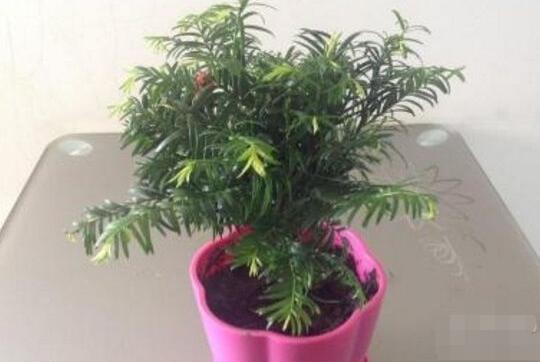
When planting in a pot or changing the potting soil, you can add some organic fertilizer at the bottom of the pot as a base fertilizer. It can ensure the soil is more nutritious and is good for the root development of yew. However, do note that when using it as a base fertilizer, you must choose fully decomposed solid organic fertilizer.
2. Compound fertilizer
In everyday routine care and management, compound fertilizer is used when fertilizing yew, and it must contain elements such as nitrogen, phosphorus and potassium. When using it, it is best to first dissolve the fertilizer in water and then spray it, which can avoid too high a concentration affecting the yew's absorption.
How to Fertilize Yew
1. Just after potting
If the yew was just purchased from a flower market, or has just been potted, the soil is fairly rich in nutrients at this time, so no fertilizing is needed for the first three months. However, you can spray some foliar fertilizer on the leaves every 1-2 weeks, which can make the leaves more emerald green.
2. During the growing season
February to November each year is the growing season for yew, but during this period there is no need to fertilize too much; generally applying thin fertilizer water 1-2 times a month is enough. In addition, you need to watch for changes in leaf color. If yellow-white leaves appear, it means the leaves are falling off early, and at this point you need to apply some fertilizer.
3. During the dormant season
From November each year to February of the following year is the dormant period for yew. How do you fertilize yew at this time? The answer is to stop fertilizing. If temperatures are relatively high in southern regions, you can apply a small amount of fertilizer water sparingly. After temperatures rise again in spring, do not rush to fertilize either.
Precautions for Fertilizing Yew
1. The amount used should not be too much
Yew has a relatively low demand for fertilizer. If the plant is fairly small, it often does not need much fertilizer; only when the plant is larger does it need some fertilizer applied each month. In addition, the concentration of the fertilizer must not be too high; thin fertilizer should be the main approach.
2. Fertilizing should be even
Before fertilizing, it is best to first dissolve the fertilizer in water, then apply the fertilizer water evenly from the edge of the flower pot. Do not sprinkle it directly on the roots, and even more so do not pile solid fertilizer directly around the roots. This is not only bad for absorption, but can also cause some roots to have no fertilizer available to absorb.
How Do You Plant Japanese Yew and What Fertilizer Is Best?
Yew has relatively strong adaptability and is shade-loving, drought-tolerant and cold-resistant. Among these, Japanese yew has the title of "feng shui sacred tree" in folk legend. Japanese yew is an ancient tree species with tenacious vitality, and it is widely planted by people. So how do you plant Japanese yew and what fertilizer is best? Let us explain slowly.
Japanese yew grows on rocky or barren soil on mountaintops, mostly in shrub form. It likes a cool and moist climate, has strong cold resistance, likes moisture but fears waterlogging, and is suitable for planting in loose, moist, well-drained sandy loam. Fertilizing Japanese yew is mainly based on soil topdressing; before field planting, fertilize appropriately according to soil fertility. Topdressing should mainly be nitrogen and phosphorus fertilizer, and must not be too concentrated.
For Japanese yew in spring, to promote branch growth, mainly apply nitrogen fertilizer; in autumn, to promote full lignification of new shoots and root growth, you can apply 20-30 kg per mu of phosphorus-potassium compound fertilizer in early August. After transplanting, Japanese yew should be fertilized frequently and thinly. The growing season of yew is March to October each year, and the dormant period is November to February. For fertilizing, apply a round of nitrogen fertilizer in early March to April, then apply diluted nitrogen fertilizer about every 20 days, and this meets the needs of yew during the growing season.
For fertilizer used on Japanese yew, you can consider Kailin - Yew Quick Growth Essence. This fertilizer is produced by Henan Kailin Landscape Technology Co., Ltd., and is refined using highly active chemical fertilizer raw materials with scientific proportions and advanced production technology. It contains plant fiber activating factors, imported high-efficiency absorption adjuvants and a variety of medium and trace elements, prompting eucalyptus to fully absorb nutrients and promoting the comprehensive growth of the roots, stems and leaves of Japanese yew.
Further reading:
How do you fertilize yew and what fertilizer should be applied? How do you plant it? Pest and disease control
How do you fertilize yew and what fertilizer should be applied?
Yew, also known as purple fir, is one of the country's rare plants, and yew is also one of the more important medicinal materials. Yew grows very slowly in the natural environment and cannot grow in dense forests, but a mature yew can reach 20 m tall. Today we will share with you how to fertilize yew and what fertilizer to apply.
Fertilizing methods for yew:
1. Yew does not need much fertilizer. Generally, small plants do not need fertilizing; for large plants, applying thin fertilizer about once every half a month is enough.
2. Yew should adopt the method of frequent thin fertilizing. From November to February each year is the dormant period for yew, and fertilizer should be applied less or not at all.
3. When fertilizing yew, the fertilizer should be spread evenly, not piled up in one place.
4. The most important thing for yew is to fertilize according to its growth conditions. Slow-growing ones can be given slightly more fertilizer, but remember not to fertilize randomly.
What fertilizer to apply to yew:
For fertilizing yew, it is best to use compound fertilizer or organic fertilizer rich in nitrogen, phosphorus and potassium. Here we recommend a relatively easy-to-use fertilizer - Jiahe 12% Special Flower Fertilizer. The fertilizer is made from various organic materials, among which the content of nitrogen, phosphorus and potassium (N+P2O5+K2O>=8%) and medium and trace elements is moderate, suitable for the growth of yew. It promotes root development, improves root vitality, and helps yew absorb water and nutrients. In addition, the fertilizer can also activate soil nutrients, improve soil aggregate structure, reduce the use of other fertilizers and pesticides, and reduce environmental pollution.
That is all for the methods of fertilizing yew. I believe everyone has gained some understanding. Please remember that yew is relatively difficult to grow. When fertilizing, you must strictly follow the requirements, otherwise it will be unfavorable to the growth of yew.
Further reading:
How do you fertilize yew and what fertilizer should be applied? How do you plant it? Pest and disease control