What is the difference between Xiangqingmu and pepperwood? A quick guide to tell them apart
Many plant lovers buy a pot of “Xiangqingmu” to repel mosquitoes, not realizing it might just be a pepperwood. Generally speaking, most of the "Xiangqingmu" sold in flower markets is actually pepperwood. Let's look at the differences between Xiangqingmu and pepperwood.
First, let's look at the botanical families and genera of Xiangqingmu and pepperwood: 1) Pepperwood belongs to the family Rutaceae and the genus Zanthoxylum, and is an evergreen shrub. 2) Xiangqingmu belongs to the family Anacardiaceae and the genus Pistacia, and is an evergreen shrub or small tree.
Now let's distinguish Xiangqingmu from pepperwood in detail. We can identify them by their leaves, fruit and scent. Plant lovers can tell them apart using several features, rather than relying on just one.
The image below shows pepperwood:
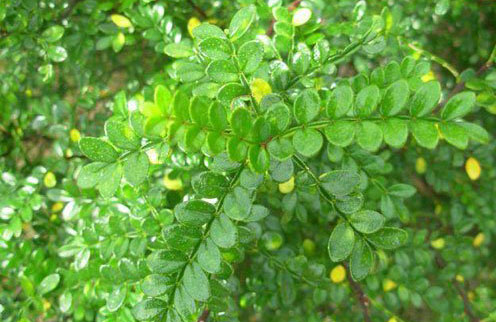
1) Leaves: pepperwood has odd-pinnate compound leaves, with 2 thorns at the leaf base. Xiangqingmu has larger leaves than pepperwood, and its leaves are even-pinnate compound leaves (just check whether the very tip of the leaf stalk ends in a single leaflet or a pair of leaflets), the leaflet tips are slightly sunken, and the small twigs are red.
2) Fruit: pepperwood fruit is greenish-brown, while Xiangqingmu fruit is red.
If you have a keen sense of smell, you can also sniff the scent they give off to tell them apart easily. Pepperwood normally has no noticeable smell, but if you crush a leaf you will smell a strong peppery scent.
Differences between Xiangqingmu and pepperwood
1. Differences in leaves
Xiangqingmu's leaves are larger than pepperwood's, and the number of leaflets is even.
Xiangqingmu
Pepperwood's number of leaflets is odd, and the leaf base has two thorns.
Pepperwood
2. Differences in fruit
Xiangqingmu's fruit is red, while pepperwood's fruit is greenish-brown.
Xiangqingmu
Pepperwood
3. Differences in scent
Pepperwood normally has no noticeable smell, but if you crush the leaves you will smell a strong peppery scent. Xiangqingmu, on the other hand, usually has a faint fresh fragrance.
Differences between Xiangqingmu and pepperwood (pictures)
Many plant lovers buy a pot of “Xiangqingmu” to repel mosquitoes, not realizing it might just be a pepperwood. Generally speaking, most of the "Xiangqingmu" sold in flower markets is actually pepperwood. Let's look at the differences between Xiangqingmu and pepperwood.
First, let's look at the botanical families and genera of Xiangqingmu and pepperwood: 1) Pepperwood belongs to the family Rutaceae and the genus Zanthoxylum, and is an evergreen shrub. 2) Xiangqingmu belongs to the family Anacardiaceae and the genus Pistacia, and is an evergreen shrub or small tree.
Now let's distinguish Xiangqingmu from pepperwood in detail. We can identify them by their leaves, fruit and scent. Plant lovers can tell them apart using several features, rather than relying on just one.
1) Leaves: pepperwood has odd-pinnate compound leaves, with 2 thorns at the leaf base. Xiangqingmu has larger leaves than pepperwood, and its leaves are even-pinnate compound leaves (just check whether the very tip of the leaf stalk ends in a single leaflet or a pair of leaflets), the leaflet tips are slightly sunken, and the small twigs are red.
2) Fruit: pepperwood fruit is greenish-brown, while Xiangqingmu fruit is red.
If you have a keen sense of smell, you can also sniff the scent they give off to tell them apart easily. Pepperwood normally has no noticeable smell, but if you crush a leaf you will smell a strong peppery scent.
The image below shows pepperwood:
The image below shows Xiangqingmu: