What are the cultivation methods and care tips for lotus
The lotus is not only a very good ornamental flower; its underground stem (the lotus root) is also an excellent food, and the lotus stalk, lotus leaf, lotus flower, lotus seed, and lotus receptacle are all medicinal materials. Therefore, saying that no part of it is wasted and that it has a wide range of uses is indeed well deserved. There are many horticultural varieties of lotus, which can be cultivated on a large scale on lake surfaces in parks and can also be grown in large water vats in courtyards. Among the most precious varieties there is also a “bowl lotus,” with small leaves, small flowers, and a small plant, which can be grown in a bowl 25-30 cm in diameter, kept year-round indoors in a sunny spot, small and exquisite, clear and elegant, and among ornamental flowers it can also be regarded as a bonsai of distinctive style!
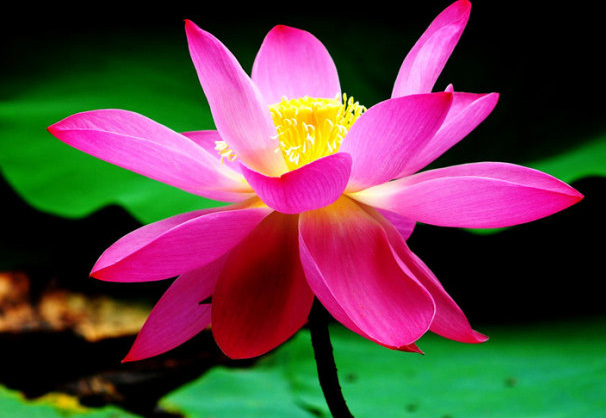
Lotus is also known as the lotus flower, and in ancient books it is also called Fuqu, while poets often call it the lotus emerging from water. It is a perennial herbaceous aquatic plant of the water lily family Nymphaeaceae. It originated in the temperate to tropical zones of Asia and is widely cultivated across both northern and southern parts of our country, with a long history of cultivation. It has extremely strong adaptability, fearing only severe cold and freezing, and it likes strong light. It can be propagated by division or sowing; generally, large-scale production mostly uses the division method, that is, cutting and dividing the underground stem while keeping at least three nodes for separate planting. Superior horticultural varieties can also be propagated by sowing. The seed coat of lotus seeds is thick and hard, making it difficult for them to absorb water, so first file and damage the seed coat with a file to help speed up water absorption, then soak in warm water for a day and night. After the seed coat swells, gently peel it off and plant it in muddy water. At a temperature of about 20 degrees, it will sprout in about 1 week, and then it can be planted separately one plant per pot, and it will bloom in about 2 years. If planting seedlings in a pond, take the seedling, tie it with a thin string to a small stone, and throw it into the water to help it sink to the bottom and root deep in the mud.
How to cultivate lotus: cultivation methods for lotus
Lotus, with its practicality, has entered people's labor and life. How is lotus cultivated? Below, let's share the cultivation methods for lotus.
1. Lotus seed propagation: file the seed coat, soak the seeds, and raise seedlings. Keep the water clear, with the temperature at about 15 degrees. Change the water frequently, and sprouts will appear in about one week. After two weeks, they will take root and can be transplanted. Plant one plant per pot, and the water layer should be shallow; do not submerge the lotus leaves in the water. About 90% can bloom in the same year, but not many blooms in that year.
2. Lotus underground stem propagation: bury the rhizome in about 10 cm of mud, with the head low and the tail high. Let half of the tail stick up so that water does not enter the tail of the lotus root. After planting, place the pot in sunlight so that slight cracks appear on the surface of the soil, which helps the seed lotus root bond completely with the soil. Then add a small amount of water, and after buds grow, gradually deepen the water level, finally maintaining a water layer of 3-5 cm.
3. Water management: Summer is the peak growth period for lotus, and its water demand is also greatest, so throughout summer, care must be taken that the vat or pot does not dry out. In the plum rain season, rainfall is relatively concentrated, and the water level of pond-grown lotus must not submerge the standing leaves. Pay attention to draining water in time to avoid the lotus suffering a catastrophic flood.
4. Fertilizer management: Lotus likes fertilizer, but too much fertilizer will burn the seedlings, so apply thin fertilizer frequently. Summer is the flowering period for lotus, and its demand for fertilizer is also greater than at the seedling stage. If after the flower buds emerge from the water the lotus leaves are yellow and thin without disease spots, it indicates a lack of fertilizer, and phosphorus and potassium fertilizer should be added in time. After that, fertilizer can be applied once every 15-20 days (cake fertilizer or compound fertilizer are both fine). For lotus grown in vats or pots, depending on the size of the vat or pot, insert the fertilizer into the mud in the center of the vat or pot and let it release slowly.
5. Light management: Lotus is a long-day plant, and the cultivation site should have sufficient light. For potted lotus, the spacing between plants and rows should be appropriate; if too crowded, the plants will be thinner and taller, with fewer standing leaves. When cultivating lotus at home in containers such as vats, pots, and bowls, place the lotus in a place with sufficient light or move it outdoors every day to receive light. After lotus buds appear, daily light should be no less than 4 hours, otherwise the plant may show yellowing leaves, withered flower buds, and similar phenomena.
Cultivation methods for orchid cactus: orchid cactus potted plant pictures, cultivation methods for orchid cactus
Orchid cactus has a great variety of flower colors, a light and delicate posture, bright flower colors, and a rich fragrance, and is deeply loved by people. The cultivation of orchid cactus is mainly for potted ornamental use, and using a mix of multiple varieties gives an even more outstanding ornamental effect. Whether used to decorate the balcony of a living room or study, or placed in front of a porch leading to a garden, it can be called an excellent potted flower with excellent color, form, and fragrance.