Key Points of Summer Cutting Propagation Techniques for Chrysanthemums
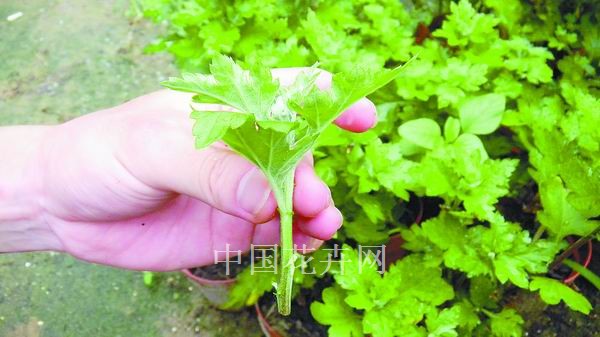
Cut chrysanthemum shoots in early June. Before cutting, disinfect the seedbed by spraying with potassium permanganate solution and carbendazim. Then take the top seven to eight cm of semi-lignified branches as cuttings, remove the basal leaves, dip in rooting powder, and insert to a depth of 1/3 to 1/2 of the cutting. Shade for 7 days and spray water daily. Generally, after rooting in 14 to 20 days, transplant into small pots for management.
After the seedlings recover, apply a very dilute nitrogen-phosphorus-potassium fertilizer once together with watering. After that, control watering; do not be afraid that the chrysanthemum seedlings will die of thirst or hunger. From late August, apply phosphorus and potassium fertilizer once a week to promote flowering. Before fertilizing, loosen the soil first, and apply the fertilizer solution when the potting soil is relatively dry. When side buds begin to grow, remove them promptly and keep only one main branch to avoid wasting nutrients. If you want to grow them for multi-headed ornamental display, pinch the tips during the small-pot growing period, leaving only three or four leaves, to promote branching.
By choosing the cutting time in summer, from cutting to the initial opening when the flowers show color, chrysanthemums need only about 110 to 130 days. Without using any chemicals or hormones, the plants have a well-proportioned shape and bright flower colors, and can bloom during the traditional ornamental period. It saves labor and time and is well worth promoting.
Cultivation Methods for Summer Cutting of Chrysanthemums
In autumn, chrysanthemums in all their varied forms are delightful. How should they be grown well? The traditional cultivation method is to cut chrysanthemum shoots around the Spring Festival, which makes the growing period long. If the cutting time is chosen in summer, the growing period can be effectively shortened while improving the ornamental effect.Cut chrysanthemum shoots in early June. The choice of cutting pots depends on the planned cultivation quantity; 16-mesh or 32-mesh cutting pots are mostly used. Before cutting, disinfect the seedbed by spraying with 0.3% potassium permanganate solution or 800-times carbendazim solution. Select healthy mother plants free of pests and diseases, take the top seven to eight cm of semi-lignified branches as cuttings, cut them into a horseshoe shape with a sharp knife 0.2 cm below the basal leaves, and remove the basal leaves, leaving only two or three upper leaves. Dip in rooting powder, insert to a depth of 1/3 to 1/2 of the cutting, with a row spacing of 8 cm to 10 cm.
Management of summer-cut chrysanthemum seedlings is very important. Shade for 7 days and spray water daily, with the standard being that the inserted shoots do not wilt. After rooting in 14 to 20 days, transplant into small pots for management. After the seedlings recover, apply some nitrogen fertilizer to make the seedlings strong. In mid-to-late July, move them into large clay pots. Chrysanthemums are most averse to being planted in the same place year after year or to using old potting soil that has previously grown chrysanthemums, so new culture soil must be prepared every year. The substrate is 3 parts leaf mold, 1 part river sand, and 2 parts peat soil. This type of substrate has strong water-holding and fertilizer-retaining capacity, good drainage, and is acidic, suitable for the growth and development of chrysanthemums. Finally, sterilize and disinfect with carbendazim.
After the seedlings recover, apply a very dilute nitrogen-phosphorus-potassium fertilizer once together with watering. To control the plant shape and height of the chrysanthemum seedlings, do not be afraid that the seedlings will die of thirst or hunger; carry out appropriate water withholding and fertilizer withholding several times. Around August 20, apply phosphorus and potassium fertilizer once a week to promote flowering. Before fertilizing, loosen the soil first, and apply the fertilizer solution when the potting soil is relatively dry. When fertilizing, never let the fertilizer water touch the branches and leaves, otherwise the leaves will turn yellow and wither. After fertilizing, promptly spray clear water on the seedlings with a watering can to wash off the fertilizer solution adhering to the leaves. When side buds begin to grow, remove them promptly and keep only one main branch to avoid wasting nutrients. When buds appear, remove buds promptly; it is best to keep the central bud, so that the chrysanthemums will bloom successively from late October to early November. A single-stem chrysanthemum with only one flower per plant can open the largest flower because nutrients are concentrated, fully demonstrating the excellent traits of a variety. If you want to grow them for multi-headed ornamental display, pinch the tips during the small-pot growing period, leaving only three or four leaves, to promote branching. Keep three to five main branches; removing side buds and disbudding are the same as above.
From cutting to the initial opening when the flowers show color, chrysanthemums need only 110 to 130 days. Summer-cut chrysanthemums do not need any chemicals or hormones to have a well-proportioned plant shape and bright flower colors, and they can bloom during the traditional ornamental period. They save labor and time, and are economical and beautiful.
Summer Cutting Cultivation Techniques for Chrysanthemums
In autumn, chrysanthemums in all their varied forms are delightful. How should they be grown well? The traditional cultivation method is to cut chrysanthemum shoots around the Spring Festival, which makes the growing period long. If the cutting time is chosen in summer, the growing period can be effectively shortened while improving the ornamental effect.
Cut chrysanthemum shoots in early June. The choice of cutting pots depends on the planned cultivation quantity; 16-mesh or 32-mesh cutting pots are mostly used. Before cutting, disinfect the seedbed by spraying with 0.3% potassium permanganate solution or 800-times carbendazim solution. Select healthy mother plants free of pests and diseases, take the top seven to eight cm of semi-lignified branches as cuttings, cut them into a horseshoe shape with a sharp knife 0.2 cm below the basal leaves, and remove the basal leaves, leaving only two or three upper leaves. Dip in rooting powder, insert to a depth of 1/3 to 1/2 of the cutting, with a row spacing of 8 cm to 10 cm.
Management of summer-cut chrysanthemum seedlings is very important. Shade for 7 days and spray water daily, with the standard being that the inserted shoots do not wilt. After rooting in 14 to 20 days, transplant into small pots for management. After the seedlings recover, apply some nitrogen fertilizer to make the seedlings strong. In mid-to-late July, move them into large clay pots. Chrysanthemums are most averse to being planted in the same place year after year or to using old potting soil that has previously grown chrysanthemums, so new culture soil must be prepared every year. The substrate is 3 parts leaf mold, 1 part river sand, and 2 parts peat soil. This type of substrate has strong water-holding and fertilizer-retaining capacity, good drainage, and is acidic, suitable for the growth and development of chrysanthemums. Finally, sterilize and disinfect with carbendazim.
After the seedlings recover, apply a very dilute nitrogen-phosphorus-potassium fertilizer once together with watering. To control the plant shape and height of the chrysanthemum seedlings, do not be afraid that the seedlings will die of thirst or hunger; carry out appropriate water withholding and fertilizer withholding several times. Around August 20, apply phosphorus and potassium fertilizer once a week to promote flowering. Before fertilizing, loosen the soil first, and apply the fertilizer solution when the potting soil is relatively dry. When fertilizing, never let the fertilizer water touch the branches and leaves, otherwise the leaves will turn yellow and wither. After fertilizing, promptly spray clear water on the seedlings with a watering can to wash off the fertilizer solution adhering to the leaves. When side buds begin to grow, remove them promptly and keep only one main branch to avoid wasting nutrients. When buds appear, remove buds promptly; it is best to keep the central bud, so that the chrysanthemums will bloom successively from late October to early November. A single-stem chrysanthemum with only one flower per plant can open the largest flower because nutrients are concentrated, fully demonstrating the excellent traits of a variety. If you want to grow them for multi-headed ornamental display, pinch the tips during the small-pot growing period, leaving only three or four leaves, to promote branching. Keep three to five main branches; removing side buds and disbudding are the same as above.
From cutting to the initial opening when the flowers show color, chrysanthemums need only 110 to 130 days. Summer-cut chrysanthemums do not need any chemicals or hormones to have a well-proportioned plant shape and bright flower colors, and they can bloom during the traditional ornamental period. They save labor and time, and are economical and beautiful. (The author's unit is Beijing Beihai Park)