What to Do When Yew Leaves Turn Yellow? Five Major Causes and Solutions
Although the yew is a rather precious plant, growing it is not as difficult as one might imagine. However, you still need to know a few tips when planting it, otherwise the leaves may turn yellow. So what should you do when yew leaves turn yellow? Below is a detailed introduction to several common causes and solutions.
What to Do When Yew Leaves Turn Yellow
1. Watering Problems
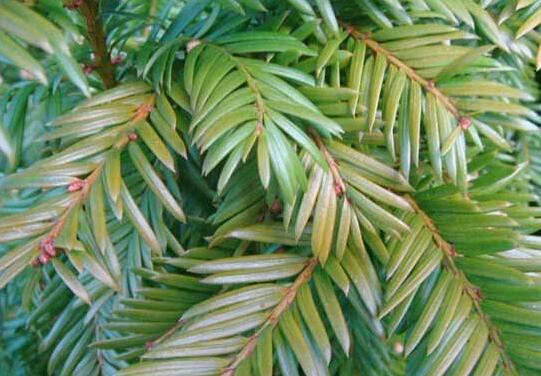
Although the yew is not the most drought-tolerant plant, it can still survive in slightly dry soil. Watering too much will cause root rot, while watering too little will leave the leaf surface dull and cause the new shoots at the top to wilt - this is what gardeners often call "water yellows" and "drought yellows."
Solution: Remove the yellowed leaves, then water reasonably. We have covered this in detail in our guide on how to water yew, which gardeners can use as a reference. In addition, make sure the soil is well aerated and drains well, so that the water you pour in can be absorbed by the roots. When watering, you can also add some medication to prevent root rot.
2. Light Problems
1. Too much light. The yew, also known as the Chinese yew, is actually a shade-loving plant. If it is constantly exposed to blazing sunlight, the water in its tissues will be consumed too quickly, and the leaves may become scorched and turn yellow.
2. Too little light. Besides excessive sunlight, lack of light is also one of the causes of yellowing leaves, because the leaves need normal photosynthesis. If the light is too weak, photosynthesis will be affected, and the leaves will grow poorly and turn yellowish.
Solution: What should you do when yew leaves turn yellow due to light problems? When growing it, neither expose it to blazing sunlight nor leave it in a dim place for a long time. Seeing 4-5 hours of indirect light each day is ideal.
3. Humidity Problems
Humidity is often overlooked, but it is quite important for the growth of the yew. If the environment is fairly moist and the humidity is suitable, it will grow smoothly. Conversely, if the humidity is low and the air is dry, the leaves may dehydrate quickly, curl and turn yellow.
Solution: Pay attention to the ambient humidity. When the air is relatively dry, you can use a spray bottle to mist the leaf surface. This not only rinses the leaves and makes them look better, but also increases the surrounding air humidity. Of course, do not spray too much when misting - causing water to accumulate will have the opposite effect.
4. Temperature Problems
1. Temperature too high. The yew originally grows on semi-shaded slopes and loves a cool climate. If the temperature is too high, some old and weak leaves may turn yellow and drop prematurely.
2. Temperature too low. Under normal circumstances, the yew can withstand low temperatures below minus 30°C, but if it is kept in an ultra-low temperature environment for a long time, some leaves will inevitably turn yellow.
Solution: What should you do when yew leaves turn yellow due to temperature? Keep the temperature from getting too high or too low. If the summer temperature is high, you can take cooling measures, such as misting or moving it to a shady spot. In winter, when the temperature difference between day and night is large, pay attention to cold protection.
5. Environmental Problems
A newly purchased yew, or one that is suddenly moved to another place with a big change in environment, may also develop yellow leaves, because it needs time to adapt. In the cultivation of many plants, this stage is called "slow seedling recovery."
Solution: Try to ensure the environmental changes are not too drastic - for example, do not suddenly place it in a drafty vent. Keep the environment as stable as possible, avoiding large day-night temperature differences, erratic watering, and so on.
Is Yew Toxic? What to Do When Yew Leaves Turn Yellow
For those of you growing yew at home, do you know whether yew is toxic? And what should you do when yew leaves turn yellow during cultivation? Here are the answers to your questions.
Is Yew Toxic?
The yew is toxic, and its toxicity is quite high. Like many medicines, the yew has a certain toxicity. Without a doctor's guidance, long-term consumption in large amounts may cause serious side effects such as suppression of bone marrow hematopoietic function and a drop in white blood cells. The symptoms of yew poisoning in humans who accidentally eat it are mainly dizziness, dilated pupils, nausea, vomiting, diffuse abdominal pain, muscle weakness, and in severe cases, slow heartbeat, cardiac arrest or death, with pathological findings including pulmonary edema, myocardial hemorrhage and myocarditis. The yew is not a novel food. The yew is not a novel food. The Ministry of Health has listed the yew in the "List of Prohibited Substances for Health Foods," prohibiting the use of yew as a health food and food ingredient.
What to Do When Yew Leaves Turn Yellow
1. Severely Insufficient Light
Although the yew is a shade-tolerant tree species, it still must have appropriate light to carry out normal photosynthesis. If there is insufficient light, there will be fewer photosynthetic products, and it will lack sufficient nutrients. The photosynthetic products cannot circulate back to supply the root system, leaving the roots in a hungry state due to lack of nutrients, which causes the leaves to turn yellow and drop. This is a way for the plant to regulate itself.
Solution: Place it on a balcony or outdoors in the morning and evening. The placement cycle can be carried out once every few days.
2. Severely Disrupted Water Balance
The yew is drought-tolerant but not waterlogging-tolerant. If waterlogging is severe and the potting soil is too wet, oxygen in the potting soil will be insufficient, the roots will carry out anaerobic respiration, which then turns into alcohol poisoning, and the roots will suffocate and rot, causing the whole plant to die.
Solution: Water thoroughly each time, following the principle of "water when dry, stop when wet." The surface soil of the pot may be dry while the soil in the middle is not necessarily short of water. When watering, you can combine it with medication to prevent root rot: add 1 gram of Dexon per pot diluted in water, or 2 grams of carbendazim, or an active root-promoting agent diluted in water. You can also add ferrous sulfate diluted in water. The concentration should be low rather than high, following the principle of small amounts applied frequently.
3. Lack of Nutrients in the Potting Soil and Soil Compaction. Use 10-20 grams of organic fertilizer per pot, or decomposed cake fertilizer, applied together with loosening the potting soil, then water, or dilute it in water and apply. You can also combine this with spraying foliar fertilizer.
Foliar fertilizer: urea 0.3% + ferrous sulfate 0.3%
Monopotassium phosphate 0.3% + carbendazim 0.1%
Mix the fertilizers into a solution and spray it on the foliage, with a cycle of once every seven to ten days. At other times, mainly mist with water. Tap water needs to be left to stand for 2-3 days before the surface water can be used.
Since foliar feeding is mainly absorbed through the stomata, and the stomata are concentrated mainly on the underside of the leaves, when misting water or spraying medication, you need to spray from the upper leaf surface to the underside of the leaves so that good absorption can be achieved. The best time to spray is around five o'clock in the afternoon.
4. Small Pot, Large Seedling: The potting soil cannot supply enough nutrients, causing the seedling to turn yellow. The roots densely fill the edge of the pot and are sensitive to outside temperatures, causing the root tips to die, which in turn shows as yellowing, drying and dropping of the branches on the plant.
Solution: Choose the cool hours of morning or evening to repot. The bottom hole of a large pot should be raised, and the bottom layer is best lined with a layer of egg-sized stones to help with drainage and prevent water accumulation. Use humus soil for the potting soil and add an appropriate amount of ferrous sulfate. Be sure to mix it evenly. First, it has a disinfecting effect on the potting soil; second, it can supply iron elements over the long term, preventing the leaves from turning yellow due to iron deficiency.
More InformationWhat to Do When Yew Leaves Dry Up: Teaching You How to Rescue a Withered Yew
The yew is an ancient relict tree species left over from the Quaternary glaciation, with a history of 2.5 million years on Earth. It is a national first-class protected plant, but nowadays people also grow yew artificially. So what should you do when yew leaves dry up? How should you rescue it?
What to Do When Yew Leaves Dry Up:
There are many causes of yew leaves drying up, and you should identify the cause and treat it accordingly. For example, both excessively high temperatures and excessively high density can cause leaves to dry up.
Causes of Drying and Solutions:
A: Severely Disrupted Water Balance
The yew is drought-tolerant but not waterlogging-tolerant. If waterlogging is severe and the potting soil is too wet, oxygen in the potting soil will be insufficient, the roots will carry out anaerobic respiration, which then turns into alcohol poisoning, and the roots will suffocate and rot, causing the whole plant to die.
Solution:
Water thoroughly each time, following the principle of "water when dry, stop when wet." The surface soil of the pot may be dry while the soil in the middle is not necessarily short of water. When watering, you can combine it with medication to prevent root rot: add 1 gram of Dexon per pot diluted in water, or 2 grams of carbendazim, or an active root-promoting agent diluted in water. You can also add ferrous sulfate diluted in water. The concentration should be low rather than high, following the principle of small amounts applied frequently.
B: Severely Insufficient Light
Although the yew is a shade-tolerant tree species, it still must have appropriate light to carry out normal photosynthesis. If there is insufficient light, there will be fewer photosynthetic products, and it will lack sufficient nutrients. The photosynthetic products cannot circulate back to supply the root system, leaving the roots in a hungry state due to lack of nutrients, which causes the leaves to turn yellow and drop. This is a way for the plant to regulate itself.
Solution:
Place it on a balcony or outdoors in the morning and evening. The placement cycle can be carried out once every few days.
C: Small Pot, Large Seedling
The potting soil cannot supply enough nutrients, causing the seedling to turn yellow. The roots densely fill the edge of the pot and are sensitive to outside temperatures, causing the root tips to die, which in turn shows as yellowing, drying and dropping of the branches on the plant.
Solution:
Choose the cool hours of morning or evening to repot. The bottom hole of a large pot should be raised, and the bottom layer is best lined with a layer of egg-sized stones to help with drainage and prevent water accumulation. Use humus soil for the potting soil and add an appropriate amount of ferrous sulfate. Be sure to mix it evenly. First, it has a disinfecting effect on the potting soil; second, it can supply iron elements over the long term, preventing the leaves from turning yellow due to iron deficiency.
D: Lack of Nutrients
Lack of nutrients in the potting soil and soil compaction cause the leaves to dry up.
Solution:
Use 10-20 grams of organic fertilizer per pot, or decomposed cake fertilizer, applied together with loosening the potting soil, then water, or dilute it in water and apply. You can also combine this with spraying foliar fertilizer.
Foliar fertilizer: urea 0.3% + ferrous sulfate 0.3% ; monopotassium phosphate 0.3% + carbendazim 0.1%
Mix the fertilizers into a solution and spray it on the foliage, with a cycle of once every seven to ten days. At other times, mainly mist with water. Tap water needs to be left to stand for 2-3 days before the surface water can be used.
Since foliar feeding is mainly absorbed through the stomata, and the stomata are concentrated mainly on the underside of the leaves, when misting water or spraying medication, you need to spray from the upper leaf surface to the underside of the leaves so that good absorption can be achieved. The best time to spray is around five o'clock in the afternoon.
How to Rescue a Withered Yew:
Fertilizer and Water: The yew is a shade-loving tree species that grows relatively slowly but has extremely strong resistance. It grows best in a cool, moist climate and acidic soil. It likes fertilizer, but in pots it should not be applied too much, otherwise the foliage will become dense and obscure the branches and trunk structure, or new branches will grow wildly and ruin the overall shape. The yew is not drought-tolerant and is hard to revive after losing water. Keep the potting soil moist and use a substrate with good water retention when potting.
Pruning: Remove overly dense branches, or appropriately remove unnecessary leaves from the branches, so that the branches and leaves in the crown are well-proportioned and just right.
Potting and Repotting: The yew has a relatively developed root system that is slightly fleshy. Do not injure the roots when potting or repotting, and take special care when potting or repotting during the growing season. Otherwise, the survival rate will be affected. About half a month after the roots are injured, the needles turn yellow, wither and die.
Shading: The yew likes shade and dislikes direct light. In a greenhouse, it should be kept under shade. Indoors, simply place it in a bright spot.