What to Do When Parlor Palm Leaves Dry Up? Pay Attention to These Five Points
The parlor palm (Chamaedorea elegans) is a highly ornamental plant with a compact, beautiful and distinctive form, which is why it is loved by many people. However, even the most beautiful plant can lose its overall appeal if its leaves dry up. So what should you do when parlor palm leaves dry up? Let us walk you through it below.
1. What to Do When Parlor Palm Leaves Dry Up: Find the Cause
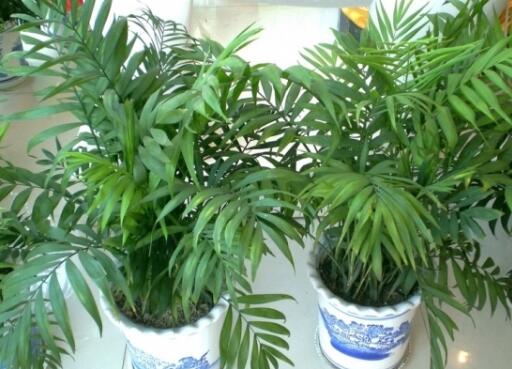
To know what to do when parlor palm leaves dry up, we first need to know what is causing this phenomenon. Improper watering, unsuitable humidity, and too much light can all cause its leaves to dry up. The specific solutions are described in detail below, so let us take a look.
2. Solutions for Dried-Up Parlor Palm Leaves
1. Improper repotting
When we repot a parlor palm, if we are careless and damage the roots, it greatly affects its growth, and this is also one of the causes of dried-up parlor palm leaves.
Solution: If we accidentally injure the roots while repotting, we should trim the injured parts immediately, then place it in an environment with a suitable temperature and good ventilation to recover, so that it can heal on its own. And remember, do not water it before it recovers.
2. Improper fertilizing
Although fertilizer is one of the main nutrients for the parlor palm, fertilizing must also be done in moderation. If too much or too little fertilizer is applied, it can cause the parlor palm leaves to dry up, so you must master the correct fertilizing method.
Solution: When fertilizing a parlor palm, we need to dilute the fertilizer with water first so that it can be absorbed better. During its growing season, fertilizing about once a month is generally enough.
3. Improper watering
The parlor palm likes water, so during cultivation we should keep the potting soil moist so that it can grow vigorously. If you water too little and the potting soil becomes too dry, it will cause the parlor palm leaves to dry up.
Solution: If the leaves dried up because of too little watering, we need to increase the watering frequency and try to keep the potting soil at a certain level of moisture. Of course, do not water too much either, otherwise waterlogging can easily cause root rot, so you need to strike the right balance.
4. Too much light
The parlor palm likes to grow in semi-shaded environments. If it is placed directly in direct sunlight, its leaves can easily dry up, especially in summer when the sunlight is too intense, this situation is most likely to occur.
Solution: If the parlor palm leaves dried up because of too much light, we need to move it to a semi-shaded place in time so it can slowly recover. After it recovers, we can place it where it receives diffused sunlight.
5. Pests and diseases
If we are not careful enough when growing parlor palms, pests and diseases can easily take advantage of the situation. These problems are also one of the main causes of dried-up parlor palm leaves, and in severe cases can even cause the whole plant to wither.
Prevention and control: If pests or diseases appear on the parlor palm, we must find the cause promptly and deal with it, because the longer it drags on, the harder it is to cure. As for the specific prevention and control methods, you can refer to the article on pest and disease control for parlor palms, and we will not go into too much detail here.
What to Do When Parlor Palm Leaves Turn Black? Pay Attention to Five Points to Keep Your Parlor Palm Evergreen
The parlor palm has upright stems and feather-like leaves. Its overall form is compact and elegantly graceful, full of a tropical flavor. It can also purify the air and is highly shade-tolerant, making it a very popular indoor potted plant.
Although the parlor palm is a relatively hardy variety, many plant lovers have had this experience: as they grow it, the leaves turn yellow and black, and eventually the whole plant dies. So what should you do when parlor palm leaves turn black and yellow? Pay attention to the following five points to keep your parlor palm evergreen.
1. Do not place it in a spot with strong light
The parlor palm likes semi-shaded environments. If it gets too much sunlight, the leaf color will fade and gradually turn yellow and scorched black. A withered, lackluster potted plant loses its ornamental value. It should be placed where it receives diffused light. If it is kept indoors, regularly move it outside to a semi-shaded spot for some fresh air.
2. Keep the potting soil moist
The parlor palm likes moist, warm places. If it lacks water, the leaves will turn yellow, gradually wither and turn black. So you need to water the parlor palm often. If it is summer and the temperature is too high, water evaporates quickly and the air is dry, so you should also spray the leaves frequently to raise the humidity.
3. Do not apply too much fertilizer
The parlor palm does not like soil that is too rich. If too much fertilizer is applied, the leaves will turn yellow and black. But you cannot skip fertilizing entirely either; without the necessary nutrients, the potted plant will not grow strong. Applying liquid fertilizer once a month is enough, and you can skip it in autumn and winter.
4. Prevent root rot
When the temperature is high, the parlor palm is very prone to root rot, which causes the leaves to turn yellow, dry up and die. So the potting soil should be well aerated. If you find root rot, promptly spray the potting soil with chlorothalonil to treat it.
5. Prevent black spot disease
In a hot, poorly ventilated environment, especially from April to November when the parlor palm grows most vigorously, black spot disease is very likely to appear. If you find the leaf tips drying up and turning black, promptly spray the whole plant with 50 percent thiophanate-methyl. At the same time, move it to a ventilated, cool place for care. Leaves that have turned yellow and black should be cut off promptly to prevent transmission.
How to Grow Parlor Palm Fast: Cultivation Methods and Precautions
The parlor palm is a plant native to northern Mexico. It is highly ornamental, and many people in China grow it. However, to grow it well, there are many things to pay attention to. So how do you grow a parlor palm fast? What are the cultivation methods and precautions for the parlor palm? Let us walk you through it below.
1. How to Grow Parlor Palm Fast: Understand Its Habits
To know how to grow a parlor palm fast, we first need to understand its growth habits. Only when it grows in a suitable environment will it grow better and faster. It likes to grow in high-humidity environments and is relatively intolerant of strong light, so when the light is strong, shading is still needed. In addition, watering, fertilizing and other aspects also need attention. The specific care details are below, so let us continue reading.
2. Cultivation Methods and Precautions for Parlor Palm
1. Potting soil selection: loose, fertile and well-draining
The choice of potting soil is very important for growing a good parlor palm. As for the pot, a plastic pot is generally enough. For the soil, it is best to choose a relatively loose and fertile humus soil. This kind of soil has high drainage and aeration, is less prone to waterlogging, and allows it to absorb nutrients better.
2. Fertilizing requirements: once a month during the growing season
Fertilizer is one of the main nutrients in the parlor palm's growth process. If you want it to grow faster, sufficient nutrients are very important. Especially after it enters the growing season, its demand for nutrients is very high, and it basically needs a compound fertilizer once a month so that it can grow vigorously. However, when fertilizing, remember that the fertilizer needs to be diluted with water first, otherwise it can easily burn the plant. Keep this in mind.
3. Temperature management: suitable growing temperature 18-24°C
To grow a good parlor palm, temperature management is also very important. Its suitable growing temperature is 18-24°C. If the temperature is too high or too low, it is not very conducive to its growth. Especially after winter arrives, you must control the temperature well. It is best not to let its growing temperature drop below 10°C, otherwise the plant can easily suffer cold damage.
4. Watering requirements: keep the soil moist but not waterlogged
The parlor palm is a water-loving plant, so during cultivation you should keep the soil moist and also spray its leaves regularly to maintain air humidity. However, watering should also be moderate; do not water too much. If too much watering causes waterlogging, it can easily lead to root rot, so you need to control the amount.
5. Light management: avoid strong light
The parlor palm is not tolerant of strong light, so when growing it, it is best to place it where it receives diffused sunlight and avoid direct sunlight. In summer, when the light is too intense, you should shade it well, otherwise it can easily scorch the plant and cause the leaves to turn yellow and dry up, so pay attention to this point.
6. Pests and diseases: prevent and treat promptly, do not delay
During the parlor palm's growth process, if care is not careful enough, pests and diseases can easily take advantage of the situation. These problems are extremely harmful to the plant, and if not dealt with promptly, they can cause the plant to wither and die. The specific treatment methods are described in detail in the article on pest and disease control for parlor palms. Friends who are interested can take a look.