How to grow Dieffenbachia? Detailed guide to cultivation methods and precautions
Gardeners are probably familiar with Dieffenbachia. Its leaves are broad, evergreen through all four seasons, elegant and beautiful, and the spots on them are vividly colored. It is currently one of the most highly regarded indoor foliage plants. In daily life, many people want to grow Dieffenbachia, so how do you grow Dieffenbachia? Now let's take a look together at the cultivation methods and precautions for Dieffenbachia. They are very comprehensive, so don't miss them~
I. How to grow Dieffenbachia: understand its habits
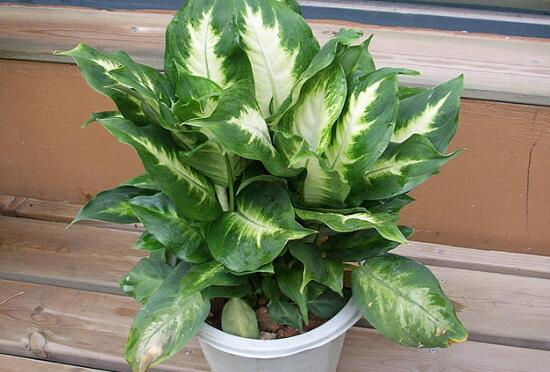
Because its place of origin is Brazil in South America, Dieffenbachia has developed a habit of liking warm, humid and semi-shaded environments, which also makes it very suitable for growing indoors. However, Dieffenbachia is not cold-tolerant and is afraid of drought, and it avoids strong direct sunlight, so during cultivation you should water it frequently and take good measures to keep it warm in winter. Therefore, how do you grow Dieffenbachia? Just meet its growth needs. Let's continue reading for the specific requirements.
II. Cultivation methods and precautions for Dieffenbachia
1. Soil
How do you grow indoor Dieffenbachia? First of all, naturally, you choose a soil suitable for its growth. After all, the potting soil in the potted plants you buy is very cheap. According to the growth habits of Dieffenbachia, you should choose a loose, fertile sandy loam with good drainage.
Soil recommendation: 2 parts leaf mold, 1 part garden soil and 1 part river sand, plus a small amount of decomposed base fertilizer. Mix them together as the growing medium for Dieffenbachia.
2. Light
Light is necessary for plant growth, and it is extremely important for the growth of Dieffenbachia. Dieffenbachia likes semi-shaded environments, so while giving it sufficient light, you should also provide shade when the light is strong. Therefore, apart from receiving soft sunlight in winter, Dieffenbachia should avoid direct sunlight in the other seasons and be placed in a bright location.
Precautions: Dieffenbachia avoids direct sunlight. At midday in spring and autumn and when the sunlight is strong in summer, shade must be provided to avoid scorching or whitening of the leaves, which would affect its ornamental value; however, too much shade is also not good, as it will cause the leaves of Dieffenbachia to turn yellow, or the leaf color to turn green or withered yellow.
3. Temperature
In the cultivation methods and precautions for Dieffenbachia, temperature is something everyone should pay special attention to. Dieffenbachia likes warmth, and its optimum growth temperature is 25-30°C. If conditions permit, maintaining this room temperature can help the plant grow better.
Precautions: Dieffenbachia is not cold-tolerant and is prone to frost damage when the temperature is low. So if conditions permit, you can keep the room temperature at 18-30°C from February to September, and at 13-18°C from September to February of the following year.
4. Watering
How do you grow Dieffenbachia? Watering is naturally indispensable. It is understood that Dieffenbachia likes humid environments. During cultivation, we must ensure it has sufficient moisture. In the growing season, adopt the watering mindset of preferring wet over dry; after autumn, control the water and just keep the potting soil moist.
Precautions: In winter, when the temperature is low and water evaporates slowly, we should keep the potting soil of Dieffenbachia dry and not too wet, otherwise it will cause leaf drop.
5. Humidity
Dieffenbachia likes humidity and fears dryness. Besides watering, humidity is also something everyone needs to pay attention to. During the growing period, water should be sprayed around the plant. If water is not sprayed for a long time, the leaf surface will become rough and lose its luster. Humidity requirements: maintain air humidity at 60%-70% in summer and around 40% in winter.
6. Fertilizing
After watering, let's talk about fertilizing. In the cultivation methods and precautions for Dieffenbachia, it is also very important. Dieffenbachia has a strong tolerance for fertilizer, and giving it sufficient nutrients can make it grow quickly. Generally, during the growing season, a dilute liquid fertilizer or compound fertilizer can be applied 1-2 times per month, while fertilizing should stop in winter.
Precautions: Although Dieffenbachia likes fertilizer, we cannot fertilize it too much. In particular, too much nitrogen fertilizer can easily make the leaf markings unclear, so it should be applied in an appropriate amount.
7. Repotting
According to Dieffenbachia's habit of liking fertile soil, during cultivation we should repot it in a timely manner, generally once a year in October. When repotting, cut off the aged rhizomes and persistent dead leaves, and replace with fresh growing medium. After watering thoroughly, place it in a shaded area, and after a few days, move it into a greenhouse or indoors.
8. Pests and diseases
During the growth of Dieffenbachia, due to various reasons, the plant will inevitably suffer from pest and disease damage. The main diseases include: leaf spot, brown spot, anthracnose, root rot and stem rot; the main pests include: scale insects, brown soft scale, etc. Once discovered, you should immediately spray pesticide for control. As for which pesticide to spray, there is a detailed introduction in the pest and disease control section for Dieffenbachia, so I won't say more here.
How to grow Dieffenbachia: cultivation methods and precautions for Dieffenbachia
How to grow Dieffenbachia: do you all understand the cultivation methods for Dieffenbachia? Next, let me introduce in detail the cultivation methods and precautions for Dieffenbachia to help everyone better grow Dieffenbachia.
Cultivation methods and precautions for Dieffenbachia:
I. Key points and precautions for potted soil cultivation:
1. Soil: Dieffenbachia does not have strict requirements for potting soil, but it is commonly prepared with peat soil or leaf mold plus a small amount of coarse sand and organic fertilizer.
2. Fertilizer and water: Dieffenbachia is robust by nature. As long as Dieffenbachia is guaranteed sufficient fertilizer and water and the temperature is controlled between 20-30 degrees, then Dieffenbachia will grow very quickly and easily take shape. From spring to autumn, apply liquid fertilizer once a month, and keep the potting soil alternating between dry and wet.
3. Placement: Dieffenbachia is shade-tolerant, so it is best placed in a spot with indoor light, but it can also be placed in a slightly darker indoor spot. In winter, placing it in a spot with diffused light indoors allows it to overwinter safely.
4. Repotting: Dieffenbachia should be repotted at the right time, generally once in October. When repotting, remove the aged rhizomes and persistent dead leaves, and plant it in a mix of 2 parts leaf mold, 1 part peat and 1 part sand. After watering thoroughly, place it in a shaded area for a few days, then move it into a greenhouse or indoors.
5. Pest and disease control: To grow Dieffenbachia well in winter, you must also do a good job of pest and disease control. The main diseases of Dieffenbachia are leaf spot and anthracnose. Besides paying attention to ventilation and light transmission and ensuring the potting soil is not too wet, you can spray 0.5 to 1% Bordeaux mixture or 70% Thiophanate 1500 times solution for control; the main pest is brown soft scale, which can be controlled by scraping or spraying 40% Omethoate emulsifiable concentrate 1000 times solution.
II. Key points and precautions for hydroponic cultivation
Dieffenbachia is an emergent herbaceous plant and is very suitable for hydroponics. It can be grown hydroponically by washing the roots, or cultivated with nutrient solution, that is, cutting and keeping leafy branches and inserting them in water. To grow Dieffenbachia well hydroponically, generally the following points should be done:
1. Dieffenbachia likes relatively high humidity, and during the growing period, water should often be sprayed on the stems and leaves.
2. Keep the water temperature for Dieffenbachia at around 20°C, and it will root in just over 10 days.
3. The pH value of the hydroponic nutrient solution for Dieffenbachia is 6.0 to 7.0, and the new nutrient solution should be replaced 1 to 2 times a week.
4. Other care points for Dieffenbachia, such as placement position and pest and disease control, can refer to the soil cultivation method.
[Tips] The sap in the stems and leaves of plants in the Dieffenbachia genus is toxic, so during care and propagation special attention should be paid to preventing children from touching them.
How to grow Dieffenbachia: cultivation methods and precautions for Dieffenbachia
If you plant any plant without following the laws of plant growth, the final result will be only one: all your previous efforts will be wasted. Dieffenbachia is a relatively easy plant to grow, but growing Dieffenbachia still has many technical methods and growth laws that we need to follow.
How to grow Dieffenbachia
Dieffenbachia is native to Brazil in South America. It likes warm, humid and semi-shaded environments. It is not cold-tolerant, is afraid of drought, and avoids strong direct sunlight.
Cultivation methods and precautions for Dieffenbachia
1. Repotting Dieffenbachia
Repot at the right time, generally once in October. When repotting, remove the aged rhizomes and persistent dead leaves, and plant it in a mix of 2 parts leaf mold, 1 part peat and 1 part sand. After watering thoroughly, place it in a shaded area for a few days, then move it into a greenhouse or indoors.
2. Watering Dieffenbachia
Scientific watering. Dieffenbachia likes high-humidity environments. In winter, the potting soil of indoor overwintering plants should alternate between dry and wet, and must not be too dry. If the potting soil is too dry, the leaf tips will turn yellow and scorched, and the plant will die, or even the whole plant will wither. The main reason is that the roots cannot absorb water. Therefore, in winter, keep the air humid and the potting soil moist. Generally, watering once a week is appropriate, and the leaves should also be washed once with warm water to keep the leaf color vivid.
3. Temperature and light for Dieffenbachia
Dieffenbachia likes high temperatures and fears cold, so it should be moved indoors for overwintering in October. The temperature should be kept at around 15°C. It requires sufficient light and good ventilation. Temperatures below 10°C or excessive moisture often cause leaf drop, or even rot at the stem tip; light that is too weak will cause the leaves to fade. Usually, wipe the leaf surface with a soft cloth to remove dust and increase its ornamental value.
4. Fertilizing method for Dieffenbachia
During the growing period, Dieffenbachia is generally fertilized once a month, especially with nitrogen fertilizer, which can promote its rapid growth. From March to August, apply fertilizer water once every two weeks, and reduce fertilization after autumn.
5. Pest and disease control for Dieffenbachia
To grow Dieffenbachia well in winter, you must also do a good job of pest and disease control. Its main diseases are leaf spot and anthracnose. Besides paying attention to ventilation and light transmission and ensuring the potting soil is not too wet, you can spray 0.5 to 1% Bordeaux mixture or 70% Thiophanate 1500 times solution for control;
The main pest is brown soft scale, which can be controlled by scraping or spraying 40% Omethoate emulsifiable concentrate 1000 times solution.
Division propagation method for Dieffenbachia
Propagation methods for Dieffenbachia include division propagation, using the sprouts emerging from the base of the plant for division. The time for division is generally in spring, combined with repotting. During operation, take the plant out of the pot, cut off all the rhizomes at its stem base, apply plant ash to prevent rotting, and place it in a cool, ventilated place. After the wounds dry and heal, transplant it. After planting, water thoroughly, but afterward watering should not be excessive. It can resume growth in about 10 days.
What to do if the leaves of Dieffenbachia become soft
I. Drought
The first reason this plant becomes soft is drought, which is also a problem that often occurs in other plants. The most notable feature is that the softening starts from the top, accompanied by yellowing and withering. This is the simplest to deal with: just replenish water in time, and at the same time spray water on the leaves for a better effect. However, when the temperature is too high, using water that is too cold will have the opposite effect.
II. Moisture
Some people may say that I watered it, and quite a lot, so why is it still like this? Actually, the problem is very simple: too much watering. Everything has a suitable amount. Too little is no good, and too much is no good either, because when you water too much, there is not much air left in the soil, and the plant roots will be damaged. When this happens, first loosen the soil to let air in, and replace part of the wet soil. After such treatment, it will not take too long, about a week or so, for your plant to recover.
III. Permeation
If you think it is caused by too little fertilizing, be careful, because it may be the opposite: you have fertilized too much. Because when there is too much fertilizer in the soil, permeation increases, and the plant then lacks water. First, you can use a large amount of water to wash the potting soil and drain it promptly, or remove part of the soil and add some normal soil. In order to save the plant in time, you should also spray water on the leaves and promptly supplement a certain amount of water for it, so as to ensure the normal growth of Dieffenbachia.
Generally speaking, if we manage plants according to the correct care methods and then closely monitor plant growth, we will often receive generous returns from the plants. The same is true for growing Dieffenbachia. Once you have mastered the techniques and methods of growing it, you can basically ensure the normal growth of Dieffenbachia.