Can Zephyranthes carinata be grown hydroponically? A three-step guide to the hydroponic method for Zephyranthes carinata
For gardeners who grow Zephyranthes carinata, the goal is surely to grow it as beautifully as possible. Everyone knows that many indoor potted plants can actually be grown hydroponically, and compared with soil culture, it is not only simpler to do but also more ornamental. So, can Zephyranthes carinata be grown hydroponically? So that everyone can grow a beautiful pot of Zephyranthes carinata, let's take a look together with the editor at the hydroponic method for Zephyranthes carinata.
1. Why Zephyranthes carinata is called the rainstorm flower
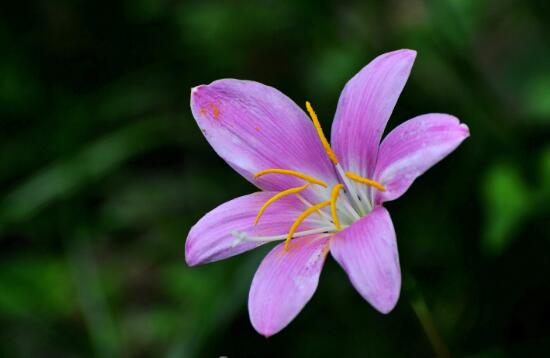
Before answering the question of whether Zephyranthes carinata can be grown hydroponically, let's first understand why Zephyranthes carinata is called the rainstorm flower. It is said that Zephyranthes carinata can sense changes in the weather, so in summer and autumn, on the eve of thunderstorms and rain, the flowers bloom in masses, giving it the ability to forecast approaching wind and rain, which is why people call it the rainstorm flower.
2. Can Zephyranthes carinata be grown hydroponically? Yes
Getting to the point, as to whether Zephyranthes carinata can be grown hydroponically, we can look at its growth habits. It is said that Zephyranthes carinata is fairly drought-tolerant, but it likes a moist environment, so Zephyranthes carinata can be grown hydroponically. However, although Zephyranthes carinata can be grown in water, during care it must be tended carefully; along with frequent water changes, the root system also needs to be constantly tidied.
3. Hydroponic method for Zephyranthes carinata
1. Container selection
To make hydroponically grown Zephyranthes carinata beautiful, choosing a pretty container is very important. You can choose a transparent container that is attractive in appearance and elongated in shape, and lay a layer of colorful stones or pebbles at the bottom to add to the beauty.
2. Selecting hydroponic seedlings
To grow Zephyranthes carinata hydroponically, you naturally need to choose hydroponic seedlings: in spring, select a healthy Zephyranthes carinata bulb free of pests and diseases. Then plant the bulb in a pot, making sure the root system can spread out completely. Finally, firm the soil around the roots to ensure the surface is level.
3. Starting the hydroponic setup
Once the above preparations are done, hydroponic growing of Zephyranthes carinata can officially begin. Sink the flower pot in a water basin, gently swirl it, and rinse off the surface soil. Then place the clean flower pot into the chosen container and add water, noting that the water level should be 3/4 of the container.
4. Care and management
In the hydroponic container for Zephyranthes carinata, the water can be at room temperature, but if it is tap water, you need to leave it in the sun for two days beforehand to remove the chlorine from the tap water. Of course, cooled boiled water works too; no sun exposure needed, just use it directly. In addition, light is also indispensable, but in summer, avoid direct intense sunlight and let it receive diffused light.
The hydroponic method for Zephyranthes carinata
Zephyranthes carinata itself has small pink or pure white flowers interspersed among its emerald green leaves, giving an overall fresh and elegant feeling. If grown hydroponically, the bulbous roots of Zephyranthes carinata can be seen through the transparent container, and the leaves will be even brighter.
One of the hydroponic methods for Zephyranthes carinata
Prepare a fairly elongated transparent container, preferably one with an attractive appearance. At the bottom of the container, you can lay a layer of colorful stones or pebbles to add to the beauty.
In spring, first plant the prepared Zephyranthes carinata bulb in a pot. Make sure the root system of Zephyranthes carinata can spread out completely. Then firm the soil around the roots to ensure the surface is level.
After that, sink the pot in a water basin, gently swirl it, rinse off the surface soil, and then place it into the chosen container
Do not put too much water in the container; three-quarters is enough.
The second hydroponic method for Zephyranthes carinata
To achieve a better ornamental effect, it is best to choose suitable vessels according to the plant's variety, form and so on. For Zephyranthes carinata, a transparent glass container is a good choice.
First do the work of removing the soil and washing the roots of Zephyranthes carinata. Gently shake the dug-out plant with your hands, shake off the soil around the roots, and expose all the roots. Then wash clean with clear water. You must make sure not a bit of soil remains.
After trimming the roots, stems and leaves, you can soak them in a 0.1% potassium permanganate solution for 10-15 minutes, then rinse with clear water, and they can be planted in the bottle.
This hydroponic method requires the use of a special nutrient solution.
The hydroponic method for Zephyranthes carinata
1. For a better ornamental effect, choose a transparent flower pot with an attractive appearance for growing it, and you can lay some pebbles and the like at the bottom of the bottle.
2. First wash the roots of Zephyranthes carinata: gently dig the plant out of the soil, shake off the soil to expose the roots, and wash clean with clear water, leaving no soil behind.
3. Trim the roots, stems and leaves so the plant can spread out in the bottle, then soak in a 0.1% potassium permanganate solution for a little over ten minutes; after rinsing with clear water, it can be grown in the bottle.