What to Do When the Leaves of the Violet Root Orchid Turn Yellow? 5 Major Causes Including Temperature, Water and Fertilizer, and Their Solutions
Violet Root Orchid - friends who have seen it should be deeply impressed. Its flowers are brightly colored, and its flower shape is very similar to that of a lily. It is a very beautiful ornamental flower. However, while growing the Violet Root Orchid, many flower lovers often encounter some problems, such as yellowing leaves. So what should be done when the leaves of the Violet Root Orchid turn yellow? Today, the editor will tell everyone about the causes of yellowing leaves in the Violet Root Orchid and the solutions.
1. When the Leaves of the Violet Root Orchid Turn Yellow, Find the Cause
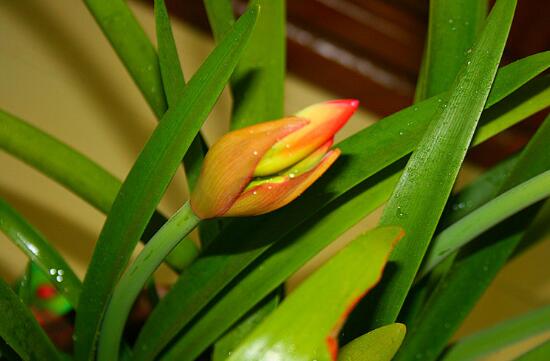
As a common ornamental flower, the Violet Root Orchid is very easy to grow, but because there are many beginners, they will inevitably make oversights, causing yellow leaves to appear, thereby affecting the plant's ornamental value. So what should be done when the leaves of the Violet Root Orchid turn yellow? At this point, everyone just needs to calmly find the cause and take corresponding measures. The Violet Root Orchid can still be saved.
2. Causes of Yellowing Leaves in the Violet Root Orchid and Solutions
1. Sudden Environmental Changes
There are many causes of yellowing leaves in the Violet Root Orchid. You can first consider whether there is a problem with the growing environment. Because nowadays, with the internet being well developed, many flower lovers' potted Violet Root Orchids are bought online, which may cause relatively large environmental changes, and the plant cannot adapt for a while, resulting in yellow leaf symptoms.
Solution: It's very simple. Ask the seller about the Violet Root Orchid's previous growing environment, then create a similar environment at home. After the Violet Root Orchid adapts, slowly change it until it adapts to the current environment, then just maintain it normally. After a period of time, the leaves will recover.
2. Overwatering
The Violet Root Orchid likes a moist environment, and since flower-growing friends all like to water, the result is overwatering, causing water accumulation in the pot, which leads to the plant's leaves turning yellow.
Solution: Take the plant out of the pot, let it dry in the sun, and replant it after the potting soil dries. When watering the Violet Root Orchid normally, do not water when the potting soil is not dry; water when it is dry. Just keep the potting soil appropriately moist.
3. Overfertilizing
Applying an appropriate amount of fertilizer can make the Violet Root Orchid grow faster and bloom more beautifully. But once too much fertilizer is applied, the Violet Root Orchid's roots cannot absorb it all at once, which will burn the roots. If the roots are damaged, the leaves cannot absorb nutrients and will naturally turn yellow.
Solution: If the yellowing leaves of the Violet Root Orchid are caused by overfertilizing, everyone should immediately pour some water to dilute it. In severe cases, the potting soil also needs to be changed, and in the future, attention should be paid to controlling the amount of fertilizer applied.
4. Temperature Too High
The Violet Root Orchid likes a warm environment and grows very well in a cooler, moist place. But in summer, when the temperature is too high, the Violet Root Orchid cannot stand it, resulting in yellowing leaves.
Solution: Move the Violet Root Orchid to a shady place for care, and water it appropriately. It will recover after a period of time.
5. Normal Phenomenon
If the above points can be ruled out, then the cause of the Violet Root Orchid's yellowing leaves may be a normal phenomenon! Because when the Violet Root Orchid is first planted, within a week, its leaves will turn yellow, and this means it is in the slow seedling stage, which is a very normal phenomenon.
Solution: Because it is a normal phenomenon, everyone does not need to pay attention to it. After this period of time passes, the Violet Root Orchid's leaves will quickly return to green. Of course, if you are really worried, you might as well cut off the yellow leaves, and the leaves will grow back after a month.
Overall, the Violet Root Orchid is very easy to grow, but because many flower lovers are beginners, yellow leaf symptoms will inevitably appear. However, after reading the whole article, I believe everyone has a better idea now. When yellow leaf problems appear, just handle them according to the above methods. Regarding yellowing leaves in the Violet Root Orchid, the editor will introduce it here, hoping to bring help to everyone.
What to Do When the Violet Root Orchid Has Root Rot? 3 Causes and Solutions / Improper Water and Fertilizer Are the Key
Violet Root Orchid, a beautiful top choice for indoor cultivation. Its flowers are red and beautiful, and placing it indoors can also purify the air, so it is deeply loved by flower lovers. In life, many people grow Violet Root Orchids, but during the cultivation process, due to improper care, many people encounter root rot. So what should be done when the Violet Root Orchid has root rot? Regarding this, the editor has summarized three causes. Let's take a look together!
1. When the Violet Root Orchid Has Root Rot, Find the Cause
Flower lovers who have grown the Violet Root Orchid should know that it is a plant with strong adaptability and is very easy to grow. But being easy to grow is also relative, because if you are a beginner and do not follow the cultivation methods for the Violet Root Orchid, it is easy to cause the Violet Root Orchid not to bloom, or even to develop root rot. As for what to do when the Violet Root Orchid has root rot, first find the cause, then solve it accordingly.
2. Causes of Root Rot in the Violet Root Orchid and Solutions
1. Overwatering
The Violet Root Orchid likes a moist environment, so during cultivation, we need to keep the potting soil half-moist, and this requires us to water it appropriately. But watering is a technical task, especially for beginners, and it is very easy to overwater. Once too much water is given, it will cause water accumulation in the pot, leading to root rot in the Violet Root Orchid.
Solution: If it is caused by overwatering and is not serious, move the potting soil to a ventilated place with scattered light to let the water evaporate quickly; if it is serious, it is recommended to change to new soil, then cut off the rotten roots and replant.
2. Improper Fertilizing
After talking about watering, let's talk about fertilizing. It is also one of the causes of root rot in the Violet Root Orchid. During the growth process of the Violet Root Orchid, it needs an appropriate amount of fertilizer. Some flower lovers, when fertilizing, directly pour it into the soil without avoiding the roots. But the Violet Root Orchid's roots are bulbous, so if fertilizer is poured directly against the roots, it is very easy to make the roots rot.
Solution: If the root rot in the Violet Root Orchid is caused by improper fertilizing, flower lovers need to dig out the whole plant, then cut off the rotten roots, change to new soil and replant. In addition, when fertilizing afterward, everyone must slowly pour it along the edge of the flower pot, and at the same time, do not let the plant's surface be stained with flower fertilizer.
3. Insufficient Sunlight / Poor Ventilation
In addition to the above two points, there is another situation that causes root rot in the Violet Root Orchid: under normal watering, if the Violet Root Orchid cannot get sufficient light, and the environment where the plant is located happens to be poorly ventilated. This situation will cause the water in the potting soil to remain. Over time, it will cause the plant to rot at the roots.
Solution: It's very simple. Cut off the rotten roots and replant, then move the plant to a ventilated place, and maintain more than 4 hours of light every day.
Through the above introduction, I believe everyone should know what to do when encountering root rot symptoms again! Overall, the Violet Root Orchid is not difficult to grow. As long as everyone is a bit more careful, root rot will basically not appear. Of course, if it does appear, do not panic; just treat it according to the above methods. Regarding root rot in the Violet Root Orchid, the editor will introduce it here, hoping to bring help to everyone.
Is the Violet Root Orchid Easy to Grow? Cultivation Methods and Precautions for the Violet Root Orchid / Avoid Direct Strong Light
Violet Root Orchid, a very beautiful flower. Its flowers are beautiful and stunning, and its fragrance is rich. Grown indoors, it has excellent ornamental value. In life, because of the beauty of the Violet Root Orchid, many flower lovers keep it at home. So is the Violet Root Orchid easy to grow? Regarding this, the editor has carefully compiled the cultivation methods and precautions for the Violet Root Orchid, very detailed. Friends who want to grow it, come in and take a look~
1. Is the Violet Root Orchid Easy to Grow? Yes, Easy to Grow
The Violet Root Orchid likes a warm and moist environment and avoids high temperatures and strong light, so it is very suitable for growing at home. When cultivated indoors, in addition to watering frequently to keep the potting soil moist, winter warmth measures should also be taken, and the indoor temperature should not be lower than 5°C. As for the soil, well-drained and rich in humus is enough. So is the Violet Root Orchid easy to grow? Looking at its growth habits, it is still quite easy to grow.
2. Cultivation Methods and Precautions for the Violet Root Orchid
1. Soil
How to grow a potted Violet Root Orchid? First, naturally, choose good soil. Although the potted Violet Root Orchids bought online or in flower shops come with existing soil, if you want to grow it well, it is best to choose new soil and select the soil the Violet Root Orchid likes: rich in humus and well-drained.
2. Light
In the cultivation methods for the Violet Root Orchid, light is very important. It is understood that the Violet Root Orchid likes light and needs sufficient light during growth, but it avoids strong light, and overly strong light will hurt it. So under the strong sun in summer, either shade it or place it in a place with scattered light for care.
3. Temperature
The Violet Root Orchid likes a warm environment, avoids high temperatures, and is not cold-tolerant. The most suitable growth temperature is 18-25°C. In summer when the temperature is high, the Violet Root Orchid should be moved to a shady place, otherwise symptoms of yellowing leaves are likely to appear; in winter when the temperature is low, the room temperature should be controlled at 10-12°C, which is good for its dormancy. If the temperature is lower than 5°C, frost damage will occur.
4. Watering
How to grow the Violet Root Orchid? Water is indispensable. Because the Violet Root Orchid likes a moist environment, but it avoids water accumulation, so watering should be appropriate, maintaining the potting soil in a 50% dry state; it should not be too dry or too wet.
Watering method: For daily care, water the Violet Root Orchid once every 10-15 days. Note that each time it must be watered thoroughly, not half and then stop. At the same time, it is also most afraid of water accumulation, so the amount of water at one time cannot be too much.
5. Fertilizing
Plant growth cannot be separated from nutrients, so in the cultivation methods for the Violet Root Orchid, fertilizing is also very important. Generally speaking, fertilizing the Violet Root Orchid once a month is enough. It is best to choose diluted flower fertilizer.
Precautions: An appropriate amount of fertilizer can make the Violet Root Orchid grow better, but the concentration of the fertilizer must be adjusted. You can even increase the frequency of fertilizing, but remember not to let the fertilizer be too concentrated, otherwise it is easy to burn the roots, causing poor plant growth and being unfavorable for the Violet Root Orchid to bloom.
3. Precautions for Growing the Violet Root Orchid
1. Pest and Disease Control
During the cultivation process, because beginners are in the majority, they do not know the cultivation methods for the Violet Root Orchid and are prone to improper care, resulting in the appearance of pests and diseases. Once invaded by pests and diseases, the ornamental value of the Violet Root Orchid will be greatly affected, so as soon as it is discovered, pesticide should be sprayed immediately for control. As for what pesticide to spray, there is a detailed introduction in the pest and disease control section for the Violet Root Orchid, so it will not be repeated here.
2. Pruning
During the cultivation process of the Violet Root Orchid, various problems will appear in the plant. For example, if diseased, pest-damaged, and thin branches are found, they need to be cut off in time. In addition, flower lovers should also promptly clean up fallen leaves. If pruning is not timely, it will cause large areas of leaves to turn yellow and even fall off.
3. Potting Soil Replacement
As the care time increases, the Violet Root Orchid will gradually grow larger, so timely repotting is very important. The time is best chosen in winter, when it is the dormant period of the Violet Root Orchid, and repotting will not affect future growth.
Overall, the Violet Root Orchid is still quite easy to grow, but if you want to grow it beautifully, everyone needs to put in more effort and follow the above requirements for care, so that the Violet Root Orchid can bloom beautiful flowers. Regarding the cultivation methods and precautions for the Violet Root Orchid, the editor will introduce them here, hoping to bring help to everyone.