What to Do When Anthurium Leaves Turn Yellow? 8 Causes and Solutions to Help You Prevent It
The leaves of the anthurium are bright green and glossy, so it is both a flowering plant and highly valued for its foliage. However, sometimes the leaves turn yellow due to improper cultivation methods or an unsuitable environment. So should yellow anthurium leaves be cut off? What should you do when anthurium leaves turn yellow? Below, the editor summarizes several common causes and solutions.
Should Yellow Anthurium Leaves Be Cut Off?
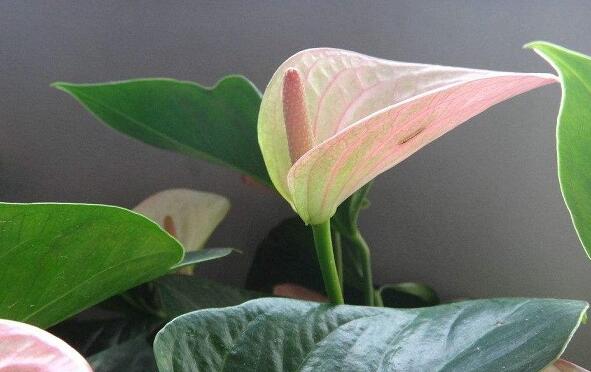
For leaves that have already turned yellow, many gardening enthusiasts hope to help them turn green again, but in most cases this is very difficult. So should yellow anthurium leaves be cut off? The answer is yes, they should be cut off. Cutting off the yellowed leaves can reduce nutrient consumption, and then in routine care and management you can look for the causes and prevention methods, so as to prevent other leaves from turning yellow again.
What to Do When Anthurium Leaves Turn Yellow
1. Frequent watering. If gardeners water too frequently when growing anthuriums, causing the soil to remain moist for a long time, the soil will lack air, the roots will be unable to breathe fresh air, and thus the absorption of water and nutrients will be impaired, resulting in yellowing leaves.
Solution: When you find that the young leaves have turned pale yellow and the old leaves are yellowing and withering, you need to control and reduce watering, and stop fertilizing. Loosen the soil of the anthurium to improve drainage, and when watering, try to water only when the soil is dry.
2. Too little watering. Anthuriums prefer a somewhat moist environment. If you water very rarely or only water 1-2 times a month, the soil will lack water, and then the anthurium's leaves will lose their gloss, the old leaves will age severely, and they will wither and fall before winter even arrives.
Solution: Water scientifically and reasonably. After cutting off the yellowed leaves, water the plant lightly, preferably by sprinkler irrigation or drip irrigation. Wait until the anthurium resumes growth before starting normal watering. Do not wait until the soil is completely dry before watering.
3. Too much fertilizer. When too much fertilizer is applied, it can burn the plant. Although the leaves may appear thick and plump, some old leaves will turn yellow and become uneven, greatly affecting its appearance.
Solution: Stop fertilizing immediately, then increase watering so that the excess fertilizer drains out of the pot with the water. If the over-fertilization is severe, the soil needs to be replaced. Afterward, fertilize reasonably; for methods, you can refer to the detailed introduction in how to fertilize anthuriums.
4. Lack of nutrients. If nitrogen fertilizer is lacking when fertilizing, or if no fertilizer is applied at all, the anthurium will lack nutrients and turn yellow. The specific symptoms are withered, weak leaves, while new leaves become thin and yellow.
Solution: Apply a topdressing of thin, well-rotted soybean cake water, then fertilize scientifically during care. Generally, fertilize once every 2-3 weeks. Before and during the flowering period, topdress with nitrogen, phosphorus, and potassium fertilizers. Ensuring the nutrients essential for its growth is very important.
5. Too high temperature. The anthurium is a tropical plant and is relatively tolerant of high temperatures, but the ambient temperature should not exceed 35°C, otherwise the leaves will also turn yellow due to excessive heat. If gardeners encounter leaf yellowing, they can consider whether the ambient temperature around the anthurium is too hot and stuffy.
Solution: What should you do when anthurium leaves turn yellow due to excessively high temperature? The answer is to move it quickly to a cool place to avoid an overly hot and stuffy environment. Afterward, pay attention to observing temperature changes. When the temperature exceeds 30°C, cooling measures should be taken.
6. Long-term lack of light. Among indoor ornamental plants, the anthurium is actually a very shade-tolerant plant. It can grow in low-light environments, but if it is placed in a dim environment for a period of time, its leaves will turn yellow due to lack of light.
Solution: If you find that the anthurium's leaves have become thin, yellow, are not flowering, or the flowers are dull in color, check whether the care environment lacks light. If the ambient light is relatively dim, the anthurium should be moved to a place with light.
7. Air too dry. In the anthurium's growth habits, it likes humidity of 70-80% best, and at minimum it should not be lower than 50%. When the air is relatively dry, its leaves will become rough, and the flower color will also become dull.
Solution: What should you do when anthurium leaves turn yellow due to humidity and temperature? Pay more attention to the air humidity in the weather forecast. Once the ambient humidity is relatively low, spray water on the leaf surface 2-3 times a day to increase the surrounding air humidity, but do not spray too much and cause waterlogging.
8. Sudden environmental changes. Anthuriums prefer a relatively stable environment. If they encounter extreme environmental changes, such as being moved from a shady place to sunlight, or if the environment is full of toxic gases, these will all cause anthurium leaves to turn yellow.
Solution: Although the climate changes continuously throughout the four seasons, when growing anthuriums, try to create a relatively stable environment for them, such as not having too great a temperature difference between morning and evening, not having light that suddenly becomes strong or weak, and not watering too much or too little.
What to Do When Anthurium Leaves Turn Yellow
1. Frequent watering
If gardeners water too much while growing anthuriums, the soil will remain moist for a long time. This will cause the soil to lack sufficient oxygen, so the roots cannot breathe fresh oxygen, and the plant's absorption of water and nutrients will not be very good. At this point, the plant's leaves begin to turn yellow.
Solution
When you find that the young leaves have turned pale yellow and the old leaves are yellowing and withering, you need to control and reduce watering, and stop fertilizing. Loosen the soil of the anthurium to improve drainage, and when watering, try to water only when the soil is dry.
2. Too much fertilizer
When a lot of fertilizer is applied to the plant, it is very easy to burn the plant. Although the plant's leaves are large and thick, yellow leaves will still appear, greatly reducing the plant's aesthetic appeal.
Solution
Stop fertilizing immediately, then increase watering so that the excess fertilizer drains out of the pot with the water. If the over-fertilization is severe, the soil needs to be replaced. Afterward, fertilize reasonably.
3. Lack of nutrients
If nitrogen fertilizer is lacking when fertilizing, or if no fertilizer is applied at all, the anthurium will lack nutrients and turn yellow. The specific symptoms are withered, weak leaves, and new leaves becoming thin and yellow.
Solution
Apply a topdressing of thin, well-rotted soybean cake water, then fertilize scientifically during care. Generally, fertilize once every 2-3 weeks. Before and during the flowering period, topdress with nitrogen, phosphorus, and potassium fertilizers. Ensuring the nutrients essential for its growth is very important.
4. Long-term lack of light
Among indoor ornamental plants, the anthurium is actually a very shade-tolerant plant. It can grow in low-light environments, but if it is placed in a dim environment for a period of time, its leaves will turn yellow due to lack of light.
Solution
If you find that the anthurium's leaves have become thin, yellow, are not flowering, or the flowers are dull in color, check whether the care environment lacks light. If the ambient light is relatively dim, the anthurium should be moved to a place with light.
The above is an introduction to the causes of yellowing anthurium leaves and how to solve them. Gardening enthusiasts who keep anthuriums at home should study this article well!
What to Do When Anthurium Leaves Turn Yellow: 5 Causes and How to Save Them
What to Do When Anthurium Leaves Turn Yellow 1. OverwateringWhen anthurium leaves turn yellow, if the young leaves at the top of the anthurium are pale yellow, the old leaves are also gradually turning yellow, and the new shoots are shriveling, it is generally caused by prolonged rain or overwatering. If the inside of the pot is too wet, the soil lacks oxygen, and the roots rot.
What to doYou should loosen the soil of the anthurium in time, control the amount of watering, and at the same time avoid heavy rain spraying.
2. Lack of lightAnthuriums kept indoors often without light easily develop yellow leaves. Under high temperature and exposure to the sun, the leaves will also turn yellow and fall off.
What to doIf the yellowing of anthurium leaves is caused by lack of light, then light should be increased in a timely and appropriate manner. Generally, it can be placed on a windowsill with light.
3. Dry soilIf the leaf color at the top of the anthurium is normal, but the lower leaves gradually dry, turn yellow, and fall off upward, this is caused by the pot soil being too full or water not penetrating for a long time, causing the lower leaves and branches to age.
What to doWater an appropriate amount, and at the same time keep the soil moist.
4. Lack of nutrientsIf the anthurium's leaves are thin and yellow, it is generally caused by the plant being large and the pot small, or by not repotting or changing the soil for a long time, as well as insufficient fertilizer.
What to doGradually increase water and fertilizer, and repot at the appropriate time.
5. Too much fertilizerIf the anthurium's leaves appear uneven and not spread out, and the new leaves are thick and plump while the old leaves gradually turn yellow, it is generally caused by too much fertilizer.
What to doWater the anthurium frequently, and at the same time pause fertilizing. It is suggested that you can sprinkle some vegetable seeds in the pot, and after they sprout, pull them out to consume the fertilizer in the pot, so that the anthurium can return to normal growth.