How to water and fertilize hollyhocks? Avoid waterlogging and concentrated fertilizer
Hollyhock is a flowering plant native to the Sichuan region of China, with very high ornamental value, and many people grow it in China. However, to grow it well, there are many things to pay attention to, among which watering and fertilizing are the most important. How to water hollyhocks? How to fertilize hollyhocks? Below, the editor will walk you through it.
I. How to water hollyhocks
1. Water requirements, avoid waterlogging
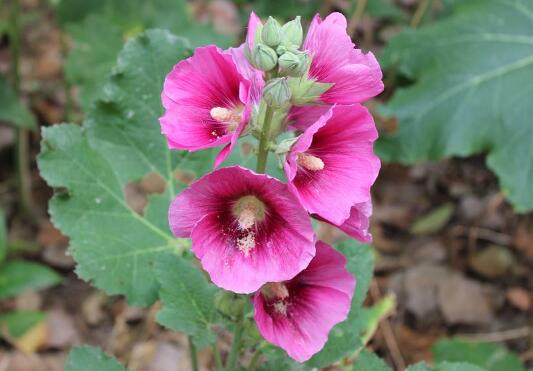
Most plants need plenty of water during their growth, and hollyhocks are no exception, so when growing hollyhocks we need to water frequently so they can grow better. However, this plant is not exactly afraid of waterlogging, so we need to control the amount of water; generally, keeping the soil somewhat moist is enough. Be sure not to cause waterlogging, otherwise the roots can easily rot.
2. Watering method, depending on the climate
As for how to water hollyhocks, it actually differs from one period to another. First, spring is the season when all things revive, so the plant's demand for water is very high, and we can water a bit more. Also, when it is blooming, it needs water very much as well; if there is enough water, it can not only extend the flowering period but also make the flowers bloom more delicately and fully. When autumn comes and the temperature gradually drops, we need to pay attention to controlling water, and in the severe cold of winter water should especially be avoided, so as not to freeze and damage the plant.
3. Notes, do not water at noon in summer
When watering hollyhocks, there are a few points we need to pay attention to. First, when watering, it is best to choose morning or evening, and best not to choose noon, because then the temperature difference between the water and the soil is relatively large, which is not good for the plant's growth. In addition, on rainy days we must promptly move it indoors, so that too much rain does not cause waterlogging.
II. How to fertilize hollyhocks
1. Fertilizer requirements, depending on the soil
The fertilizer demand of hollyhocks depends on its growing medium. If the soil is relatively loose, that means the nutrients in it are relatively sufficient, so its demand for fertilizer will be less. If the soil itself is relatively poor, we need to fertilize more to supply the consumption of nutrients, so that it can grow more vigorously.
2. Fertilizing method, apply into the soil along the edge of the flowerpot
When it comes to how to fertilize hollyhocks, the method is actually very simple. We can slowly pour liquid fertilizer along the edge of the flowerpot into the potting soil, which can reduce harm to the plant. Also, the fertilizing time is best chosen in the morning or evening, and fertilizing at noon should be avoided. In autumn and winter, there is no need to fertilize hollyhocks, because when the temperature is lower it grows more slowly, so basically no fertilizer is needed.
3. Notes, loosen the soil first before applying
When fertilizing hollyhocks, there are also a few points to pay attention to. First, when fertilizing, it is best to loosen the soil first, so that the plant can absorb nutrients more smoothly. Also, before fertilizing, we need to dilute the fertilizer with water first. If concentrated fertilizer is applied directly, it can easily burn the plant and cause fertilizer damage.
How to grow potted hollyhocks, hollyhock cultivation methods and precautions / sufficient light
Hollyhock is a flowering plant with very high ornamental value. Because it can grow to about a zhang in height, and its flower colors are mostly red, it is also called "one zhang red." However, for this plant, there are many things to pay attention to if you want to grow it well. How to grow potted hollyhocks? What are the cultivation methods and precautions for hollyhocks? Below, the editor will walk you through it.
I. How to grow potted hollyhocks, understand their habits
II. Hollyhock cultivation methods and precautions
1. Soil, sandy soil
Among the cultivation methods and precautions for hollyhocks, choosing soil is a very important part. Although it has strong adaptability to soil, choosing a suitable soil is still very helpful for its growth. Hollyhocks prefer loose, fertile sandy soil with good drainage, which allows them to grow better.
2. Fertilizing, apply liquid fertilizer / avoid concentrated fertilizer
Fertilizer is one of the main nutrients for hollyhocks, but there is no need to fertilize too frequently. Generally, before planting, we can add an appropriate amount of base fertilizer to the soil. During its growth period, it can be fertilized 1-2 times, generally mainly with nitrogen fertilizer and potassium fertilizer. After the flower buds form, we also need to fertilize 1-2 times, and at this time the fertilizer is generally mainly phosphorus fertilizer and potassium fertilizer. However, before fertilizing, there is one thing we need to pay attention to: we need to dilute the fertilizer with water first, so as not to burn the plant.
3. Temperature, monthly average temperature not lower than 17°C
Growing temperature is also a very important point for hollyhocks. Only by letting them grow in a suitable environment can they grow better. If it is during the growth period, we can keep the temperature between 25°C—30°C, and during the flowering period, we can keep it at 26°C—28°C. When growing them, be sure not to let the monthly average temperature fall below 17°C, otherwise it will affect their flowering.
4. Watering, avoid waterlogging
Among the cultivation methods and precautions for hollyhocks, watering is also a rather particular point. This plant likes water relatively much, but is afraid of waterlogging, so when watering we should pay special attention to the amount. Generally, keeping the soil somewhat moist is enough. Be sure not to cause waterlogging, otherwise root rot can easily occur.
5. Light, maintain sufficient light
Hollyhocks like light relatively much, so when growing them normally, we can place them in direct sunlight, so they can carry out photosynthesis better and grow better. However, in summer when the sunlight is too strong, it is still best to pay attention to shading, so as not to burn the plant.
6. Pruning, prune regularly to maintain light penetration
In order to maintain the ventilation and light penetration of hollyhocks, during their growth we need to prune regularly. We can moderately prune the branches, which can also maintain the plant's shape and promote branching, allowing it to grow into a full pot. After it blooms, we should also promptly cut off the aboveground parts so that it can sprout new shoots.
7. Pests and diseases, prevent and control promptly without delay
When growing hollyhocks, if we are not careful enough, pests and diseases and other problems can easily take advantage of the situation. Such problems are extremely harmful to the plant, so after discovering them we must deal with them as soon as possible. For specific treatment methods, everyone can refer to the article on hollyhock pest and disease control, which has detailed introductions.
How to cultivate hollyhocks? Hollyhock cultivation and care tips
Hollyhocks are characterized by unique flower forms and have very good ornamental value. The tender leaves and flowers are edible and have the effect of clearing heat and detoxifying. They combine ornamental value and medicinal value. Below are detailed cultivation and care tips for them, which interested friends can refer to.
Hollyhocks have bright flower colors and are beautiful and moving. They are currently cultivated all over the world, and are especially suitable for courtyards, hedges, flower walls, public flowerbeds, lawns and so on, planted in rows or clumps, with a profusion of flowers during the flowering period. Of course, this flower also has dwarf varieties that can be grown as potted plants, but it is not suitable for being kept indoors for a long time; placing it in front of the door or in the courtyard is better. Flower lovers can also cut it for use as cut flowers, for vase arrangements, bouquets and so on.
Growing environment
Hollyhocks like sunny, cool climates, tolerate cold but are not suitable for frost, tolerate partial shade, and avoid intense heat. In North China they can overwinter safely in the open ground. They like loose, fertile, well-drained sandy soil rich in organic matter and grow well in it, and are afraid of soil waterlogging.
Propagation methods
Hollyhocks are generally propagated by seed. In the south, sow in autumn; in the north, spring sowing as potted plants is better. Under normal suitable temperatures, they sprout within a week after sowing, and can bloom in the same year. When the seedlings grow 2-3 true leaves, they can be transplanted, and it is best to set up support stakes to prevent lodging. Of course, this flower can also be propagated by division and cuttings in spring and autumn.
Water and fertilizer management
When transplanting hollyhocks, maintain row spacing and water thoroughly after planting. During the growth period, weed and loosen the soil frequently, apply a phosphorus-potassium fertilizer every month, water to maintain sufficient moisture, and pay attention to timely drainage during the rainy season; the soil must not become waterlogged. During the flowering period, add phosphorus-potassium fertilizer to promote more and brighter flowers. After the flowers fade, promptly cut off the aboveground parts, and it can still sprout new shoots.
Sunlight
Hollyhocks like light. For ground planting, choose a sunny place. Potted hollyhocks are not suitable for being kept indoors for a long time, or they will grow poorly. But hollyhocks are afraid of intense heat, so in summer be sure to sprinkle more water to lower the temperature, and shade potted plants at noon. When growing hollyhocks, maintain a ventilated environment.
Disease control
During the growth period of hollyhocks, when the environment is too humid and the branches and stems are too dense, they are prone to disease. Pay attention to prevention, keep the plant ventilated and light-transmitting, and promptly cut off diseased and dead branches when found.
Hollyhocks are simple to plant; you only need to pay attention to water and fertilizer management and pest and disease control. The above are detailed cultivation methods, so everyone should save them quickly.