How to grow mallow flowers? A detailed guide to cultivation methods, precautions and regular pruning
Mallow is a fairly common flowering plant in people's daily lives, and it can be seen in many regions of our country. However, there are many points to pay attention to if you want to grow it well, so how do you grow mallow? What are the cultivation methods and precautions for mallow? Below, the editor will walk you through it.
1. How to grow mallow: understand its habits
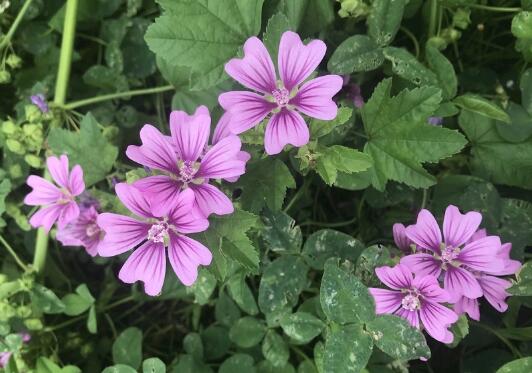
To know how to grow mallow, we first need to understand its growth habits. This plant is quite light-loving, so when cultivating it we should best keep it in sufficient light, so that it can grow better. In addition, watering and fertilizing should not be overlooked; the details are described below, so let's read on.
2. Cultivation methods and precautions for mallow
1. Soil: sandy soil
Among the cultivation methods and precautions for mallow, choosing the soil is a very important step. Generally, it is best to choose relatively loose and fertile sandy soil; this kind of soil has good aeration and drainage, allowing mallow to absorb nutrients better and thus grow more vigorously.
2. Fertilizing: 1-2 times a month
Fertilizer is one of the main nutrients in the growth process of mallow. This plant blooms quite a lot, so it needs sufficient nutrients. Especially after entering the growth period, its demand for nutrients is very high, and basically it needs to be fertilized 1-2 times every month. In terms of fertilizer, nitrogen fertilizer is generally the main type.
3. Watering: moisture must be sufficient
During the growth process of mallow, the demand for water is very great. Especially after entering summer, because the temperature is higher, water evaporates too quickly, so we basically need to water every day. However, when watering it we must control the amount of water and not water too much, otherwise it is very easy to cause waterlogging; if waterlogged, it may cause root rot.
4. Light: avoid strong light
Mallow is a very light-loving plant, so during cultivation we should keep it in sufficient light. In spring and autumn the light is relatively suitable, and we can let it receive light all day. When summer arrives, we can let it receive light in the morning, and when the light becomes too strong at noon, move it to a semi-shaded place indoors to avoid sunburning the plant.
5. Pruning: prune regularly
During the process of cultivating mallow, we also need to prune it regularly, cutting off some overly dense branches as well as some dead, diseased and weak branches. This can help the plant's ventilation and light penetration, and can also promote branching.
6. Pests and diseases: prevent and control promptly, do not delay
During the growth process of mallow, if care is improper, problems such as pests and diseases easily occur. Such problems are extremely harmful to the plant, and if not dealt with promptly they can easily cause it to wither and die. As for the specific treatment methods, everyone can refer to the article on mallow cultivation methods; the editor will not introduce them in too much detail here.
How to grow mallow? Cultivation methods and precautions for mallow
Mallow, also known as Qiankui, Xiaoqianhua, Qipanhua, etc., is a biennial or perennial upright herbaceous plant of the genus Malva in the family Malvaceae. Mallow is a common cultivated plant in cities in both northern and southern China, with unique and beautiful flower shapes and high ornamental value. So, how should mallow be grown? The cultivation methods and precautions for mallow are introduced below.
Image: Mallow
1. Cultivation methods for mallow
1. Soil:Mallow has low requirements for soil. You can choose sandy soil, or use slightly acidic nutrient soil or leaf mold. After potting the mallow, you need to first place the potted mallow in a sunny place for half a day, which can promote flowering.
2. Light and temperature:Mallow likes a sunny environment and prefers a cooler environment, and it can tolerate cold. When cultivating mallow, the suitable growth temperature is between 18°C and 25°C, and sufficient sunlight should be ensured. In the cold winter, the potted mallow needs to be placed indoors in a warm place with sufficient sunlight, with the temperature kept at 3°C-5°C.
3. Watering and fertilizing:In terms of water and fertilizer, watering should lean toward dry and avoid wetness, so as to prevent root rot, especially in severe cold and hot summers. Because mallow blooms a lot, it also needs relatively more nutrients, so during the growth period of mallow, you can apply some compound fertilizer of nitrogen and phosphorus. During the flowering period, fertilizer mainly based on phosphorus fertilizer needs to be applied to promote flowering.
4. Propagation methods:Mallow is generally propagated by cuttings and layering. For cuttings, you can choose robust branches for cutting, and they will root in about a month. Layering mainly includes air layering and ordinary layering.
Image: Mallow
2. Precautions for growing mallow
1. Pruning:During the growth process of mallow, it needs to be pruned frequently, cutting off the dead branches, diseased branches, weak branches, dense branches and spent flowers of the mallow. This is beneficial for ventilation and light penetration and promotes more branching and flowering of the mallow.
2. Pests and diseases and their control:During the care process, mallow will develop some diseases, mainly sooty mold, which can be treated by spraying with chemicals, and attention should be paid to ventilation to avoid disease. During the care process, mallow sometimes also encounters pests, mainly aphids and scale insects. When these pests occur on mallow, you can spray with a 2000-fold dilution of 10% omethoate for control.
[Editor's concluding remarks]Mallow has strong adaptability, is drought-tolerant and grows vigorously, so friends who like it can plant it with confidence; it will definitely survive. The above has introduced the cultivation methods and precautions for mallow; does everyone understand them now?
Cultivation methods and precautions for mallow
Cultivation methods for mallow
Soil
Mallow has low requirements for soil. You can choose sandy soil, or use slightly acidic nutrient soil or leaf mold. After potting the mallow, you need to first place the potted mallow in a sunny place for half a day, which can promote flowering.
Light and temperature
Mallow likes a sunny environment and prefers a cooler environment, and it can tolerate cold. When cultivating mallow, the suitable growth temperature is between 18°C and 25°C, and sufficient sunlight should be ensured. In the cold winter, the potted mallow needs to be placed indoors in a warm place with sufficient sunlight, with the temperature kept at 3°C-5°C.
Watering and fertilizing
In terms of water and fertilizer, watering should lean toward dry and avoid wetness, so as to prevent root rot, especially in severe cold and hot summers. Because mallow blooms a lot, it also needs relatively more nutrients, so during the growth period of mallow, you can apply some compound fertilizer of nitrogen and phosphorus. During the flowering period, fertilizer mainly based on phosphorus fertilizer needs to be applied to promote flowering.
Propagation methods
Mallow is generally propagated by cuttings and layering. For cuttings, you can choose robust branches for cutting, and they will root in about a month. Layering mainly includes air layering and ordinary layering.
Precautions for growing mallow
Pruning
During the growth process of mallow, it needs to be pruned frequently, cutting off the dead branches, diseased branches, weak branches, dense branches and spent flowers of the mallow. This is beneficial for ventilation and light penetration and promotes more branching and flowering of the mallow.
Pests and diseases and their control
During the care process, mallow will develop some diseases, mainly sooty mold, which can be treated by spraying with chemicals, and attention should be paid to ventilation to avoid disease. During the care process, mallow sometimes also encounters pests, mainly aphids and scale insects. When these pests occur on mallow, you can spray with a 2000-fold dilution of 10% omethoate for control.