How to fertilize nasturtium? Choose a fertilizer with balanced nitrogen, phosphorus and potassium
Nasturtium is a flowering plant that many people love. During its growth, fertilization is a very important point, as it affects whether the flower colors are vivid, whether there can be more flowers, and so on. So how do you fertilize nasturtium? What fertilizer can be used for nasturtium? Below, the editor tells you the answer.
What fertilizer can be used for nasturtium
1. Base fertilizer
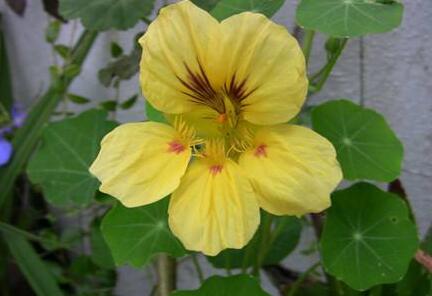
For the soil used to cultivate nasturtium, it is best to add some base fertilizer before potting. If livestock manure is used as the base fertilizer, it can be applied at the bottom of the pot. If compound fertilizer is used as the base fertilizer, it can be mixed into the soil, generally used at one tenth of the soil amount.
2. Soybean cake water
From March to October, soybean cake water generally needs to be applied. Note that it must be decomposed soybean cake water. In addition, a fertilizer quite suitable for nasturtium is calcium phosphate, which can promote the growth of branches and leaves. Nitrogen fertilizer is also essential, as it can ensure the leaves are a deeper green.
How to fertilize nasturtium
1. When potting and planting
When transplanting or potting nasturtium, base fertilizer is needed. It can increase the nutrients in the soil and make the soil more fertile, which is very beneficial for long-term planting. Soil that has been given base fertilizer can have its potting soil changed once every 2-3 years, while ordinary soil needs to be changed once every 1-2 years.
2. Growth period
In order for nasturtium to bloom smoothly when the flowering period arrives, during the growth period it generally needs decomposed soybean cake water applied once a month, usually at a concentration of 20%. Be sure the concentration is not too high, otherwise it may burn the branches and leaves to death, which would not be worth the loss.
3. During flowering
One of the effects and functions of nasturtium is flower viewing, so care and management during the flowering period are very important. To make the flowering period last longer, you need to stop applying nitrogen fertilizer after flowering and instead switch to 0.5% calcium phosphate, applied about once every 15 days, which can make the flower-viewing time longer.
4. After flowers fade
After the flowers fade, nasturtium also needs a certain amount of fertilizer. Generally, decomposed soybean cake water needs to be applied once as a top dressing, then wait for it to resume growth, after which fertilization begins according to the normal growth period.
Precautions for fertilizing nasturtium
In summer, if the temperature is relatively high, fertilization needs to be stopped, for example when the temperature is above 30 degrees, otherwise the plant can easily be burned to death. And in autumn when winter is about to begin, it is best to apply compound fertilizer once to improve its ability to resist the cold.
How to grow nasturtium, nasturtium cultivation methods and precautions / sufficient light is needed
Among plants grown both for foliage and flowers, nasturtium is relatively easy to grow. Not only is it easy to grow, but nasturtium also has many effects and functions, so it is very popular. However, before growing it, you still need to master some techniques. So how do you grow nasturtium? Let's look at the cultivation methods and precautions for nasturtium.
How to grow nasturtium
It likes a warm climate and has average cold and heat tolerance. The temperature must be kept above 10 degrees and below 35 degrees, otherwise growth will be inhibited. Except in summer, it needs relatively sufficient light in the other seasons, and in midsummer it should avoid strong direct sunlight.
Nasturtium cultivation methods and precautions
1. Cultivation methods
1. Soil
The most suitable soil is sandy soil rich in humus, with a pH between 5-6. Also note that the soil should drain well. Usually you can loosen the soil to ensure soil aeration, which is beneficial for root growth and development.
2. Temperature
In the cultivation methods and precautions for nasturtium, its suitable growth temperature is 18-24 degrees, while the suitable germination temperature for sowing and propagation is 18-20 degrees. In winter, the temperature must be kept above 10 degrees, and in summer the temperature should be controlled below 35 degrees, otherwise it will be difficult to bloom.
3. Light
Nasturtium is a plant that blooms relatively easily, but during the growth period it needs relatively sufficient light. In spring, autumn and winter, it can be grown in sunlight, but in summer, pay attention to shading to avoid excessive temperature caused by direct sunlight, which would affect its blooming.
4. Fertilizer and water
Fertilizer and water are very important for nasturtium, so in this respect how do you grow nasturtium? In spring and autumn, watering is generally done once every 2-3 days; in summer, it can be watered once a day, and if the temperature is high, it can also be misted. During the flowering period, watering should be reduced to avoid excessive leggy growth of the branches. Fertilizer application is mainly compound fertilizer, ensuring balanced nitrogen, phosphorus and potassium elements.
5. Propagation
Usually nasturtium is propagated by cuttings or sowing. Sowing can be chosen in spring, from March to June, and can also be done in autumn. For cuttings, spring is more suitable. In addition, it can also self-pollinate, so seeds are relatively easy to collect.
2. Precautions
1. During the rainy season and when watering, be careful not to let water accumulate. Nasturtium likes moisture but fears waterlogging. The water content in the soil only needs to be 50%. If watered too much, the roots rot easily, which can cause leaves to turn yellow and fall. So usually watering should mainly be light and frequent.
2. In summer, try to place nasturtium in a cool place for care, because high temperatures will affect its blooming and may even cause it not to bloom. After the temperature starts to drop in October, place it in a sunny spot and keep the temperature at 10-15 degrees so it can pass through winter smoothly.
3. Since nasturtium is a semi-vining plant, if you want to control its growth, you generally use a support to guide it, otherwise it will affect its ornamental value. When branches grow too long, pruning can be used to control the overall plant shape.
It's so cold outside, yet these plants at home are blooming beautifully
At the start of a new week, strong cold air is spreading across the country. Wherever the cold wave passes, temperatures drop sharply by 12-14°C, and many cities have joined the ranks of snowfall. In the severe cold weather, most plants enter dormancy. The vivid flowers blooming at this time are undoubtedly a "spiritual candle" in the cold winter, able to lift the spirits and nourish body and mind.
Right now, grow these flowers and plants, or choose mature plants and care for them well. When it is freezing cold, the winter home will still be full of blooming flowers and fragrance.
01
Gerbera
▼
The flower colors of gerbera are extremely brilliant and always bring people sun-like vitality, so it is also called the sunflower. In cold weather with rain and snow, keeping such a flowering plant at home will surely let sunlight reside in your heart.
Flowering period: It may bloom all year round. To make winter blooming abundant, some flower buds can be appropriately removed in summer to retain nutrients, and by November and December the flowers will bloom even more abundantly.
Room temperature management: The suitable temperature for gerbera blooming is 15-30°C. Within this range it blooms continuously. When the temperature drops below 7°C, the plant stops growing, so a certain indoor temperature needs to be maintained.
Light: Gerbera can never have too much light. In winter, place the plant on an east-facing enclosed balcony and strive for more than 4 hours of light each day. On rainy days, use artificial light to supplement.
Fertilizer and water management: The watering principle for gerbera is not to water until dry. When the leaves are slightly soft, the potting soil can be watered thoroughly in one go. When watering, be careful that fertilizer and water avoid the leaf center and flower buds, so as not to rot the center.
Gerbera should be fertilized sufficiently and in a balanced way. If you want it to grow strong, use a fertilizer with balanced nitrogen, phosphorus and potassium, but do not use too much nitrogen fertilizer, otherwise the leaves will be thick and large and affect flower bud development. During the flowering period, use a high-phosphorus and high-potassium fertilizer to promote flowering.
02
Cyclamen
▼
Cyclamen needs shade and dormancy in summer, and begins to bloom abundantly in winter. Its colors are vivid and can make the home very beautiful. Moreover, some varieties of cyclamen have a rich fragrance, filling the room with scent.
Flowering period: It begins to bloom every year in November and can continue blooming until May of the following year.
Room temperature management: Cyclamen likes warmth, fears heat, and is relatively cold-tolerant. It can withstand a low temperature of 0°C without freezing. The suitable growth temperature in winter is between 12-16°C, and when promoting flowering it should not exceed 18-22°C. In summer it enters semi-dormancy.
Light: From October to the following spring is the growth period of cyclamen, and at this time it should be provided with an environment with sufficient light. Keep the indoor air at relatively high humidity.
Fertilizer and water management: During the summer dormant period, control watering and do not fertilize. After growth resumes in early autumn, gradually increase watering and apply thin fertilizer. Fertilize 2-3 times a month.
03
Kalanchoe
▼
Kalanchoe has a nice name and beautiful flowers. Kalanchoe has diverse varieties and flowers in many colors, decorating the winter home with great vitality.
Flowering period: It enters the flowering period in December and may bloom until May of the following year.
Room temperature management: The most suitable growth temperature is 15°C to 25°C. Below 10°C growth stalls, below 8°C the leaf color turns red and the flowering period is delayed, and below 0°C it is prone to freezing to death.
Light: Kalanchoe likes an environment with sufficient sunlight. Except for slight shade at noon in midsummer, at other times it should be placed in a sunny place. It needs at least more than 4 hours of direct light each day to grow robustly.
▲Kalanchoe grown by flower-loving old lady Aunt Liu
Fertilizer and water management: It is relatively drought-tolerant and fears waterlogging. In autumn, water thoroughly once after the potting soil dries about every 3 days, keeping it slightly moist. After moving indoors in winter, it is best to water at noon with water close to room temperature, about once a week. During the flowering period, apply a thin nitrogen-phosphorus-potassium fertilizer once a month.
04
Calendula
▼
Calendula is often used as a raw material for skincare products and is also one of the common raw materials for herbal tea. When it blooms, the flower shape is very beautiful, mainly in golden yellow and orange colors, and it is also a vivid flower of winter.
Flowering period: The full flowering period is from December to June. Cut off branches with old leaves and yellow leaves once every two months. As long as the temperature is suitable, it can bloom in all four seasons.
Room temperature management: It likes an environment with sufficient sunlight and has strong adaptability. It can withstand a low temperature of -9°C and fears hot weather. The room temperature should not be higher than 25°C.
Light: When the winter temperature is not very high, let it receive direct sunlight, which is beneficial for its growth and photosynthesis.
Fertilizer and water management: When kept indoors, generally water once every 2-6 days. On sunny days or during high temperatures, the interval is shorter; on rainy days or during low temperatures, the interval is longer, or do not water. Apply light fertilizer twice a week.
05
Nasturtium
▼
Nasturtium is a common indoor flowering plant. When it blooms, one pot can produce dozens of flowers, with a fragrant scent and beautiful colors, bringing great warmth to the heart in winter.
Flowering period: With proper care and a suitable environment, it can bloom throughout the year, and right now is also a good season for blooming. It is a common flower for New Year's Day and Spring Festival.
Room temperature management: It likes a mild climate, and the suitable growth temperature is 18-24°C. It can endure short periods of 0°C, likes warmth and humidity, and the overwintering temperature should be above 10°C.
Light: When the temperature is relatively low in autumn and winter, it needs sufficient light and is suitable to be placed in a corner of the home that can receive sunlight.
Fertilizer and water management: After early autumn, generally water once every other day. When flower buds appear, the watering frequency should be appropriately reduced, but the amount of water each time should be increased, so that the potting soil alternates between dry and moist. At the end of autumn, apply a compound overwintering fertilizer once to enhance the plant's cold resistance.
For indoor flowers in winter, besides the above 5 kinds, dahlia, hibiscus and Aglaia odorata, if grown well, also bloom continuously all year round; petunia sown in stages can also be enjoyed all year. Although it is now the tail end of the chrysanthemum flowering period, many seasonal chrysanthemum varieties are blooming, and they are all the most dazzling plants in this world where all things begin to hibernate.
Returning home from the icy outdoors and seeing flowers blooming so brightly makes one sigh: life is truly beautiful. Fresh flowers not only decorate the home, but also bring vitality and sunlight.