How to grow gladiolus? Cultivation methods and precautions, it needs plenty of light
Gladiolus is a very famous ornamental flowering plant. It ranks alongside carnations, gerbera daisies, roses and others and is honored as one of the world's four great cut flowers, which shows how highly people regard it. Many flower lovers also want to grow a few pots to make the most of its ornamental value among its benefits and uses. So how do you grow gladiolus? Let's look at the cultivation methods and precautions for gladiolus.
Is gladiolus easy to grow
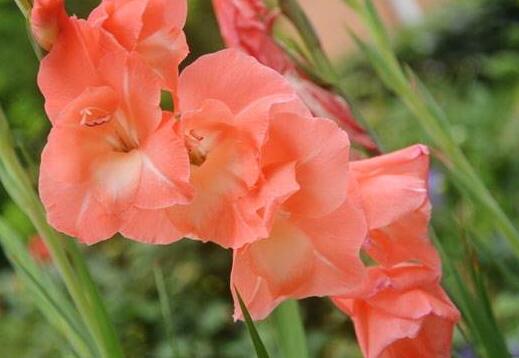
According to the growing experience of flower lovers, gladiolus is a relatively easy plant to grow, but you need to pay attention to the following points: light, temperature, soil, fertilizer and so on. These are also the factors that must be taken seriously when growing most plants. Although it seems complicated, once you develop good habits you will grow it well.
How to grow gladiolus
It is a plant that likes a warm environment, but the temperature should not be too high, otherwise growth will suffer, nor should it be too low. In terms of light it needs fairly abundant light; for soil it likes fertile, slightly acidic soil, and it likes fertilizer quite a lot, so you need to pay attention to fertilizing when growing it.
Cultivation methods and precautions for gladiolus
1. How deep a pot is good for planting gladiolus
For the pot used to plant gladiolus, a ceramic pot or plastic pot is best, and make sure there are drainage holes at the bottom. In addition, use a shallow pot for planting, with the height of the pot slightly less than its diameter. A pot that is too deep makes watering and fertilizing hard to control, so a bigger pot is not necessarily better.
2. Is gladiolus cold-hardy
The cold hardiness of gladiolus is fairly average. Its best growing temperature is 20-25 degrees. If the temperature is too low it will stop growing, but its corms can still sprout at 5 degrees, so the temperature had best not go below 5 degrees. Also, the temperature must not be too high, otherwise it easily enters dormancy.
3. Light
It is a long-day plant and very much likes sunny spots, so how do you grow gladiolus in terms of light? Make sure there are at least 14 hours of light each day. In spring, autumn and winter it is best to have plenty of sunlight, which helps it differentiate flower buds. A lack of light will reduce the number of flowers. After the flower buds sprout, give short-day conditions to promote flower bud formation.
4. Watering and drainage
Gladiolus is a plant that rather fears wet conditions, so do not water too much. Generally, water thoroughly once before flowering, then water once in the middle of the flowering period, and after that reduce watering. At other times, water according to how wet or dry the soil is, and be sure to drain well on rainy days.
5. Fertilizing
In the cultivation methods and precautions for gladiolus, fertilizing is very important. It can improve flower quality and make the flowers more vivid and larger, so before the flowering period you should apply some potassium fertilizer, which promotes flower bud differentiation. At other times you need to apply nitrogen and phosphorus fertilizer.
Precautions
1. Avoid high temperatures: Gladiolus is not suited to growing in a high-temperature environment, yet it rather likes sunny spots, so in summer you need to help it cool down. If the temperature is too high you also need to improve ventilation, otherwise growth is likely to weaken.
2. Prevent waterlogging on rainy days: Be sure to drain well and prevent waterlogging in the rainy season. Do not let water accumulate in the pot, otherwise the gladiolus corms rot very easily. Once this happens the plant will wither quickly, so on rainy days it is best not to keep it out in the open.
3. Protect the corms: One of the characteristics of gladiolus is that it has corms, so after the flowering period you must protect the corms well. In autumn, when the leaves begin to yellow and drop, you can dig out the corms and store them in a semi-shaded, warm place, or keep the soil temperature suitable so it can make it through winter smoothly.
How to grow gladiolus? Cultivation methods and precautions for gladiolus
[Common questions] How to grow gladiolus? Cultivation methods and precautions for gladiolus
Image: Gladiolus
[Expert answer]
Cultivation methods for gladiolus
1. Planting
Select the corms of gladiolus: choose small corms from among the flattened round ones that are disease-free, spot-free and have no damage to the sprouting and rooting parts. After planting the corms, water thoroughly once, place in a ventilated, sunny spot and keep the soil moist.
2. Temperature
The suitable growing temperature for gladiolus is spring, around 20 degrees. The corms sprout at 4°C and grow best at 20-25°C. Any area with a growing period of just 4-5 months a year can plant it in the open. Above 27°C growth is hindered and the petals are easily scorched; below 10°C growth is slow.
3. Light
Gladiolus does not tolerate shade and is a long-day plant. A daily light period of 16 hours is most suitable. Cut flower varieties are greatly affected by light: ample sunshine makes them grow sturdy with strong stress resistance, and the flower colors are vivid and long-lasting. But in hot summers you should also avoid strong direct sunlight, otherwise the leaves of gladiolus will be scorched and scarred.
4. Watering
At the early stage of cultivation, do not water too much; during the growing period it needs constant watering to keep the potting soil moist; after the flower stems emerge, spray water on the leaves 1-2 times a day to increase air humidity.
5. Soil
It likes fertile, deep sandy soil and requires good drainage. Well-drained sandy slope soil is most suitable, with a pH of 5.6-6.5 being ideal. It should not be planted in heavy clay soil that is prone to waterlogging.
6. Fertilizing
Gladiolus is a shallow-rooted plant, so fertilizer should be applied shallowly, and fertilizing should cover nitrogen, phosphorus and potassium together. Top-dress at the two-true-leaf stage (after flower bud differentiation) and at the heading stage, applying diluted manure water plus urea once; apply a heavy potassium fertilizer once at the mid stage; and in the late stage be careful to control nitrogen so the plant does not grow leggy and lodge. For plots mainly producing corms, extra potassium fertilizer should be the main focus.
7. Pruning
After flowering, simply cut off the spent flowers.
8. Pest and disease control
Common diseases of gladiolus include corm rot and leaf blight; common pests include thrips and slugs.
Corm rot is a disease that often occurs during storage. The preventive measure is to be careful when digging up the corms and avoid wounding them. After harvesting the corms, it is best to first soak them in cold water, then disinfect them with alcohol, dry them in the shade and store them, and keep the storage room ventilated and dry at a low temperature of 4-5°C.
Precautions for gladiolus
The suitable temperature in summer is 25-30°C, and in winter 15-18°C, and the lowest temperature must not fall below 12°C. When the temperature is high, you can spray water on the plant. Soft sunlight makes the leaves more beautiful. During the growing season you can water heavily, and at the same time pour some water into the rosette leaf cup. After each watering, wait until the potting soil is fairly dry before watering a second time, and do not overdo it. In winter the potting soil should be a little drier. During the vigorous growth period from May to September, fertilize once every two weeks. In addition, apply phosphorus and potassium fertilizer twice more.
[Editor's summary]
Gladiolus is native to southern Africa. Because of its many varieties, rich flower colors and beautiful appearance, it is deeply loved by consumers, and together with cut-flower roses, carnations and gerbera daisies it is honored as the “world's four great cut flowers”. The editor of First Agricultural Economics has introduced the cultivation methods and precautions for gladiolus in this article, and hopes it is helpful to you.
Is gladiolus easy to grow? Cultivation methods and precautions for gladiolus
Gladiolus is a flowering plant with a particularly large number of varieties and flower colors. Is gladiolus easy to grow? Below let's look at the knowledge on cultivation methods and precautions for gladiolus.
Cultivation methods for gladiolus:
1. Soil: It likes fertile, deep sandy soil and requires good drainage. Well-drained sandy slope soil is most suitable, with a pH of 5.6-6.5 being ideal. It should not be planted in heavy clay soil that is prone to waterlogging.
2. Watering: Gladiolus is a flower that needs a lot of water. Watering in good time and keeping the soil moist is an important measure to encourage it to bloom more. If hot, high temperatures occur, spray promptly to increase humidity and lower the temperature, and after rain be careful to drain.
3. Temperature: The optimum growing temperature is 20-25°C during the day and 10-15°C at night. Above 27°C growth is hindered and the petals are easily scorched; below 10°C growth is slow. The minimum growing temperature is 3°C, and when the temperature falls below 3°C the growth and development of the plant will be inhibited.
4. Sunlight: Gladiolus does not tolerate shade and is a long-day plant. A daily light period of 16 hours is most suitable. Cut flower varieties are greatly affected by light: ample sunshine makes them grow sturdy with strong stress resistance, and the flower colors are vivid and long-lasting. But in hot summers you should also avoid strong direct sunlight.
5. Fertilizing: After two leaves have grown, top-dress with rotted organic fertilizer once every 15 days or so to promote stem and leaf growth. When the stems and leaves are elongating and the flower buds are forming, avoid nitrogen fertilizer and switch to phosphorus fertilizer to promote flower development.
Precautions for growing gladiolus:
1. When producing cut flowers in a greenhouse, fluorescent lamps must be used for supplemental light, increasing the daily light period to more than 14 hours. Gladiolus should not be grown in continuous cropping.
2. After planting in spring, water frequently. Once it suffers drought the leaf tips will wither and yellow, and after the flower spike emerges it must not suffer drought even more. In rainless seasons, water at least once a week.
3. Gladiolus should be fertilized in the right amount. Generally, start top-dressing when the third leaf grows, and after that apply diluted rotted cake fertilizer water once every 20-30 days. Be careful to apply extra phosphorus and potassium fertilizer, which makes the flower stems thick and sturdy, the flowers closely arranged and the colors vivid.
4. To make gladiolus flowers large and brightly colored, water and fertilizer management is very important. From planting until two leaves appear, do not water too much, so the plant does not grow leggy and affect flower bud differentiation.
More information