Magnolia potted cultivation methods and precautions, ensure plenty of light
Magnolia is a plant unique to China and is highly ornamental. However, there are many things to pay attention to if you want to grow it well. How do you grow magnolia in a pot? What are the cultivation methods and precautions for magnolia? Below, the editor will guide everyone through it.
1. How to grow magnolia in a pot: understand its habits
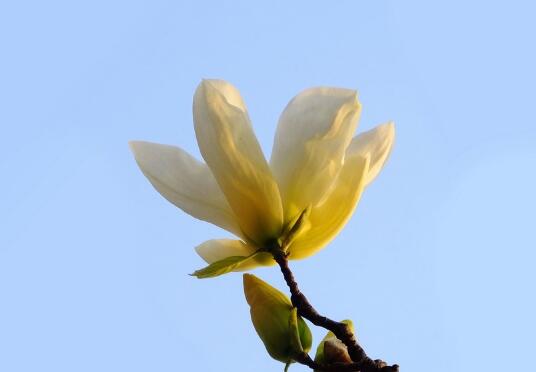
To know how to grow magnolia in a pot, we first need to understand its growth habits. Magnolia likes sunlight by nature, so during cultivation we should ideally maintain ample light. In addition, watering, fertilizing and other aspects cannot be neglected either. The specific cultivation methods are introduced below. Let's take a look.
2. Cultivation methods and precautions for magnolia
1. Soil: slightly acidic sandy soil
When growing magnolia, we first need to choose the soil, which is the step of laying a good foundation. Generally, it is best to choose loose, fertile, slightly acidic sandy soil. This kind of soil has good drainage, allows the plant to absorb nutrients better, and is less likely to cause waterlogging.
2. Fertilizing: fertilize twice during the growing season
Fertilizer is one of the main nutrients in the growth process of magnolia. Although it likes fertilizer, it avoids heavy fertilizer, so fertilizing about twice during the growing season is generally enough. This helps the differentiation and growth of flower buds. One of the two fertilizations is in early spring, and the other can be chosen around May to June.
3. Watering: water when dry, stop when wet
During the growth process of magnolia, watering is also a point that needs attention. It is relatively afraid of waterlogging, so when watering we must control the amount of water and just keep the soil somewhat moist. When watering it, we should follow the principle of watering when dry and stopping when wet, and wait until the potting soil is completely dry before watering.
4. Light: provide shade in summer
Magnolia is a light-loving plant, and only with ample light can it grow better. In spring and autumn, when the light is relatively suitable, we can let it receive light all day. In summer, when the light is relatively strong, we need to provide appropriate shade to avoid sunburning the plant.
5. Pruning: prune leggy branches
When growing magnolia, we need to promptly prune some leggy branches, dead branches, diseased and pest-damaged branches, and branches that spoil the beauty of the tree shape, so as to maintain the plant's form. After its flowering period ends, we should also cut off the spent flowers and the aggregate fruit spikes to avoid consuming nutrients and affecting its flowering the following year.
6. Pests and diseases: handle them at the base
During the growth process of magnolia, if we care for it improperly, pests and diseases and other adverse conditions can easily appear. Such problems are extremely harmful to the plant, and if they occur we must deal with them promptly. The specific treatment methods are in the article on magnolia pest and disease control, which everyone can look at when they have time.
Potted magnolia cultivation methods and techniques, and its care precautions
When it comes to magnolia, everyone is surely familiar with it. Magnolia is a common ornamental flower, deeply loved by many flower enthusiasts. Besides large tree-type varieties, magnolia can also be grown in pots. So, do you know what the cultivation methods and precautions for potted magnolia are? Today, the editor will introduce them in detail for everyone.
1. A fertile, loose, well-drained growing medium is required. It can be prepared with 5 parts pine needle leaf mold, 2 parts coarse chaff ash, 2 parts coarse sand, and 1 part rotted manure. Avoid fine sandy soil or heavy clay soil with poor air permeability. For potting, use a breathable clay pot (unglazed pot); avoid glazed pots, porcelain pots, purple clay pots, etc. It is best to use a relatively deep cylindrical flower pot, place an empty flower pot upside down under the pot, and elevate it with bricks to prevent poor drainage; line the bottom of the pot with about 5 cm of cinder and crushed stone.
2. Water appropriately. Michelia alba has fleshy roots; if the potting soil is too wet, the leaves will turn yellow and drop, and the roots may even rot and kill the plant, while if it is too dry the leaf tips will wither and the leaves will curl. It is a flower that fears both waterlogging and drought. During the flowering period, if the petals open outward excessively, it indicates insufficient water; when the water is appropriate, the buds remain in a half-open state. When the surface of the potting soil looks dry and the soil is hard and cracked, water immediately. When watering, the water temperature and soil temperature must be consistent; do not suddenly water with cold or hot water. Watering must be thorough; frequently giving half-waterings will cause shallow roots. For Michelia alba, watering in spring and autumn should not be excessive; in midsummer, water daily and must water in the evening; from late autumn begin to reduce the amount of watering; in winter, water once every 10 days. During the rainy season, move it to a place sheltered from rain.
3. It fears alkalinity. Michelia alba likes acidic soil, with a soil pH requirement of 5.5-6.3. In northern regions, Michelia alba is difficult to grow because most of the water and soil there tend to be alkaline, which dissolves the protoplasm of Michelia alba cells, causing delayed development and poor growth. Regularly watering with fermented rice-washing water gives better results.
4. It fears concentrated fertilizer. Michelia alba likes phosphorus and potassium fertilizers, but avoid too high a concentration, otherwise reverse osmosis will occur, causing "physiological drought" in the plant, with mild cases wilting and severe cases burning it to death. The fertilizing principle for Michelia alba is: "apply diluted, apply often, apply in the evening." Practice has shown that using dilute human waste and bean cake water, mixed with crushed fish scraps, rotten shrimp, chicken innards, etc., after composting, at a ratio of 1:9 fertilizer to water, applied once every 3-5 days, and mixed with calcium sulfate when applying, gives better results and can make Michelia alba's fragrance stronger.
Others: Leaf removal and pinching. For the Michelia alba I grow, the time to move it out of the shed is from the Spring Equinox to Qingming, choosing overcast or cloudy weather. After moving it out, let the potted flower adapt to the outdoor environment for 2-3 days, then remove the old leaves, keeping only a few tender leaves at the branch tips, to encourage new shoots. After that, each time a batch of flowers finishes blooming, also remove a small number of old leaves to promote new branch growth and flower bud formation. During the growing period, pinch frequently to control apical dominance and encourage more side branches.
Suitable light. Michelia alba is a sun-loving flower and needs ample sunlight. During the growing period, it should be cared for in a sunny spot with long daylight and strong light, especially during the flowering period. Daily light must be no less than 6 hours. If placed in a shaded area for care, it will only grow leaves and not bloom, or bloom very little, with slender branches, pale leaves, thin leaves, and no luster, which is unfavorable for growth. But during the hot, high-temperature "dog days," it needs moderate shading; from 12:00 to 16:00 each day, avoid harsh sun exposure, and also avoid high-temperature radiation from brick walls or concrete ground. At this time, not only should you spray water on the plant to cool it down, but you should also water or spray the ground to cool and dissipate heat and increase air humidity.
The above is all the content I have learned about magnolia today. I hope flower enthusiasts will find it helpful after reading this article. If you want to learn more about magnolia, please continue to follow Duorou Huapu, and we will provide you with more related knowledge!
Cultivation methods and precautions for Dracaena fragrans
❤`•.¸¸.•´´¯`•Related recommendations:
❤ Mucuna birdwoodiana
❤ Ash tree price
❤ Scutellaria barbata pictures and effects
❤ Complete collection of Magnolia zenii pictures for appreciation
❤ When does osmanthus bloom
❤`•.¸¸.•´´¯`• Decorate your small home and enjoy every minute of life! This article comes from Aiyouwo!
..........................................................................................
Dracaena fragrans sounds like it is very distant, but in fact it is often right beside us; we may just not have known its name at the time or not paid much attention to it. But do not underestimate it, its uses are very great. Below, let's look at the Dracaena fragrans explained by the editor, and its cultivation methods and precautions.
Introduction to Dracaena fragrans
Dracaena fragrans, also known as fragrant dracaena, Brazilian ironwood, dragon tree, etc., is an evergreen tree of the genus Dracaena in the Liliaceae family. It is generally used as a potted plant, with branches, leaves clustered at the top of the stem, curved leaf blades, bright green and glossy leaves, and small but fragrant flowers. Its plant shape is elegant and neat, and it is hailed as the world's most famous new-generation indoor foliage plant. It is a relatively popular large indoor potted plant today, suitable for placement in living rooms, studies, offices, etc. Its form is elegant and it also plays a very good role in interior decoration.
Growth habits of Dracaena fragrans
Dracaena fragrans originates from tropical regions, northern Africa. It likes a climate environment with ample light, high temperature, and humidity, and is also shade-tolerant and drought-tolerant, with strong vitality. It only needs sunlight, air, and very little water, and relying on its own potential energy, it can also grow well in the relatively dry environment of a bright northern room. It is cultivated in regions such as Yunnan and Hainan in China. Common varieties include: Dracaena fragrans 'Massangeana', Dracaena fragrans 'Victoria', Dracaena fragrans 'Lindeni', and other plants.
Cultivation methods and precautions for Dracaena fragrans
Soil: When Dracaena fragrans is generally grown as a household potted plant, it is not advisable to buy one that is too large. Soil containing humus, with strong permeability, and fertile, loose sandy growing medium is sufficient.
Watering: After Dracaena fragrans is planted, water it thoroughly, then place it in a cool place for half a month, after which place it in a sunny, ventilated place for care. Keep the potting soil moist, but it must not be too wet, and even more so must not have standing water. If it is placed outdoors for care, drain promptly after rain.
Pests: During growth, Dracaena fragrans is prone to damage by scale insects. Scale insects generally hide on the underside of leaves, and sooty mold is more likely to occur in non-ventilated environments. Therefore, Dracaena fragrans must be kept in a ventilated place, and medication should be applied promptly for treatment.
Pruning: Only when Dracaena fragrans has grown to maturity can the lower old leaves be cut off, maintaining 2 to 3 rounds of leaves; it does not need frequent pruning. If leaves turn yellow and dry up after being damaged by pests and diseases, the leaves should be cut off promptly.
Summary: Dracaena fragrans has an elegant, upright appearance full of tropical flavor. If the home decor has a tropical mood, placing one or two pots of Dracaena fragrans is most suitable. Using it to arrange the living room makes the whole room look dignified and elegant, full of natural charm. So friends who like it must not miss it.
☆═━┈┈