Gladiolus growing methods and precautions: frequent watering and plenty of sunlight are key
As people's living standards improve, most families like to keep a few pots of plants and flowers at home, which not only purify the air but also have a good decorative effect. Gladiolus is one of these flowering plants suitable for indoor growing, and many people want to grow gladiolus but do not know how to grow it. Let's take a look below with the editor at the gladiolus growing methods and precautions.
1. How to grow gladiolus: frequent watering and plenty of sunlight
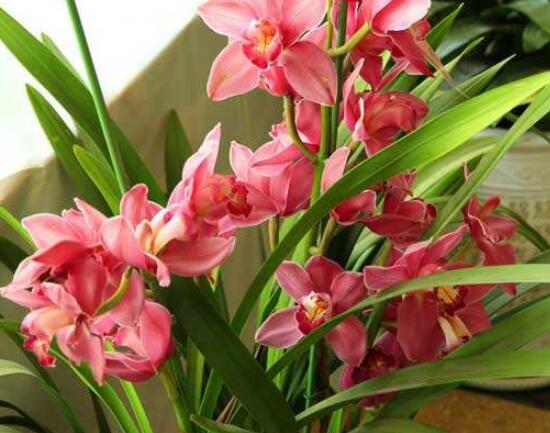
Gladiolus is one of the flowering plants suitable for indoor potting, and generally plants that can be potted are very easy to grow, and gladiolus is no exception. Many people do not know how to grow gladiolus. In fact, among the gladiolus growing methods and precautions, you only need to pay attention to the amount of watering and light. Gladiolus is a plant that does not tolerate shade, and if it does not see light for a long time it will die.
1. Planting
For how to grow gladiolus, the first thing to mention is selecting the corms of gladiolus, choosing disease-free, spot-free small corms among the flat spherical ones with no damage to the sprouting and rooting parts for cultivation. After the corms are planted, water them thoroughly once, place them in a ventilated and sunny spot, and keep the soil moist. It likes fertile, deep sandy soil and requires good drainage; sandy sloping soil with good drainage is most suitable, and it should not be planted in heavy clay soil where waterlogging easily occurs.
2. Light
Gladiolus does not tolerate shade and is a long-day plant, with 16 hours of light per day being most suitable. Cut flower varieties are greatly affected by light; sufficient sunlight makes them grow strong, with strong resistance, and the flower colors are bright and long-lasting. But in hot summers, strong direct sunlight should also be avoided, otherwise the gladiolus leaves will be sunburnt with scars.
3. Watering
In the early stage of cultivation, do not water too much; during the growing period, continuous watering is needed to keep the potting soil moist; after the flower stems are drawn out, spray water on the leaf surface 1-2 times a day to increase air humidity.
4. Temperature
The suitable growing temperature for gladiolus is spring, around 20 degrees. The corms sprout at 4°C and grow best at 20-25°C. In any area with a growing period of 4-5 months per year, it can be planted in the open field. When the temperature is above 27°C, growth is hindered and the petals are easily scorched; below 10°C, growth is slow.
5. Fertilizing
Gladiolus is a shallow-rooted plant, so fertilizer should be applied shallowly, and fertilizing should balance nitrogen, phosphorus, and potassium. Topdressing is done respectively at the two-true-leaf stage (after flower bud differentiation) and the earing stage, applying diluted manure water plus urea once; in the middle stage, apply a heavy dose of potassium fertilizer once; in the later stage, pay attention to controlling nitrogen to avoid excessive vegetative growth of the plant, which causes lodging. For plots mainly producing seed corms, increasing potassium fertilizer should be the main focus. How to grow gladiolus: pay attention to the above points and you can grow large and beautiful gladiolus flowers! Below let's look at the precautions.
2. Gladiolus growing precautions
1. When producing cut flowers in a greenhouse, fluorescent lamps must be used for supplemental lighting, increasing the daily light duration to more than 14 hours. Gladiolus should not be continuously cropped; it cannot be planted in the same field year after year, otherwise the corms will become smaller year by year and each flower spike will bear fewer flowers. It should be replanted after an interval of 3-4 years, and the soil must be changed every year in greenhouse production. After spring planting, it should be irrigated frequently; once drought-stressed, the leaf tips will wither and yellow, and after the shoots are drawn out it must not suffer drought. In rainless seasons, irrigate at least once a week.
2. If the flower spikes are not cut, the flower spikes should be cut off promptly after flowering to prevent seed setting and allow the new underground corms to develop fully. In late autumn, after the leaves wither and yellow, dig out the corms, shake off the soil and dry them thoroughly, then cut off the dead leaves, and put them in a cardboard box or bamboo basket, storing them dry indoors where it does not freeze for the winter, and never let them get damp.
3. To make gladiolus flowers large and brightly colored, water and fertilizer management is very important. From planting until two leaves appear, do not water too much, to avoid excessive vegetative growth of the plant affecting flower bud differentiation. From stem emergence to the flowering period, water must not be lacking, and the soil should be kept moist. After the flowers fade, the soil should be slightly dry to ensure the growth of new corms. After the temperature drops in late September, because plant growth slows down, watering should be controlled. The above is the analysis of how to grow gladiolus and the gladiolus growing methods and precautions, hoping it can help everyone.
Can gladiolus corms be grown hydroponically? How to hydroponically grow potted gladiolus (change the water frequently and give plenty of sunlight)
Gladiolus is a common potted flowering plant in daily life. Earlier, the editor introduced the gladiolus growing methods and precautions. Now let's look at how to hydroponically grow potted gladiolus. The gladiolus people see most often is soil-grown, so can gladiolus corms be grown hydroponically? Of course they can. Gladiolus can be grown not only in soil but also hydroponically. Master the hydroponic growing methods well, and the gladiolus flowers you grow will be even more beautiful than roses.
1. Can gladiolus corms be grown hydroponically? They can be grown hydroponically or in soil
No matter what plant it is, if you want to grow it well, you have to start from the seed, and of course gladiolus is no exception. Many people think gladiolus corms can only be grown in soil, and do not know whether gladiolus corms can be grown hydroponically. Gladiolus is a flowering plant that can be grown hydroponically or in soil, so how do you hydroponically grow potted gladiolus? The editor made the following analysis:
1. Selecting corms
How to hydroponically grow gladiolus? If you want hydroponically grown gladiolus to grow well, you must start from the beginning. When selecting flower corms, you must buy selectively; the ones with large size and firm appearance are best, because such bulbs have enough nutrients to meet the nutrients needed for gladiolus to bloom.
2. Removing the old stems on the corms
Before hydroponic growing, clean off the aged stem pieces on top of the corms, then in places without bulbs, use a sharp blade to make a few cuts, which helps the gladiolus flower heads grow out. Now they can be placed in the gladiolus hydroponic pot.
3. Watering
The water for growing gladiolus should be clean and hygienic, and the water level at a position 1 cm above the gladiolus corms is enough. Finally, put the pot in a cool place and let the gladiolus soak for a period. Once tender shoots emerge, you can give it some sunlight!
4. Changing the water
In the first half month of hydroponic growing, you must insist on changing the water at a fixed time every day, and afterward changing it once every other day is enough. You must ensure the water is clean and sanitary, otherwise the gladiolus roots will easily rot! Gladiolus that has its water changed frequently will grow especially well, with very green leaves, bright flowers, and a very fragrant scent! Do you know how to hydroponically grow gladiolus now? Below let's look at the precautions for hydroponically growing gladiolus.
2. Precautions for hydroponically growing gladiolus
1. Temperature
To grow flowers, you must first understand the living habits of the flowers, and hydroponically grown gladiolus is no exception! They very much like sunlight and sun exposure, and are afraid of severe cold climates, especially in winter, when a certain amount of sun exposure must be ensured every day. For their growth, the most suitable temperature is between 20°C and 25°C. At night the temperature is slightly lower, but it should also reach 10°C to 15°C. We must try our best to create a living environment for hydroponically grown gladiolus that meets this temperature requirement.
2. Fertilizing
The flowering time of gladiolus varies considerably depending on the care conditions. If you want to extend the flowering period of hydroponically grown gladiolus, you can apply a little fertilizer, and you can also control the temperature within the range most suitable for gladiolus growth; only then will it grow well.
3. Moderate watering
Watering should be moderate, following the principle of preferring dry over wet. Usually wipe dust from the leaf surface with clean water to keep the leaves clean and shiny. In spring, when new plants sprout at the root crown, water appropriately more to keep it moist. The above is the complete answer to whether gladiolus corms can be grown hydroponically and how to hydroponically grow potted gladiolus, hoping it can help you.
Precautions for orchid care in winter
As the air temperature gradually decreases, the water supply for indoor potted orchids is very important. Water more as appropriate, but at the same time also pay attention to watering and moisturizing. If the humidity is too low, you can spray to ensure the orchids have enough humidity and prevent orchid leaves from withering at the tips. After the orchid plants grow through summer, the nutrients in the pot are almost exhausted, so fertilizing should be emphasized before winter begins. The method is root application of organic fertilizer once every 10 days; foliar spraying of nitrogen fertilizer, also once every 10 days; the two can be done alternately. While applying organic fertilizer to the roots, an appropriate amount of phosphorus and potassium fertilizer can be mixed in to help promote flower buds.
It is still a season prone to soft rot, stem rot, and other diseases, so agricultural streptomycin, chlorothalonil, thiophanate-methyl, and other pesticides can be used for alternating spraying. Sunlight can enhance the ability of orchid grass to resist pests and diseases and withstand severe cold, so at this stage orchid grass should be given more "sun".
For orchid varieties such as gladiolus that bloom in summer and autumn, after flowering the flower branches should be cut off promptly and nutrients replenished to strengthen the orchid plants. At the same time, organize the orchid leaves and cut off diseased leaves and dead leaves.