How to propagate snapdragons? A guide to the cutting method, which can be done in all four seasons
The beauty of snapdragons is something anyone who has seen them knows: their flowers look like goldfish, swaying in the wind, and they look absolutely stunning. Besides their ornamental value, snapdragons have many other uses and benefits; medicinally, they are said to cure a hundred ailments. With a flower like this, it is only natural that many people grow it, and its propagation methods have gradually been perfected. It is understood that snapdragons are mainly propagated in two ways, by seed sowing and by cuttings, and below we will introduce them in detail for you.
1. How to propagate snapdragons: cuttings / seed sowing
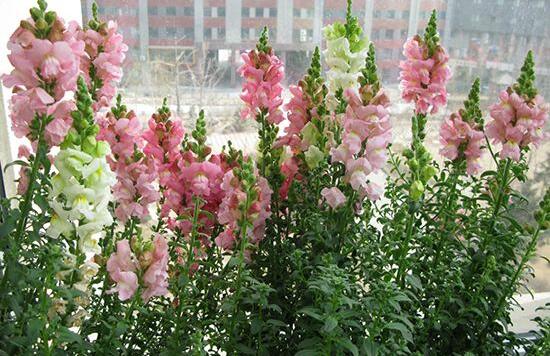
As an excellent choice for indoor cultivation, snapdragons can be said to have a very well-developed cultivation technique in our country; they can be propagated anywhere across the country and grown in all four seasons, so gardening friends who want to propagate snapdragons can rest assured. As for how to propagate snapdragons, there are mainly two methods, cuttings and seed sowing; let us continue reading for the specific steps.
(1) Snapdragon cutting propagation method
① Cutting time: spring and autumn
Unlike the cutting propagation of other flowers, snapdragons can be propagated by cuttings in all four seasons. However, to improve the survival rate, it is best to do it in spring and autumn; with a greenhouse or sunroom, it can also be done in winter.
② Selection of cuttings
In snapdragon cutting propagation, the selection of cuttings is especially key: choose well, and more than half of the whole propagation is already successful. When the snapdragon grows to about 9 cm with 8-10 true leaves, pinch out the growing tip. When pinching, leave the lower 4-6 true leaves, remove the tender top portion with 4 true leaves, and it can be used as a cutting for propagation.
③ Substrate preparation
Before propagating snapdragons by cuttings, besides timing and cuttings, the substrate also has requirements. At this point, gardening friends can mix two parts sandy loam with one part plant ash, stir thoroughly, and sift through a fine sieve. Rinse the seedling box or shallow seedling pot clean with water, then add the coarse soil from sifting to about 2/3 of the height, spread about 2 cm of fine soil on top, and spray water appropriately.
④ Cutting method
When cutting, use a thin bamboo stick about 3 mm in diameter to make holes in the substrate in advance; make a hole and insert the cutting as you go, and gently press the soil around the base of the cutting with two fingers. The cutting density is about 2.5 cm x 3 cm, and it is best if the leaves of the cuttings touch but do not overlap. After spraying enough water, place it in a cool place for care.
⑤ Care after cutting
Once the above steps are completed, snapdragon cutting propagation is basically successful, but care after cutting cannot be neglected either. After cutting, spray water on the pot soil and cuttings about twice a day, morning and evening, to keep the pot soil moist. On cloudy days, generally no watering is needed; if the pot soil turns white, water appropriately.
In the cultivation methods for snapdragons, we know that their optimal growing temperature is 15-20°C, so after cutting, place them at this temperature, and they will generally root in about ten days; after rooting, once the seedlings resume growth, they can be transplanted. That is the entire snapdragon cutting propagation method; have you gardening friends learned it?
(2) Snapdragon seed propagation
Snapdragons have brilliant flower colors, good ornamental value, and strong medicinal value. Besides cutting propagation, they can also be propagated by sowing seeds. It is worth mentioning that snapdragon seed propagation can be further divided into seedbed sowing and plug tray sowing; let us take a look at the specific methods together.
Sowing time: spring and autumn
Snapdragons can be sown in either spring or autumn. Generally, in the Yangtze River basin, autumn sowing is mostly used, and in northern regions, pot sowing is also mostly done in autumn; autumn-sown seedlings grow more robustly than spring-sown seedlings.
1. Seedbed sowing
① Soil. Seedbed sowing is one of the seed propagation methods for snapdragons, and it has high soil requirements. Gardening friends should choose sandy loam with a loose structure, low groundwater level, good drainage, and rich organic matter. The seedbed requires fine soil particles and a level surface.
② Disinfection. To prevent pests and diseases, turn and sun-dry the sowing area 2-3 times about 25 days before sowing, and disinfect the soil with carbofuran before sowing.
③ Watering. When sowing, water the seedbed thoroughly, mix the seeds with fine sand at 1:4, sow evenly over the seedbed, and cover with a thin layer of plant ash after sowing. After watering, cover with a 50% shade net; never expose to blazing sun. Seedlings can be transplanted 5-6 weeks after emergence.
2. Plug tray sowing
Plug tray sowing is also one of the seed propagation methods for snapdragons, and at this time the disinfection of seeds and medium is very important. Before sowing, soak the seeds in a potassium permanganate solution at a concentration of about 0.5% for 1-2 hours. Add 150-200 g of thiophanate-methyl powder per cubic meter of medium (about 20 bags), stir 2-3 times so the medicine and medium mix thoroughly, then stir while spraying water, adjusting until the medium is "holds together when squeezed, but crumbles when released", cover with plastic film and pile for 8-10 hours, then fill into plug trays.
Each plug tray can sow 200 seeds, placing one seed per cell; after sowing, gently press with your hand so the seeds adhere to the medium, then spray thoroughly with a sprayer and cover with newspaper or plastic film. If the seedling facility can control dryness, moisture, and temperature, then covering is not necessary. Keep the newspaper moist for a long time, and uncover the newspaper after the seeds germinate.
Flowers suitable for spring sowing
The whole year's work depends on a good start in spring. Some gardening friends do not know which flowers are suitable for spring sowing, so below is a list of some flowers that can be sown, with the sowing temperatures and some small sowing methods. Some flowers can be sown in spring or autumn, and some can be sown in all four seasons; gardening friends can use this as a sowing reference.Marigold: spring and summer, 15-25, 10-30°C. Seeds can be soaked in water for 6-8 hours before sowing, cover with 1 cm of soil. Soaking the flowers and leaves in water and drinking it has the effects of clearing heat and resolving phlegm, and nourishing blood and promoting menstruation!
Zinnia: spring, 18-25, 10-28°C. Drought-tolerant, likes light and is fairly shade-tolerant, easy to manage. Can be sown in early spring when temperatures are above 10°C, cover with 1.5 cm of soil. Zinnias can also be propagated by cuttings from side branches in summer, but because temperatures are too high and there are many showers, attention should be paid to protection and shading.
China aster: spring and autumn, 10-25°C, 15-20, direct sowing is suitable in pots without repotting, give full light. Cover with 0.3-0.5 cm of soil when sowing.
Cockscomb: spring and summer, 10-30°C, 15-25, cover with 0.5 cm of soil. Likes hot environments with dry air, not cold-tolerant
Daisy: spring, summer, and autumn, 15-25, 10-25°C, can endure -4°C, give full light when sowing in spring. Overwinter indoors in the north. The seeds are light-loving, so no soil cover is needed after sowing; keep the soil moist.
French marigold: spring and summer, 15-25, 10-30°C, cover lightly with about 0.3 cm of soil; blooms 40-60 days after sowing
Coleus: mostly spring, summer, and autumn, 15-25, 15-30, also known as wild basil, cover with a thin layer of 0.2-0.3 cm of soil, keep moist! Germinates in 10-15 days. Likes shade and is also cold-tolerant.
Geranium: mostly spring and autumn, 15-25, 10-25°C, cover with 0.5-1 cm of soil when sowing. Geranium, with dense leaves and evergreen through the four seasons, blooms continuously from October to June of the following year, with the peak blooming period from April to June. Geraniums are suitable for sowing from late winter to early spring, with the flowering period running through the entire summer. If sown in late summer, keeping the overwintering temperature above 5°C allows them to bloom in spring.
Persian buttercup: mostly August-November, 15-20, 15-25. Likes cool and semi-shaded environments, but avoid direct sunlight exposure; potted plants at home can be placed in a semi-shaded spot on the windowsill.
Madagascar periwinkle: (mostly) spring and summer, 15-25, 10-30°C, also known as Catharanthus roseus, cover with 0.5 cm of soil. Madagascar periwinkle is a fairly heat-tolerant flower and can still grow normally at temperatures of 35-37°C
Calendula: early spring and autumn, 12-22°C, 10-25°C, cover with 0.3 cm of soil when sowing. Seedlings can withstand low temperatures of -9°C in winter, while adult plants are best at 0°C. Overwinter indoors in winter,
Camellia impatiens: spring and summer, 15-25, 10-30°C, cover with about 0.5 cm-1 cm of soil when sowing, keep moist.
Garden balsam: spring and summer, 15-25, 10-30°C, cover with about 0.5 cm-1 cm of soil when sowing, keep moist.
Moss rose: spring, summer, and autumn, 15-25, 10-32, also known as sun rose, purslane, commonly called "deathless." Cover with 0.2-0.3 cm of soil. Petunia: can be sown in all four seasons, 20-24, 10-25°C; after sowing, no soil cover is needed, just press lightly, keep moist. (Raise seedlings indoors in winter)
Dahlia: spring, 15-25, 10-25°C, cover with 1.5 cm of soil (tubers can be harvested in autumn, stored in winter at 3-5°C, and one tuber planted per plant in spring)
Snapdragon: (mostly) can be sown in all four seasons, 15-20, 10-25°C, sow and cover with 0.3 cm of soil, (raise seedlings indoors in winter) cold-tolerant but not heat-tolerant, likes sun and also tolerates semi-shade.
Cineraria: (mostly) can be sown from April to October, 15-20, 10-25°C, cover with 0.2-0.3 cm of soil; after sowing, place the sowing pot in a cool and ventilated environment.
Lawn flower: can be sown in all four seasons, 8-25°C, 5-35, cover with 0.2-0.3 cm of soil, easy to plant, flowers in all four seasons.
Five-inch dianthus: (mostly) spring and autumn, 10-25°C, 10-30°C, cover with 0.5-0.8 cm of soil, cold-tolerant but averse to severe heat.
California poppy: spring, summer, and autumn, 15-20, 10-25°C, aliases: California poppy, ornamental poppy. Cover with 0.5 cm of soil; when sowing in summer and autumn, seedlings need appropriate shading
Salvia: (mostly) spring and summer, 20-26, 15-30, difficult to germinate below 15°C; before sowing, soak the seeds in water for 12 hours, then sow, covering the seeds with 1 cm of soil.
Scarlet sage: (mostly) spring and summer, 20-26, 15-30, difficult to germinate below 15°C; before sowing, soak the seeds in water for 12 hours, then sow, covering the seeds with 1 cm of soil.
Ground-cover chrysanthemum: mostly spring and autumn, 15-20, 10-25°C, alias: thousand-head chrysanthemum. Cover with 0.2-0.3 cm of soil. Blooms especially abundantly. Cover with 0.3 cm of soil when sowing; plant once and flowers do not decline for 3-5 years. Heat-tolerant and cold-tolerant.
Ornamental kale: spring, summer, and autumn, 15-20, 8-25°C, alias: feather-leaf cabbage, likes cool and mild climates, cold-tolerant and frost-tolerant. Cover with 0.5 cm of soil when sowing. When raising seedlings in summer, shade netting can be used for cover; when raising seedlings in winter, pay attention to keeping warm.
Dianthus: mostly can be sown in all four seasons, 10-25°C, 5-32, cover with 0.5 cm of soil when sowing, evergreen in all four seasons, flowers in three seasons, can withstand low temperatures of -40°C, strong vitality, easy to plant
Globe amaranth: spring, 15-22, 10-25°C, before sowing, soak the seeds in warm water for 12 hours or in cold water for 24 hours, then squeeze out the water, sow when slightly dry, cover with 1 cm of soil; the suitable sowing temperature is around 20°C, which gives better germination.
Sweet sultan: August-December, 15-20, 10-28°C, suitable for sowing in autumn and winter, cover with about 0.2 cm of soil, water to keep moist, germinates in about 15 days. Best sown directly, cold-tolerant, likes sunny, fertile, sandy soil. Fragrant, with a long flowering period. Can self-sow and multiply.
Double-flowered sunflower: can be sown in all four seasons, 15-25, 10-30°C, cover with 1 cm of soil, a light-loving flower. (Raise seedlings indoors in winter)
Dwarf sunflower: can be sown in all four seasons, 15-25, 10-30°C, cover with 1 cm of soil, a light-loving flower. (Raise seedlings indoors in winter)
Carnation: mostly spring, autumn, and winter, 15-20, 15-25, alias sweet william, evergreen plant. Cover with 0.5 cm of soil
Sweet alyssum: mostly spring and autumn, 15-20, 10-25°C, cover with 0.3-0.5 cm of soil, likes cool conditions, averse to heat; before the hot summer, prune back heavily and place in a cool spot to pass the summer, then it blooms even more abundantly after autumn.
Verbena: mostly spring and autumn, 15-20, 10-25°C, soak the seeds in water for 12 hours, place at 5°C for 10 days before sowing, cover with 0.5-0.8 cm of soil
Cosmos: February-August, 15-25, 10-30°C, cover with 0.5 cm of soil, easy to plant, many flower colors, strong self-sowing ability, sow once and have flowers for many years.
Black-eyed Susan: spring, summer, and autumn, 15-25, 10-32, cover with 0.3 cm of soil when sowing, cold-tolerant and drought-tolerant
Ageratum: (mostly) spring, 15-25, 10-25°C, cover with 0.3 cm of soil when sowing. Ageratum has strong adaptability and is not picky about soil.
Amaranthus tricolor: sow from April to July, 15-25, 10-28°C, cover with 0.2-0.3 cm of soil when sowing, shade from light when sowing. It can also be sown and raised in a hotbed in late March. The plant likes sunlight when growing, is drought-tolerant, and not cold-tolerant. It is not strict about soil.
Coreopsis: mostly spring, summer, and autumn, 15-22, 10-25°C, cover with 0.2-0.3 cm of soil when sowing. Coreopsis is cold-tolerant and drought-tolerant, and not strict about soil. Coreopsis is easy to cultivate and can often self-propagate. In the north, it can overwinter safely in the open ground. When sowing in summer and autumn, pay attention to using shade netting to keep moist and cool.
Corn poppy: late autumn and early winter, 15-20, 10-25°C, ornamental poppy. Sow and cover with 0.3 cm of soil, keep moist; after sowing, cover with film, and remove the film after germination. In cold regions, it can also be sown in early spring.
Lisianthus: January-March, September-October, 15-20, 12-25°C, alias: prairie gentian; after sowing, do not cover with soil, just press lightly, but be careful to keep the surface soil moist and avoid the seeds drying out. The plant likes warmth, moisture, and plenty of sunlight, is fairly cold-tolerant, not tolerant of waterlogging, and can grow well under dry and hot climate conditions.
Gloxinia: mostly spring and autumn, 18-25, 15-25. (The seeds are very tiny) Do not cover with soil. Water using the bottom-watering method.
Cyclamen: mostly autumn, winter, and spring, 18-22, 15-25. Soak the seeds in 45°C warm water for 24 hours before sowing. Cover with 0.6-1 cm of soil, germinates in about 30 days
Monkey flower: mostly autumn, 15-25, 10-25°C. Can withstand low temperatures of 2°C in winter. The seeds are tiny, no soil cover needed.
Pocketbook plant: mostly autumn, 15-20, 8-25°C. Cover with 0.2 cm of soil or do not cover.
Wax begonia: mostly spring and autumn, 15-20, 10-30°C. (The seeds are very tiny) Likes semi-shaded environments, long flowering period, flowers in all four seasons. For summer survival, it must be placed in a ventilated, cool, semi-shaded spot.
Phlox: spring and autumn, 15-20, 10-25°C. The seeds are tiny, cover lightly with soil.
Tuberous begonia: mostly spring, 5-20°C, 10-25°C. (The seeds are very tiny)
Godetia: autumn, 15-25, 10-25°C. Afraid of both cold and severe heat; grows luxuriantly in warm, moist environments. Keep the soil moist during the growing period. Sow in autumn; in warm climate regions it can be sown in the open ground, while in cold regions it can be bred in a greenhouse and transplanted in April.
Stock: mostly February-October, 18-25, 10-25°C. Cover with 0.5 cm of soil when sowing. Sow directly into a suitable pot. A taproot plant, not tolerant of transplanting; when repotting, bring the original root ball, do not let the ball break apart, and try not to damage the roots. Can withstand brief low temperatures of -5°C.
Mimosa: mostly spring and autumn, 15-25, 10-30°C, cover with 1 cm of soil, afraid of frost (raise seedlings indoors in winter, and overwinter the mature plants indoors)
Trollius: mostly spring, autumn, and winter, 15-20, 12-25°C, cover with 1 cm of soil, (raise seedlings indoors in winter)
Blanket flower: mostly spring, 18-22, 20-30, cover with 0.8 cm of soil, strong vitality, heat-tolerant, drought-tolerant!
Asparagus fern: mostly can be sown in all four seasons, 15-25, October 25. Soak the seeds in water for two days before sowing, cover with 0.8 cm of soil, germinates in about 40 days.
Cactus: mostly spring, summer, and autumn, 25-30, May 30. Cover with 0.2-0.3 cm of soil
Gazania: mostly spring and autumn, 15-22, October 25. Cover with 0.8 cm of soil
Balloon flower: mostly spring, autumn, and winter, 15-20, October 28. Cover with 1.5 cm of soil; soak the seeds in water for 24 hours before sowing
Spider flower: early spring and summer, 20-30, 15-30, cover with 0.5-0.8 cm of soil, give full light during the seedling stage. Sow directly without repotting
Bee plant: spring and autumn, 15-25, May 25. Autumn sowing needs to be done indoors; early spring can be direct-sown in the open ground.
Sage: mostly spring and autumn, 20-25, 15-30. Soak the seeds in water for 24 hours, cover with 0.5 cm of soil when sowing
Pyrethrum: mostly spring, autumn, and winter, 18-22, 15-30. Best suited to autumn sowing, cover with 0.3 cm of soil
Plumed cockscomb: spring and autumn, 20-30, October 30. Cover with 0.2-0.3 cm of soil
Pansy: mostly spring and autumn, 15-20, May 21. Cover with 0.6 cm of soil; seeds do not germinate above 20°C
Strawberry: mostly autumn and winter, 20-25, 15-25. Cover with 0.3 cm of soil
Lavender: mostly spring and autumn, 15-20, 15-30. Cover with 0.3 cm of soil
Orange jasmine: spring and summer, 15-20, December 25. Alias: nine-layer fragrance. Cover with 0.3-0.5 cm of soil
Mosquito-repellent vanilla grass: spring, 15-25, October 25. Cover with 0.2-0.3 cm of soil
Pearl muskmelon: spring, 18-25, 15-30. Cover with 0.5-0.8 cm of soil; can be grown as a hanging ornamental.
Chinese fenugreek: spring, 15-25, 15-30. Alias: fenugreek; cover with 0.8 cm-1 cm of soil. Strong fragrance
Hyssop: mostly spring and autumn, 15-25, 18-35. Cover with 0.3-0.5 cm of soil, strong cold resistance, can overwinter naturally in northern regions.
Savory: mostly can be sown in all four seasons, 15-20, 20-30. Cover with 0.2-0.3 cm of soil
Scented marigold: spring and autumn, 15-20, October 30. Cover with 0.3 cm of soil. Semi-cold-tolerant.
Evening primrose: mostly spring and autumn, 15-25, October 30. Alias: evening primrose. Cover with 0.5-0.8 cm of soil.
Sweet pea: September-December, October 20, May 20. Soak the seeds in water for 28 hours before sowing, cover with 1 cm of soil, averse to severe heat, slightly cold-tolerant.
Bottle gourd: spring, 15-25, October 30. Soak the seeds in water for 4-6 hours before sowing, cover with 1 cm of soil
Dancing grass: mostly can be sown in all four seasons, 20-28, 15-30. Gently rub the waxy outer layer of the seeds with dry fine sand to slightly break the seed coat, then soak the seeds in warm water for 48 hours before sowing, cover with 0.3 cm of soil
Ornamental pepper: mostly can be sown in all four seasons, 15-35, 15-38. Cover with 0.3-0.5 cm of soil
Ornamental eggplant: can be sown in all four seasons, 15-22, 15-25. Cover with 0.3-0.5 cm of soil
Cherry tomato: can be sown in all four seasons, 20-30, 15-30. Also known as: cherry tomato. Cover with 0.3-0.5 cm of soil (raise seedlings indoors in winter)
Five-angle eggplant: mostly February-June, 20-30, 20-30. Also known as: five generations under one roof. Can bloom in all four seasons, with purple petals and golden yellow color, and five nipple-like or finger-like protrusions; the shape is peculiar and lovely, and it does not change color or shrink for a long time.
Toy pumpkin: spring, summer, and autumn, 20-30, 15-30. Cover with 1.5-2 cm of soil. When sowing in summer, seedlings need attention to shading to prevent sun exposure.
Five-color pepper: spring (can be sown indoors in all four seasons), 15-25, 12-35. Cover with 1 cm of soil
Ornamental winter cherry: mostly spring and autumn, 20-30, 15-35. Cover with 0.5 cm of soil. Blooms multiple times a year; the main ornamental part is the deep orange-red spherical berry!
Potted tomato: can be sown in all four seasons, 20-30, 15-30. Cover with 0.3-0.5 cm of soil (raise seedlings indoors in winter)
Hollyhock: mostly spring and autumn, 15-25, 15-30. Cover with 1.5 cm of soil
Lupine: mostly spring and autumn, 15-20, 15-25. Alias: lupine; sown in January or February, it can bloom the same year. Cover with 0.5-0.8 cm of soil.
Four o'clock flower: mostly spring, October 30, October 30. Cover with 1.5 cm of soil. Tolerates semi-shade
Kochia: spring, 15-25, October 30. Cover with 0.3 cm of soil
Feverfew: mostly spring and autumn, 15-25, 18-35. Alias: button chrysanthemum. Cover with 0.2 cm of soil. White flowers with a chrysanthemum fragrance, long flowering period.
Statice: spring, summer, and autumn, 15-25, October 30. Alias: sea lavender. Can withstand low temperatures of minus 8-15°C in winter, and can grow at 35-38°C for long periods in summer. Cover with 0.3 cm of soil
Forget-me-not: mostly can be sown in all four seasons within 18°C, 20-22, May 25. Alias: everlasting flower. Cover with 0.5 cm of soil, sow directly, better not to transplant seedlings. Cold-tolerant. Likes cool climates and semi-shaded environments
Baby's breath: mostly spring and autumn, 15-25, October 25. Cover with 0.2 cm of soil, best to sow directly without repotting. Cold-tolerant, blooms continuously for a year above 5°C. Evergreen
Larkspur, spring and autumn, around 15°C, 15-25, alias: Qianniao grass. (Seedlings overwinter indoors)
Canterbury bells, biennial, spring and autumn, 15-20, 15-25, cover with 0.5 cm of soil. Cold-hardy
Penstemon, perennial, spring and autumn, 15-20, October 28, cover with 0.3 cm of soil. (Seedlings overwinter indoors)
Moluccella laevis, spring, summer and autumn, 15-25, 20-30, alias: collar flower. Cover with 0.5-0.8 cm of soil.
Liatris, perennial, spring and autumn, 15-20, 15-25, cover with 1 cm of soil.
Cypress vine, spring and summer, 20-30, 15-30, cover with 1.5 cm of soil, strong self-seeding ability.
Multicolored morning glory, spring and summer, 20-25, 15-35, cover with 1 cm of soil, easy to grow
Crape myrtle, perennial, spring, 18-22, 18-35, cover with 1 cm of soil.
Foxglove, perennial, spring, summer and autumn, 18-22, 15-28, cover with 0.5 cm of soil. Cold-hardy, tolerates partial shade
Columbine, perennial, spring and autumn, 15-20, 25-30, cover with 0.5 cm of soil. Tolerates partial shade, cold-hardy, can overwinter outdoors in the north. Blooms the following year.
Dragon fruit, perennial, can be sown in all four seasons, October 25, 5-35, cover with 0.3 cm of soil. Evergreen, heat-tolerant, overwinters indoors in the north in winter. Can absorb computer radiation, works as a small desktop bonsai
Strawberry corn, early spring to July, 15-25, October 30, cover with 0.8-1 cm of soil. The fruits are petite and cute, deep red in color, can be used as ornamental crafts, and are also edible.
Mallow, perennial, spring and autumn, 15-25, 10-30°C, alias: Qiankui. Cover with 0.5-0.8 cm of soil, cold-hardy, drought-tolerant
Flying saucer squash, spring, summer and autumn, 20-30, 15-30, cover with 1.5-2 cm of soil. When sown in summer, seedlings need shade to prevent sunscald. A vine-less ornamental squash.
Bowl lotus, perennial, March to July, nick the seed shell before sowing, ask the shop owner for detailed planting illustrations
Torenia, spring (autumn sowing possible in Guangdong, Guangxi, Hainan); 20-30°C. Torenia likes sunlight, is not cold-hardy, and is fairly heat-tolerant. Because the seeds are tiny, you can mix in some fine sand when sowing; after sowing, covering with soil is optional, but you must cover with plastic film to retain moisture, and water by the soaking method after sowing. Germination takes about 15 days; after seedlings emerge, remove the film and place them in a spot with plenty of light and good ventilation. When they have 5 true leaves or the plant height has reached 10 cm, they can be transplanted. During cultivation, place them in a spot with ample light; to keep the flower colors vivid, apply organic fertilizer as a base fertilizer before planting.
Thai small scallion, can be sown in all four seasons, 15-25, cover with 0.5 cm of soil. Heat-tolerant and cold-tolerant, can be harvested continuously after more than 40 days. Above 33°C, low-temperature germination pretreatment is needed before sowing; below 10°C, protective sowing is needed.
Cherry radish, can be sown in all four seasons, highly heat-tolerant, fast-growing, round fruits 3-4 cm in diameter, bright red and glossy skin, snow-white flesh.
Cucumber, spring, autumn and winter, start seedlings indoors in winter
Four-season baby bok choy, can be sown in all four seasons
Aubrieta can be sown in both spring and autumn, germination temperature 15-20°C, germinates in 7-14 days, blooms 3 months after spring sowing. Sun-loving, drought-tolerant, tolerates low temperatures down to minus 15°C.
Lobelia is suitable for autumn sowing. When sowing, you can mix in some fine sand before sowing; no soil cover is needed. Water with a fine-holed watering can, and never use too much force, to prevent the seeds from washing away. The seeds can germinate 20 days after sowing at 22°C, and grow better at 12-15°C. They can bloom 14-15 weeks after sowing. Sow directly, or raise seedlings first and transplant into pots or flower beds when they have 6-8 true leaves; when they have 6-8 true leaves, transplant into pots or flower beds for cultivation; during the seedling stage, pay attention to loosening the soil and weeding. After planting, apply 1 application of diluted human waste; after the summer harvest, apply 1 additional application of livestock manure or ammonium sulfate, urea, etc.; in winter, apply rotted fertilizer or compost. In dry seasons, irrigate and keep the soil moist at all times to promote growth. At the same time as planting, add a slow-release fertilizer, and then apply additional fertilizer about every three weeks. Especially before the flowering period, supplement with a relatively large amount of phosphorus fertilizer to promote flowering. It needs long daylight and low temperatures to bloom. Its cold hardiness is not strong; it dislikes intense heat and likes loose soil rich in humus.