How to propagate potted banana shrubs? Cuttings are the most practical propagation method
Gardeners are probably familiar with the banana shrub (Michelia figo). Its flowers are pleasing in color and rich in form, and it is not only highly ornamental but also has beauty and medicinal benefits. During cultivation, if you want to turn one pot of banana shrub into many pots, it is very necessary to master the propagation methods of the banana shrub. So how do you propagate a banana shrub? Simply put, there are three methods: cuttings, air layering and grafting. Follow along as we take a detailed look.
1. How to propagate a banana shrub: cuttings/air layering/grafting
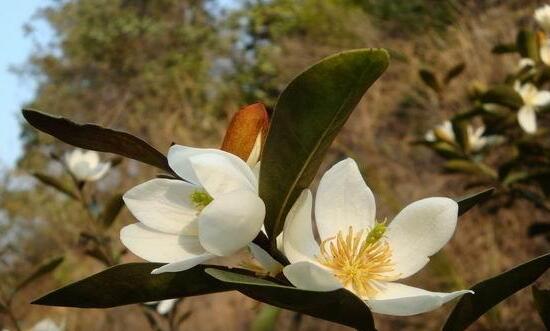
In daily care, although mastering the cultivation methods of the banana shrub is enough, if you want better ornamental value, the best approach is to propagate more banana shrubs. As for how to propagate a banana shrub, generally speaking there are three common methods: cuttings, air layering and grafting, among which cuttings are the most commonly used. For the specific steps, let us continue reading below.
2. Propagation methods for potted banana shrubs
Cutting propagation, air layering propagation, grafting propagation
(1) Cutting propagation method for banana shrubs
When it comes to how to propagate a banana shrub, gardeners will first think of cuttings, since they are simple and convenient to carry out. In the cutting propagation of banana shrubs, there are two points everyone must pay attention to: the cuttings and the soil. If these are chosen well, the whole cutting propagation can be 90% successful. The specific steps are as follows:
1. Cutting time
According to gardeners' practical experience, there are two choices for cutting time: 1 is in early March in spring, and 2 is from late July to early September. At this time the banana shrub is in its growing period, and the plant's branches are very vigorous.
2. Soil selection
Whether for cultivation or propagation, soil selection is very important. According to the growth habits of the banana shrub, we should choose loose, fertile, well-aerated, slightly acidic soil. If conditions permit, some perlite can also be added to the soil.
3. Cutting selection
In the entire cutting propagation process of the banana shrub, the selection of cuttings is the most important. Gardeners should choose relatively robust branches as cuttings, and besides that they must not have suffered from pests or diseases. As for length, cut them neither too long nor too short, and it is best to retain 3 to 8 leaves.
4. Starting the cuttings
With the above preparation done, the cutting propagation of the banana shrub officially begins: carefully insert the cuttings into the prepared soil, and do not break the branches. In addition, the insertion depth must not be too shallow, as this will make them unstable; nor should they be inserted too deep, as this is also not good.
5. Post-cutting management
Although after the above steps the cutting propagation of the banana shrub is basically finished, post-cutting management also cannot be ignored. Everyone should place it in a moist environment with appropriate shade and an appropriate temperature (around 20°C). It will root in about 2 to 3 months, and can then be transplanted in the following spring.
(2) Air layering propagation method for banana shrubs
Time: April
Method: Select well-developed, robust 2-year-old branches. Then make a 0.5 cm girdling cut at an appropriate position on the branch, apply moist moss to the girdled area, and finally wrap the outside with plastic film, tying it tightly at the top and bottom. After 2 months it will root. Once the new roots have fully developed, cut it off and pot it for cultivation, and the entire air layering propagation is complete.
(3) Grafting propagation method for banana shrubs
Time: May to June
Method: Use magnolia as the rootstock; after it survives it can grow quickly. When grafting banana shrubs, if the roots are thick and fleshy, it means it does not tolerate transplanting, so this method should not be used at that time. But if you must transplant it, then bring more soil balls, and pruning and shaping of the plant are best done before overwintering. This method is not commonly used in the industry, so it is enough for everyone to understand it.
Is the banana shrub poisonous? How to grow a potted banana shrub
Many people like to grow banana shrubs indoors, but many gardeners worry that the banana shrub is poisonous. Next, Xiao Qi will tell everyone about whether the banana shrub is poisonous and how to grow a banana shrub at home. Let's learn together.
1. Is the banana shrub poisonous?
The banana shrub contains abundant nutrients and special active ingredients, and has a very good antioxidant effect. It can help the human body delay aging, help people relax their nerves, and help calm the body and mind, lift the spirits, stimulate vitality and eliminate fatigue. The banana shrub also contains diuretic components, which can help promote the excretion of toxins from the body, thereby increasing metabolism, and has the effects of cooling the blood and detoxifying, nourishing the skin and improving appearance, and calming the mind and relieving depression. It not only has an ornamental effect, but also has certain medicinal value and beauty and health benefits. It is a plant that is very good for the human body.
Banana shrub herbal tea has an antioxidant effect. It can not only make people feel pleasant and lift the spirits, but also has the effects of promoting blood circulation and regulating menstruation, nourishing the skin and improving appearance, calming the mind and reducing stress, slimming and shaping the body, and strengthening health, and can even delay human aging. Therefore, the banana shrub is non-toxic, and there is no problem placing it indoors. Even if there is a pregnant woman at home, the banana shrub can still be grown.
2. How to grow a banana shrub
1. Propagation method: The banana shrub can be propagated by cuttings, air layering and grafting. Cuttings are generally taken from July to September, and sandy soil is the best choice of soil. A shaded and moist environment is best. It can take root after two to three months, and can then be planted.
2. Watering: The growth of every plant is inseparable from water, and the banana shrub is the same. It needs to grow in a moist environment. It should not be watered too much; if there is too much water, it will cause the roots of the banana shrub to rot, especially in rainy seasons when its humidity must be controlled. During the growing period and the flowering period, it should be watered every day. In relatively hot weather, some water can be sprayed on the leaves to maintain the plant's humidity.
3. Fertilizing: The banana shrub is suited to growing in a shaded environment, and especially must not be exposed to strong direct sunlight. When fertilizing the banana shrub, it is best to use decomposed cake fertilizer or bone meal mixed with water, as this works better. The banana shrub generally grows from April to September, and it is best to fertilize once every half month. After flowering, it is best not to fertilize.
4. Pruning: When growing a banana shrub, it is best not to prune it frequently, as this is very unfavorable to it. After flowering, the banana shrub can be pruned, especially diseased and weak branches and overlapping branches, which can be cut to reduce nutrient consumption. When growing a banana shrub, also be careful to place it in a ventilated place so that it can absorb fresh air. If it is not ventilated, it will cause some pest and disease damage. In particular, places with coal stoves and similar things are not suitable for growing banana shrubs, because this will produce a lot of carbon monoxide, which is very harmful to growing banana shrubs.
The above isIs the banana shrub poisonous?andHow to grow a banana shrubNow that the introduction is done, after reading it gardeners can grow banana shrubs with peace of mind. During home cultivation, pay attention to ventilation.
Banana shrub Michelia figo Banana shrub guide: how to grow banana shrub / how to propagate banana shrub
Banana shrub profileBanana shrub Michelia figo
Cultivation methods and precautions for banana shrub Introduction to banana shrub
The banana shrub is a famous fragrant flowering tree. Its buds are as smooth as jade, its fragrance is as subtle as an orchid, it is lovely in the sun and charming in the wind, with green leaves and pure blossoms, and elegant branches. When in full bloom, displayed indoors, its fragrance fills the room; it is an ornamental plant with both beautiful flowers and leaves. In our country, the banana shrub has always been a flowering ornamental plant familiar to and loved by many.
In our country, the banana shrub has been a fragrant flowering plant familiar to and loved by many since ancient times, because its scent is rich and long-lasting yet not heavy or cloying. It is also an excellent natural spice, from which fragrant oil can be pressed and extracted, and its flowers can also be picked and used as a spice added when making tea. There are nearly about 50 species of plants in the genus Michelia. They are relatively intolerant of cold, so they are mostly distributed in the tropical, subtropical and temperate geographic regions of Asia, and as many as more than 30 species are native to our country. They are mainly produced in the hilly areas of southern provinces such as southern Jiangxi, Guangdong, Fujian and the Taiwan area. Wild forms are mostly mixed in the broad-leaved forests of the south. At present, they are planted throughout Taiwan, China, but are mostly concentrated in Taoyuan, Changhua, Puli and Tainan, mainly sold as potted plants, followed by garden landscaping. In horticultural use, small banana shrub bushes 2 to 3 m tall are mainly planted as plants for viewing and giving off fragrance in gardens. When the flower buds swell and the outer bracts are about to split and fall off, the banana shrub flowers picked at that time have the strongest fragrance.
Morphological characteristics of the banana shrub
The branchlets are covered with brown hairs. It blooms in early summer, ivory yellow in color with a flush of red-purple, and when open it is often not fully open, like a smiling expression, with a banana-like scent.
Evergreen shrub, 2-3 m tall, bark grayish brown, with dense branches; buds, young branches, petioles and pedicels are all densely covered with yellow-brown tomentum. Leaves leathery, narrowly elliptic or obovate-elliptic, 4-10 cm long, 1.8-4.5 cm wide, apex obtuse and shortly pointed, base cuneate or broadly cuneate, glossy above and hairless, beneath with brown appressed hairs remaining on the midvein and otherwise glabrous, petiole 2-4 mm long, stipular scar reaching the apex of the petiole. Flowers erect, 12-20 mm long, 6-11 mm wide, pale yellow with the margins sometimes red or purple, with a sweet strong fragrance, tepals 6, fleshy, relatively thick, oblong, 12-20 mm long, 6-11 mm wide; stamens 7-8 mm long, connective extending into an acute tip, gynoecium hairless, about 7 mm long, exceeding the stamens; gynophore about 6 mm long, covered with pale yellow tomentum. Aggregate fruit 2-3.5 cm long; follicles ovoid or spherical, with a short pointed beak at the apex. Flowering period March to May, fruiting period July to August.
Cultivation methods for the banana shrub
Produced in southern our country. The banana shrub can be propagated by cuttings, air layering and grafting. The cutting method is suitable from late July to early September. You can take semi-hardwood branches or terminal buds about 15 cm long that have not yet sent out new shoots but retain 3 to 8 leaves, dip the base of the cuttings in rooting powder and insert them into sandy soil, then provide appropriate shade and keep the environment moist. They will root in about 2 to 3 months, and can then be transplanted the following spring. The air layering method is best carried out after flowering, that is, from April to May. If you choose robust branches from 2 to 3 year old plants for soil layering, they will root after 3 to 4 months. The grafting method, which is less commonly used in the industry, is suitable from May to June and often uses magnolia as the rootstock; after it survives it can grow quickly. Banana shrubs with thick, fleshy roots do not tolerate transplanting. If transplanting is truly necessary, more soil balls should be kept, and pruning and shaping of the plant are best done before overwintering.
Pest and disease control for the banana shrub
The banana shrub likes a warm, moist climate, should not be exposed to strong sun, and is not tolerant of severe cold. When planted in the ground, it should be placed in a spot with weak sunlight. For potted plants, use loose, fertile acidic soil; watering should follow the "water when dry" method (that is, the principle of "water only when dry, do not water if not dry, water thoroughly when dry"), and should not be excessive, so as to avoid root rot and death. Repot once every spring, and prune some overly dense small branches to maintain good ventilation and light transmission. After flowering, remove the fruit to keep growth strong and produce abundant flowers.
Banana shrubs often suffer from scale insect damage, which can also induce sooty mold. Scale insects can be removed with a small brush, or killed by spraying No. 20 petroleum emulsion diluted 150 times with water. Sooty mold can be controlled by wiping with clean water or spraying a carbendazim solution diluted 500 to 1000 times with water.
Medicinal or dietary therapeutic value of the banana shrub
The medical information and health dietary information on Huahua.com are for reference only and cannot be used as a basis for diagnosis or medical treatment. For any health problem, consult professional medical personnel, and for the treatment of any disease, please follow a doctor's advice.
Ultimate flower care mission: love yourself, start from reality, and strictly follow a doctor's advice. Toward illness, do not be careless, do not delay, do not give up hope; face it bravely, warm the silent world with love, and care for the flower field in your heart with your heart.
Medicinal value
Mostly growing in mixed forests on hillsides. According to records in medical books such as the Compendium of Materia Medica and scientific verification, natural plants and flowers not only please the eye with their brilliant colors, beautiful forms and fragrance, but also contain abundant nutrients, bioactive components and natural plant essences. The Runzetang functional herbal tea series has passed the argumentation and appraisal of the national industry association and domestic authoritative experts. It has extremely high drinking and health value. According to the different nutrients and medicinal effects contained in the flowers and plants, combined with the experts' many years of practical experience, natural flowers and plants with the same effects are organically combined, and according to flower color, flower shape, flower fragrance and variety, they are blended into a series of herbal teas with different beauty and health effects. Herbal tea not only can make people feel pleasant and lift the spirits, but also has the magical effects of promoting blood circulation and regulating menstruation, nourishing the skin and improving appearance, calming the mind and reducing stress, slimming and shaping the body, strengthening health and curing diseases and prolonging life. Regular drinking can also make the skin delicate, rosy, smooth, bright, glossy and elastic.
Functions and uses of the banana shrub
Beauty and health care
1. Plants such as flowers and herbs contain abundant nutrients and special active ingredients.
2. It has an antioxidant effect, thereby delaying the human aging process.
3. It can relax tense nerves, help calm the body and mind, remove tension, soothe irritable emotions, and restore physical and mental balance. It lifts the spirits, stimulates vitality and eliminates fatigue.
4. It contains diuretic components, which can promote the excretion of toxins from the body and improve metabolism.
5. It cools the blood and detoxifies, and nourishes the skin and improves appearance.
6. It has the effect of calming the mind and relieving depression.
Cultivation techniques for the banana shrub Placement scenarios
Banana shrub bonsai should be placed in a semi-shaded and moist location, avoiding strong direct sunlight, and attention should be paid to shading in summer. If the environment is dry and exposed to the sun, the leaf color is likely to turn yellow and wilt, and growth will be poor. In winter it should be moved indoors, or moved under a south-facing eaves.
Watering
Normally keep the pot soil moist, but it must never be too wet. Because its roots are mostly fleshy, too much watering or waterlogging in the pot after rain will cause root rot, so in rainy seasons attention should be paid to controlling humidity. During the growing period and before flowering it needs more water, and should be watered once a day. In hot summer weather, water should be applied to the leaf surface to maintain a certain air humidity. In autumn and winter, because sunshine is relatively short, watering once or twice a week is enough.
Fertilizing
The banana shrub likes fertilizer. It is mostly fertilized with decomposed cake fertilizer, bone meal, chicken and duck manure, and fish intestines and other composted fertilizers mixed with water. In the growing season (April to September), fertilize once every 15 days or so, and stop fertilizing during the flowering period and after October. If the leaf color is not bright and deep green, apply one application of a fertilizer solution.
Pruning
The banana shrub should not be pruned excessively. Normally, after flowering, prune the leggy branches, diseased and weak branches, and overly dense overlapping branches that affect the tree shape, and remove the fruit after flowering to reduce nutrient consumption. Before spring budding, appropriately thin out some old leaves to stimulate new branches and leaves.
Repotting
Repot once every 1 to 2 years, preferably before new leaves emerge each spring, or after flowering, and also in autumn. In combination with repotting, remove an appropriate portion of the compacted old soil, replace it with fertile, loose culture soil, cut off dead branches and overly long old roots, and place sufficient base fertilizer in the bottom of the pot.
Winter care of the banana shrub
In the north, potted banana shrubs need to overwinter indoors, and their care includes the following points.
1. Temperature: The lowest wintering temperature for the banana shrub should not be lower than 5°C. Once the temperature is lower than 5°C, the plant's normal physiological activities will be affected, the root's absorption capacity will weaken, and the plant's young branches and leaves will wilt. At the same time, the highest temperature must not exceed 15°C. If the temperature is too high, the plant will consume too many internal nutrients, which is unfavorable for the next year's growth. Therefore, in winter the banana shrub is best kept at a room temperature of 5°C to 15°C.
2. Humidity: The banana shrub likes a moist environment, and dry air is unfavorable to its growth. In winter, a relative humidity of above 65% is generally required. When the air is dry, a sprayer can be used to spray the ground and the plant's leaf surface to increase air humidity, but the temperature of the sprayed water should not differ too much from room temperature, and cold water must absolutely not be used.
3. Watering: The roots of the banana shrub are fleshy roots, so watering too much in winter will cause root rot or lead to pests and diseases. Generally, watering once a week is enough. Before watering, the water temperature, room temperature and soil temperature should all be almost the same. Watering should preferably be done at noon when the temperature is relatively high. It is not suitable to water in the early morning or evening when the temperature is lower, so as to avoid sudden temperature changes that freeze and damage the roots.
4. Ventilation: After the banana shrub is brought indoors around the time of Frost's Descent, keep the indoor air fresh. If ventilation is poor, it is easily harmed by pests such as aphids and scale insects. If it is placed in a greenhouse heated with coal in winter, large amounts of harmful gases such as carbon monoxide and sulfur dioxide will cause the plant to be poisoned. Therefore, on sunny and windless noons, open the windows for ventilation and light.
5. Fertilizing: Banana shrubs cultivated in the north are in a dormant or semi-dormant state in winter, and their fertilizer requirement is not large. An appropriate application of base fertilizer mainly consisting of organic fertilizer should be given to help the banana shrub bloom the following year.
Cultural background of the banana shrub
Chen Shan of the Song Dynasty, in Mending Louse New Talks: On Flowers and Trees of the South: "Among the flowers and trees of the south that the north does not have are jasmine, banana shrub, ylang-ylang, eagle's claw flower and the like... Banana shrubs come in large and small. Small banana shrubs have flowers in all four seasons, but they are most abundant in summer. There is also the purple banana shrub, whose fragrance is especially intense."
Sun Zhiwei of the Qing Dynasty, in the poem Longing to Return: "Going out the door I wish to turn into a cuckoo bird; arriving home I am still a banana shrub."
Chapter 3 of The Tale of the Bright Pearl: "The banana shrub is fit to paint and depict; the canna is fit to inscribe and chant."
Su Manshu, in The Crimson Yarn Record: "Waking at noon, I then again saw Fifth Aunt come in full formal dress to visit, and she gave me a banana shrub."
The Song Dynasty poet Deng Runfu wrote: "It has its own lovely charm, wanting to smile at people before the wind. Drop by drop the morning dew weeps, brimming with spring born at night." This describes the banana shrub's charming and moving lovely charm. It has both the banana shrub's own shy and graceful "smile" and the smile of people's admiration for the banana shrub, and is very full of feeling. Even when the banana shrub "weeps tears" it is delicate and touching. In the early morning it holds its buds and weeps dew, and at nightfall it is brimming with fragrance.
The Southern Song poet Yang Wanli wrote: "Since autumn came, the two smiles are fragrant again; how does the purple smile compare with the white smile? Only this flower cannot be stolen; where no one knows, it is naturally fragrant."
Banana Shrub - Shi Yisheng: A hundred paces of clear fragrance penetrate jade-like skin; the whole hall of white teeth turns bright brows. Where the lame guest pulls back the curtain to welcome me, it is the time of spring breeze and pride after shooting a pheasant. (Qian: pull open the curtain)
Li Gang of the Song Dynasty wrote a piece called Rhapsody on the Banana Shrub for the banana shrub that was transplanted to Hangzhou at that time as an imperial court ornament. This rhapsody leaves behind the historical trace of the banana shrub's move north, and also reflects one side of Song Gaozong Zhao Gou's craving for enjoyment and corrupt life: "Among the beautiful flowers and trees of the south, none is like the banana shrub. Green leaves and pure appearance, its fragrance is rich. This flower, having just received grace and entered favor, was valued highly for a time. The flower grows in the leaf axils, with six petals, fleshy with red or purple halos on the edges, and a banana scent during the flowering period. The flower is often like a lotus not yet opened, that is, not fully open and drooping. Leaning on carved railings it gathers color, passing through the mushroom pavilion it spreads fragrance; breaking into a smile, it covers all other flowers..."
Xue Ping's lyric "Banana Shrub": Meeting in a dream, I resent the haste. Drinking the morning dew, bathed in the lingering light, how much sorrow in the heart, condensed into rain of longing. The magpie does not know the two lean on each other, quietly speechless, standing on the branch tip. Infatuation moves the matchmaker to pity. Wearing white gauze, setting off a plain face, a song of eternal farewell, a beautiful tale passed down tonight. Borrowing your wisp of secluded fragrant soul, leaves bearing affection, flowers smiling.
The flower language of the banana shrub
Reserved, implicit, beautiful, solemn, pure, noble.
Because the banana shrub's flowers open but do not fully spread, as if smiling but not speaking, this characteristic largely represents the meaning of implicit suggestion of the Chinese people. Therefore, its flower language is: implicit and reserved.
Banana shrub pictures