How to deal with bugs on tulips? Use cigarettes mixed with soap to control pests and diseases
Tulip, a noble and beautiful flower, is not only the national flower of the Netherlands, but also deeply loved by flower enthusiasts around the world. However, due to improper care, many people's tulips get attacked by pests and diseases, so how do you deal with bugs on tulips? It is actually very simple, find out which pest or disease it is, and then solve it accordingly. The following is the pest and disease control for tulips, follow along with the editor to learn more.
I. How to deal with bugs on tulips, kill them with soap
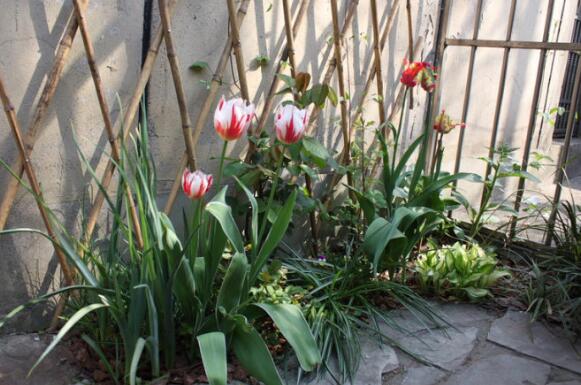
Tulips have a long flowering period and are highly ornamental flowers, so once they are infested by bugs, it will seriously affect their beauty. As for how to deal with bugs on tulips, it is actually not difficult, the following are several methods commonly used by netizens, you might as well try them out.
① Rinse with water, general bugs can be washed off; you can also buy insecticide or plant spray;
② You can also light some mosquito coils to fumigate for a while, the effect is also decent;
③ If you find buying medicine troublesome, you can spray soapy water directly on the bug's body, so it will suffocate and die;
④ You can pull the tobacco out of a cigarette, put it into soapy solution, shake it, pour it into a spray bottle, and spray it at the bugs and it's done! The reason is that cigarettes are very toxic to bugs, especially the cigarette butt.
⑤ If you want a better effect, you can mash garlic, ginger and chili, soak them in water for some time, and then mix with soapy water.
II. Pest and disease control for tulips
As the national flower of the Netherlands, tulips attract countless tourists to admire them every year. Once infested by diseases and pests, it will greatly affect their beauty. So everyone should understand the pest and disease control for tulips, specifically there are the following pests and diseases:
1. Sclerotium rot
This disease is one of the common pests and diseases of tulips, mainly harming seedlings and bulbs. Causes of sclerotium rot: when storing bulbs, injured or diseased bulbs were not removed; the room was not ventilated, and the temperature was not within 17°C-20°C.
Solution: Disinfect the soil before planting; if a plant is found to be diseased, immediately pull out the diseased plant, and spray the remaining plants with a 500-fold solution of zineb.
2. Mosaic virus
After being attacked by this virus, tulip leaves will show yellow stripes or granular spots, and dark spots will appear on the petals. Not only that, the mosaic virus will also reduce the quality of tulips, with flowers degenerating year by year and the flowering period being delayed.
3. Color-breaking virus
Another one of the pests and diseases of tulips. After contracting this virus, the affected leaves will show pale yellow or grayish-white stripes or irregular spots, sometimes forming a mosaic, and the petals will show pale yellow or white stripes or irregular spots, producing color-breaking flowers on red or purple varieties.
Solution: If thin, degenerated plants or severely diseased plants are found, they should be removed in time; after finding it is mosaic virus or color-breaking virus, you can spray a 1000-fold solution of 40% omethoate emulsifiable concentrate. To reduce the chance of aphids transmitting the virus, you can also spray a 2.5% derris extract 800-900-fold solution for control.
4. Rhizoglyphus echinopus (bulb mite)
This pest mainly appears in the soil or during storage, harming the tulip bulbs, thereby causing bulb rot, resulting in stunted plant growth, and yellowing and withering leaves. As for what to do when tulip leaves turn yellow, it has been introduced in detail earlier, so I will not say more here.
Solution: Spray a 1000-fold solution of 50% chlorobenzilate on the bulb part, or soak the infested bulbs in thin lime water for 10-15 minutes, take them out and rinse them clean, which can also effectively control this pest.
Pest and disease control for tulips
The flower language of tulips: universal love, consideration, elegance, wealth, capability, intelligence, kindness. Tulips are favored by many flower lovers. What pests and diseases are prone to occur during the growth of tulips, and how should they be controlled?
Preventing bulb rot
When cultivating tulips, bulb rot often occurs. The main reasons are: the dug-out bulbs were not dried, and soil carrying pathogens adhered to them; during storage the temperature was high and the humidity was high, suitable for pathogens to reproduce and spread, causing the bulbs to rot and become moldy; when cultivating, soil carrying pathogens (mostly Fusarium) and incompletely decomposed fertilizer were used, suffering damage from pathogens, causing bulb rot; the potting soil was clayey, plus excessive watering, causing water accumulation in the potting soil and causing the bulbs to rot from waterlogging; the bulbs were dug up too early, and the new bulbs did not grow plump, which also easily causes rot. The method to prevent bulb rot should adopt corresponding measures according to the above causative factors.
Pest and disease control
The main pests and diseases of tulips include rot disease, sclerotium disease, viral disease, thrips, aubergine net aphid and root lice, etc.
Sclerotium disease
After contracting the disease, slightly raised round spots of yellow or brown appear on the scales, and sclerotia are produced in the slightly concave parts inside. When the pathogen infects the stem, it produces long elliptical lesions, and sclerotia are produced at the soil surface. Control methods: first, disinfect the soil before planting; second, immediately pull out the diseased plants after the disease occurs, and spray a 500-fold solution of zineb.
Viral disease
Viral disease is one of the main reasons causing the degeneration of tulip germplasm. There are many viruses harming tulips, and two are common in China: mosaic virus and color-breaking virus. The mosaic virus causes the affected leaves to show yellow stripes or granular spots, and dark spots to appear on the petals; in severe cases the leaves rot, so attention should be paid to timely control of aphids and removal of weeds. The color-breaking virus causes the diseased leaves to show pale yellow or grayish-white stripes or irregular spots, sometimes forming a mosaic, and the petals to show pale yellow or white stripes or irregular spots, producing color-breaking flowers on red or purple varieties. Its control method is the same as for general viral diseases, but the planting site should be far away from lilies.
Rot disease
This disease mainly harms tulip bulbs and plants. After the bulb is infected, water-soaked brown spots begin to appear, after which the bulb becomes soft and rots. After the plant is infected, the leaf tips and leaf margins of the lower leaves fade, the stem turns purple, the stem base shrinks, and then the plant dies. Control methods: when storing bulbs, they must not be exposed to high temperature and high humidity, and attention should be paid to ventilation, avoiding continuous cropping. Diseased plants and diseased bulbs found should be disposed of in time. In the early stage of infection, promptly spray a 1000-fold solution of 70% thiophanate.
Root lice
In the soil they eat and harm the bulbs, drilling into the epidermis to suck sap, causing the plants to grow weak or to rot easily or inducing diseases. Soak the insect-carrying bulbs in thin lime water for 10 minutes, take them out and rinse them clean to kill the root lice.
The above are the symptoms and control methods of tulip pests and diseases.
Tulip pot cultivation methods and pest and disease control
How to cultivate potted tulips? Many flower lovers like to grow a pot of tulips at home, which not only decorates the home but is also pleasing to the eye. Tulips are suitable for open-field planting; the soil capacity in a flower pot is limited and often cannot meet the growth needs of tulips. Therefore, when potting tulips, variety selection, substrate preparation, planting methods, and post-planting management are all very important. Below, let's learn together the potted tulip techniques and cultivation management and pest and disease control.
1 Tulip pot cultivation methods
1.1 Variety selection
There are many varieties of tulips, rich in types. When potting, it is advisable to choose short varieties. Plants that are too tall have weak lodging resistance. Choose tulip bulbs with bright colors, large and plump flowers, top-quality bulbs, plump and fat, no wounds on the surface, a hard and heavy feel to the bulb, no pests or diseases, and a bulb of 10 ~ 12 cm.
1.2 Pots
There are many types of containers to choose from for tulips: plastic, porcelain, wooden, clay pots, from large 1 ~ 2 m flower pots to small 10 ~ 15 cm flower pots, all can be used for planting, but the material is best with unglazed clay pots and plastic pots, and the bottom must have drainage holes. When some flower pots are displayed and placed according to special needs, for beauty they can be fitted with plastic colored pots of similar shape and various colors, depending on the needs. The depth of the chosen flower pot is also very important. The growth of the tulip root system directly affects the flowering quality of the tulip, because if the flower pot is too shallow, it is not conducive to the growth of the tulip bulb root system; root growth is restricted, seriously affecting the root system's absorption of nutrients and water in the soil, the plant is weak and slender, and the flowers are small. Therefore, the depth of the chosen flower pot is best 15 ~ 20 cm.
1.3 Potting soil
Choose peat soil or humus soil with good drainage and rich organic matter as the cultivation substrate. Garden soil, peat, and river sand are mixed in a ratio of 3:2:1, with a suitable pH value of 6.6 ~ 7. Soak the bulbs in a 500-fold solution of carbendazim for 20 ~ 30 min to disinfect, then rinse them clean with water, and plant the rinsed and dried bulbs in the flower pot.
1.4 Planting method and density
First spread a little gravel at the bottom of the pot to facilitate drainage, then put the prepared soil into the flower pot. Before planting, in order to speed up the rooting of tulips, remove the brown epidermis around the root plate at the bottom of the bulb, then place the bulbs. The number of bulbs placed depends on the size of the flower pot, and the distance between bulbs is preferably 2 ~ 3 cm. Place the bulbs upright in the flower pot with the bud tip facing up, and cover the top of the bulbs with 5 cm of potting soil.
2 Cultivation management
It is best to finish planting tulips in early October, so that it basically matches the open-field planting time. Then place the flower pots planted with tulips outdoors in the open field. According to the number and size of the flower pots, dig trenches in the open field, place the flower pots side by side into the trenches, with the height of the trench level with the top of the flower pots, and backfill soil around and in the gaps between the pots. On the day of planting, water the tulips evenly and thoroughly once. The principle is "water at the right time, water in the right amount"; water should not be applied too much or too frequently, otherwise the potting soil will be too wet and cause the bulbs to rot. This period is the rooting stage of tulips, and the quality of watering directly affects the growth of the tulip root system. The substrate must not be too dry, and can be kept moist for a long time. The amount of watering should also depend on the specific situation, and on different weather and the growth and development conditions at different periods. By early November, cover the pots with straw pieces for overwintering and cold protection. In the spring of the 2nd year, as the temperature rises, the ground surface begins to thaw; remove the cold-protection straw curtains, so as to remove the backfilled soil and take out the flower pots, at about early April. Move the flower pots to a ventilated and bright place; shade them in high temperature and strong sun or at noon. Water an appropriate amount depending on whether the weather is cloudy or clear and the temperature level; they must not be drought-stricken or waterlogged, and the potting soil should often be kept moist, and water should be appropriately controlled after flowering. During the growth period of tulips, apply a light foliar fertilizer about once a week.
3 Pest and disease control for tulips
3.1 Penicillium disease
After injured bulbs are stored for a period of time, the scales of the bulb show fading, and green fungi cover the inside of the scales. Control methods: prevent the bulbs from being damaged, keep air circulating and flowing when storing the bulbs, and prohibit planting bulbs that have been infected or damaged.
3.2 Root rot
Part of the roots rot, and the infected roots become waxy, and turn the local soil around the roots brown. When root rot is severe, it will cause flowers to wither, producing flower fragments attached to shorter plants.
Control methods: Before planting in continuous cropping land, disinfect the soil with chloropicrin. Disinfect the bulbs with benomyl, ensure soil permeability, and avoid water accumulation. Ensure the soil temperature is below 10°C for the first 2 weeks after planting, and it must not exceed 12°C.
3.3 Young bud brown spot disease
Orange-brown patches and streaks appear on the outside of young buds; there are water droplets on these spots, as if there are gnawed traces. The symptoms will not develop further, and the plant can usually bloom normally, but the top leaves are damaged. Control methods: disinfect the infected soil, spray mancozeb and anilazine, with a disinfection depth of 15 cm. Disinfect the bulbs with benomyl and captan, and they must not be planted in continuous cropping with tomato, chrysanthemum and cereal grain crops.
3.4 Gray mold
The bulbs become completely or partially soft, and a large number of black conidia are produced in the affected area. After the aboveground part is infected, the plant is fragile, and severely infected plants are very short or do not develop at all. Control methods: enhance substrate permeability, strengthen soil disinfection, treat the bulbs with fungicide before planting, and promptly check and remove bulbs with growth disorders after planting.
3.5 Fusarium
During the storage period, gray-brown spots will appear on the infected bulbs, sometimes with concentric circles and obvious yellow edges. In a humid environment, the diseased bulbs are covered with white to pink fungi, have a special smell, and release ethylene. The bulbs shrink; when you squeeze the bulb with your hand, a rattling sound comes from inside. Control methods: lightly infected bulbs should be stored properly, ensuring normal storage temperature and humidity conditions; field-infected bulbs should be removed as early as possible, otherwise they will release ethylene, thereby causing gummosis-like bud splitting, bud necrosis and flower blight. Before planting, the bulbs must be disinfected. When planting, the soil temperature should be below 10°C, and must never exceed 13°C.
3.6 Soft rot
The bulb rots and turns into a muddy substance, forming a white slimy substance; first the leaf tips turn pale red, and afterward the whole leaf discolors and withers. Control methods: disinfect the bulbs with chloramphenicol; other methods are the same as for root rot.
The above are all the key points of tulip pot cultivation techniques. Friends who want to grow potted tulips at home should study them well!