What to Do When Orchids Get Bugs? Common Pest and Disease Control Using Diluted Laundry Detergent
Orchids are common potted flowers in daily life, and their beauty without being flashy makes them deeply loved by people. In nature, any plant can get bugs, and orchids are no exception. Common orchid pests include red spider mites, scale insects, and whiteflies. Many people do not know what to do when orchids get bugs. Below we will look at common orchid pest and disease control.
I. What to Do When Orchids Get Bugs: Spray Insecticide to Kill Pests
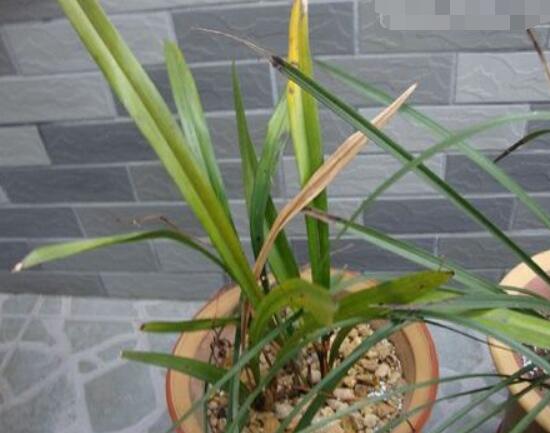
Earlier we discussed what to do when orchid leaves turn yellow. Now let us look again at what to do when orchids get bugs. Common orchid pests include whiteflies, scale insects, and red spider mites. The control method for each pest is different, and the insecticides used are also different. Below we explain the common orchid pest and disease control methods one by one.
II. Common Orchid Pest and Disease Control
1. Whiteflies
Whiteflies are relatively small and covered with a powdery substance all over. Orchid varieties with relatively thin leaves are prone to damage. When the problem occurs, orchid leaves turn yellow, brown rot develops at the wound sites, and the entire plant may even die.
Solution: Promptly spray a 2000-fold dilution of fenvalerate.
2. Red Spider Mites
They mostly occur in places with strong light, dry conditions, and high temperatures. They reproduce quickly, with 14 to 18 generations per year, and cause severe damage. Affected plants have yellowed leaves or necrotic patches. They completely lose their ornamental value, and some plants even die entirely.
Solution: Pay attention to ventilation and spraying water to increase humidity. If only a few pots are affected, manual brushing and washing can be used. If there are many, spray with a 1000-fold dilution of 40% dicofol, 80% dichlorvos, or 40% omethoate, with good control results.
3. Scale Insects
Scale insects are the most common orchid pests, mainly parasitic on stems and leaves. Their reproductive capacity is very strong, and they can reproduce for several generations in a short time. There are also many kinds of scale insects, including armored scales, striped mealybugs, mulberry white scales, and chaff scales.
Solution: The main cause of scale insects is poor ventilation, so during care, ventilation should be strengthened, sunlight should be supplemented, and appropriate humidity should be maintained. Dilute white liquor, vinegar, or alcohol and repeatedly wipe the plant. This method is convenient and safe, eliminating the pests while also bringing the leaves back to fresh green. The above covers what to do when orchids get bugs and the solutions. Below we will look at common orchid pest and disease control.
III. The Most Practical Orchid Pest and Disease Control Methods
1. Cigarette Butts
How to use: Take 20 or so cigarette butts and one portion of quicklime, add water, stir evenly, soak overnight, then filter, add 30 times the amount of water, and use it to spray the orchid plants directly. Spraying the bottom of the pot can also eliminate ants and other pests. Tobacco leaves contain nicotine, which has a killing effect on pests.
2. Laundry Detergent
Laundry detergent can dissolve the waxy covering of scale insects and at the same time form a layer of foam that wraps around the insect body, causing the scale insects to suffocate and die. Laundry detergent solution can control some pests and diseases.
How to use: Dissolve a small amount of laundry detergent in warm water, then dilute with water to a 1000-fold solution, and spray the orchid plants. It can kill aphids, whiteflies, and red spider mites.
3. White Liquor
How to use: Mix white liquor and water at a ratio of 1:2, spray the orchid plants once a week, continuing for three sprays, and it can kill scale insects.
4. Brown Sugar
How to use: What to do when orchids get bugs? Mix powdered brown sugar and boiling water at a ratio of 1:100. After it cools, spray the orchid plants with the brown sugar liquid once every 3 days, for three consecutive times. It has a relatively good effect on controlling downy mildew, powdery mildew, black spot, and leaf blight.
5. Vinegar
How to use: Mix vinegar and clean water at a ratio of 1:8, and evenly spray the front and back of orchid leaves with it to treat scale insects. If the scale insects have already become adults, the acidity of the mixed liquid can be slightly increased, spraying once every three days for three consecutive times, and it can kill adult scale insects. Spraying vinegar liquid on leaf surfaces can also eliminate black spot, powdery mildew, leaf spot, yellowing disease, and so on. Industrial acid vinegar must not be used.
6. Strong-Smelling Vegetables
Strong-smelling vegetables each have their own distinctive odor, and their smell can play a role in killing pests and sterilizing. Commonly used strong-smelling vegetables in the home include scallions, garlic, chives, ginger, onions, and so on. How to use: Take an appropriate amount of strong-smelling vegetables, mash them into juice, add a little water, and spray directly on the orchid plants. It can treat aphids, red spider mites, scale insects, and gray mold. The above is all the content on what to do when orchids get bugs and common orchid pest and disease control. We hope it can help everyone.
Top 9 Succulent Pest and Disease Symptoms and Control Methods
No. 1: Scale Insects
Tiny scale insects are often seen parasitizing leaves. They are usually white, do not move much, and hide in the leaf center where they are hard to find. How should they be removed and prevented from multiplying in large numbers?
The small white insects in the picture above are scale insects.
Scale insects have a hard shell for protection, so once an infestation occurs, they are very difficult to kill. Scale insects are most commonly seen on succulents in the Cactaceae, Euphorbiaceae, Liliaceae, Aizoaceae, and stone plant types.
Scale insects reproduce quickly. Each adult lays nearly a hundred eggs at one time, twice a year. The eggs are powdery, and after drying and cracking, they drift with the wind and scatter onto the stems and leaves of plants everywhere. In high temperatures, when they encounter moisture, they hatch into adults. At this time, the outer shell has not yet formed, which is the best opportunity to eliminate them.
There are also many kinds of scale insects. They are covered with a waxy hard shell, either round or oval. The former is about 3 to 3.5 mm in diameter, while the latter is about 2 mm long and 1 mm wide. When few in number, they parasitize near the areoles of the plant or on the underside of leaves and inside leaf sheaths. When numerous, they parasitize on stems, branches, and leaves everywhere, sucking plant nutrients.
Treatment method: When the number is small, they should immediately be removed with bamboo skewers or a toothbrush, and the potted plants with insects should be isolated to prevent infection. Use a brush dipped in diluted scale insect remedy or high-concentration alcohol to scrub and kill the larvae and eggs.
Notes: Recommended most suitable pesticides
1. Huhuashen
Dilute 500 times, spray stems and leaves once a week, and 2 to 3 times can eradicate them. The toxicity is average, but when using it, do not spray against the wind, do ventilation work well, and wear a mask and gloves. After finishing the work, be sure to shower and change clothes.
2. White liquor mixed with water at a ratio of 1:2.
When treating insects, water the surface layer of the pot soil thoroughly. Scale insects begin activity in spring when the room temperature is 7 °C. It can be watered once in mid-April, and afterward about once every half month, with results seen after 4 consecutive times.
3. Vinegar (rice vinegar)
50 ml. Soak a small cotton ball in the vinegar, then gently wipe the stems and leaves of the affected flowers and trees with the wet cotton ball, and the scale insects can be wiped off and killed. This method is convenient and safe. It can achieve the purpose of pest removal while also making the damaged leaves return to green and shine again.
4. Alcohol
Gently and repeatedly wipe the diseased plant, and the scale insects can be removed, and removed very cleanly and thoroughly. If alcohol is used to wipe diseased orchid leaves, not only can the scale insects be removed, but even the larvae that cannot be seen clearly with the naked eye are also completely killed. In the second year, scale insect damage is rarely found. This method is simple, safe, and effective.
5. Diesel, laundry detergent, water
Mix into a stock solution at a ratio of 10:0.6:6. At this time the stock solution contains 60% and appears milk-like. After diluting with water to a 30% oil-content medicinal liquid, carefully spray it on scale insects on orange jasmine, kumquat, and sago palm. After one week, most of the scale insects change from their original fresh orange color to a shriveled state, indicating that this method has a relatively good control effect on scale insects.
No. 2: Anthracnose
Small black spots appear on the leaves. What disease causes this?
The black spots in the picture above are anthracnose.
Causes:
It usually occurs where planting is too dense, ventilation is poor, or there are wounded sites. The main damaged area is the stem. Water-soaked light brown small spots appear on stem nodes or near the edges, later expanding into round to oval or semicircular to irregular brown spots.
Treatment method:
In the early stage of the disease, brown sunken spots appear. In severe cases, there is necrosis in the center of the lesions, and it is difficult to cure. When purchasing, check whether the plant has this disease and avoid buying it. When the disease occurs, be sure to cut off and burn the diseased parts, then use specialized agents such as anthracnose Fumei.
No. 3: Rust Disease
A flower enthusiast asked: Rust-colored spots like rust appear on the leaves. What disease is this?
The picture above shows rust disease.
Causes:
It is mainly caused by improper cultivation and management, such as pot soil being too poor, insufficient nutrients, or long-term poor ventilation in potted plants, direct watering on the top of the plant, and unsuitable environmental factors triggering rust fungus infection.
This disease occurs on the plant epidermis. In the early stage, swollen small spots appear on the stem epidermis, with yellow or reddish-brown centers, and then they slowly expand outward. In severe cases, the spots sink and form ulcers, the tissue blackens, and the plant may even die.
Treatment method:
In addition to paying attention to management, ventilation should be strengthened and watering on the top of the plant should be avoided. A 2000-3000-fold dilution of 12.5% diniconazole wettable powder or a 1500-2000-fold dilution of amobam can be sprayed once a week.
No. 4: Root Mealybugs
White cotton-like, thread-like symptoms appear on the plant roots. What disease is this exactly, and how should it be solved?
The picture above shows root mealybugs.
During the plant's dormant period, when the pot soil is dry, root mealybugs have strong reproductive capacity and will crawl out from the bottom of the pot to invade other pots. In severe cases, the soil near the flower roots all becomes white, and water cannot penetrate.
Pest identification:
This pest mostly parasitizes plant roots. Its body is about several millimeters long, covered with white powder, and the parasitized site forms a lump.
Treatment method:
Mix Huhuashen with water and pour it into the growing medium, or use "Guoguang Jiebizhi." Of the two, Huhuashen is less harmful and has a preventive effect. If parasitism has already occurred, the plant can be taken out, washed clean, the root mealybug-infested parts cut off, and replanted in new soil.
Diazinon can also be used, and it can remove most pests. However, they can only be used occasionally on non-edible plants. They must not be used on plants grown for food. Be sure to read the usage method and dilution ratio carefully.
No. 5: Red Spider Mites
Red spider mites appear on potted plants at home, and if you do not pay attention, they spread to nearby plants. How should they be prevented and eradicated?
The picture above shows red spider mites.
Red spider mites reproduce quickly during dry periods, and spraying water on leaf surfaces has a suppressive effect on damage. Among damaged flowers, Cactaceae, Aizoaceae, Euphorbiaceae, and Liliaceae are relatively common.
Red spider mites are about 0.5 mm in diameter, crawl quickly, and are small and hard to notice. They often gather in groups and gnaw on the epidermal tissue of stems and leaves, making the damaged areas appear mottled and rough, in an unattractive white or yellow color.
Treatment method:
Red spider mites easily develop resistance. Using one pesticide for a long time will reduce its effectiveness. Currently used pesticides include imidacloprid, nicotine, and carbofuran. Pyrethroid insecticides have very poor effects on them, and insecticides such as Raid on the market have little effect. The above medicines are relatively easy to buy, but carbofuran is highly toxic and should be used with caution.
Flower enthusiasts can also use mosquito coils for sealed fumigation, 30 to 60 minutes each time.
PS: The method of making homemade chili water is simple. Just crush fresh chili and garlic, then mix with water. However, the effect is not as good as insecticide, so it is suitable for preventive use beforehand.
No. 6: Aphids
A flower enthusiast asked: Dense swarms of aphids gather on plants. How should they be eliminated?
The picture above shows aphids.
Varieties prone to pest damage include succulents in Crassulaceae and Asteraceae, as well as Pereskia in Cactaceae, which are all relatively common.
Pest damage:
Aphids can reproduce 5 to 10 nymphs in one day. Newly hatched ones are generally gray-green pests, about 1 to 2 mm long, congregating on plants near branches or on new buds. They pierce plant tissues with needle-like mouthparts to suck nutrients. Young leaves often curl into tubes because of this, so flower enthusiasts instead cannot see the aphids. Very tricky.
Treatment method:
Use a 500 ml cola bottle to mix a bottle of Huhuashen pesticide, pour it into a spray bottle, and then evenly spray it on the plants. Spraying must be comprehensive and detailed. Clear the surrounding weeds to ensure a clean environment, which also has a preventive effect.
No. 6: Snails and Slugs
Leaves have clearly been bitten around the edges. What pest causes this, and how should it be solved?
Causes of pest damage:
When the climate is warm and humid, snails and slugs increase and reproduce quickly. These soft-bodied small insects can be found in both cities and rural areas. Once more plants are grown, they can be discovered.
Generally speaking, these soft-bodied small insects are usually snails and slugs. Many flower enthusiasts say they cannot find them because they hide in moist, dark places during the day and only come out at night to forage. They not only gnaw young branches and tender leaves, but do not even spare older stems and leaves.
Treatment method:
Clear weeds, garbage, bricks, tiles, and other piled materials around the potted plants. Keeping things clean can effectively prevent them. In addition, install gauze netting around the potted plants for isolation, or buy special-effective medicine for killing snails. Lime or salt can also be sprinkled beside the flower pot, but do not sprinkle it into the soil.
No. 7: Ants
A flower enthusiast asked: Ants do not directly bite and eat plants. Will they harm plant health?
Of course they are very harmful. They are the greatest accomplices in damaging succulents.
The picture above shows ants.
Reason for damage:
Because ants like to eat the secretions of aphids, mealybugs, scale insects, and so on, they often carry these pests from infected succulents to other succulents. Really hateful. These ants not only protect the survival of the pests, but also eat the honeydew secreted by the pests. They collude with each other and are the greatest accomplices harming plants.
Control method:
When buying potted plants, carefully check the surroundings and the bottom of the pot to see whether any ants appear, because once there are ants, it means other pests may exist. When ant damage occurs, using ordinary insecticide is enough.
No. 8: Large Caterpillars
A flower enthusiast asked: I saw fat caterpillars on potted plants at home. What should I do?
The picture above shows a caterpillar.
Pest damage:
Some succulents near small shrubs and trees are prone to this kind of caterpillar. Some are blown by the wind onto the flower plants, and some crawl onto succulents at night from dark places. The most hateful is a kind of black cutworm lurking in the soil, which specifically eats the young stems and leaves of plants and mainly feeds on succulents.
Treatment method:
Clear weeds around the potted plants and set up gauze netting. General oily insecticidal liquids on the market are very effective against caterpillars, but when using them, be careful with the plants, otherwise the plants are prone to pesticide damage. If one or two are found, just pick them off directly and kill them.
No. 9: Fungus Gnats
Fungus gnats are a kind of thing similar to mosquito larvae, but they do not live in water, and they can fly. They exist in warm, humid environments and reproduce very quickly. Really annoying!
The picture above shows fungus gnats.
Pest damage:
Actually, the main harm to plants is the scars left after feeding. Also, they reproduce very quickly, and just looking at them is very unpleasant.
Treatment method:
Mainly household pyrethroid insecticides can kill them. In the soil, Huhuashen can be used to drench and spray the plants, or carbofuran can be buried in the soil. Note to use a small amount, as using only one pesticide easily causes the insects to develop resistance. A small piece of mosquito coil can also be used for fumigation, which is effective against adults, but larvae hidden in the soil cannot be killed!
How to Eliminate Pests in Flower Pots? Common Flower Pot Pest Control Methods
Recently, flower enthusiasts have often asked about pest control. Today the editor will give you a tip. As long as problems are discovered promptly and measures are taken in time, I believe your flowers will definitely get rid of pest troubles and become strong-rooted, with glossy leaves and many blooms.
I. Aphids
Which plants do they harm?
Chinese rose, chrysanthemum, rose of Sharon, azalea, hyacinth, and so on.
Solutions
1. Dish soap and white vinegar
1. Prepare a 550ml plastic bottle, fill it with water, add 4 or 5 drops of dish soap, pour in more than 2 bottle caps of white vinegar, shake well, and spray wherever there are pests.
2. Generally, spraying 2 or 3 times will solve the problem.
2. Tobacco shreds
1. Take 5 or 6 cigarettes, pull out the tobacco shreds and soak them in water for 2 days, then take the clear liquid and spray wherever there are pests.
2. After 2 or 3 days, spray once more. Generally, after spraying 3 or 4 times, all the aphids will be dead. You can also dilute the tobacco water 10 times and use it to water the roots.
II. Scale insects
Which plants do they harm?
Succulents, orchids, Radermachera sinica, and so on.
Solutions
1. Laundry detergent
Dilute laundry detergent with water at 1:500 or 1:600, spray the spots with pests once every 3 days, and after 3 consecutive sprays, the problem will be solved.
2. Alcohol
Dip a cotton swab in alcohol and wipe the leaves and stems once; after 2 or 3 days, wipe them once more and that will do.
III. Red spider mites
Which plants do they harm?
Aglaia odorata, jasmine, crabapple, osmanthus, Chinese rose, and so on.
Solutions
Abamectin and Jinmanzhi
1. Dilute Abamectin with clean water at a ratio of Abamectin to clean water of 1:2500. After diluting, spray it directly on the leaves, and do not forget to spray the undersides as well.
2. After 3 days, use Jinmanzhi, diluted with clean water at a ratio of Jinmanzhi to clean water of 1:1500, and spray the branches and leaves.
3. After another 3 days, switch back to spraying Abamectin. Generally, alternating the two pesticides 2 or 3 times will solve the red spider mite problem.
IV. Fungus gnats
Which plants do they harm?
Dahlia, impatiens, crape myrtle, silk tree, Acorus calamus, carnation, and so on.
Solutions
Plant ash
Collect plant ash and soak it in water at a ratio of plant ash to water of 1:5. After soaking for 1 day, take the clear liquid and spray it on the flowers, spraying 1 or 2 times. Alternatively, spread plant ash over the surface, which can also prevent eggs and solve the pest problem.
V. Whiteflies
Which plants do they harm?
Gardenia, hydrangea, peony, hibiscus, Lantana camara, and so on.
Solutions
1. Chlorpyrifos
1. Dilute with clean water at a ratio of chlorpyrifos to clean water of 1:300, and spray the leaf surface or directly water the roots.
2. After killing the pests, take clean river sand, expose it to the sun, and then use it to top-dress the flowers, effectively preventing pests from laying eggs in the potting soil.
2. Huhuashen
1. Dilute Huhuashen with clean water at a ratio of Huhuashen to clean water of 1:200. After diluting, it can be used to spray the branches and leaves to kill pests, spraying once every 3 or 5 days.
2. Dilute Huhuashen with clean water at a ratio of Huhuashen to clean water of 1:500, then water the roots with it, once a week.
How can you prevent plants from getting pests?
I. Start with the soil
If you want to cure pests and diseases at the root, you need to start with the soil, and especially when repotting, remember to change to sterilized soil.
1. Sun exposure
After mixing the soil, spread it out on a clean platform and let the sun bake it. Remember to turn the soil once every 2 or 3 days, and use it only after 7 or 8 days of sun exposure.
2. Use carbendazim
Add carbendazim to the soil at a ratio of soil to carbendazim of 1:800, stir carefully and evenly, then cover with a layer of plastic film, and after 2 or 3 days it can be used for growing flowers.
3. Steaming
Put the nutrient soil in a steamer and steam it at high temperature for 1 hour, then take it out and let it cool before use.
II. Prune the plant in time
If the plant grows too densely, its interior is not easy to ventilate, and the stuffy, hot environment makes it very easy for pests to appear, so the plant should be pruned in time.
III. Clever use of aluminum foil
Collect aluminum foil and spread it on the pot surface. This helps the plant receive light from all directions, and pests such as aphids find it hard to survive under strong light.
IV. Learn to use companion planting
When growing flowers, place 1 pot of catnip or nasturtium beside them. These two flowers attract ladybugs, and ladybugs are the natural enemies of aphids, so this can eliminate aphids.