What to Do When Snapdragons Get Pests? 4 Major Diseases and 4 Major Pests Control Methods
Snapdragon, as its name suggests, has flowers shaped like goldfish and bright colors, making it an excellent choice for indoor cultivation. Even so, snapdragon is still a plant and will inevitably be invaded by pests. So what to do when snapdragons get pests? In the process of growing snapdragons, besides pests, diseases are also one of the factors affecting the healthy growth of snapdragons. Regarding snapdragon pests and diseases, there are mainly 4 major diseases and 4 major pests. Let's take a look together.
I. What to Do When Snapdragons Get Pests - Find the Cause
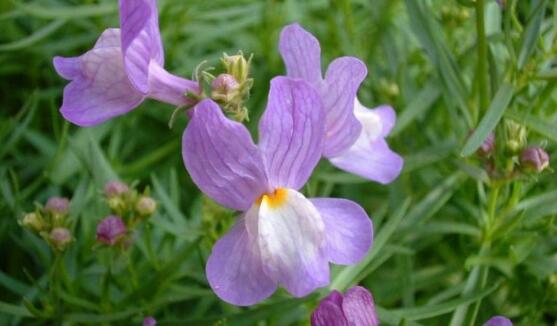
In the cultivation methods of snapdragon, we have learned that snapdragon has high environmental requirements. Not only must soil and light meet the standards, but water and fertilizer are also indispensable. Once there is any negligence, pests and diseases will come knocking. As for what to do when snapdragons get pests, take a look at the following snapdragon pest and disease control and you will know.
(1) Snapdragon Pest Symptoms and Solutions
When it comes to snapdragon pest and disease control, the first thing to consider is naturally pests. After all, if you grow plants, sooner or later they will be attacked by insects. It is understood that there are mainly 4 kinds of pests on snapdragons: thrips, whiteflies, aphids and red spider mites. Once discovered, flower lovers should pay attention. The symptoms and solutions of snapdragon pests are as follows:
1. Thrips
This pest is not common, but it is one of the pests that harm the growth of snapdragons. It parasitizes snapdragons as adults or larvae, feeding on young buds, tender leaves, flowers and young fruits. The symptoms of thrips damage are: tender leaves curl after being fed upon, and buds and flowers wither after being damaged.
Solution: When the above symptoms are found, flower lovers should pay attention. Look carefully, and once this pest is confirmed, immediately spray with 25% derris or 40% dimethoate 400-500 times dilution.
2. Whiteflies
Whiteflies are small white insects that are difficult to distinguish with the naked eye. The larvae mainly attach to the backs of snapdragon leaves, piercing and sucking sap, causing leaves to curl and dry up; adults harm tender leaves, sucking the sap from the leaf tissue.
Solution: When the above symptoms are found, flower lovers can spray with a 0.01% decis solution, or spray 40% omethoate, once every 7 days, spraying 3-4 times continuously.
3. Aphids
Aphids are one of the main pests harming snapdragons. They mainly attack the backs of snapdragon leaves, sucking the sap of young leaves and buds. The symptoms of damage by this pest are: leaves become wrinkled, withered and yellow, and even fall off.
Solution: Buy a sticky insect trap from the market and use it to catch them; in addition, flower lovers can spray with omethoate 1:150 dilution, and 1-2 times is enough to cure it. When there are many aphids, it is recommended to slowly pour this solution once to eliminate future trouble.
4. Red Spider Mites
This pest is difficult to distinguish with the naked eye in the early stage of infestation. It often hides on the backs of branches and leaves or in places with dense foliage, piercing and sucking the sap of leaves, buds and flowers, affecting normal growth and development. It not only affects the appearance, but in severe cases can even cause the whole plant to die.
Solution: When this pest is found, netting it off and catching it manually is relatively easy. In addition, flower lovers can use 20% dicofol emulsion, add 800-1000 times water to make a solution and spray it. This pesticide has a good killing effect on adults, nymphs and eggs.
(2) Snapdragon Disease Symptoms and Solutions
What to do when snapdragons get pests - after reading the above content, everyone should know! However, besides being attacked by insects, diseases also constantly endanger snapdragons. The main diseases of snapdragon are 4 kinds: downy mildew, powdery mildew, gray mold and root rot. The specific symptoms and solutions are as follows:
1. Downy Mildew
This disease easily occurs in cold and humid environments and is one of the main diseases of snapdragons. It mainly causes stunted growth of snapdragon seedlings, yellowing and downward curling of leaves. The symptoms are: a layer of gray fuzzy powder appears on the backs of snapdragon leaves.
Solution: When the disease is mild, disinfect the soil, heat the greenhouse and improve ventilation; when the situation is severe, it is basically over, just wait for the snapdragon to die!
2. Powdery Mildew
This disease is one of the main diseases of snapdragons. It mainly harms the stems, leaves and flower buds of snapdragons. Symptoms: a layer of white powder appears on the leaf surface. In severe cases, the leaves gradually wilt, with fewer and smaller flowers.
Solution: When the above symptoms are found, flower lovers should immediately spray chemicals, choosing 2500 times dilution of triadimefon or other suitable chemicals, spraying once every 10 days, and 2-3 consecutive sprays can cure this disease.
3. Root Rot
This disease can be said to be the most common disease of snapdragons, often occurring in hot summers. The cause may be root rot caused by flower lovers watering too much. Mild infection may not destroy the whole plant, but it weakens growth, causing branches of uneven length, thin and weak flower stems, and short and poor flower spikes.
Solution: After discovering this disease, promptly drench the root soil with 300 times dilution of amobam solution. At the same time, pay attention to timely ventilation and cooling, water appropriately, and ensure the potting soil is moist but not waterlogged.
4. Gray Mold
This disease mainly affects the stems and flowers of snapdragons. Symptoms: yellow-brown lesions surround the entire stem, causing the upper part of the plant to wilt. In severe cases, a large number of gray or light brown spores appear on the flowers and infected parts.
Solution: After discovering the above symptoms, flower lovers should immediately remove them, otherwise the disease will spread. In addition, spray with 65% zineb wettable powder 500-800 times dilution, once every ten days, and 2-3 sprays are enough.
What to Do When Marigolds Get Pests - Marigold Pest and Disease Control / 2 Pests and 3 Diseases
In the process of growing marigolds, the last thing we want to encounter is pests and diseases. Such problems are extremely harmful to the plants, not only affecting their ornamental value, but in severe cases also causing them to wither and die. Regarding what to do when marigolds get pests, and how to carry out marigold pest and disease control, the editor below will take everyone to learn about it.
I. What to Do When Marigolds Get Pests - Find the Cause
To know what to do when marigolds get pests, we first need to understand what kind of pest it is. Only when we know the specific pest or disease can we carry out targeted treatment, because the control methods for each pest and disease are different. The specific control details are in the following text. Let's take a look.
II. Marigold Pest and Disease Control (Pests)
1. Scale Insects
Scale insects are a relatively common pest during the growth of marigolds. They mainly harm the leaves, branches and fruits of the plant. They will live parasitically on the branches, leaves and fruits of marigolds for life, causing leaves to turn yellow, branch tips to wither, and in severe cases even causing the entire plant to die.
Control method: The peak period of scale insects is in early spring every year, so we must pay extra attention at this time. The most direct way to deal with this pest is to use chemicals for spraying. In terms of chemicals, we can choose 50% malathion 1500 times dilution.
2. Red Spider Mites
Among the pests and diseases of marigolds, red spider mites are a relatively common one. Their peak period is in summer every year, so everyone must pay extra attention at this time. When this pest appears, the leaves of the plant will gradually turn yellow and white. If not dealt with for a long time, it will also cause the plant to wither.
Control method: When dealing with red spider mites, we can directly use 40% dicofol emulsifiable concentrate 1000-1500 times dilution for spraying. Generally, three consecutive sprays can completely kill this pest.
III. Marigold Pest and Disease Control (Diseases)
1. Stem Blight
This disease mainly threatens the stems and branches of marigolds. In the early stage of the disease, gray rash-like protrusions appear on the stems, round or spindle-shaped in form, greatly affecting plant development, and in severe cases causing stems and branches to die.
Control method: When dealing with this marigold pest and disease, we can use 40% chlorothalonil suspension concentrate 500 times dilution to spray it, generally once about every week, and after 2-3 times it can be cured.
2. Leaf Spot
Leaf spot is a relatively common disease among marigold pests and diseases. Its peak period is from August to September every year, so everyone should pay extra attention at this time. Leaf spot mainly threatens the leaves of the plant. When the disease occurs, many round lesions appear on the leaves. As time goes on, the lesions gradually expand, eventually causing the leaves to gradually fall off.
Control method: When dealing with leaf spot disease, we can use 20% simeconazole · prochloraz 1000 times dilution to spray the diseased plants, generally once every 7-10 days, and about 3-4 times can cure it.
3. Powdery Mildew
Powdery mildew is a disease that many plants may develop, and marigolds are no exception. When the disease occurs, many white powdery objects appear on the leaves, and as time goes on they gradually spread, finally covering the entire leaf surface, thus affecting photosynthesis and causing premature aging.
Control method: For this marigold pest and disease, we can use 70% thiophanate-methyl wettable powder 1000 times dilution for control, generally applying once every 10 days, and about 3 times can cure it.
What to Do When Monkshood Gets Pests - Monkshood Pest and Disease Control / 2 Pests and 2 Diseases
Pests and diseases are the most troublesome problem for all plants, and monkshood is no exception. Such problems not only affect its ornamental value, but in severe cases also cause the plant to wither and die. So what to do when monkshood gets pests? How should monkshood pest and disease control be carried out? The editor below will take everyone to learn about it.
I. What to Do When Monkshood Gets Pests - Find the Cause
To know what to do when monkshood gets pests, we first need to understand what kind of pest it is, and then carry out targeted treatment, because the control methods for each pest and disease are different. As the saying goes, you must suit the remedy to the case. In the following text there are control methods for various pests and diseases. Friends who are troubled by this can take a look.
II. Monkshood Pest and Disease Control (Pests)
1. Aphids
Aphids are one of the most destructive pests on Earth, harming many plants, and monkshood is one of them. The main damage of this pest is that adults and nymphs suck the sap of leaves, stems, tender tips and tender spikes, causing the plant to lose a large amount of nutrients and wilt.
Control method: When dealing with this monkshood pest and disease, we can use 40% imidacloprid water-soluble concentrate 1500-2000 times dilution to spray and kill them.
2. Red Spider Mites
Red spider mites are a pest that exists on many plants, and monkshood is no exception. This pest is very small and generally difficult to find. Its harmful method is to pierce its mouthparts into the leaves and suck the sap, causing chlorophyll to be destroyed and yellowing to appear. In severe cases, it can also cause leaves to fall off or even drop completely.
Control method: When dealing with this monkshood pest and disease, if only a few individual leaves are affected, we can remove them. If more leaves are affected, we can use 40% dimethoate emulsifiable concentrate 1500 times dilution to spray the plant, once, to eliminate this pest.
III. Monkshood Pest and Disease Control (Diseases)
1. Black Spot
Black spot is a disease caused by fungi. It mainly harms the leaves, petioles and tender shoots of monkshood. When the disease occurs, many purplish-brown lesions appear on the affected parts. As time goes on, the lesions gradually expand and the color slowly changes, eventually causing the plant to gradually wither.
Control method: For this monkshood pest and disease, we can use thiophanate-methyl or carbendazim and other chemicals to spray the diseased plants, generally once every 7-10 days, and 2-3 times can cure it.
2. Southern Blight
Southern blight, also known as sclerotial root rot and sclerotial seedling blight, mainly harms the rhizome or stem base of monkshood seedlings. After the seedlings are affected, their ability to absorb nutrients and water is affected, causing poor growth. In severe cases, it also causes branches and leaves to wither. When the lesion encircles the stem for one full circle, it causes the whole plant to die.
Control method: When dealing with this monkshood pest and disease, we can use Juandun diluted 800-1000 times or Fengqia Genbao 600-800 times to drench the roots of the diseased plants, generally applying once every 10 days, and after 3 times it can be cured.