What to do when Chinese trumpet creeper gets bugs? Prune diseased leaves and spray pesticide to prevent and control pests and diseases
Chinese trumpet creeper has a long flowering period. Growing it at home not only beautifies the environment but also purifies the mind, making it a favorite of many flower lovers. However, although Chinese trumpet creeper is easy to grow, for certain reasons it can still be targeted by bugs. So what should you do when Chinese trumpet creeper gets bugs? At this time, you should not panic; instead, you should calmly find the cause and then address it accordingly. For this reason, the editor has carefully compiled pest and disease prevention and control for Chinese trumpet creeper. If you love flowers, you must take a look.
1. What to do when Chinese trumpet creeper gets bugs: find the cause
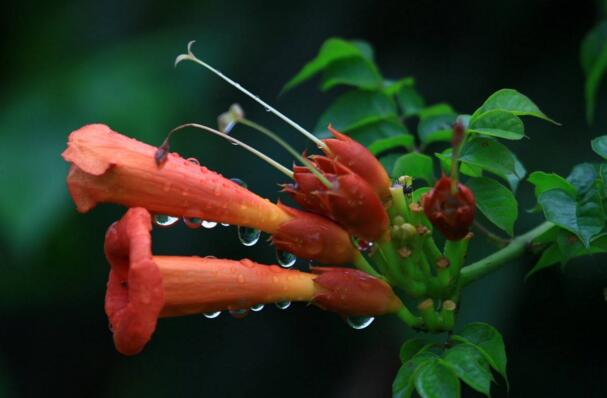
In the methods for growing Chinese trumpet creeper, we have learned that although it is easy to grow, it still has requirements for its environment. Soil, light, water and so on cannot be neglected. Once handled improperly, the leaves will become infested with bugs or disease. As for what to do when Chinese trumpet creeper gets bugs, look at the symptoms and solutions for the following pest problems and you will know what to do.
(1) Symptoms of pest damage on Chinese trumpet creeper and solutions
When it comes to pest and disease prevention and control for Chinese trumpet creeper, the first thing to consider is pest problems. After all, once a plant gets bugs, the consequences are serious. It is understood that the main pests of Chinese trumpet creeper are whiteflies, aphids and red spider mites. Once discovered, flower lovers need to pay attention. The symptoms of pest damage on Chinese trumpet creeper and solutions are as follows:
1. Whiteflies
This pest is one of the main pests of Chinese trumpet creeper. It is a small white insect that is difficult to distinguish with the naked eye. Whitefly larvae mainly attach to the underside of leaves, piercing and sucking sap, causing leaves to curl and dry out; adult whiteflies mainly harm tender leaves, sucking the sap from the leaf tissue.
Solution: When the above symptoms are found, flower lovers should pay attention. Carefully look for the insects, and once found, spray pesticide promptly. Spray 40% omethoate once every 7 days, for 3-4 consecutive sprays. Note: both the front and back of the leaves must be sprayed, especially the back, where large numbers of insects will reside.
2. Aphids
Among the pests of Chinese trumpet creeper, aphids cannot be ignored either. They are very small, about 1 mm, but numerous. They mainly attack the leaves, stems and top tender buds of Chinese trumpet creeper. Because the terminal buds of Chinese trumpet creeper are the most tender, aphids most like to gather there. The terminal buds are small and tender and not easy to handle by hand, making this a headache and a very troublesome matter.
Solution: You can spray with a 1:150 solution of omethoate, and 1-2 sprays can cure it. When there are many aphids, it is recommended to slowly drench once with this medicinal solution to eliminate future trouble.
3. Red spider mites
In the early stage of infestation, this pest is difficult to distinguish with the naked eye. It pierces and sucks the sap of leaves, buds and flowers, affecting normal growth and development. It not only affects appearance, but in severe cases can even cause the whole plant to wither and die. So once red spider mites are found, flower lovers must pay attention.
Solution: When a small number of red spider mites appear on the plant, you can rinse with clean water or scrub with soapy water; in severe cases, spray with a 1:1000 solution of dimethoate.
(2) Symptoms of diseases on Chinese trumpet creeper and solutions
What to do when Chinese trumpet creeper gets bugs: after reading the above, everyone should know. However, besides being attacked by insects, diseases also constantly threaten Chinese trumpet creeper, and the main diseases of Chinese trumpet creeper are three types: powdery mildew, gray mold and root rot. The specific symptoms and solutions are as follows:
1. Powdery mildew
This disease is one of the main diseases of Chinese trumpet creeper. It mainly harms the stems, leaves and flower buds of Chinese trumpet creeper. Symptoms: a white powdery layer appears on the leaf surface. In severe cases, the leaves gradually wilt, flowering decreases, and flowers become small.
Solution: When the above symptoms are found and it is indeed powdery mildew, flower lovers should immediately spray pesticide, choosing a 2500-fold solution of triadimefon or another suitable pesticide. Spray once every 10 days, and 2-3 consecutive sprays can cure this disease.
2. Gray mold
When it comes to diseases of Chinese trumpet creeper, gray mold must be mentioned. It is generally easy to breed in low-temperature, humid environments and mainly harms the flowers of Chinese trumpet creeper. Symptoms: water-soaked spots appear on the petals and sepals of the Phalaenopsis, then slowly form large brown circular patches. In severe cases, the entire flower will wither.
Solution: Once the above symptoms are found, it is already difficult to solve. At this time, flower lovers should immediately remove them, otherwise the disease will spread. However, this disease can be prevented. Method: spray 65% mancozeb wettable powder at 500-800 times dilution, once every 10 days, 2-3 sprays are enough.
3. Root rot
This disease is easy to understand: the roots rot. This can be said to be the most common disease of Chinese trumpet creeper, often occurring in hot summer. The cause may be root rot caused by flower lovers watering too much.
Solution: After discovering this disease, promptly drench the soil around the roots with a 300-fold solution of amobam. At the same time, pay attention to timely ventilation and cooling, water appropriately, and ensure the potting soil is moist but not waterlogged.
As an excellent choice for home cultivation, compared with other flowers, Chinese trumpet creeper is very easy to grow and has strong resistance to insects. But no matter what, it is still just a plant, and disease and bug infestation are bound to happen. Therefore, for Chinese trumpet creeper to grow healthily, everyone should master the above methods. That is all the editor has to introduce regarding pest and disease prevention and control for Chinese trumpet creeper. Hope it can help everyone.
What to do when snapdragon gets bugs: snapdragon pest and disease prevention and control / 4 major diseases and 4 major pests
Snapdragon, as its name suggests, has flowers shaped like goldfish and bright colors, making it an excellent choice for indoor cultivation. Even so, snapdragon is still a plant and will inevitably be disturbed by insects. So what should you do when snapdragon gets bugs? In the process of growing snapdragon, besides pests, diseases are also one of the factors affecting its healthy growth. Regarding snapdragon pests and diseases, there are mainly 4 major diseases and 4 major pests. Let us learn about them together.
1. What to do when snapdragon gets bugs: find the cause
In the methods for growing snapdragon, we have learned that snapdragon has high environmental requirements. Not only must soil and light meet the standards, but water and fertilization are also indispensable. Once there is any negligence, pests and diseases will come knocking. As for what to do when snapdragon gets bugs, look at the following snapdragon pest and disease prevention and control and you will know.
(1) Symptoms of pest damage on snapdragon and solutions
When it comes to snapdragon pest and disease prevention and control, the first thing to consider is naturally pests. After all, if you grow plants, sooner or later they will suffer from insects. It is understood that the main pests of snapdragon are 4 types: thrips, whiteflies, aphids and red spider mites. Once discovered, flower lovers need to pay attention. The symptoms of pest damage on snapdragon and solutions are as follows:
1. Thrips
This pest is not common, but it is one of the pests harming the growth of snapdragon. Its adults or larvae parasitize snapdragon and feed on young buds, tender leaves, flowers and young fruit. Symptoms of thrips damage are: tender leaves curl after being fed on, and shoot tips and flowers wilt after being damaged.
Solution: When the above symptoms are found, flower lovers must pay attention. Look carefully, and once this pest is confirmed, immediately spray-kill with 25% derris or 40% dimethoate at 400-500 times dilution.
2. Whiteflies
Whiteflies are a small white insect that is difficult to distinguish with the naked eye. The larvae mainly attach to the underside of snapdragon leaves, piercing and sucking sap, causing leaves to curl and dry out; adults harm tender leaves, sucking the sap from the leaf tissue.
Solution: When the above symptoms are found, flower lovers can spray-kill with a 0.01% solution of decis, or spray 40% omethoate once every 7 days, for 3-4 consecutive sprays.
3. Aphids
Aphids are one of the main pests harming snapdragon. They mainly attack the underside of snapdragon leaves, sucking the sap of young leaves and young buds. Symptoms of damage by this pest are: leaves become wrinkled, withered and yellow, and may even fall off.
Solution: Go to the market and buy a sticky insect trap and use it to catch and kill them; in addition, flower lovers can spray with a 1:150 solution of omethoate, and 1-2 sprays can cure it. When there are many aphids, it is recommended to slowly drench once with this medicinal solution to eliminate future trouble.
4. Red spider mites
In the early stage of infestation, this pest is difficult to distinguish with the naked eye. It often hides on branches, the underside of leaves, or in places with dense foliage, piercing and sucking the sap of leaves, buds and flowers, affecting normal growth and development. It not only affects appearance, but in severe cases can even cause the whole plant to wither and die.
Solution: When this pest is found, draw a net to conceal it, and manual capture is relatively easy. In addition, flower lovers can use 20% dicofol emulsion, add 800-1000 times water to make a solution and spray it. This pesticide has a good killing effect on adults, nymphs and eggs.
(2) Symptoms of diseases on snapdragon and solutions
What to do when snapdragon gets bugs: after reading the above, everyone should know. However, besides being attacked by insects, diseases also constantly threaten snapdragon, and the main diseases of snapdragon are 4 types: downy mildew, powdery mildew, gray mold and root rot. The specific symptoms and solutions are as follows:
1. Downy mildew
This disease is easily produced in cold, humid environments and is one of the main diseases of snapdragon. It mainly causes stunted growth of snapdragon seedlings, yellowing and downward curling of leaves. The symptoms are: a layer of gray fuzzy powder is produced on the underside of snapdragon leaves.
Solution: When the disease is mild, disinfect the soil, heat the greenhouse and improve ventilation; when the situation is severe, it is basically over, just wait for the snapdragon to die.
2. Powdery mildew
This disease is one of the main diseases of snapdragon. It mainly harms the stems, leaves and flower buds of Chinese trumpet creeper snapdragon. Symptoms: a white powdery layer appears on the leaf surface. In severe cases, the leaves gradually wilt, flowering decreases, and flowers become small.
Solution: When the above symptoms are found, flower lovers should immediately spray pesticide, choosing a 2500-fold solution of triadimefon or another suitable pesticide. Spray once every 10 days, and 2-3 consecutive sprays can cure this disease.
3. Root rot
This disease can be said to be the most common disease of snapdragon, often occurring in hot summer. The cause may be root rot caused by flower lovers watering too much. Mild infection may not destroy the entire plant, but it weakens growth, causing branches of uneven length, thin and weak flower stems, and short, poor flower spikes.
Solution: After discovering this disease, promptly drench the soil around the roots with a 300-fold solution of amobam. At the same time, pay attention to timely ventilation and cooling, water appropriately, and ensure the potting soil is moist but not waterlogged.
4. Gray mold
This disease mainly affects the stems and flowers of snapdragon. Symptoms: yellow-brown lesions surround the entire stem, causing the upper part of the plant to wilt. In severe cases, the flowers and infected parts show large amounts of gray or light brown spores.
Solution: Once the above symptoms are found, flower lovers should immediately remove them, otherwise the disease will spread. In addition, spray 65% mancozeb wettable powder at 500-800 times dilution, once every 10 days, 2-3 sprays are enough.