How to Propagate Datura: Detailed Guide to Seed Sowing and Cutting Methods
Datura is a highly ornamental plant. Although it is somewhat toxic, many people still choose to grow this plant at home. As more people grow it, how to propagate Datura has become a question of common concern. What are the propagation methods for Datura? Let's take a look below.
I. How to Propagate Datura
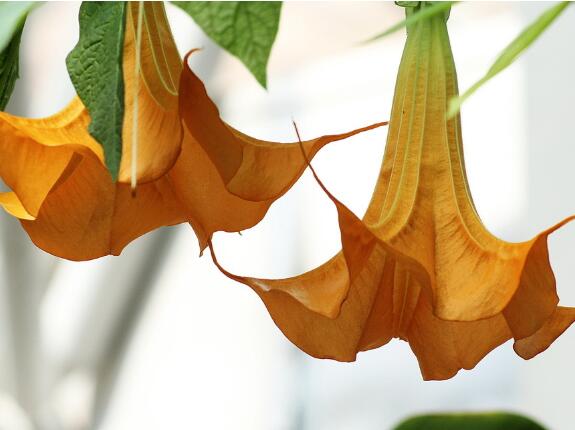
As for how to propagate Datura, it can generally be divided into two methods: seed sowing propagation and cutting propagation. As long as the methods are mastered correctly, the survival rates of both propagation methods are relatively high. The specific details are explained in the section on Datura propagation methods below. Let's continue reading.
II. Datura Propagation Methods
Seed Sowing Propagation
1. Sowing Time
When propagating Datura by seed sowing, it is best to do so in spring each year. The climate during this period is more suitable and more conducive to seed germination. For seeds, we can choose seeds that matured the previous year for sowing.
2. Sowing Method
Among Datura propagation methods, seed sowing is a relatively commonly used method. First, we need to flatten the soil, then evenly scatter the seeds on the soil surface, then cover with about 2cm of soil and water. When watering, make sure to water thoroughly at once, but do not cause waterlogging. Then wait about 15 days for germination.
3. Follow-up Care
After germination, we can carry out normal care for Datura. There are many points to pay attention to in terms of care. Friends who are unfamiliar can refer to the article on Datura cultivation methods, which has detailed instructions. I will not go into too much detail here.
Cutting Propagation
1. Soil Selection
Among Datura propagation methods, whether sowing or cutting, soil selection is the same and is a relatively important step. Choosing the right soil can greatly improve the survival rate. In this regard, we can choose relatively loose humus soil. This type of soil has good drainage and allows Datura to better absorb nutrients.
2. Cutting Selection
For cuttings, we should preferably choose relatively robust branches, as this will result in a higher survival rate. Do not choose those branches that look very frail, as it is very difficult for such branches to survive when used for cuttings.
3. Cutting Method
Among Datura propagation methods, cutting propagation is used less than seed sowing propagation, but the survival rate is by no means low. First, we can use chopsticks to poke a hole in the center of the pot soil, then insert the selected cutting two-thirds into the hole and press the soil flat, then water. Water thoroughly at once, then let it sit for about 15-20 days to take root, after which normal care can be carried out.
Datura Datura stramonium L. Datura Illustrated Guide: How to Grow Datura / How to Propagate Datura
Datura ProfileDatura Datura stramonium L.
Alternative names: Zuixin Hua, Gou Hetao, Zui Xiantao, Feng Qie'er, Nanyang Jinhua, Shan Qiezi, Feng Qie Hua, Chaoxian Qianniu Hua, Yang Jinhua, Feng Qie Hua, Wan Tao Hua, Nao Yang Hua, Ye Mazi
Classification: Annual herbaceous flowering plant
Family and Genus: Plantae, Angiosperms, Dicotyledons, Solanales, Solanaceae, Datura
Full bloom period: All four seasons
Datura, also known as Yang Jinhua, Da Laba Hua, Shan Qiezi, etc., is native to India. Its flowering period is from May to September, and its fruiting period is from June to October. It prefers warm, sunny conditions and well-drained sandy loam soil. It is mostly found growing wild in fields, beside ditches, along roadsides, on riverbanks, and on hillsides. It mainly harms cotton, beans, potatoes, vegetables, etc. The common species in China include Datura stramonium, Datura innoxia, and Datura metel, all with white or slightly pale yellow-green single-petaled flowers. Datura is also called Mandala, Manda, Manzha, Manda, Zuixin Hua, Gou Hetao, Yang Jinhua, Feng Qie Hua, Wan Tao Hua, Nao Yang Hua, Yang Jinhua, Da Laba Hua, Shan Qiezi, etc. It is mostly found growing wild in fields, beside ditches...
Datura Cultivation Methods and Precautions: Introduction to Datura
Datura, also known as Yang Jinhua, Da Laba Hua, Shan Qiezi, etc., is native to India. Its flowering period is from May to September, and its fruiting period is from June to October. It prefers warm, sunny conditions and well-drained sandy loam soil. It is mostly found growing wild in fields, beside ditches, along roadsides, on riverbanks, and on hillsides. It mainly harms cotton, beans, potatoes, vegetables, etc. The common species in China include Datura stramonium, Datura innoxia, and Datura metel, all with white or slightly pale yellow-green single-petaled flowers.
Datura is also called Mandala, Manda, Manzha, Manda, Zuixin Hua, Gou Hetao, Yang Jinhua, Feng Qie Hua, Wan Tao Hua, Nao Yang Hua, Yang Jinhua, Da Laba Hua, Shan Qiezi, etc. It is mostly found growing wild in fields, beside ditches, along roadsides, on riverbanks, and on hillsides. It is native to India. It is freely translated as Yuan Hua, Bai Tuan Hua, Shi Yi Hua, Yue Yi Hua, etc. Datura is native to tropical and subtropical regions, and is distributed in all provinces of China. It prefers warm, sunny conditions and well-drained sandy loam soil. It is widely distributed throughout the country. It mainly harms cotton, beans, potatoes, vegetables, etc.
Datura (common name); Feng Qie Hua (Shanghai); Gou Hetao (Yunnan); Wan Tao Hua (Fujian); Yang Jinhua (Shandong); Ye Mazi, Zuixin Hua (Jiangsu); Nao Yang Hua (Guangdong); Saisi Hata Ken (Uyghur language); Shasi Haduona (Kazakh language); Tumute Zhanggu (Inner Mongolia).
The entire Datura plant is toxic, with the fruits and especially the seeds being the most toxic, followed by the young leaves. Dried leaves are less toxic than fresh leaves.
Morphological Characteristics of Datura
The stem of Datura is thick and upright, with a plant height of 50-150cm. The entire plant is smooth and hairless, sometimes with sparse hairs on young leaves.
Leaves are broadly ovate, with regularly wavy shallow lobes along the edges, and the base is often lopsided. Flowers are solitary in leaf axils, with a funnel-shaped corolla, 7-10cm long, the tube portion is pale green, and the upper part is white; sometimes with sparse hairs on young leaves. The upper part often branches dichotomously. Leaves are alternate, broadly ovate, with irregular wavy shallow lobes or sparse teeth along the edges, with long petioles, and sparse short soft hairs on the veins.
The stem is upright and thick, and the main stem often becomes woody. Flowers are solitary in leaf axils or at branch forks; the calyx is tubular with 5 toothed lobes, and the corolla is funnel-shaped, white to purple. The capsule is upright, with hard spines on the surface, ovate. Seeds are slightly flattened and kidney-shaped, dark brown.
Datura is a wild upright woody annual herbaceous plant of the Solanaceae family. In low-latitude areas, it can grow into a subshrub, with a plant height generally between 50cm and 200cm, and the roots have become woody. Datura has alternate single leaves, with the upper ones appearing opposite, and the leaf blades are ovate or broadly ovate, with pointed tips, asymmetrical bases on both sides, entire or broken, and wavy serrated edges. The flower buds of Datura emerge from between leaf forks, and the flowers are trumpet-shaped. Most flower colors are white, with a length of about 4cm to 10cm. The fruit of Datura is spherical, with thorny spines on the outer surface. When mature, the fruit splits into 4 valves. The seeds are broadly triangular, flat, and light brown.
Datura is herbaceous or semi-shrub-like, 0.5-1.5m tall, nearly smooth throughout or with short soft hairs on young parts. The stem is thick, cylindrical, pale green or purplish, and woody at the lower part. Leaves are broadly ovate, with acuminate tips, asymmetrical wedge-shaped bases, irregular wavy shallow lobes along the edges, with acute lobe tips, sometimes also wavy teeth, 3-5 lateral veins on each side reaching the lobe tips, 8-17cm long and 4-12cm wide; petioles 3-5cm long.
Flowers are solitary between branch forks or in leaf axils, upright, with short pedicels; the calyx is tubular, 4-5cm long, with 5 ridges on the tube, slightly sunken between the ridges, slightly enlarged at the base, tightly enclosing the corolla tube at the top, with 5 shallow lobes, the lobes triangular, breaking off near the base after flowering, and the persistent part enlarging with the fruit and reflexing outward; the corolla is funnel-shaped, greenish in the lower half, white or pale purple in the upper part, with 5 shallow lobes on the limb, the lobes with short pointed tips, 6-10cm long, and the limb diameter 3-5cm; stamens do not extend beyond the corolla, filaments about 3cm long, anthers about 4mm long; the ovary is densely covered with soft needle-like hairs, and the style is about 6cm long. The capsule is upright, ovate, 3-4.5cm long, 2-4cm in diameter, with hard needle-like spines on the surface or sometimes spineless and nearly smooth, pale yellow when mature, regularly splitting into 4 valves. Seeds are ovate, slightly flattened, about 4mm long, black.
Datura flowering period is from June to October, and fruiting period is from July to November. Datura has a very long flowering period; as long as the temperature is suitable, it can bloom all year round. The flowering period of wild-growing Datura is between May and September, and the fruiting period is between June and October.
Datura is woody or semi-woody in tropical regions, and an annual upright herbaceous plant in temperate regions. Leaves are alternate, flowers are bisexual, the corolla is trumpet-shaped, five-lobed, more or less bilabiate, some double-flowered; stamens 5, all developed, inserted on the corolla tube; carpels 2, 2 locules; axile placentation, ovules numerous. Capsule. The calyx breaks off in a ring near the base when fruiting, with only the base persisting.
The calyx breaks off in a ring near the base when fruiting, with only the base persisting. The stem is thick and upright, and the main stem often becomes woody. Plant height 50-150cm, the entire plant smooth and hairless, sometimes with sparse hairs on young leaves. The upper part often branches dichotomously. Leaves are alternate, broadly ovate, with irregular wavy shallow lobes or sparse teeth along the edges, with long petioles. Sparse short soft hairs grow on the veins. Flowers are solitary in leaf axils or at branch forks; the calyx is tubular with 5 toothed lobes, and the corolla is funnel-shaped, white to purple. The capsule is upright, with hard spines on the surface, ovate. Seeds are slightly flattened and kidney-shaped, dark brown. Flowers are solitary in leaf axils, with a funnel-shaped corolla, 7-10cm long, the tube portion pale green, and the upper part white; those with a purple-tinged corolla are purple-flowered Datura. Flowering period is summer and autumn. Propagated by sowing.
Ecological Habits of Datura
Datura (Yang Jinhua) has strong adaptability. It prefers warm, humid, and sunny environments, is afraid of waterlogging, and is not very demanding on soil. It can be grown in general soil, but soil rich in humus and lime is best. Seeds germinate easily, with an optimal germination temperature of about 15°C, and a germination rate of about 40%. It takes about 60 days from emergence to flowering. After frost, the aboveground part withers. When the temperature is below 2°C, the entire plant dies. The annual growth period is about 200 days. Datura prefers a warm and humid climate and sunny locations, and requires loose, fertile, well-drained sandy loam soil. It is mostly cultivated in greenhouses as an ornamental flowering plant. It is an annual herb, and can grow into a subshrub in low-latitude areas. It grows in wastelands, dry fields, beside houses, sunny hillsides, forest edges, and grasslands. It often grows on sunny hillside grasslands or beside houses.
Datura Cultivation Techniques: Key Cultivation Points
Biological characteristics: It prefers a warm and humid climate. Seeds begin to germinate at around 5°C; when the temperature is below 2-3°C, the plant dies. It is best cultivated in sunny, loose, fertile, well-drained sandy loam soil. Avoid continuous cropping. The previous crop should not be a Solanaceae plant.
Cultivation Techniques
1. Site selection and land preparation: Choose sunny, fertile, well-drained land. Plow 30cm deep before winter. During plowing, apply 2000 kg of barnyard manure or farmyard manure per mu. Harrow fine and level. Plow again after spring begins, break up soil clods, level and harrow fine, and make flat beds 1.5m wide.
2. Propagation method: Use seed propagation. In early April, open holes 3cm deep on the bed at a spacing of 60cm x 50cm, scatter seeds in, 5-6 seeds per hole, cover with 1cm of soil, press lightly, and keep moist. The seed rate is about 1 kg per mu. If raising seedlings for transplanting, it is best to transplant and establish in late May.
Field Management
When seedlings are 10-12cm tall, thin and fill in seedlings, leaving 1-2 strong seedlings per hole. Combine with cultivating and weeding, and apply human and animal manure water once. When seedlings are 33cm tall, cultivate and weed again, topdress once, and earth up to prevent lodging. In the early stage of topdressing, mainly use nitrogen fertilizer; in the later stage, apply nitrogen fertilizer together with phosphorus and potassium fertilizer, making it light early and heavy later, which is beneficial for increasing the total alkaloid content. For seed collection, select the seeds from the fruit borne on the first branch of the main stem, wash them clean with water, and dry them in the sun.
Datura Propagation Methods
Datura is commonly propagated by seeds.
Seed Propagation
At the end of the flowering period, harvest mature fruits, take the seeds, and sow in early April.
Propagate by seeds, either by direct sowing or by raising seedlings and transplanting. Direct sowing method: carried out from late March to mid-April, with a row spacing of 43cm x 33cm, sowing 6-7 seeds per hole, using 7.5 kg of seed per 1 hm2. Seedling transplanting method: in intercropping or relay-cropping fields, or when the previous crop has not yet matured, in order to economically use the land, sow and raise seedlings in March, and transplant in early to mid-May when the seedlings have 4-6 true leaves.
Cutting Propagation
Take young shoots with buds and insert them into fertile soil for cuttings.
Datura Disease Control: Datura Verticillium Wilt
Symptoms
The interveinal areas of leaves on infected plants turn yellow, then gradually turn brown, and necrosis starts from the leaf margins. The veins remain green, and the leaves gradually yellow and wilt from bottom to top. When the diseased stem is cut crosswise, the vascular bundles appear dark brown. In some cases, only 1-2 branches are affected. Severely affected plants cannot bear fruit.
Control Methods
1) Carry out crop rotation.
(2) When necessary, before disease onset, drench with 50% thiophanate-methyl or carbendazim wettable powder at 600-700 times dilution.
Black Spot Disease
It causes black leaves. The lesions are nearly circular, 2-14mm in diameter, initially light brown, gradually becoming grayish brown, and finally brown, with concentric rings. When the air is humid, pale black moldy matter grows on the lesions. In severe cases, the lesions merge, causing local death, and can also damage capsules. Control methods: In autumn, clean the garden and burn diseased plant residues to reduce inoculum sources. You can also spray 75% chlorothalonil at 500-600 times dilution or compound chlorothalonil at 500 times dilution at the early stage of disease onset.
Tobacco Budworm
The larvae damage Datura buds and flowers, especially the buds. The larvae bore into the buds and chew the pistils and stamens, causing the buds and flowers to rot quickly and affecting flower yield.
Green Peach Aphid
It can be controlled with 40% omethoate emulsifiable concentrate at 1000 times dilution.
Twenty-eight-spotted Ladybird
Adults and larvae feed on Datura leaves. Damaged leaves retain only the veins and upper epidermis, forming many irregular transparent sunken lines that later become brown scars. Excessive damage can cause leaves to wither.
Control Methods
(1) Manually capture adults. Taking advantage of the adults' feigning-death habit, hold a basin underneath and tap the plant to make them fall;
(2) Manually remove egg masses. Female insects lay eggs in concentrated clusters with bright colors, making them very easy to find and remove;
(3) Apply pesticide before the larvae disperse. Use 50% phoxim emulsion at 1000 times dilution, or 40% fenpropathrin emulsifiable concentrate at 3000 times dilution, or 2.5 times deltamethrin emulsifiable concentrate at 3000 times dilution for spraying and killing.
Datura Variety Classification
Besides herbaceous Datura, there is also woody Datura. Woody Datura belongs to the same family and genus as herbaceous Datura, and is generally a shrub or small tree. Unlike herbaceous Datura, woody Datura has a longer flower tube, which can grow to 20-35cm. The flowers droop and are fragrant, and the fruit is woody and indehiscent. Because the flower shape is elegant and trumpet-like, its English name is Angel's Trumpet.
This species includes the three species usually recorded in some literature, and their differences can be presented in the following key: Among these three species, some also treat the latter two as varieties of the first, namely: purple-flowered Datura D. stramonium L. var. tatula Torrey; spineless Datura D. stramonium L. var. inermis (Jacq.) Schinz et Thell. In recent decades, many botanists around the world have conducted comprehensive experimental taxonomic research on the herbaceous species of this genus, proving that white or purple flowers and spiny or spineless fruit surfaces are merely differences in a pair of dominant and recessive genes. They are genetically unstable and evolutionarily meaningless. In fact, these types also vary in nature. The author also observed in the Xining area of Qinghai Province, China, that among many plants growing with purple flowers and spiny fruits, there were also mixed plants with pale purple flowers and spineless, smooth fruit surfaces. Therefore, these types are naturally one species, and the earliest name is adopted: D. stramonium L.
Common Species
Datura plants are tall, and the flowers are large and beautiful. They are suitable as background material or for wild gardens. There are about 16 species in the same genus. Commonly cultivated ones also include fragrant Datura (D. inoxia); red-flowered Datura (D. Sanguinen); white-flowered Datura (D. me-tel), etc.
The common species in China include Datura stramonium (D. stramonium L.), Datura innoxia (D. innoxia Mill.), and Datura metel (D. metel L.), all with white or slightly pale yellow-green single-petaled flowers. In their places of origin, there are also green, purple, red, blue, and double-flowered types or varieties.
The entire plant is highly toxic, and its leaves, flowers, and seeds can all be used as medicine. It is pungent in taste and warm in nature, and has analgesic, anesthetic, antitussive, and antiasthmatic medicinal properties. It mainly treats cough and asthma, facial sores, rectal prolapse, rheumatism, and traumatic injuries, and can also be used as an anesthetic. The main active ingredient of Mafeisan, invented by the famous physician Hua Tuo during the Three Kingdoms period, was Datura.
Its fruit is called by people: He hu'er qie.
Species One Introduction
Scientific name: Datura L.
Morphology: In tropical regions it is woody or semi-woody, and in temperate regions it is an annual upright herbaceous plant. Leaves are alternate, flowers are bisexual, the corolla is trumpet-shaped, five-lobed, more or less bilabiate, some double-flowered; stamens 5, all developed, inserted on the corolla tube; carpels 2, 2 locules; axile placentation, ovules numerous. Capsule. The calyx breaks off in a ring near the base when fruiting, with only the base persisting.
Species: The common species in China include Datura stramonium (D. stramonium L.), Datura innoxia (D. innoxia Mill.), and Datura metel (D. metel L.), all with white or slightly pale yellow-green single-petaled flowers.
Species Two Introduction
Scientific name: Datura stramonium L.
Morphology: Annual herb. The stem is thick and upright, generally 50cm-1m tall in temperate regions, and grows into a subshrub up to 2m tall in the tropics. Leaves are broadly ovate, with acuminate tips, asymmetrical wedge-shaped bases, irregular wavy shallow lobes along the edges, triangular lobes, and sparse short soft hairs on the veins. The calyx is tubular, with 5 ridges, 4-5cm long; the corolla is funnel-shaped, 6-10cm long, white or slightly purplish in the upper part; anthers 3-4mm long. The capsule is upright, ovoid, 3-4cm long, with hard short spines of varying lengths, splitting into four valves when mature. Seeds are black.
Biological characteristics: Annual herb, can grow into a subshrub in low-latitude areas. Grows in wastelands,
dry fields, beside houses, sunny hillsides, forest edges, and grasslands. Flowering period is from June to October, and fruiting period is from July to November. Seed propagation.
Distribution and growth environment: Widely distributed in temperate to tropical regions worldwide; produced in all provinces and regions of China. Often grows beside villages, roadsides, and grasslands.
Current distribution status in China: Wild in all regions of the country. There is also a small amount of artificial cultivation for medicinal or ornamental purposes.
Introduction, spread, and problems: It was introduced to China as a medicinal plant at the end of the Ming Dynasty, recorded in the Compendium of Materia Medica (1593). It is a weed in dry fields, orchards, and nurseries, or invades forest edges, roadsides, and grasslands. The entire plant contains alkaloids and is strongly toxic to humans, mammals, fish, and birds, with the fruits and seeds being the most toxic.
Uses: Leaves, flowers, and seeds used as medicine have antispasmodic, sedative, analgesic, and anesthetic functions; seed oil can be used to make soap and mixed with paint.
Growth environment: All cultivated, propagated by seeds.
Collection and processing: Flowers are collected when they first open, seeds when fully mature, and the whole plant is collected in summer and autumn for fresh use or dried in the sun.
Distribution Areas of Datura
Distributed in tropical and subtropical regions, commonly cultivated in temperate regions; in China, it is often wild in Taiwan, China, Fujian, Guangdong, Guangxi, Yunnan, Guizhou, Liaoning, Hebei, and Henan. It is cultivated more in Jiangsu, Zhejiang, Hubei, Sichuan, Shanghai, and Nanjing, and is cultivated in other provinces in Jiangnan and many cities in the north.
Datura is native to India. It is currently widely distributed in temperate to tropical regions worldwide. It grows in wastelands, dry fields, beside houses, sunny hillsides, forest edges, and grasslands. It is widely distributed on all continents; it is distributed in all provinces and regions of China. It often grows beside residences, roadsides, or grasslands, and is also cultivated for medicinal or ornamental purposes. The entire plant is toxic! It contains hyoscyamine and is used medicinally for antispasmodic, sedative, analgesic, and anesthetic functions. Seed oil can be used to make soap and mixed with paint.
Production Area Distribution
Datura is widely distributed in temperate to tropical regions worldwide, and is produced in all provinces and regions of China. Datura is also known as Yang Jinhua, Da Laba Hua, Shan Qiezi, etc. It is mostly found growing wild in fields, beside ditches, along roadsides, on riverbanks, and on hillsides. It is native to India.
Datura is also called Mandala, Manda, Manzha, Manda, Zuixin Hua, Gou Hetao, Yang Jinhua, Feng Qie Hua, Wan Tao Hua, Nao Yang Hua, Yang Jinhua, Da Laba Hua, Shan Qiezi, etc. It is mostly found growing wild in fields, beside ditches, along roadsides, on riverbanks, and on hillsides. It is native to India. It is freely translated as Yuan Hua, Bai Tuan Hua, Shi Yi Hua, Yue Yi Hua, etc. Datura is native to tropical and subtropical regions, and is distributed in all provinces of China. It prefers warm, sunny conditions and well-drained sandy loam soil. It is widely distributed throughout the country.
The Role and Uses of Datura: Home Decor Pairing
Different people with different personalities also have different decorative styles for their homes. No matter how exquisitely a room is designed, adding some flowers and plants will never be a regrettable overembellishment, because each different type of plant presents a different posture and charm. Lively and spiritual flowers and plants only make the room more vivid and alive, and while pleasing the eye, they further inspire our diverse creative inspiration and build our colorful joy in life. However, when choosing plants, in addition to the owner's basic preferences, you should also consider whether the plant's temperament matches the style of the home, so as to avoid incompatibility and the opposite effect.
If the toxicity of Datura is not considered, Datura is actually a good choice for home style pairing, because first, Datura is fragrant, and second, Datura is gorgeous and enchanting, giving people a noble, luxurious, uniquely tasteful, and distinctive decoration. It also carries a mysterious, holy, and romantic temperament. Therefore, Datura is suitable for English or French home styles; it is also suitable for Chinese classical decoration, especially for home styles with pastoral flavor, giving your home a feeling of being detached from the mundane world, aloof from worldly strife, and mysterious.
However, planting flowers is not only to reflect the owner's taste, but more importantly, it affects the home environment and family health. After all, Datura is a highly toxic substance and can cause cancer and hallucinations. Therefore, Datura is not suitable for use in home decoration. However, it can be planted in courtyards, but you must guard against children and passersby accidentally eating it or getting close to smell its fragrance, so as to avoid poisoning.
Medicinal or Dietary Therapeutic Value of Datura
The medical information and health dietary therapy information on Huahua.com is for reference only and cannot be used as a basis for diagnosis or medical treatment. Any health issues should be consulted with professional medical personnel, and treatment of any disease should follow a doctor's advice.
Ultimate flower-protecting task: To love yourself, start from reality and strictly follow a doctor's advice. For illness, do not be careless, do not delay, do not give up hope. Face it bravely, warm the silent world with love, and care for the flower field in your heart with your heart.
Medicinal Information
[Medicinal parts] Flowers, seeds, leaves, and roots are used as medicine. Chinese medicine names: Yang Jinhua, Datura Seed, Datura Leaf, and Datura Root.
[Harvesting and processing] Yang Jinhua: During the full flowering period from late July to late August, pick at 4-5 pm. If it rains, it can be dried at 50-60°C for 4-6h. Datura Seed: Harvest in summer and autumn when the fruit is mature, or dry in the sun and then extract the seeds. Datura Leaf: Harvest between July and August, use fresh, or dry in the sun or oven. Datura Root: Dig in summer and autumn, wash clean, use fresh or dry in the sun.
[Main components] The flowers contain hyoscine, hyoscyamine, and atropine.
[Pharmacological effects] Yang Jinhua has effects on the central nervous system, affects pain perception, and interacts with neurotransmitters.
[Nature, flavor, and functions] Pungent, warm. Toxic. Relieves cough; anesthetic and analgesic; relieves spasms and convulsions.
[Main indications and usage] Asthma and cough; cold pain in the epigastrium and abdomen; rheumatic arthralgia; epilepsy; infantile convulsions; surgical anesthesia. Oral use: decoct in water, 0.3-0.5 grams, suitable for use in pills and powders. If used as a cigarette for divided inhalation, the daily amount should not exceed 0.5 grams. External use: appropriate amount, decoct in water for washing; or grind into powder and apply. Oral use should be cautious. Disabled for weak patients.
1. Treating asthma: Datura flower 2.5 qian, saltpetre 1 qian, Fritillaria cirrhosa 1 liang, Pinellia ternata (prepared) 8 qian, Lycopus lucidus 6 qian, Tussilago farfara 5 qian. Grind all the above into a fine powder, take 1 jin of old ginger, mash and squeeze out the juice, mix evenly with the medicinal powder, place in a covered teacup with a lid, seal tightly, steam over water for 1 hour, remove, mix evenly with 10 liang of cured tobacco shreds, place in a ventilated area, air-dry until 70-80% dry (do not overdry, lest it become brittle), then store in a cigarette tin for later use. Each day, smoke it using a dry tobacco pipe or water pipe, in the usual manner of drawing smoke. (Wai Ke Shi San Fang Kao, "Asthma-Stopping Smoke")
2. Treating chronic infantile convulsions: 7 Datura flowers (weighing 1 zi), Gastrodia elata 2.5 qian, whole scorpion (fried) 10 pieces, Arisaema erubescens (prepared), cinnabar, and frankincense 2.5 qian each. Grind into powder. Take 0.5 qian per dose, mixed with mint decoction. (Yu Yao Yuan Fang)
Uses
The entire Datura plant is toxic, with the seeds being the most toxic. The main components of the flower are hyoscyamine, scopolamine, and a small amount of atropine, while the main component responsible for the anesthetic effect is scopolamine. Its effect is to relax muscles and inhibit sweat gland secretion, which is why the ancients named the anesthetic made from this flower "meng han yao" (knockout drops).
In the Song dynasty text Bian Que Xin Shu, it says: "When a person cannot bear the pain of moxibustion, taking this (Datura flower, etc.) will make them unconscious of pain, and it does no harm." In the Ming dynasty, Li Shizhen's Compendium of Materia Medica records: "In the eighth month, gather this flower; in the seventh month, gather the hemp flower; dry in the shade, grind in equal parts into powder, take 3 qian mixed with hot wine; after a short while, one becomes drowsy as if drunk. For cutting sores or applying moxibustion, one should take this first, and then will not feel the pain." Both emphasize its anesthetic effect. The "mafeisan" prepared by Hua Tuo during the Three Kingdoms period also contained Datura flower, and the folk "meng han yao" (knockout drops) was also made from it.
In addition to its anesthetic effect, Datura flower also has cough-suppressing and asthma-relieving properties and can treat cold-type cough and asthma with little phlegm. However, whether used as an anesthetic or to treat cough and asthma, one must strictly follow a doctor's orders, otherwise poisoning will occur.
Modern Research
Chemical Composition
1. Datura stramonium (white-flowered)
The seeds contain hyoscyamine, scopolamine, cycloeucalenol, 31-norlanost-9(11)-enol, 31-norlanost-8-enol, norlanosterol, obtusifoliol, 4α-methylcholest-8-enol, lophenol, and citrostadienol.
The seed oil contains oleic acid and linoleic acid [3].
2. Datura innoxia (woolly)
The seeds contain α- and β-scopodonnine, hyoscyamine, scopolamine, meteloidine, daturadiol, daturaolone, and atropine. Lectin II. The seed oil contains linoleic acid and oleic acid.
The seeds of the same genus plant Datura stramonium contain atropine, hyoscyamine (i.e., scopolamine), hyoscyamine, 31-norcycloartenol, cycloeucalenol, 4α-methylcholest-8-enol, 31-norlanosterol, 31-norlanost-9(11)-enol, obtusifoliol, 4-methyl-7-cholestenol, citrostadienol, lanost-8-en-3β-ol, cycloartenol, 24-methylenecycloartenol, β-amyrin, daturaolone, daturadiol, and fatty acids, etc.
Medicinal Value
Datura flower can be used not only for anesthesia but also for treating diseases. Its leaves, flowers, and seeds can all be used as medicine; it is pungent in taste, warm in nature, and highly toxic. The flower can dispel wind-dampness, relieve asthma and pain, and can treat convulsions and cold-type asthma; decocted and used as a wash, it treats various wind-related stubborn impediment conditions and cold-damp athlete's foot. The analgesic effect of the petals is especially good, and they can treat neuralgia, etc. The leaves and seeds can be used to suppress cough and relieve pain. Because Datura flower is highly toxic, the state restricts its sale, and when specially needed, it must be used at designated control points with a prescription from a relevant doctor.
The medicinal components contained in Datura can relax muscles and inhibit sweat gland secretion, which is why the ancients named the anesthetic made from this flower "meng han yao" (knockout drops). The alkaloids such as hyoscyamine contained in Datura flowers, roots, and fruits have a strong sedative effect, but if the dosage used is too large, it will cause confusion, clouded consciousness, hallucinations, coma, paralysis, and other poisoning reactions. It is said that the anesthetic prescription mafeisan of Hua Tuo contained Datura components.
During the Renaissance, beauty-loving Italian women dropped belladonna juice containing hyoscyamine into their eyes to produce pupil dilation, making themselves look more beautiful.
Treatment of Poisoning
Overview of Poisoning
Datura poisoning is caused by accidental ingestion of Datura seeds, fruits, leaves, or flowers, and its main components are anisodamine, atropine, and scopolamine, etc. The above components have the effect of exciting the central nervous system, blocking the M-cholinergic reaction system, and antagonizing and paralyzing the parasympathetic nerves. The main clinical manifestations are dryness of the mouth and throat, difficulty swallowing, hoarseness, rapid pulse, dilated pupils, delirium and hallucinations, convulsions, etc.; in severe cases, coma and death from respiratory and circulatory failure further occur. In traditional Chinese medicine, Datura is known as yangjinhua, shanqiezi, zuirencao, naoyanghua, tougucao, labahua, fengqie, or yemazi. The whole plant is toxic, with the seeds being the most toxic; children can be poisoned after taking 3 to 8 seeds. Generally, within 0.5 to 2 hours after oral ingestion, it is completely absorbed by the oral and gastric mucosa and poisoning symptoms appear.
At the intersection of medicine and poison, Datura flower suddenly appears like a goblin, and its excessively bewitching colors attract the eye and admiration, making it difficult for us to distinguish which applause is for its medicinal properties and which falls prostrate before its bewitching power. The gorgeous and stunning Datura flower is like a leaping flame, presenting an eerie spiritual form with its flaming fire. Datura flower is yangjinhua, and the scholar Li Ling points out that it is what Europe, India, and Arab countries regard as the "universal divine medicine." Datura is also known as fengqiehua, gouhetao, wantaohua, yemazi, zuixinhua, naoyanghua, etc., and is a wild upright woody herbaceous plant of the Solanaceae family. It is also divided into large-flowered (white-flowered) Datura, red-flowered Datura, purple-flowered Datura, and other types. The main components of Datura flower are hyoscyamine, scopolamine, and a small amount of atropine, and the main component responsible for the anesthetic effect is scopolamine. Besides being used as an anesthetic and analgesic for surgery, it is also used as an aphrodisiac and to treat epilepsy, snake bites, and rabies. In Victor Hugo's The Man Who Laughs, the process of the mad doctor Ursus using Datura flower is described: "He was familiar with the properties and various wonders of Datura flower; everyone knows this herb has both yin and yang natures." This at least shows that since ancient Egypt, the feminine power of Datura has always found kindred spirits everywhere. There is an Egyptian mural saying that when ancient Egyptians entertained guests, they often had guests smell Datura flowers and fruits, because Datura flowers and fruits are rich in hallucinogenic properties and can give guests a sense of euphoria.
Toxic parts: The whole plant is toxic, with the fruits, especially the seeds, being the most toxic, followed by the tender leaves. Dried leaves are less toxic than fresh leaves.
Toxic components: Mainly contain scopolamine and hyoscyamine; secondly atropine, apoatropine, noratropine, daturine, tigloidine, daturine alkaloid, skimmianine, 2,6-dihydroxy hyoscyamine, cuscohygrine, and 7-hydroxy-3,6-ditigloylhyoscyamine. The total alkaloid content is highest at the end of the flowering period and drops rapidly when the seeds mature. Hemagglutinin is also isolated from the seeds.
Emergency Treatment
1. Gastric lavage with 1:5000 potassium permanganate or 1% tannic acid, then catharsis with magnesium sulfate or enema.
2. Subcutaneous injection of 3% pilocarpine nitrate injection, 2-4 ml each time, to antagonize the effects of hyoscyamine, once every 15 minutes, until the pupils constrict, the light reflex appears, and the oral mucosa becomes moist. Physostigmine salicylate 1 mg can also be injected subcutaneously, once every 15 minutes, and can be used several times.
3. When there is restlessness or convulsions, sedatives may be given, such as tribromide tablets, chlorpromazine, chloral hydrate, phenobarbital, diazepam, etc.
4. Symptomatic and supportive treatment: When there is respiratory depression, oxygen inhalation should be given, along with artificial respiration; for high fever, use ice bags to cool down, alcohol sponge baths, antipyretics, etc.; for dilated pupils, 0.1-1% physostigmine salicylate eye drops can be used; in severe cases, hydrocortisone may be given by intravenous drip.
5. Traditional Chinese medicine: mung bean husk 120 g, honeysuckle 60 g, licorice 150 g. Decoct in water and take in multiple doses.
Clinical Manifestations
1. Symptoms generally appear 0.5 to 2 hours after ingestion; early symptoms include dryness of the mouth and throat, difficulty swallowing, hoarseness, rapid pulse, dilated pupils, dry and flushed skin, and fever, etc.
2. 2 to 6 hours after ingestion, psychiatric symptoms such as delirium, hallucinations, restlessness, convulsions, and disturbance of consciousness may appear.
3. In severe cases, lethargy often appears within 12 to 24 hours, with shallow and slow breathing, decreased blood pressure, and even shock, coma, and respiratory paralysis and other critical signs.
Basis for Diagnosis
1. History of overdose or accidental ingestion of a toxic substance. 2. Sudden onset with obvious central nervous system symptoms, accompanied by special clinical manifestations such as flushing of the cheeks, dry mucous membranes, and dilated pupils. 3. Datura seeds, leaves, or flowers may be found in gastric lavage. 4. Cat-eye mydriasis test and toxicological analysis are positive.
Treatment Principles
1. Induce vomiting, gastric lavage, and catharsis. 2. Intravenous fluids and diuresis to accelerate the excretion of the toxic substance. 3. Antidote treatment. 4. Symptomatic and supportive treatment.
Medication Principles
1. For early mild cases of Datura poisoning, physostigmine or alternating use of physostigmine and pilocarpine may be used. 2. For severe poisoning, intramuscular injection of neostigmine or edrophonium, with early and adequate use of adrenal corticosteroids, and strengthened symptomatic and supportive treatment. 3. Those with pre-existing heart disease should use neostigmine cautiously to avoid cardiac arrest.
Auxiliary Examinations
1. For simple early Datura poisoning, the examination items should mainly be limited to checklist "A"; 2. For patients with unclear diagnosis or advanced critical illness, the examination items may include "A," "B," and "C."
Evaluation of Therapeutic Efficacy
1. Cured: symptoms and signs disappear, and all examinations are normal. 2. Improved: symptoms and signs improve. 3. Not cured: symptoms and signs show no change.
Expert Reminders
This disease is mainly caused by eating Datura leaves, seeds, or fruits. Datura leaves and seeds have a sweet taste, so they are easily accidentally eaten by young children. Therefore, the toxicity of Datura should be publicized to the public and children, and this flower should as much as possible not be planted in homes, village edges, or courtyards, nor should Datura be used by oneself to treat illness. Once poisoning occurs, rescue should be carried out promptly. For poisoning in young children of unknown cause, one should be highly alert to the possibility of this disease. Medicinal plant Datura.
Related Reports
There are many reports about Datura poisoning. Symptoms generally appear half an hour after ingestion, as quickly as 20 minutes at the earliest, and no later than 3 hours; the poisoning dose varies depending on the route of toxicity entry, age, and health status. An adult can be poisoned by eating 3 fruits; children are more sensitive, and only one-tenth of the adult dose, no more than one fruit, or 3 to 4 seeds can cause poisoning, mostly with acute sudden onset. Poisoning in children also includes drowsiness. External application of Datura leaves can also cause acute systemic poisoning, with symptoms the same as oral ingestion, and symptoms appear faster than with oral ingestion.
Various domestic animals can be poisoned, with cats being the most sensitive, followed by cattle and horses, and sheep and rabbits having the strongest tolerance. The lethal dose of the above-ground parts of the plant for cattle is 150-300 g, for horses 150-200 g, and for sheep 75-200 g. A horse that eats 1 kg of seeds dies from convulsions the next day. The seeds are especially toxic to ostriches and are also toxic to fish. Recent reports say that poisoning symptoms in sheep include ataxia, spontaneous muscle fasciculation, hyperesthesia, rapid breathing, and reduced water intake.
Clinical manifestations and incubation period: Symptoms often appear half an hour to 1 hour after ingestion, consisting of inhibition of the parasympathetic nervous system and excitation of the central nervous system, similar to atropine poisoning symptoms, including dry mouth, difficulty swallowing, hoarseness, dry skin, flushing, fever, increased heart rate, deepened breathing, elevated blood pressure, headache, dizziness, restlessness, delirium, auditory and visual hallucinations, clouded consciousness, inappropriate laughing and crying, muscle twitching, ataxia, or paroxysmal convulsions and spasms. In addition, there are elevated body temperature, constipation, dilated pupils, and hyperactive knee reflexes. The above symptoms mostly disappear or basically disappear within 24 hours; in severe cases, after 12 to 24 hours, the patient enters lethargy, convulsions, cyanosis, and finally coma and death.
Properties in Traditional Chinese Medicine
Medicinal Material Characteristics
Macroscopic Identification
(1) White Datura seeds: The capsule is nearly spherical or oblate, about 3 cm in diameter, with a shallow disc-like persistent calyx and a short fruit stalk at the base. The surface is yellow-green, sparsely covered with coarse short spines. The pericarp is lignified and, when mature, splits irregularly into 4 valves. The seeds are numerous, flat, triangular, about 3 mm wide, and light brown. The odor is peculiar, and the taste is slightly bitter. Toxic.
(2) Woolly Datura seeds: The capsule is nearly spherical or ovoid, 3-4 cm in diameter, with the persistent calyx at the base slightly pentagonal, and the spines slender and resilient. The pericarp splits irregularly from the upper part. The seeds are flat kidney-shaped, about 5 mm long, about 3 mm wide, and light brown.
Those with plump fruits, many seeds, and maturity are preferred.
Pharmacological Effects
Mydriatic effect: The infusion of Datura seeds has a mydriatic and paralytic effect.
[Processing] Dry in the shade and set aside for use.
[Nature and Taste] Pungent; bitter; warm in nature; toxic.
[Meridian Entry] Enters the liver and spleen meridians.
[Functions and Indications] Relieves asthma; dispels wind; relieves pain. Mainly treats asthma and cough; convulsions; wind-cold-damp impediment; rectal prolapse; traumatic injuries; sores and boils.
[Usage and Dosage] Internal use: decoct in water, 0.15-0.3 g; or soak in wine. External use: appropriate amount, decoct in water for washing; or soak in wine and apply by rubbing.
[Caution] Sichuan Journal of Traditional Chinese Medicine: Contraindicated for those without blood stasis and accumulation or with a weak constitution.
Inheritance in Traditional Chinese Medicine
Discussions by Various Schools
1. Classified Materia Medica: Treats traumatic injuries, expels blood stasis, and unblocks the meridians.
2. Guizhou Folk Prescription Collection: Fumigation treatment for toothache.
3. Sichuan Journal of Traditional Chinese Medicine: Can dispel wind and overcome dampness, relieve asthma, and reduce swelling. Treats wind-cold-damp impediment, joint swelling and pain, convulsions and rectal prolapse, traumatic injuries, and diarrhea and dysentery, etc.
Practical Supplementary Prescriptions
① Treating rectal prolapse: One pair of Datura flower seeds (with shells), 16 oak cups. Grind the above, decoct in water for 3 to 5 boils; add glauber's salt and wash with the hot liquid. (Ru Men Shi Qin)
② Treating traumatic injuries: Datura seeds 5 g, soaked in 300 g of wine. Take 15 g each time. (Compilation of Commonly Used Folk Herbal Medicines)
③ Treating rheumatic pain: Two zuixiantao, soaked in 500 g of sorghum liquor. Drink after ten days, once or twice a day, not exceeding 5 g each time. (Shanghai Commonly Used Chinese Herbal Medicines)
Clinical Applications
1. Treating rheumatoid arthritis: Use 1 part Datura seeds and 4 parts soushanhu root (the root of Rhododendron molle of the Ericaceae family), roast dry and grind into powder, make into tablets, 0.3 g per tablet, 1-2 tablets each time, taken 3 times a day. 15 days constitute one course of treatment, with a 5-7 day interval before the second course. During treatment, it can reduce joint pain, reduce joint swelling, and improve joint mobility; it is ineffective for joint rigidity.
2. For mydriasis, Datura seed infusions of different concentrations were compared with 1% homatropine. Through mydriasis tests on 24 cases, it was proved that Datura seed infusion has mydriatic and cycloplegic effects, but the appearance of the mydriatic effect, the disappearance of the pupillary light reflex, and the time for accommodation recovery are all slower than with homatropine. There is no major difference between the two in their effects on intraocular pressure and the C value of aqueous humor outflow facility. The recovery time after mydriasis with Datura seed infusion is about half shorter than with atropine. The suitable concentration of the infusion is 50-60%. In addition, decoctions of the whole Datura plant and solutions of Datura extract have been used in cataract couching surgery.
2.1. Decoction: Wash 1 jin of whole Datura plant, add 1-1.5 jin of purified water, boil for about 1 hour, filter 3-4 times through 3-4 layers of gauze, concentrate the filtrate to 100 ml, add an appropriate amount of preservative, and dispense into sterilized eye drop bottles for later use.
2.2. 30% Datura solution (prepared with purified crystalline powder): Half an hour before cataract couching surgery, use one of the above two preparations as eye drops, once every 5 minutes, for a total of 4-5 times. After about 20-30 minutes, the pupil dilates and becomes fixed, and when it reaches about 7-8 mm, the incision can be made and the needle inserted. This drug only has the effect of paralyzing the pupillary sphincter muscle, without exciting the pupillary dilator muscle. During the couching procedure, if the needle touches the iris too much, the pupil of some patients will slightly constrict, so touching the iris should be avoided as much as possible. The decoction is dark soy-sauce colored, with fine particles, and if stored too long, it easily forms large flocculent precipitates; if this liquid is boiled and filtered again, its mydriatic effect is not reduced.
Medication Contraindications
1. Internal use should be cautious. Disabled for those with a weak constitution.
2. Adverse reactions and treatment: Reports about Datura poisoning are not uncommon. According to the introduction of 54 cases, the flowers, leaves, fruits, and seeds of Datura can all cause poisoning in humans, and the occurrence of poisoning is generally more common in late autumn (September and October). At this time, poisoning is mainly from the fruits (seeds), while poisoning patients in spring often become poisoned by mistakenly cooking Datura leaves together with wild vegetables. As for the poisoning amount from accidental ingestion, seeds are 2-30 pieces, fruits 1/4-10 pieces (the general poisoning amount is about 3 pieces; some have died after taking 5 pieces, but some have been saved after taking 12 pieces), and dried flowers 1-30 g; cases of poisoning from leaves have only been seen with external application. After poisoning, the onset time may be as short as only 10 minutes, as long as 3 hours at the longest, and generally about half an hour to 1 hour. The main clinical manifestations are flushing of the face and skin, restlessness, increased pulse rate, unsteady gait, dizziness, hallucinations, auditory hallucinations, dry mouth, thirst, numbness of the mouth, vomiting, unclear speech, dilated pupils, disappearance of the light reflex, and even high fever, coma, incontinence of urine and feces, and paroxysmal convulsions, etc. Laboratory tests show that the total white blood cell count is normal or slightly increased, with the neutrophil ratio mostly above 65%.
To diagnose Datura poisoning, in addition to detailed history-taking, careful physical examination, and reference to various clinical manifestations, the cat-eye mydriasis test can also be used (place 1 drop of the patient's urine into a cat's eye; if it is Datura poisoning, the pupil can immediately dilate) to assist diagnosis.
The emergency treatment of poisoning is the same as that for atropine or scopolamine poisoning; folk single prescriptions include decocting 2 qian of Saposhnikovia divaricata and 2 qian of cassia twig; decocting 4 liang of raw licorice; mashing 1-2 liang each of raw licorice and raw mung bean and taking with boiling water or decocting; and decocting 1 liang of tea leaves into a thick juice and mixing with half a jin of tofu and taking it at once, etc. Some also use cold compresses and cold baths to treat Datura poisoning in children: apply cold wet cloths to the patient's forehead and chest, changing them frequently, until the patient becomes conscious. For more severe poisoning, the cold bath method is used: place the poisoned child in a bathtub and rinse with cold water until the flushing of the skin has completely receded, and gradual recovery of consciousness can be expected.
The Mandarava Flower and Datura Flower
Most people think that Mandarava flower and Datura are the same plant, but in fact Datura, Mandarava flower, and Manjusaka are not the same flower. Mandarava flower and Manjusaka are the same species in different colors, both being Lycoris, just differing in color, which is what people often call the equinox flower. Maha in Sanskrit means great, and hua means flower; Mandarava flower is translated as white lotus, while Manjusaka is the red lotus.
Introduction
Flower name, scientific name: white-flowered Lycoris (original Sanskrit name: ma^nda^rava; manda^raka) is a variety of red-flowered Lycoris; color is their only difference. White-flowered Lycoris is Mandarava flower, and red-flowered Lycoris is Manjusaka; they are also the equinox flower.
Differences
11 The only difference is that Mandarava flower is white and Manjusaka is red. What they have in common is that when they bloom they do not grow leaves, and when they grow leaves they do not bloom. Flower and leaf never see each other, cherishing each other life after life, longing for each other...
1. Mandarava flower
White, scientific name white-flowered Lycoris, also known as equinox flower, dragon-claw flower, crow garlic, Lycoris, meaninglessness grass, garlic-head grass, ghost flower, hell flower, shezi flower, flower of life and death, shanwudu, and "a thunderclap on flat ground."
2. Manjusaka
Red, scientific name red-flowered Lycoris, also known as Datura, equinox flower, dragon-claw flower, crow garlic, Lycoris, meaninglessness grass, garlic-head grass, ghost flower, hell flower, shezi flower, cockroach flower, flower of life and death, "a thunderclap on flat ground," ghost-raising fire, shanwudu, and Wangchuan.
Actually, the equinox flower should specifically refer to red-flowered Lycoris. It is a bulbous plant, and the bulb's appearance is somewhat like narcissus, while the flower grows from the top of an empty stem. It is found in many parts of Asia, though it seems that red varieties are more common in Japan. And because this flower has a special smell, somewhat like garlic, insects and mice and the like do not like to approach it. Its color is like fresh blood, making it a flower with a very eerie atmosphere.
Manjusaka, this beautiful yet sorrowful name comes from the Lotus Sutra and is one of the four flowers of the heavenly realm. It is generally believed to be the guiding flower growing by the Sanzu River. In legend, this flower is the flower of guidance; its fragrance has magical power, and it can bloom in the seventh lunar month, in great patches, bright red like blood, covering the earth, and can awaken the memories of the dead from before death.
Manjusaka is a flower of the dead that grows in cemeteries and deeply intoxicates even the dead. It is said that this flower only blooms in the Yellow Springs, brilliant yet tragic, blooming in whole patches like blood; seen from afar, it looks like a carpet spread from blood. And because it is as red as fire, it is also described as the "road illuminated by fire," and people are guided by this flower to the underworld prison.
According to legend, this is also the only scenery on the road to the Yellow Springs. When the soul steps onto the Yellow Springs and crosses the Wangchuan, it will forget all the things from before death, and all that once was remains on the other shore, blooming into a bewitchingly beautiful flower. The three days before and after the spring equinox are called the spring equinox period, and those before and after the autumn equinox are called the autumn equinox period, which are days for visiting graves. Manjusaka blooms during the equinox period, very punctually, so it is also called the equinox flower.
This flower is a bulb in spring, grows leaves in summer, and only blooms in autumn after the leaves fall. Therefore, when the flower blooms, no leaves are seen, and when there are leaves, there is certainly no flower. Although born from the same root, the flower and leaf cannot see each other for their whole lives, and cannot see each other's appearance. Flower and leaf never meet, missing each other life after life. Hence the saying: "The equinox flower blooms on the other shore; only the flower is seen, not the leaf; forever missing each other." Mutual longing and mutual cherishing, forever lost to each other. In such reincarnation, flower and leaf never meet, which also carries the meaning of a tragic love that can never reunite.
Cultural Background and Religious Interpretations of Datura Flower
The Ashokaraja Sutra, chapter 7, says: "Mandara is translated as round flower." The Lotus Sutra Guangzhai Commentary, chapter 1, says: "Mandarava flower is translated as small white gathered flower. Mahamandarava flower is translated as great white gathered flower." The Lotus Sutra Xuanzan, chapter 2, says: "Mandarava flower means 'pleasing to the mind,' because those who see it are delighted." Huiyuan Yinyi, part 1, says: "Mandarava flower is called the flower of delight, also called variegated flower, also called soft flower, and also called heavenly marvelous flower."
Mandala, also written as mandala, manda, manzha, or manda, Sanskrit: mandala. It is freely translated as altar ground, with the original meaning of a complete circular enclosure or "gathering." It refers to the gathering place of all sages and all merits. Offering a mandala is the most perfect and ingenious method for accumulating merit and wisdom; offering the entire universe in the form of a mandala is the fastest among many methods. The mandala is the "cosmic diagram in the mind" used by monks and Tibetans in their daily practice of secret methods; there are four kinds in total, the so-called "four mandalas as forms," generally mainly circular or square, quite symmetrical, with a central point.
Origin
"Mandala" is a transliteration from Sanskrit, called "jikhor" in Tibetan, meaning mandala. Mandala has multiple layers of meaning. As the source symbolizing the structure of the universe, it is one of the widely used offerings, and it is also a miniature model of the varied residences where the principal deities and various gods gather. The meaning of offering a mandala is to fill the three thousand worlds with the most precious treasures of the world and dedicate them to the Three Jewels of Buddha, Dharma, and Sangha.
Buddhist scriptures say that when Shakyamuni attained Buddhahood, the earth shook, all the gods praised together, and many sufferings of the three realms of hell, hungry ghosts, and animals rested for a time; heavenly drums sounded together, emitting wondrous sounds, and it rained Mandarava flowers, Manjusaka flowers, golden flowers, silver flowers, lapis lazuli flowers, precious flowers, and seven-treasure lotus flowers, etc. At this point, Shakyamuni had already attained the fruit of the Bodhi path, and then began to teach and take disciples, transmitting the true meaning of the universe that he had realized. Legend says that in the Buddhist land of the Western Pure Land of Ultimate Bliss, heavenly music often sounds in the air, and the ground is all decorated with gold. There is an extremely fragrant and beautiful flower called the Mandarava flower, which falls continuously from the sky day and night, covering the ground in profusion.
Guang Qun Fang Pu quotes the Lotus Sutra: When the Buddha preached the Dharma, it rained Mandarava flowers from the sky. It seems this flower has a affinity with Buddhism. Datura is as bewildering as the palace affairs of consorts and concubines. It blooms in the eighth month and gathers fruit in the ninth month. Flower connoisseurs call it an evil guest, probably because the restless Datura can suddenly grow elsewhere. The Compendium of Materia Medica records in detail the origin of Datura: when the Buddha preached the Dharma, a rain of Mandarava flowers fell from the sky; while Daoist secret texts record that among the stars of the Big Dipper there is one called the Mandarava envoy, holding this flower in hand. The Sanskrit name of the Datura flower is Mandarava; regarding its color, opinions are very inconsistent.
In Buddhist scriptures, the Mandarava flower means "pleasing to the mind," that is, all who see it feel joy. It contains the spirit of penetrating the visible and invisible, transcendent awakening, and infinite transformation. A person with this spirit can become a Mandarava immortal. As a mysterious pattern of Esoteric Buddhism, the mandala displays its complexity. The psychologist Jung saw the mystery in it and said it was like a mathematical formula symbol, representing a kind of spiritual order.
Legends
In every pot of black Datura flower lives a spirit, and they can help you realize the wishes in your heart! But they also have an exchange condition, and that is human blood! As long as you use your own blood to water that black bewitching Datura flower, the spirit in the flower will help you realize the wish in your heart! It can only be watered with blood, because they love this passionate and deadly feeling!
Datura: a cursed flower growing in the desert. In the great desert, not one person who finds Datura can leave safely. Elegant, with bewitching branches and leaves, highly toxic. No antidote, also called the love flower.
There is a legend: the great desert is God's punishment for human desire. All life in the desert is controlled only by the water god at the center of the desert. Until the water god fell in love with a woman leading her clan to seek water, God was enraged and wanted to destroy the water god's soul. The desert flower god Datura, at the price of entering the human world's reincarnation with him, begged God for forgiveness. God was moved by her devotion and only expelled the water god from the heavenly realm. Since then, there has been no water in the desert, and Datura also became a cursed flower. With deadly poison in its body.
In China, Datura is regarded as a pure and holy object of Buddhism. Only those born lucky have the chance to see it, and seeing it can bring endless happiness. Because Buddhist practice is about observing the world with a pure mind and walking the red dust with few desires, with nothing in hand and all phenomena empty, so long, long ago, this white flower without a pistil was regarded by people as the incarnation of the divine, symbolizing emptiness of heart, no-mind, and peace of mind.
In ancient India, the Datura flower was both the door ring of the gate of desire and the base for constructing grand scenes. It was spread open and became a grand mandala ritual site, as the "horn of angels (devils)." But in Western legends, Datura has always been given a terrifying color.
It is said that in ancient Spain, the Datura flower was like an indifferent observer, often blooming near execution grounds, numbly praying over every soul as life vanished. This flower is highly toxic in the whole plant, and it is said that among ten million people only one can have the chance to see it bloom, so whoever encounters its blooming, her beloved will die an unnatural death.
The Flower Language of Datura Flower
Purple Datura: terror.
Blue Datura: false affection, deceptive love.
Pink Datura: pleasing to the mind.
Green Datura: endless hope.
Black Datura: unpredictable darkness, death, and a love of wandering displacement. Uninterrupted love and revenge, love and hatred without cause in the mortal world, the resilient and wounded heart that has been hurt, and the road of no return in life.
Golden Datura: respect and love, a person born lucky, with endless happiness.
White Datura: the flower of passion; if swallowed with alcohol, it makes people laugh and has a narcotic effect. It is a flower that blooms in heaven, white and soft; those who see this flower have their evil removed.
Red Datura: not Manjusaka, do not confuse the two. Bleeding, bloody love
(In legend, Datura is a flower that exists only in the underworld; the King of the Underworld brought it down to the mortal world especially to commemorate his grandson's reincarnation as a human.) This is incorrect: the underworld has only one flower, namely the equinox flower (Lycoris). The white flower of the equinox flower blooms on the other shore, that is, in heaven, and is named Manjusaka Hua (white); the red flower blooms by the Three-Life Stone of the Wangchuan River and is named Manjusaka (red).
Tea-colored Datura: rationality, wisdom, elegance.
Yellow Datura: nobility, power, endless strife.
Datura flower pictures
A brief introduction to Datura propagation methods
]A brief introduction to Datura propagation methods
[Common questions] How is Datura propagated?
[Expert answer]
Datura is commonly propagated from seed.
Seed propagation
At the end of the flowering period, harvest the ripe fruit, take the seeds, and sow in early April.
Propagate from seed, by direct sowing or by raising seedlings and transplanting. Direct sowing method: carried out from late March to mid-April, with row spacing 43cm×33cm, sowing 6-7 seeds per hole, using 7.5kg of seed per 1hm2. Seedling-raising and transplanting method: in intercropped or relay-cropped fields, or when the previous crop has not yet matured, in order to make economical use of the land, sow and raise seedlings in March, and transplant when the seedlings have 4-6 true leaves in early May to June.
Cutting propagation
Take young shoots with buds and insert them as cuttings in fertile soil.
Editor's summary:A friend asked about the propagation methods of Datura, so today the editor has put together a brief introduction. Generally, Datura is normally propagated from seed. I hope this is helpful to everyone.