A detailed guide to areca palm propagation methods: which one has the highest survival rate
The areca palm (Dypsis lutescens) is a very ornamental plant, so many people want to try propagating it after growing it for a while. So how is the areca palm usually propagated? Today we will introduce two commonly used propagation methods for the areca palm.
How to propagate the areca palm
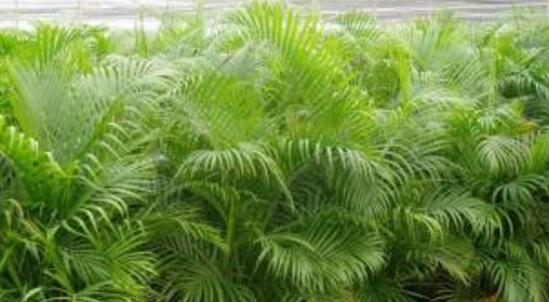
The areca palm is a palm family plant. Its leaves are fully divided and pinnate, flat and slightly arching downward; as a tropical plant, the areca palm can grow to 2-5 m tall, which is why it is so popular. So which propagation method for the areca palm is better? The answer is division and sowing.
Propagation methods for the areca palm
1. How to divide the areca palm
1. Timing
If the climate where you are located stays between 15-25 degrees all year round, then division can be done throughout the year, but the climate conditions in most places cannot meet this requirement, so the most appropriate time for division is usually April-May, and division can be done at the same time as repotting.
2. Detailed steps
First, select the plant and remove it from the pot. Generally, use a plant with many tillers at the base, which ensures it will survive smoothly after division. Take the selected plant out of the potting soil, then divide it into several clumps from the base connection point, with each clump roughly the same size; about 3 plants per clump is generally suitable.
Next is disinfection. Disinfect the divided plants; you can use sulfur powder or plant ash to disinfect the wounds, then place the plants in a cool place for later use. Note that the divided plants should not be exposed to direct sunlight.
Finally, potting. Pot the divided plants separately, and care for them correctly according to the areca palm's cultivation methods and precautions. Since the root system has not fully developed after division, watering should be reduced; you can spray some water on the leaves and just keep the soil slightly moist.
Note: Division is the most common propagation method for the areca palm. Because its growth rate is not fast during the seedling stage, it takes 1-2 years to grow into a slightly larger potted plant, so after division you must strengthen care and try to create a growth-friendly environment for it in terms of light, temperature, soil and so on.
2. How to sow areca palm seeds
1. Selecting seeds
Pick the fruit from a mature areca palm, wash the fruit to remove the flesh, and soak the seeds in warm water at 35 degrees for two days; if conditions do not allow, you can buy areca palm seeds specifically for propagation from a flower market.
2. Sowing
Sprinkle the prepared seeds into the prepared nutrient soil, cover them with 2-3 cm of sandy soil, then pay attention to observing the soil moisture and ambient temperature.
Note: Sowing is generally suitable for large-scale planting, and it takes patient care from sowing to germination. If the potting soil is too dry, you can place the bottom of the pot in water so that water enters the pot through the drainage holes; a water level reaching half of the pot is sufficient.
Propagation methods for the areca palm
The areca palm has a graceful appearance and stays green all year round. It is often used as a courtyard plant in South China. Because the areca palm is very shade-tolerant, it is very suitable for indoor cultivation, but since the areca palm plant is relatively large, indoor cultivation requires frequent pruning. If your areca palm has grown quite large, you can consider using the division method to propagate a new pot of areca palm.
Areca palm
1. Sowing method: The seeds used for propagation by sowing are mostly imported from abroad, and it is difficult to collect mature seeds domestically. Sowing is commonly done in pots, with a soil covering thickness of 1 times the seed size. Keep the potting soil moist, and when the seedlings are 8-10 cm tall, they can be divided and planted.
2. Division method: Generally carried out in spring together with repotting. Choose a plant with many tillers, remove part of the old potting soil, and use a sharp knife to cut it from the base connection point into 2 to several clumps; each clump should not be too small and must have 2-3 plants, with the root system well retained, otherwise growth after division will be slow and the ornamental value will be affected. After dividing and planting, place it in a warmer environment and spray water frequently to help it recover growth.
Propagation and cultivation methods for the areca palm
The areca palm is a clumping evergreen shrub or small tree, and when grown in a pot it can reach more than 2 m. Because the areca palm has a graceful plant shape and is relatively shade-tolerant, it is an ideal indoor foliage plant. The editor will now introduce the propagation and cultivation methods of the areca palm; friends who like it can learn from them.
Areca palm
1. Propagation methods
Mainly propagated by division. Divide the pot about once every 3 years or so. In North China, division can be done in mid-to-late April together with repotting. Choose a pot with many tillers, knock out the plant, remove part of the old soil, and divide it into 2 to several clumps. Each clump should have at least 2 seedlings or more, and be careful to maintain a graceful plant shape. After planting separately, place in a warmer indoor area; recovery is faster above 20°C.
2. Cultivation methods
For potted areca palms, you can use leaf mold, peat soil plus 1/3 river sand or perlite and base fertilizer to make the growing medium. From May to October, apply liquid fertilizer once every 1-2 weeks. The areca palm likes a semi-shaded environment, so in spring, summer and autumn about 50% of sunlight should be blocked. In winter, greenhouse cultivation can go without shading. The areca palm likes a hot, humid environment and is very afraid of cold. In winter, the nighttime temperature should be above 15°C, and around 25°C during the day is better. If it is below 5°C for a long time, it will definitely suffer cold damage. During the growing season, it is necessary to keep the potting soil moist and the air humidity around the plant relatively high. In winter, keep the leaf surface clean; you can frequently spray a small amount of water on the leaf surface or wipe the leaf surface.