What to Do When Crape Myrtle Gets Pests? 3 Pest and 2 Disease Control Methods
Crape myrtle is a highly ornamental flowering plant, and people grow it in many regions of our country. However, during the cultivation of crape myrtle, if the methods are wrong, problems such as pests and diseases easily appear, and then we need to carry out control. What to do when crape myrtle gets pests? How should crape myrtle pest and disease control be done? Below, the editor takes everyone to learn about it.
I. What to Do When Crape Myrtle Gets Pests
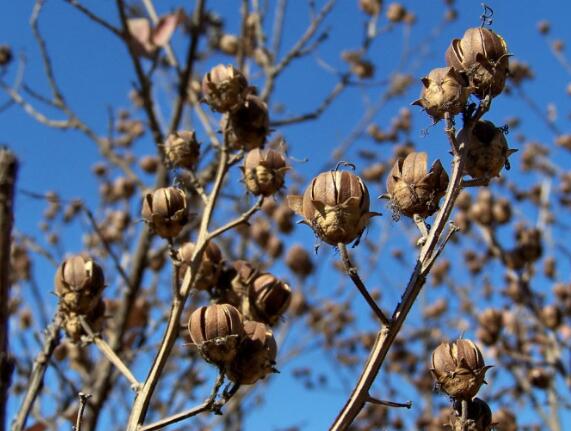
If you want to know what to do when crape myrtle gets pests, first we need to understand what kind of pest or disease has appeared, so that we can deal with it in a targeted way, because every method of crape myrtle pest and disease control is different. Details are introduced below, so let us continue reading.
II. Crape Myrtle Pest and Disease Control
1. Crape myrtle tinocallis aphid pest
The crape myrtle tinocallis aphid is a pest unique to crape myrtle, with a peak period around June each year, so everyone must pay attention at this time. It mainly harms the leaves of crape myrtle, gradually sucking the sap from the leaves, which causes the leaves to lack nutrients and then curl, wither and so on.
Control method: When controlling this pest, first we need to cut off the curled leaves, then use 50% fenitrothion emulsifiable concentrate at 1000 times dilution to spray the plant for control.
2. Crape myrtle mealybug pest
In crape myrtle pest and disease control, the crape myrtle mealybug is a relatively common pest. It mainly attaches to the branches and leaves of crape myrtle, slowly absorbing the sap within, which causes crape myrtle to suffer malnutrition and grow slowly, and in severe cases can even cause the entire crape myrtle plant to wither and die.
Control method: This pest has a peak period from August to September each year, and at this time extra attention is needed. When controlling the crape myrtle mealybug, we can choose to use 25% phosmet emulsifiable concentrate at 1000-1500 times dilution to spray crape myrtle evenly for control.
3. Yellow slug moth pest
The yellow slug moth is a pest that appears on many plants, and crape myrtle is no exception. It mainly feeds on the leaves of crape myrtle, gradually eating away the leaf flesh, and if not dealt with for a long time it may leave crape myrtle as bare stems.
Control method: When controlling the yellow slug moth pest, we can choose to spray 80% dichlorvos emulsifiable concentrate at 1000 times dilution, generally spraying once every 5-7 days, and after 2-3 times this pest can basically be eliminated.
4. Powdery mildew disease
Powdery mildew is a relatively common one in crape myrtle pest and disease control. When it occurs, many powdery spots appear on the leaves of crape myrtle, and as time goes on they gradually spread, finally causing the plant to become smaller, shrink and so on.
Control method: This disease has a peak period from July to August each year, so everyone must pay special attention at this time. When controlling it, we can choose to use 70% thiophanate-methyl wettable powder at 1000 times dilution to spray the diseased plant as a whole.
5. Sooty mold disease
Besides occurring on crape myrtle, sooty mold disease also frequently appears on many other varieties of plants. When it occurs, a layer of black mold appears on the leaves of crape myrtle, greatly affecting its appearance, and it also affects photosynthesis, which causes the leaves of crape myrtle to fall off prematurely.
Control method: For sooty mold disease, we can use 50% carbendazim wettable powder at 1000 times dilution for control, generally spraying the diseased plant once every 7-10 days, and after 2-3 times it can basically be cured.
Nursery Pest and Disease Control Techniques
Controlling seedling pests and diseases is an important part of nursery seedling-raising techniques. During the seedling cultivation process, strengthening the control of seedling pests and diseases is beneficial for improving seedling growth, development and greening effects; nursery pest and disease control must grasp the policy of “prevention first, comprehensive control”, adopt comprehensive control measures in seedling-raising techniques and nursery management, and control the development of pests and diseases.
I. Timely inspect the damage situation of pests and diseases in nursery seedlings
1. When selecting nursery land, carry out a pest and disease survey, with special attention to the survey of underground pests. Dig sample pits along diagonals or in a checkerboard pattern for investigation, then based on the survey results, decide on control measures.
2. When inspecting leaf pests, pay attention to whether seedling leaves have bitten notches, sieve-bottom-like pinholes, or leaves rolled together, and check whether there are insects or eggs in the nearby soil or in piles of rotting grass. When inspecting leaf diseases, pay attention to the shape, color and size of the spots, and whether there is white powder, black mold, etc. But be careful to distinguish disease spots from pesticide damage, fertilizer burn and sunscald.
3. Check whether the seedling stem has holes, fresh insect droppings, wood shavings, galls, etc., in order to check whether there is damage by trunk-boring pests.
4. If phenomena such as seedling leaves drying up, falling early or shoot tips curling are found, and there is no disease or insect on the surface of the dried leaves, check whether the roots are damaged by disease or insects.
II. Technical measures for nursery pest and disease control
(1) Strengthen plant quarantine for nursery seedlings entering and leaving the nursery
Some pests and diseases have a relatively narrow distribution range and cause serious harm only in local areas. However, these pests and diseases can spread with seeds of seedlings, cuttings or roots used as propagation material, logs and other garden products transported over long distances to new areas, expanding the scope of their harm. During the exchange and transport of seedlings, strengthen quarantine; when pests and diseases are found, immediately stop transport and take measures to eliminate them. Doing a good job in quarantine of seedling pests and diseases entering and leaving the nursery, and in quarantine at the seedling production site and during transport, and taking preventive measures, is a major measure for nursery seedling pest and disease control.
(2) Adopt scientific seedling-raising technical control measures
1. Choose good nursery land Avoid raising seedlings on plots that are sticky and wet, poorly drained, or overly saline-alkaline. Also note that the previous crop and the seedlings planned for cultivation must not share common diseases or pests, and select different tree species and densities for raising seedlings according to the different site conditions of the nursery land.
2. Deep plowing in autumn and winter Deep plowing in autumn and winter can improve soil properties and eliminate diseases and insects that overwinter in the soil.
3. Do a good job of nursery sanitation Timely remove weeds, fallen leaves, and diseased and pest-infested wood from the nursery, and burn them in a concentrated way. Remove the mulch on the seedbed in good time to improve sanitary conditions, thereby reducing the population of pathogens and pests. Be careful to avoid piling straw or manure in the seedling-raising area, to prevent diseases and insects from sneaking in.
4. Implement crop rotation and adjust sowing time Implementing crop rotation can restore and improve soil fertility, enhance seedling resistance, and can deprive diseases and insects of parasitic conditions. Properly adjusting the sowing time can avoid the period when diseases and insects occur in large numbers, and prevent or reduce the degree of damage to seedlings.
5. Rationally select and breed seedling varieties Different tree species, and different varieties of the same tree species, differ in resistance to various pests and diseases. If a variety only has fast-growth and high-yield characteristics but is not resistant to pests and diseases, it is difficult to promote it in production. Strengthen the introduction and breeding of excellent garden greening tree species with strong pest and disease resistance.
6. Strengthen seedling tending and management
(1) Rational fertilization: Pay attention to the proper combination of the three elements nitrogen, phosphorus and potassium, and avoid applying too much nitrogen fertilizer. Organic fertilizer must be fully decomposed before application, to avoid attracting pathogens and pests.
(2) Maintain a reasonable seedling density: A reasonable seedling density is beneficial for seedling growth and for controlling the development of diseases and insects.
7. Rational irrigation
In the irrigation of flowers and trees, the method of watering, the amount of water and the timing all affect the occurrence of pests and diseases. Methods such as sprinkler irrigation and “sipping” water often aggravate the occurrence of leaf diseases. It is best to use furrow irrigation, drip irrigation, or watering along the edge of the pot. Watering should be moderate; too much water often causes plant roots to suffocate from lack of oxygen, causing poor plant growth in mild cases and root rot in severe cases, especially for organs such as fleshy roots. The best time for watering is the morning of a sunny day, so that the humidity on the leaf surface can be reduced in time.
Through the above measures, plants can be made to grow robustly, with enhanced pest and disease resistance, and various natural enemy insects, beneficial microorganisms and birds and other natural enemies markedly increase, thereby improving the control capacity of the entire nursery plant system against pests and diseases.
(3) Biological control
Using beneficial organisms to control nursery pests and diseases has the advantages of saving energy, lower control cost, not polluting the environment, not harming natural enemies, promoting sound ecological development, and being able to exert a lasting control effect. The main methods applied in nursery pest and disease control:
1. Microbial preparations That is, using bacteria, fungi, viruses that can cause disease in pests, or their metabolites, to control nursery plant pests. For example, using Bacillus thuringiensis emulsion to control the pagoda tree looper, etc.; microbial insecticides mainly include Beauveria bassiana, Bacillus thuringiensis, insect viruses, etc.
2. Controlling insects with insects That is, protecting and using parasitic or predatory natural enemies to control nursery plant pests. The parasitic natural enemy insects used more often include Trichogramma, Sclerodermus, Eulophidae, Aphelinidae and longhorn beetle parasitic ichneumon wasps, etc.; predatory natural enemy insects include Harmonia axyridis, etc. In nursery seedling production, attention should be paid to protecting the ecological environment around the nursery to create conditions for the reproduction of natural enemies, thereby improving the control effect of various natural enemy insects in nature on pests.
3. Controlling insects with birds That is, protecting and using beneficial birds to control nursery plant pests. In nursery trees, using the method of hanging artificial bird nests to attract beneficial birds such as great tits, woodpeckers and grey-crowned tits can significantly reduce the density of leaf-eating pests and trunk-boring pests.
(4) Chemical control
Chemical control is a commonly used method in nursery pest and disease control, and it is also a major measure for controlling large-scale outbreaks of seedling pests and diseases and eliminating pest source bases. On the premise of doing a good job in forecasting and reporting nursery seedling pests and diseases, correctly using pesticides for timely control can generally achieve good control results.
1. Seed disinfection: Carry out seed disinfection or chemical seed dressing before sowing, to eliminate pathogens on the seed surface and prevent diseases and insects from invading and causing harm.
2. Soil disinfection: When raising saplings in nursery land where diseases or pests have occurred or may occur, soil disinfection should be carried out first.
3. Pesticide spraying for control: Before seedlings become diseased, spray pesticides for prevention; after diseases and insects occur, immediately adopt measures such as chemical pesticide control and manual capture, for comprehensive control.
4. Pesticides commonly used in nursery pest and disease control can generally be divided into 6 types according to different uses
(1) Insecticides These are agents used to control various pests, and some can also have a miticidal effect, such as dichlorvos, dimethoate, methamidophos, chlordimeform, fenvalerate and other pesticides. They mainly kill pests through 4 modes: stomach poison, contact poison, fumigation and systemic action.
(2) Acaricides These are agents specifically for controlling mites (that is, red spiders), such as tetradifon, dicofol and propargite pesticides. Acaricides have a certain selectivity, and their control effects on mites at different developmental stages differ; some have a better contact-killing effect on eggs and larvae or young mites, but a poorer effect on adult mites.
(3) Fungicides These are agents used to control plant diseases, such as Bordeaux mixture, zineb, carbendazim, triadimefon, and kitazin and other pesticides. They mainly act to inhibit pathogen growth, protect crops from invasion, and penetrate into the crop body to eliminate invading pathogens. Most fungicides mainly play a protective role, preventing the occurrence and spread of diseases.
(4) Herbicides These are agents specifically used to control weeds in farmland, such as nitrofen, thiobencarb, fluazifop, chlorotoluron and other pesticides. According to their weed-killing action, they can be divided into contact herbicides and systemic herbicides; the former can only be used to control annual weeds that germinate from seeds, while the latter can kill perennial weeds. Some herbicides, when used at excessive concentration, can kill both weeds and seedlings or cause pesticide damage to crops.
(5) Plant growth regulators These are agents specifically used to regulate plant growth and development, such as gibberellin (920), naphthaleneacetic acid, chlormequat, ethephon and other pesticides. These pesticides have effects similar to plant hormones, and can promote or inhibit plant growth and development to meet the needs of growth.
(6) Nematicides Suitable for controlling various nematodes on vegetables, strawberries, tobacco, fruit trees and forest trees. Nematicides have developed from the original insecticides and fungicides with subsidiary effects into a class of agents. At present, nematicides are almost all soil treatment agents, and most also have the effect of killing fungi and soil pests, and some also have a herbicidal effect. According to chemical structure they are divided into 4 classes: halogenated hydrocarbons, dithiocarbamates and organophosphates.
(5) Physical control
In nursery seedling production, the adult phototaxis of some pests can be used by setting up black light lamps or high-voltage insect-killing lamps to trap and kill adults. Methods such as ultrasound, heat treatment and radiation irradiation can also be used to treat seeds and cuttings to eliminate pathogens or pests; for example, soaking paulownia root cuttings in 47-51°C warm water for 1 hour can control paulownia witches' broom.
In short, in the process of nursery production management, cultivation techniques must be continuously improved and enhanced, and strong seedlings cultivated to improve plant resistance to pests and diseases.
III. Main pest and disease control techniques in nursery production
(1) Aphids
Mainly include goldenrain tree aphid, green peach aphid, peach powdery aphid, cypress giant aphid, rose long-tube aphid, willow tuberculate giant aphid, autumn four-veined cotton aphid, Chinese white poplar aphid, Chinese pagoda tree aphid, etc. Aphids mostly overwinter as eggs, then migrate to other plants to continue causing harm, and before entering winter in autumn they return to the host to cause harm and overwinter. Therefore, controlling the first generation hatched from overwintering eggs is very important and key.
Control methods: (1) Combined with spring pruning, cut off branches with insect eggs; (2) At the budding stage, during the peak hatching period of overwintering eggs, spray pesticides for control. Spray 6% imidacloprid emulsifiable concentrate at 3000 to 4000 times dilution, or 5% acetamiprid emulsifiable concentrate at 5000 to 6000 times dilution, or 50% phoxim emulsifiable concentrate at 800 to 1000 times dilution, or 2.5% deltamethrin at 2500 to 3000 times dilution, etc., one of them for foliar spraying, and pay attention to safety when spraying. Omethoate is also a good medicine for controlling aphids, but omethoate may cause pesticide damage to Rosaceae plants such as peach blossoms, elm-leaved spirea and spreading hedgehog rose, so it must be used with extra care on garden plants and should be avoided as much as possible. (3) Yellow sticky insect boards to trap and kill winged aphids. (4) Pay attention to protecting and using natural enemies, such as ladybugs and green lacewings. (5) Per square meter use
(2) Mites
Mainly include apple red spider, hawthorn red spider, Chinese white poplar gall mite, and the wheat round leaf-footed mite that harms lawns, etc.
Control methods: (1) Do a good job in forecasting and reporting, and timely inspect the leaf surface and leaf back, preferably with the aid of a magnifying glass for observation; when leaf mites are found harming many leaves, spray pesticides early. Controlling early damage is the key to controlling later outbreaks. (2) Remove diseased and pest-infested branches and clear weeds, and burn them in a concentrated way. Under the eaves of houses around green spaces are often habitats for overwintering mites, and these should be inspected and controlled. (3) When the mite population is light and does not affect tree growth, spray clean water to wash them off. (4) When pest occurrence is severe, use 1.8% abamectin emulsifiable concentrate (also called insect-mite nemesis, qimansu, insect-mite killer, insect-mite light, avermectin) at 7000 to 9000 times dilution for uniform spray control; or use 15% pyridaben emulsifiable concentrate (also called sumanone, miemanling, shamanjin) at 2500 to 3000 times dilution, both with good control effects. Avoid using dichlorvos to kill mites, as dichlorvos has a stimulating and multiplying effect on mites. Do not use pyrethroid pesticides, as they are ineffective for mite control. (5) Protect natural enemies, such as ladybugs and green lacewings.
(3) Scale insects and other piercing-sucking pests
Mainly include crape myrtle mealybug, grass covering scale, Korean globular scale, apple globular scale, euonymus arrowhead scale, spotted lanternfly, Chinese pagoda tree psyllid and other piercing-sucking pests.
1. Scale insects
Control methods: (1) Strengthen plant quarantine. Scale insects have weak mobility, their own spread and diffusion is limited, and their distribution is relatively concentrated. During the exchange and transport of seedlings, strengthen quarantine; when such pests and diseases are found, immediately stop transport and take measures to eliminate them. (2) Before trees sprout, use crystal lime sulfur at 50 times dilution to spray branches and trunks to eliminate overwintering insect bodies. (3) Combined with spring watering to revive green, apply 3% carbofuran granules at the roots. Before watering, use a pointed iron awl to make holes around the plant root system every
2. Spotted lanternfly and Chinese pagoda tree psyllid
Control methods: Spray 1.2% bitter•tobacco emulsifiable concentrate at 800 to 1000 times dilution, spray 6% imidacloprid emulsifiable concentrate at 3000 to 4000 times dilution, or 5% acetamiprid emulsifiable concentrate at 5000 to 6000 times dilution, or 50% phoxim emulsifiable concentrate at 800 to 1000 times dilution, or 2.5% deltamethrin at 2500 to 3000 times dilution, etc., all with relatively good control effects. For the spotted lanternfly, egg masses can also be scraped off when pruning trees in spring.
(4) Leaf-eating pests
Mainly include willow leaf beetle, willow tussock moth, pear starriness caterpillar, yellow-tail tussock moth, cypress tussock moth, willow sawfly, box tree webworm, apple brown tortrix, Chinese pagoda tree looper, mulberry tussock looper, elm blue leaf beetle, small green flower chafer, angle-spotted tussock moth, small bagworm, millipede, etc. Most of them overwinter as larvae and come out earlier in spring to cause harm and activity.
1. Pests such as willow tussock moth, cypress tussock moth, box tree webworm, pear starriness caterpillar, yellow-tail tussock moth, Chinese pagoda tree looper, mulberry tussock looper, grey-spotted tussock moth, small bagworm
Control methods: (1) Manually remove egg masses. (2) When larvae are clustered and causing harm, remove the infested leaves and manually capture and kill the larvae. (3) Use frequency-vibration insect-killing lamps to trap and kill adults. (4) Before the larvae reach the 3rd instar, choose biological or bionic pesticides, such as applying Bt wettable powder with a content of 16000 IU/mg at 500 to 700 times dilution, 1.2% bitter-tobacco emulsifiable concentrate at 800 to 1000 times dilution, 25% diflubenzuron suspension concentrate at 1500 to 2000 times dilution, 20% miman suspension concentrate at 1500 to 2000 times dilution, etc. (5) When larvae occur over a large area, spray 20% fenvalerate at 2000 to 3000 times dilution, 2.5% deltamethrin at 1500 to 2000 times dilution, 50% phoxim emulsifiable concentrate at 1000 to 1500 times dilution, 20% fenvalerate emulsifiable concentrate at 1000 to 1500 times dilution and other pesticides for control. (6) Protect natural enemies, such as braconid wasps and mantises.
2. Pests such as willow leaf beetle, willow sawfly, elm blue leaf beetle
Control methods: (1) Using their death-feigning behavior, when overwintering adults climb the tree, shake them off and kill them. (2) Manually scrape off insect eggs and newly hatched larvae, and burn them in a concentrated way. (3) Inject pesticides into the trunk. Use 6% imidacloprid emulsifiable concentrate or 40% omethoate emulsifiable concentrate, at 1 milliliter per
(5) Trunk-boring pests
Mainly the larvae of rose stem sawfly, ash Hartig stem sawfly, Asian longhorned beetle, peach red-necked longhorn beetle and others cause harm.
1. Rose stem sawfly
Control methods: (1) Strengthen maintenance and management; during the growing season, at any time cut off wilted or broken branches damaged by the pest (cut until there is no boring tunnel in the stem pith) and burn them in a concentrated way, eliminating the larvae and eggs inside. This method is the most effective and fundamental way to control the rose stem sawfly. (2) Rationally arrange plants. Adult rose stem sawflies are not good at flying long distances, so when designing plantings, varieties must not be too uniform, so as to form natural isolation belts around and prevent their spread and transmission. (3) When pruning in spring, pest-carrying branches found must be thoroughly eliminated; cut off the pest-carrying branches and cut the larvae inside in half to kill them; if it is found that the insect body has bored into the roots, a syringe can be used to inject 50 times dilution of 6% imidacloprid emulsifiable concentrate, 5 to 10 milliliters, into the bore hole, and immediately seal it with mud to poison the remaining larvae, and promptly dispose of and burn the cut branches. (4) At the early stage of adult emergence of the overwintering generation (the peak period of willow catkin flight) and the egg hatching period, use 6% imidacloprid at 1500 to 2000 times dilution or 20% fenvalerate emulsifiable concentrate at 1500 to 2000 times dilution for spraying, to poison adults and larvae. Or bury 3% carbofuran granules at the plant roots. (5) Select and breed pest-resistant varieties. For example, the Mannheim rose with a low branching point has better pest resistance than the hybrid tea rose with a high branching point; rejuvenated roses have better pest resistance than old roses; double-flowered floribunda roses are more resistant to this pest. (6) Pay attention to protecting parasitic wasp natural enemies such as Pteromalidae. The rose stem sawfly has many natural enemies. Place pest-carrying branches cut during the larval stage in a gauze cage and hang it where roses are planted; the small parasitic wasps fly out and then parasitize the larvae of other rose stem sawflies, with a parasitism rate often reaching more than 50%.
2. Ash Hartig stem sawfly
Control methods: (1) Combined with spring tree pruning, eliminate overwintering larvae. Generally when pruning in spring, cut off branches with brown spots and burn them in a concentrated way, reducing the number of overwintering larvae. (2) Spray to kill adults. In mid-to-late April, from the adult emergence period to the larval hatching period of the ash Hartig stem sawfly, use 40% omethoate at 1000 times dilution or 10% imidacloprid at 1500 times dilution plus a synergist to spray the leaf surface and current-year branches. (3) Inject pesticides into the trunk. Inject 40% omethoate or 6% imidacloprid emulsion into the tree; the method is to dilute the liquid 10 to 20 times, and inject 1 milliliter of liquid per
3. Longhorn beetle pests such as Asian longhorned beetle and peach red-necked longhorn beetle
Control methods: (1) From the frass ejection holes, manually use wire hooks to pull out and kill the larvae. (2) Chemical control. At places with fresh frass ejection holes, use tweezers to first remove all frass residue, and use a small knife to pry open the cortex around the frass ejection hole, then immediately insert 52% aluminum phosphide tablets or use a syringe to inject omethoate to poison the larvae, then seal the damaged part with thin mud to prevent gas leakage. (3) Inject pesticides into the trunk. The method is to make a hole in the trunk 5 to 10 cm above the ground, with a hole diameter of 0.8 to 1
(6) Underground pests
Underground pests mainly refer to a class of pests that live in the soil during their harmful period, mainly including mole crickets, white grubs, cutworms, etc. This class of pests has many species and a wide range of hosts.
Chemical control methods: (1) Phorate. When making beds, evenly mix it into
Manual control methods: The places where white grubs occur have some patterns to follow. In flat nursery land, their activity is closely related to soil temperature. When the soil temperature at
(7) Leaf spot diseases
Leaf spot disease is the general term for various shaped spot diseases caused by local infection of leaf tissue. But leaf spot disease does not only occur on leaves; some diseases occur both on leaves and on branches, flowers and fruits. Types of leaf spot disease: black spot, brown spot, round spot, angular spot, spot blight, ring spot, etc.
Control methods: (1) Strengthen cultivation management. Fertilize reasonably, with sufficient fertilizer and water; in summer drought, irrigate promptly; build nurseries on well-drained soil; planting density should be appropriate to allow ventilation and light penetration and reduce leaf moisture; remove field weeds promptly. (2) Eliminate sources of infection. Sweep up fallen leaves at any time and remove diseased leaves. In winter, carry out heavy pruning on severely diseased plants and remove overwintering pathogens on diseased stems. During the dormant period, spray 3-5 degrees Baume lime sulfur mixture. (3) Chemical control. Pay attention to timely application of chemicals at the early stage of disease. According to the type of disease, the following chemicals may be selected: 70% thiophanate wettable powder 1000x solution, 10% difenoconazole water-dispersible granules 6000-8000x solution. 50% amobam aqueous solution 1000x solution, spray once every 10-15 d, continuously spray 3-4 times.
(8) Powdery mildew group
Control methods: (1) Eliminate overwintering pathogens; in autumn and winter, in combination with pruning, cut off diseased and weak branches, and remove dead branches and fallen leaves and burn them in a centralized manner to reduce the sources of primary infection. (2) During the dormant period, spray 2-3 degrees Baume lime sulfur mixture to eliminate overwintering mycelium in diseased buds or cleistothecia in diseased parts. (3) Strengthen cultivation management and improve environmental conditions. (4) Chemical control: at the early stage of disease, spray 15% triadimefon wettable powder 1500-2000x solution, 40% flusilazole emulsifiable concentrate 8000-10000x solution, 45% thiabendazole suspension 300-800x solution. In greenhouses, 10% triadimefon smoke agent may be used for fumigation. (5) Biological agents: in recent years biological pesticides have developed rapidly; BO-10 (150-200x solution) and antimycin 120 also have good control effects on powdery mildew. (6) Plant disease-resistant varieties: selecting disease-resistant varieties is one of the important measures for controlling powdery mildew.
(9) Anthracnose group
Control methods: (1) Strengthen maintenance and management to enhance the disease resistance of plants. Select disease-free plants for cultivation; fertilize reasonably and practice crop rotation; planting density should be appropriate to facilitate ventilation and light penetration and reduce humidity; pay attention to the watering method and avoid flooding irrigation; pot soil should be renewed or disinfected promptly. (2) Eliminate pathogens. Promptly remove dead branches and fallen leaves, cut off diseased branches, scrape off stem lesions, thoroughly remove diseased residues such as rhizomes, bulbs, and corms, and eliminate sources of primary infection. During the dormant period, spray 3-5 degrees Baume lime sulfur mixture. (3) During the disease period, apply chemical control, especially spraying fungicides promptly at the early stage of disease. Optional chemicals include: 47% kasugamycin-copper wettable powder 600-800x solution, 40% flusilazole emulsifiable concentrate 8 000-10000x solution, 10% difenoconazole water-dispersible granules 6 000-8 000x solution, 10% polyoxin wettable powder 1000-2000x solution, 6% validamycin wettable powder 1500-2000x solution, 50% carbendazim 800x solution, 70% thiophanate-methyl 1000x solution, 75% chlorothalonil 800x solution or 80% anthracnose thiram 800x solution, once every 10-1 5 d, continuously spray 4—5 times. (4) Breed or use disease-resistant varieties.
(10) Seedling damping-off and Rhizoctonia rot
Control methods: (1) For the control of seedling damping-off and Rhizoctonia rot, comprehensive control measures should be adopted, mainly based on seedling cultivation measures, combined with chemical control. (2) Treat the seedbed with chemicals and perform soil disinfection well. (3) Strengthen seedbed management. Select plots with higher terrain, better drainage, and sufficient light for raising seedlings. Promote nutrient pot seedling cultivation. Carefully select seeds and raise seedlings at the proper time. (4) Spray chemicals promptly for control at the early stage of disease.
(11) Downy mildew (late blight) group
Control methods: (1) Strengthen cultivation management. Promptly remove diseased branches and dead fallen leaves. Adopt scientific watering methods and avoid flooding irrigation. Greenhouse cultivation should pay attention to ventilation and air permeability and control temperature and humidity. Roses planted in the open field should also receive sufficient sunlight and ventilation. (2) Chemical control. Before flowering, in combination with the control of other diseases, spray 1:0.5:240 Bordeaux mixture, 75% chlorothalonil wettable powder 800x solution, 50% captan wettable powder 500x solution. In June, when scattered diseased spots appear in the field, begin spraying 58% metalaxyl-mancozeb wettable powder 400-500x solution, 69% dimethomorph-mancozeb wettable powder 800x solution, 40% phosethyl-Al wettable powder 250x solution, 64% oxadixyl-mancozeb wettable powder 400-500x solution, 72% cymoxanil wettable powder 750x solution. Spray once more in July, and the damage can basically be controlled. (3) After disease onset, 50% metalaxyl-copper wettable powder 600x solution or 60% iprobenfos·fosetyl-aluminum wettable powder 400x solution may also be used for root drenching, with each plant drenched with the solution
(12) Viral diseases
Control methods: (1) Propagate virus-free nursery stock and take cuttings from healthy plants. Diseased plants or suspect diseased plants must not be used as propagation material. Externally healthy and vigorously growing plants should be selected twice; cuttings should be broken by hand rather than cut with a knife. Diseased plants in
Year-round care schedule for the perennial garden
A perennial garden is beautiful, but it also needs your care and attention throughout the year, and garden owners should understand the needs of their own garden. Here we have listed a detailed task list, precise down to what needs to be done each month, just so your garden can be healthy, beautiful, and full of vitality.
Year-round care schedule for the perennial garden
January
Kick off the new year of gardening work by cutting some large branches from pines and arborvitae and laying them over perennial beds, which both isolates cold air and enlivens the winter garden's color palette. In spring, use branches with many forks and few thorns for staking. Look through plant mail-order catalogs or product catalogs published by horticultural companies and order your desired products as early as possible. Check stored tubers and bulbs and throw away any that have become moldy or rotten. Gardeners in warm regions should clear weeds from the garden in advance to prepare for a new round of sprouting. Sow potted plants and perennial bulbous plants.
February
Take stock of gardening tools; repair what needs repairing and oil what needs oiling. Gardeners in the south begin preparing for cultivation from this month, while in the north everyone should still pay attention to the occurrence of late spring cold; if you have a greenhouse or sunroom, you can buy a spotlight that promotes plant growth to supplement light artificially. Gardeners in the south should deal with winter annual weeds as soon as possible before they set seed, clean up perennial beds, and remove already damaged leaves.
Year-round care schedule for the perennial garden
March
Continue raising seedlings; at this time, good indoor light will benefit the growth of seedlings. Even in the Yangtze River basin, the phenomenon of "March snow" is very common, so protection work for cold-sensitive plants cannot be relaxed, and they should not be moved outdoors early. Outdoors, prune the remaining leaves and stems of perennials; at this time it is still too early to remove the mulch from the beds, as temperatures below 7°C at night will damage perennials. In the warm regions of the south, divide summer- and autumn-flowering perennials, such as coreopsis, phlox, and chrysanthemums, and keep weeding. Fertilize before plant growth, either foliar feeding or root feeding, or both at the same time.
April
Whether in the south or the north, starting in April, temperatures have already begun to stabilize and rise noticeably. Remove the remaining winter protection around plants; in high-latitude regions, wait until May to remove it. When the soil is too wet, it is not suitable for cultivation; begin staking top-heavy or tall crops. Gardeners in southern regions should continue weeding and dividing, and buy and plant summer bulbs. At this time, pests and diseases that overwintered in dormancy also begin to become active. The most important thing for pests and diseases is prevention; unsuitable environments, excessive moisture, and excessive fertilization are the causes of pests and diseases, so try to eliminate pests and diseases in the early and initial stages.
Year-round care schedule for the perennial garden
May
Renew the mulch of perennials and keep the mulch layer 5 cm deep; consider using compost as mulch, as its decomposition will nourish the plants. Late-emerging plants such as Gaura lindheimeri and balloon flowers should no longer be planted now; prune chrysanthemums, phlox, asters, hyssop, and lemon balm down to only two sets of leaves. In southern regions, remove the withered leaves of daffodils and Dutch irises, and pay attention to pest control and weeding.
June
After spring-flowering plants finish blooming, divide them, including bearded irises and Oriental poppies. Remove spent flowers to keep the garden tidy and prevent disease outbreaks. Now is the peak growing season for plants, and they need 2.5 cm of water irrigation each week; if there is little rain, artificial watering is needed. The general watering principle is "water when dry, stop when wet." Observe whether the soil is dry to a finger's depth; you can feel the moisture of the medium by hand, or insert a chopstick to judge dryness and wetness. When watering, it must be thorough, moistening things silently like spring rain, rather than washing with water, otherwise the water will simply run off and not truly be absorbed by the soil. It should be noted that in any season watering must be done before 10 a.m. In midsummer, the soil usually dries before dusk, so depending on the situation, water once more at dusk, or water the leaves. Watering all the leaves can wash away dust that hinders leaf respiration, letting it drip down, promoting plant growth, and also allowing the soil to receive sufficient moisture. Avoid watering the leaves at noon to prevent sun scorching and leaf burn. If the water flow is too strong, it will make plants lodge, so pay attention to water pressure when watering. Plant autumn-flowering plants.
Year-round care schedule for the perennial garden
July
Visit flower markets to see what plants you still need to add, divide plants that have grown too dense, and divide daylilies after they bloom so the roots have time to become established. Pay attention to pest control; if necessary, remove insects by hand, and begin planning for autumn.
August
If there is little rain, water the garden regularly; giving autumn-flowering perennials extra water will help them bloom. Clean up spent flowers and withered leaves in the garden, prune the flower stems of perennials such as bearded irises, daylilies, and hostas, and begin ordering plants for autumn sowing.
Year-round care schedule for the perennial garden
September
Buy autumn chrysanthemums and spring-flowering bulbs, insert flowering pansies into beds or flower pots; in mild climate zones, these annual plants will be among the few components of the winter garden's color palette. Plant potted asters and chrysanthemums into the garden to increase the color of the autumn garden. Complete overwintering protection measures before the garden soil freezes. Take a walk through parks and flower markets to look for inspiration and see what plants still need to be added for next spring. Autumn pests and diseases still cannot be ignored; pests and diseases of plants such as persimmon trees, crape myrtles, and smoke trees have entered a period of high incidence, so pests and diseases must be thoroughly eliminated to prevent their spread.
October
Sow spring-flowering bulbs and continue watering perennials until they enter dormancy. Clean up the garden, compost plant residues, measure soil pH, add some lime if the soil is too acidic, and treat it with sulfur if it is too alkaline. Dig up and store fragile bulbs, such as caladiums, agapanthus, dahlias, and Alocasia. Most flowers such as roses, peonies, crape myrtles, and pomegranates should be pruned and shaped in autumn to help the plants reduce nutrient consumption in winter, remove diseased branches, dead branches, overly dense branches, and leggy branches, and lay a good foundation for next year's growth.
Year-round care schedule for the perennial garden
November
After the ground freezes, cover the garden with a mulch layer and apply rotted manure, compost, or crushed leaves to perennials. When plants become weakened by disease or harsh environments, fertilization should be stopped. In cold regions, prepare potted plants for overwintering, drain the water from garden hoses, put them away, take back the stakes set in the ground, and throw away any that have rotted or broken. In the north, water plants grown in the ground thoroughly once with freezing water before the ground freezes. In southern regions, if there is little rain, pay attention to keeping the compost pile moist. Now is exactly the season in the south for planting spring-flowering bulbs and peonies.
December
Observe the garden in winter to see whether its landscape has areas that need improvement and which areas lack color. Order seeds and tidy up the place where gardening tools are stored. The aboveground parts of herbaceous perennial flowers die back in winter, while the underground parts remain to overwinter. Carry out treatment across the whole garden to remove dead grass and fallen leaves, which can both reduce the shelter of overwintering pests and diseases and prevent the occurrence of fires.