Climbing rose growing methods and precautions, with plenty of light
The climbing rose is one of the most well-known plants in the world, with high ornamental value, and many people grow it in every region of China. However, there are many things to pay attention to if you want to grow it well. How do you grow climbing roses? What are the growing methods and precautions for climbing roses? Below, the editor will walk you through them.
I. How to grow climbing roses: understand their habits
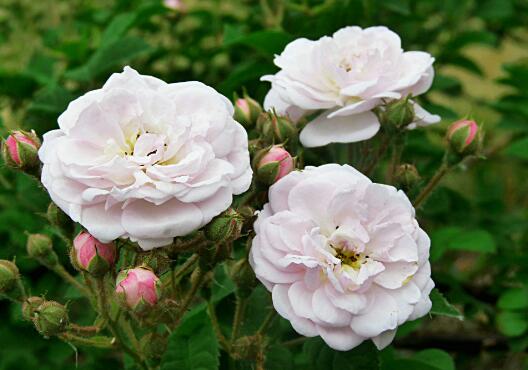
If you want to know how to grow climbing roses, you first need to understand their growth habits. This plant likes an environment with plenty of sunlight and good air circulation, so when growing it we must maintain sufficient light, and the environment must be well ventilated, so that it can grow better.
II. Growing methods and precautions for climbing roses
1. Soil: rich in organic matter
As for soil, climbing roses do not have very high requirements, but different soils still have a certain effect on their growth. Generally, it is best to choose a slightly acidic soil that is rich in organic matter, fertile and loose. This kind of soil has good drainage and is rich in nutrients, allowing climbing roses to grow better.
2. Temperature: 15-25°C
During the growth of climbing roses, the ambient temperature is very important; only when it grows at a suitable temperature can it grow better. Its optimal growing temperature is between 15-25°C. If the temperature is below 5°C, it will begin to go dormant, while above 33°C the flower quality will be relatively poor.
3. Fertilizing: avoid strong fertilizer
Because climbing roses bloom profusely, their demand for fertilizer is very high. In the winter dormant period, sufficient base fertilizer should be applied; during the growing period, regular fertilizing is needed; and after the peak bloom in May, additional fertilizing is also needed. By late autumn, fertilizing should be controlled to prevent the autumn shoots from growing too vigorously and being damaged by frost. When fertilizing, we must be careful not to use strong fertilizer, so as not to burn the plant.
4. Water: keep sufficient moisture
Throughout the entire growing period of climbing roses, they must not be allowed to dry out. From budding to leafing out and blooming, we need to keep them supplied with sufficient moisture so they can grow better. After entering the flowering period, their demand for water becomes even higher, and we should often keep the soil moist to ensure their flowers are large and vivid.
5. Light: pay attention to shading in summer
The climbing rose prefers light, but when receiving light it still needs to be kept within reason. In spring and autumn, when the light is relatively moderate, we can let it receive light all day. After entering summer, because the light is relatively intense, we still need to provide shade at noon.
6. Pests and diseases: deal with them promptly
When growing climbing roses, if we are not careful enough, pests and diseases easily appear. Such problems are very harmful to the plant, not only affecting its ornamental value but in severe cases also causing it to wither and die. So when such problems appear, we must deal with them promptly. The specific treatment methods were covered by the editor in the article on pest and disease control for climbing roses, which you can look at.
III. How to prune climbing roses: cut off weak branches
In the process of growing climbing roses, we also need to prune them regularly, cutting off some overly dense branches as well as dead, diseased and weak branches. This helps the plant's ventilation and light penetration and also promotes branching.
How to grow climbing roses: growing methods for climbing roses
The climbing rose is a deciduous climbing shrub of the genus Rosa in the family Rosaceae. It is a world-famous ornamental plant, distinguished from the common shrub roses by its elongated climbing branches and densely clustered flowers, and it has high growing value. Below, let us take a look at how to grow climbing roses and the growing methods for climbing roses!
Growth habits of climbing roses
Climbing roses are highly adaptable and relatively cold-tolerant. When the winter temperature drops below 5°C, they enter dormancy. If high summer temperatures persist above 30°C, most varieties bloom less and their quality declines, entering a semi-dormant state. Generally, varieties can tolerate low temperatures of -15°C. Growing requires a slightly acidic soil rich in organic matter, fertile and loose, but the range of soil they can adapt to is fairly wide. The relative air humidity for growing should preferably be 75-80%, though slightly drier or slightly moister is also acceptable. They have the characteristic of continuous blooming and need to be kept in circulating air, free of pollution.
Propagation techniques for climbing roses
Climbing roses are difficult to propagate from cuttings, so asexual propagation methods such as grafting are commonly used. For grafting propagation, it is best to use a thornless rose as the rootstock, because wild roses can adapt to harsh environments and are easy to keep alive. Branch, bud and root grafting are all possible. For branch grafting, the rootstock must first be stored in sand; bud grafting can be done in all four seasons, taking buds and grafting them at any time, commonly using the U-shaped grafting method.
Growing methods for climbing roses
1. Soil conditions: When planting climbing roses, choose fertile, loose soil with good drainage. The pot for growing roses should have holes in the bottom, and some crushed stone should be placed inside to make the most of its drainage capacity. Climbing roses are not strict about soil, but a slightly acidic soil rich in humus is best.
2. Light requirements: Climbing roses like an environment with plenty of sunlight and good air circulation. Never place climbing roses in a dark and damp place to grow. To avoid direct strong light, they can be temporarily placed in a shaded spot; during the flowering period, especially pay attention to shading, otherwise the flowers easily dry up.
3. Temperature conditions: Climbing roses like to grow in a warm environment, but they are afraid of intense heat. Therefore, when growing climbing roses in summer, pay attention to appropriate shading; during the hottest period, they can be moved indoors. The most suitable temperature is 22-25°C.
4. Water requirements: Climbing roses like a warm and humid environment, and an air humidity of 75-80% is most suitable for growing them. At the same time, climbing roses can tolerate slight drought. Therefore, during growing, basically follow the principle of not watering until dry, and watering thoroughly when you do. The watering time and amount need to be carried out according to how dry the soil in the rose pot is.
5. Reasonable fertilizing: Fertilizing is also an important part of growing climbing roses. After May comes the peak growing season for roses. Every 10 days, additional fertilizer should be applied once. The fertilizer does not need to be specially purchased; you can use fully fermented fish liquid, vegetable leaf liquid, etc., with a fertilizer-to-water ratio of about 3:7, and continue fertilizing until November.
6. Timely pruning: Climbing roses have relatively long canes. Letting them grow freely not only makes them formless but also affects growth and flowering, so they need to grow attached to some pre-made support frame. Therefore, one of the tasks of shaping and pruning is to let them grow well on a pre-arranged support frame according to the needs of the garden landscape, so as to form a unique ornamental shape and achieve the ideal landscape effect.
7. Flowering period control: Climbing roses are suitable for planting in different regions of northern and southern China. In North China, they generally begin to bud in mid-March, leaf out in late March, and begin flowering in mid-May. Multi-flowered varieties can bloom repeatedly until mid-November, and gradually lose their leaves after frost. Multi-flowered varieties set fruit after the first bloom, and the fruit turns orange or red by November.
Growing methods and precautions for climbing roses
Climbing roses have varied flower shapes, diverse colors and a long flowering period, and the flowers give off a strong fragrance, making them very suitable for potted display. So how do you grow climbing roses? What needs attention when growing them? Let us learn about it together below.
I. Growing methods for climbing roses
1. Soil: For potted climbing roses, special attention should be paid to changing the soil at every stage, generally changing the soil in spring before the new buds sprout.
2. Light: Climbing roses like to be shone on by plenty of sunlight. In daily care, on average there should be at least 6 hours of light per day, otherwise the flowers of climbing roses will not look as good, because they lack sunlight.
3. Temperature: Climbing roses like a warm climate environment. The most suitable temperature is 18°C to 28°C. Be sure not to expose them to high-temperature sun.
4. Water and fertilizer: Watering climbing roses is quite particular; it should be neither dry nor wet. For potted climbing roses, be sure not to let water accumulate in the pot, as this easily causes root rot. Usually, simply keeping the soil moist is enough.
5. Pruning: Before transplanting climbing roses, first thin out aged branches, thin and weak branches, damaged branches and pest- or disease-damaged branches. After digging up the seedlings, the root system should also be pruned, cutting off old roots and diseased roots and trimming the cut surfaces of damaged roots smooth to aid healing.
II. Precautions for growing climbing roses
Climbing roses like sunlight, but too much direct strong light is also unfavorable to bud development, and the petals easily scorch. High summer temperatures are unfavorable to flowering. Keep the environment well ventilated, well drained and sheltered from wind; without air circulation, they easily suffer from powdery mildew.
During the growth of climbing roses, constant pruning is needed, and the growth of the plant shape must be strictly controlled, which can effectively improve the plant's ornamental value. This is done during the growing season of the roses. Usually, fertilizing can be done together with watering. After the roses go dormant in winter, you can dig pits around the flower seedlings and bury fully decomposed organic fertilizer.
The above isgrowing methods and precautions for climbing rosesintroduction. Climbing roses are a mass of blooms, extremely beautiful, with good ornamental value, and are a great choice for decorating the home.