What to do when the leaf tips of a variegated spider plant dry up? Adjust light, water and fertilizer, and replace the potting soil
The variegated spider plant, just like its name suggests, is a type of spider plant, characterized by the golden edges on its leaves, looking fresh and elegant, very attractive. But when grown indoors, many flower lovers' variegated spider plants develop various problems, such as dry leaf tips. So what should you do when the leaf tips of a variegated spider plant dry up? Today, let us solve this problem for you.
I. When the leaf tips of a variegated spider plant dry up, find the cause
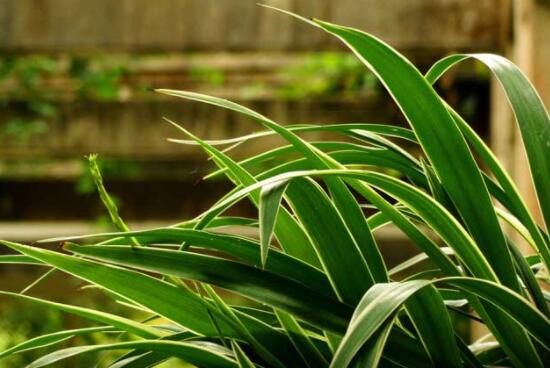
As a common indoor potted plant, the variegated spider plant is not difficult to grow, but because most growers are beginners, they often cause problems with the leaves, such as dry leaf tips, blackened leaf tips, and soft leaves on the variegated spider plant. For this, we have found 6 causes of dry leaf tips on the variegated spider plant, along with solutions. Let's read on.
II. Causes of dry leaf tips on the variegated spider plant and solutions
1. Sudden environmental change
Regarding the causes of dry leaf tips on the variegated spider plant, the first thing everyone thinks of should be environmental problems. Nowadays, many flower lovers' variegated spider plants are purchased online, which leads to too great an environmental change; the plant cannot adapt for a while, resulting in the symptom of withered yellow leaf tips.
Solution: Very simple, ask the seller about the variegated spider plant's previous growing environment, then replicate it at home until the variegated spider plant fully adapts. After a period of normal care, the plant's leaves will recover.
2. Improper lighting
① Insufficient light: The growth of the variegated spider plant cannot do without light. Once it is placed in a relatively shady spot for a long time, its leaves easily lose their luster, or even dry up. Solution: Just supplement light, but the light must not be too strong; preferably the shade level should reach above 50%.
② Excessive light: The variegated spider plant likes light, but also dislikes strong light. If it receives direct sunlight in summer and autumn, it easily develops dry leaf tips. Solution: Move it to a ventilated spot with scattered light, water an appropriate amount after an hour, and once the leaves recover, return to normal care.
3. Insufficient watering
The variegated spider plant likes a humid environment. Once the potting soil is too dry, the leaves cannot absorb enough water, and the leaf tips may develop dry symptoms.
Solution: What to do when the leaf tips of a variegated spider plant dry up? If it is caused by insufficient watering, it is very simple, just supplement water, but do not water too much at once; just keep the potting soil moist.
4. Improper fertilizing
① Insufficient fertilizing: The growth of the variegated spider plant cannot do without nutrients. Once fertilizing is insufficient, causing the plant to lack nutrients, it easily ages, and its external manifestation is dry leaf tips. Solution: Very simple, just supplement nutrients. Flower lovers can add fertilizer once every week, but it is best to apply less nitrogen fertilizer.
② Excessive fertilizing: The variegated spider plant likes fertilizer, but too much fertilizing can also cause dry leaf tips. Once fertilizing exceeds the plant's needs, at first the leaves become glossy and uneven, then the root system rots, and the external manifestation is dry leaf tips. Solution: Stop fertilizing, and water with plenty of clear water to dilute the fertilizer; in severe cases, repot, cut off the rotten roots, then replace with new soil and replant.
5. Pests and diseases
When the potting soil is waterlogged and ventilation is poor, the variegated spider plant first develops root rot, then contracts root rot disease, and one of the symptoms of the disease is dry leaf tips.
Solution: According to the pest and disease control for the variegated spider plant, find the corresponding pesticide, then purchase it and spray.
6. Unsuitable soil
If the above points can be ruled out, then the dry leaf tips of the variegated spider plant may be caused by unsuitable soil. It is understood that when the potting soil is not changed for a long time, the various nutrient elements contained in the soil are continuously lost. When the three elements nitrogen, phosphorus and potassium are not replenished in time, the symptom of dry leaf tips on the variegated spider plant appears.
Solution: Replace it in time with fertile loam soil, and water an appropriate amount of alum fertilizer water.
Overall, the variegated spider plant is still very easy to grow, but because many flower lovers are beginners, yellowing leaves inevitably occur. However, after reading the whole article, I believe everyone has a clearer idea now. If yellowing leaves occur, just remedy it according to the methods above. That is all for the dry leaf tips of the variegated spider plant; hope it helps everyone.
What to do when the leaf tips of a variegated spider plant turn black? Learn 5 tricks to easily solve it / water and fertilizer are key
As a beautiful foliage plant with strong adaptability, the variegated spider plant is kept in many homes. But because there are many novice growers, improper care often occurs, and the first thing to suffer is the leaves of the variegated spider plant, which develop yellowing and blackening symptoms, affecting its overall ornamental value. So what should you do when the leaf tips of a variegated spider plant turn black? Today, let us solve this problem for you.
I. When the leaf tips of a variegated spider plant turn black, find the cause
The variegated spider plant is a plant with strong adaptability and vigorous vitality. When grown indoors, as long as you are a bit careful, no problems will occur. But being easy to grow does not mean it can be grown carelessly. Once you do not follow the cultivation methods for the variegated spider plant, the plant's leaves may develop blackening symptoms. For this, the first thing we should do is find the cause, then solve it accordingly.
II. Causes of blackened leaf tips on the variegated spider plant and solutions
1. Unsuitable soil
Because of its strong adaptability, the variegated spider plant has no strict soil requirements. But it also likes a humid environment, so it needs sufficient water, and if the soil drainage is poor, compaction will occur. Once the soil has problems, blackening leaves on the variegated spider plant easily appear.
Solution: If it is a soil problem, it is easy to solve. You should immediately replace the potting soil with loose, fertile, well-draining and breathable sandy soil. If there are rotten roots, cut them off before replanting.
2. Improper lighting
Light is key to the growth of the variegated spider plant. Once it is insufficient or too strong, it will cause poor growth. If too much light affects the humidity of the environment, it easily causes blackened leaf tips on the variegated spider plant.
Solution: For lack of light, naturally supplement light. Place the variegated spider plant in a semi-shaded spot and give it sufficient light.
3. Temperature too low
Regarding the causes of blackened leaf tips on the variegated spider plant, flower lovers should also consider the temperature problem. Because the variegated spider plant likes a warm environment, once it encounters winter or abnormal low-temperature conditions, its growth will develop problems, leading to blackened leaf tips.
Solution: Move the plant indoors and adjust the room temperature to around 20°C. After a period, the leaves of the variegated spider plant will recover to health. Note that for the variegated spider plant to overwinter safely, it is best to keep the room temperature above 10°C.
4. Insufficient water
The variegated spider plant likes a relatively humid environment, but it dislikes waterlogged potting soil, so too little or too much watering will cause problems. As for blackened leaf tips on the variegated spider plant, it is often caused by insufficient watering, because insufficient water easily causes problems at the leaf tips.
Solution: Very simple, just supplement water and fertilizer, but do not water too much the first time; afterward, water thoroughly, aiming to keep the potting soil moist.
5. Insufficient fertilizing
The growth of the variegated spider plant needs sufficient nutrients, but fertilizing must not be excessive, otherwise it easily causes root burn, resulting in dry leaf tips; but if fertilizing is insufficient, causing a lack of nutrients, it may cause its leaf tips to wither and turn black.
Solution: If the blackened leaf tips of the variegated spider plant are caused by insufficient nutrients, you only need to fertilize an appropriate amount.
Overall, the variegated spider plant is a very easy plant to grow. As long as you pay attention to its growing environment and promptly adjust unfavorable conditions, it can grow healthily. Of course, it does not matter if blackened leaf tips occur; just follow the solutions above. That is all for blackened leaf tips on the variegated spider plant; hope it helps everyone.
What to do when the leaves of a variegated spider plant become soft? Pay attention to 4 points and softness is no worry / the air must not be too dry
As a common foliage plant, the variegated spider plant has strong effects. It not only looks good, but can also remove formaldehyde, and has good medicinal uses, so it is kept in many homes. But when grown indoors, many flower lovers encounter soft leaves. So what should you do when the leaves of a variegated spider plant become soft? For this, we have found 4 possible causes. Let's take a look together.
I. When the leaves of a variegated spider plant become soft, find the cause
The beauty of the variegated spider plant is mostly shown in its leaves, slender and drooping, emerald green in color, looking beautiful and elegant. But if the beautiful leaves become soft, it will seriously affect the ornamental value of the variegated spider plant. So what should you do when the leaves of a variegated spider plant become soft? For this, we have summarized 4 causes of soft leaves, along with solutions. Let's read on.
II. Causes of soft leaves on the variegated spider plant and solutions
1. Dry air
Regarding the causes of soft leaves on the variegated spider plant, everyone thinks of watering or fertilizing mistakes, but in fact humidity is also a point that cannot be ignored. It is understood that the variegated spider plant likes a humid environment. In summer and winter, the air becomes very dry, and if humidity is not increased in time, its leaves will become soft.
Solution: In summer or winter, we should appropriately mist the leaf surface of the variegated spider plant to increase the humidity of the surrounding air. I believe that before long, the leaves of the variegated spider plant will recover to health.
2. Improper lighting
The variegated spider plant likes light, and needs sufficient light during the growing period. If it is placed in shady spots for a long time, it will cause symptoms such as soft leaves and dry leaf tips on the variegated spider plant.
Solution: The variegated spider plant dislikes strong light, so when giving it sufficient light, avoid direct strong light. Therefore, it is best to place the plant in a spot with scattered light for care, that is, a place with a shade level above 50%.
3. Overwatering
The variegated spider plant likes a humid environment, and during growth we need to water more to keep the potting soil moist. But watering must not be too much, because too much water easily causes waterlogging in the pot, leading to root problems, and finally causing soft leaves and blackened leaf tips on the variegated spider plant.
Solution: Move the plant to a ventilated spot with good light, letting the water evaporate quickly. Afterward, observe first, then water: if the potting soil is completely dry, water thoroughly; if the potting soil is not dry, do not water. Only by controlling the frequency and amount of watering can you avoid soft leaves.
4. Excessive fertilizing
During the growth of the variegated spider plant, we need to fertilize an appropriate amount, because sufficient nutrients can make the plant grow better. But because most growers are beginners, they cannot master the amount of fertilizer, and excessive fertilizing easily burns the roots, causing the leaves to become soft and weak.
Solution: Stop fertilizing, then promptly flush the soil, letting the excess fertilizer solution dilute and flow out with the water. Afterward, fertilizing should adopt a small-amount, multiple-times approach. After a few days of care, it will return to normal growth.
Overall, the cultivation method for the variegated spider plant is not difficult. You only need to pay more attention to water, fertilizer and light, and it will grow beautiful leaves. Of course, do not panic if soft leaves occur; just follow the solutions above. That is all for soft leaves on the variegated spider plant; hope it helps everyone.