How to Grow Spider Plant 'Variegatum' (Chlorophytum comosum 'Variegatum'): Cultivation Methods and Precautions / Likes Plenty of Water
The variegated spider plant (Chlorophytum comosum 'Variegatum') is a very beautiful foliage plant. It has a graceful form, with slender, drooping leaves edged in golden stripes, and is deeply loved by plant enthusiasts. In daily life, because it is beautiful and can absorb formaldehyde, the variegated spider plant is kept in many people's homes. So how do you grow a variegated spider plant? Below are the cultivation methods and precautions for the variegated spider plant, compiled by the editor. They are very comprehensive, so anyone who wants to grow one should definitely take a look.
I. How to Grow a Variegated Spider Plant: Understand Its Habits
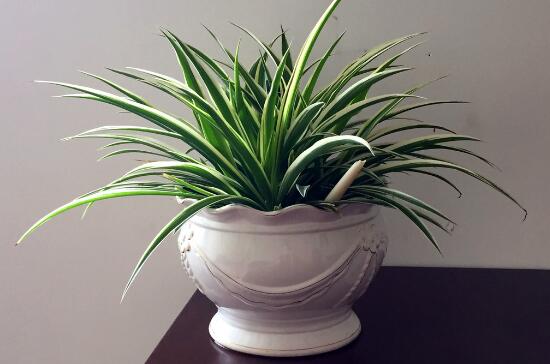
The variegated spider plant likes a warm environment with good light. Although it has strong adaptability, it dislikes cold and fears harsh sun. When growing it indoors, plant enthusiasts should give it plenty of water and light, and take good cold-protection measures in winter. As for soil, it is best to use a loose, well-draining, breathable mix. So how do you grow a variegated spider plant? It is very simple: just meet its growing habits. For the specific requirements, read on.
II. Cultivation Methods and Precautions for the Variegated Spider Plant
1. Soil: Loose and Fertile
When growing a variegated spider plant indoors, the first thing you should do is choose the right soil. Potted variegated spider plants bought from flower shops or online can ensure normal plant growth, but that soil is very cheap. If you want your variegated spider plant to grow well, you need to choose soil that it likes.
Soil choice: Although the variegated spider plant has low soil requirements, a loose, fertile, well-draining sandy soil will let it grow better. For this, the editor recommends using: leaf mold or peat soil, garden soil and river sand mixed in equal amounts, plus a small amount of base fertilizer as the growing medium.
2. Light: 50% Shade
Plant growth cannot be separated from light, so in the cultivation methods for the variegated spider plant, light is indispensable. The variegated spider plant likes light, but it dislikes strong light, so while giving it light, you should avoid direct strong sunlight. It is best to place it in a spot with about 50% shade.
Precautions: Avoid the midday sun in spring and autumn. In summer, it can only receive morning or evening light; at other times it is best not to put it in the sun. In winter, it can be placed in the sun all day.
3. Temperature: 20-24°C
How do you grow a variegated spider plant? Properly adjusting the temperature is also very necessary. The variegated spider plant likes a warm climate, and its most suitable growing temperature is 20-24°C. When growing it indoors, if you want it to grow well, it is best to maintain this room temperature.
Precautions: The variegated spider plant is not tolerant of high temperatures or cold. As long as the winter temperature stays above 10°C, it can overwinter safely. In summer, when the temperature rises above 30°C, the plant will stop growing; once it is scorched, the leaf tips of the variegated spider plant will also dry up.
4. Watering: Once Every 3-5 Days
The variegated spider plant likes a moist environment. During the growing season, you must water it frequently to keep the potting soil moist. In spring and autumn, the variegated spider plant grows quickly, so it should be watered once every 3-5 days. In summer, when temperatures are high and water evaporates quickly, you can increase watering frequency to once every 1-2 days. In winter, when temperatures are low, reduce watering to once every 7-10 days.
Precautions: The variegated spider plant grows better in a moist environment, but note: at no time should watering cause waterlogging.
5. Fertilizing: Once Every 10 Days
Having covered watering, let's talk about fertilizing, which is also very important in the cultivation methods for the variegated spider plant. When fertilizing the variegated spider plant, follow the principle of light, frequent feeding, applying a compound fertilizer about once every 10 days during the spring and summer growing season.
Precautions: When fertilizing the variegated spider plant, remember not to splash fertilizer on the leaves. In winter, although the variegated spider plant grows slowly, fertilizing should be reduced or stopped.
6. Pruning and Repotting
As it ages, the variegated spider plant will gradually grow larger. To maintain a good shape and attractive appearance, the old leaves at the base should be pruned frequently. Also, depending on the size of the root system, it should be repotted once every 1-2 years.
7. Pest and Disease Control
Although the variegated spider plant is not prone to pests and diseases, when the potting soil is waterlogged and ventilation is poor, the plant is likely to get sick. In addition, when the variegated spider plant's clumps are dense and ventilation is poor, it is susceptible to scale insects, so prevention should be the priority and a well-ventilated environment should be maintained. Once pests or diseases are found, spray pesticide promptly for control. As for which pesticide to spray, you can refer to pest and disease control for the variegated spider plant.
How to Grow a Variegated Spider Plant: Cultivation Methods and Precautions
The variegated spider plant is a type of spider plant. Do you know how to grow a variegated spider plant? Below, we will explain the cultivation methods and precautions for the variegated spider plant.
Cultivation Methods for the Variegated Spider Plant:
1. Soil: The variegated spider plant has strong adaptability and is relatively drought-tolerant, but not cold-tolerant. It is not demanding about soil, and generally grows best in a well-draining, loose, fertile sandy soil.
2. Watering: The variegated spider plant likes plenty of moisture in the potting soil, but it has a certain drought resistance. During the growing season, water appropriately more to keep the potting soil moist, but avoid waterlogging in the pot. In winter, control watering. Usually pay attention to keeping the leaf surface clean; in dry seasons and during high summer temperatures, frequently spray water around the plant and on the leaf surface.
3. Light: The variegated spider plant likes a semi-shaded environment. In spring and autumn, avoid direct strong sunlight. In summer, when sunlight is especially strong, it can only receive some slanting light in the morning and evening, and during the day it needs 50%-70% shade; otherwise the leaf tips will dry up. Variegated varieties especially fear strong sunlight. The variegated spider plant grows even more beautiful in weak light, with the yellow edges more obvious and the leaves more glossy. But in winter, it should be given more sunlight to keep the leaves tender and fresh green.
4. Temperature: The variegated spider plant likes a warm environment and has strong adaptability; the minimum overwintering temperature is about 10°C.
5. Fertilizing: The variegated spider plant likes fertilizer. If fertilizer and water are insufficient, the leaf color will fade and the leaf tips will scorch. But fertilizing should not be excessive either. During the growing season, apply a dilute fertilizer about once every half month. For variegated varieties, nitrogen fertilizer should be controlled.
Precautions for Growing the Variegated Spider Plant:
1. The variegated spider plant likes a semi-shaded environment. If exposed to direct sunlight, combined with dry air, it is most likely to cause scorched leaf tips. So the spider plant must be placed in a relatively cool, ventilated spot, and especially be sure to frequently spray water on the leaf surface to increase environmental humidity.
2. Do not spray water on the variegated spider plant in the afternoon or evening, as this will make the leaves rot more severely. Watering should not follow a strict interval; it should be done flexibly, following the rule of 'do not water if not dry, and water thoroughly when you do.' This not only prevents the variegated spider plant from getting sick, but also keeps it growing compact and sturdy, increasing its ornamental value.
3. In winter, the variegated spider plant should be moved indoors and watered once every four days. Water thoroughly, and it is best to water at noon; when watering, the water temperature should ideally match the air temperature. This can prevent the roots from freezing. When placed indoors, the leaf surface should be cleaned frequently. In winter, it is best to keep the potting soil slightly moist. If the room temperature is kept at 15-20°C, it can grow normally.
4. The variegated spider plant can be hung up as a display, which gives it a distinctive charm. The height should be level with or slightly above eye level; if too high, watering becomes inconvenient. When fertilizing, take it down from the hanging basket, and after fertilizing, rinse the leaves with a fine spray.
More InformationHow to Grow a Variegated Spider Plant: Cultivation Methods for the Variegated Spider Plant
The spider plant is a very beautiful green plant. It grows quickly and is easy to cultivate, making it one of the most suitable green plants for hanging or placing on top of a cabinet or on a flower stand. The variegated spider plant is one of the varieties of spider plant. It is evergreen year-round and has a great decorative effect on the environment. It is one of the more popular indoor green plants today. It not only has excellent ornamental value, but also has a strong ability to absorb toxic gases and can purify indoor air, making it a very good plant. So how do you grow a variegated spider plant? And what cultivation methods are there?
A Brief Introduction to the Variegated Spider Plant
What is a variegated spider plant? The 'Variegatum' spider plant has golden-yellow leaf color; the 'Vittatum' spider plant has yellow longitudinal stripes in the center of the leaf; the 'Marginatum' spider plant has white leaf edges; and the 'White Center' spider plant has white longitudinal stripes in the center of the leaf. The variegated spider plant has slender, soft leaves, and from the leaf axils it sends out trailing stems bearing small plantlets, which hang down from the edge of the pot, spreading and trailing like flowers, evergreen all year round. It is both firm and soft, shaped like a crane spreading its wings to leap, hence the ancient name 'crane orchid.'
How to Grow a Variegated Spider Plant: Cultivation Methods for the Variegated Spider Plant
1) Temperature: The spider plant likes to grow in a semi-shaded and warm environment, but has strong adaptability. In winter, pay attention to cold protection. The spider plant suffers cold damage when the environmental temperature is below 4°C, so a suitable temperature of about 10°C can be maintained.
2) Light: It likes bright light, but remember not to let direct sunlight fall on the spider plant, otherwise it will cause the leaf tips to turn yellow and wither. If the light is too strong, it is recommended to provide about 50% shade. In winter, shading is not necessary.
3) Water: The spider plant likes moisture and year-round likes plenty of water in the potting soil. Watering once a day is appropriate, but avoid waterlogging in the pot. It has a certain drought resistance. When watering, you can fertilize appropriately, but note that fertilizing should not be excessive.
4) Air humidity: In summer and autumn, the air is relatively dry, which is not suitable for the spider plant's growth, so during this period you should frequently spray water on the spider plant's leaves to increase humidity.
5) Repotting: As needed, it can be repotted in spring.
6) Propagation: The spider plant can be propagated by cuttings, division, sowing and other methods. (Generally, division is used.)
Cutting and division propagation can be done at any time from spring to autumn. The spider plant has strong adaptability and a high survival rate, and is generally very easy to propagate. For cuttings, simply take a 5-10 cm stolon with new buds and insert it into the soil; it will root in about a week, and after about 20 days it can be transplanted into a pot, watered thoroughly, and placed in a shady spot for care.
For division, take the spider plant out of the pot, remove the old soil and decayed roots, cut apart the old roots so that each divided plant retains three stems, and then transplant and grow them separately. You can also cut off the clustered leaves on the spider plant's stolons (which are actually young new plantlets, with leaves above and aerial roots below) and plant them directly into a flower pot to grow.
Seed propagation of the spider plant can be carried out every year in March. Because the seeds are not large, after sowing, the covering soil should not be thick; generally 0.5 cm is enough. At a temperature of 15°C, the seeds can sprout in about 2 weeks. Once the seedlings take shape, transplant them for growing.
How to Grow a Variegated Spider Plant: That concludes the introduction to cultivation methods for the variegated spider plant. Placing a well-grown variegated spider plant on a windowsill, its slender, graceful branches and leaves can effectively absorb formaldehyde released by curtains and even toilet paper, and fully purify the air. The naturally drooping branches and leaves of the variegated spider plant are very beautiful, and when it is lush and leafy, it will occasionally turn slightly. Moreover, caring for it is not complicated at all, so everyone should get moving right away.