What to do when figs get pests: fig pest and disease control / 1 pest, 3 diseases
For plants, pests and diseases can be called their natural enemies, and figs are no exception. If pests and diseases occur, they will cause fig leaves to turn yellow and even wither and die, so this problem must be taken seriously. So what should be done when figs get pests? Below, the editor will introduce the methods for fig pest and disease control.
I. What to do when figs get pests
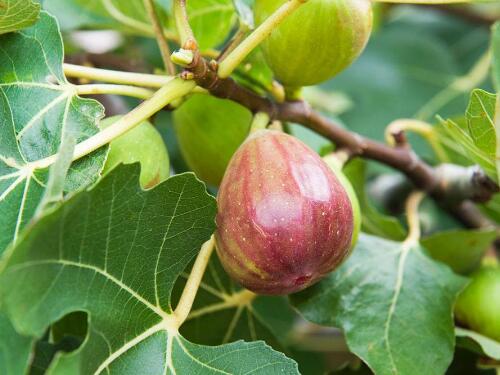
II. Fig pest and disease control
1. Mulberry longhorn beetle pest
Symptoms: In fig pest and disease control, the mulberry longhorn beetle is one of the most common pests. It mainly harms the branches and leaves of figs, gradually sucking the sap inside, causing figs to lack nutrients and gradually wither and die.
Control method: When controlling the mulberry longhorn beetle pest, we can use a 2000-times solution of Regent to spray and kill it.
2. Rust disease
Symptoms: This disease mainly threatens the leaves and stems of figs. When it occurs, many small blister-like spots of different sizes appear on the leaves. As time goes on, they gradually spread, eventually causing leaf drop, withered roots and stems, and similar phenomena.
Control method: When this disease appears, it must be controlled at the early stage. If it is delayed too long, it will be very difficult to cure completely. To deal with this disease, we can use a 150 to 200-times high-fat film emulsion to spray the diseased plants, generally once every 7-12 days. After 1-2 applications, it can basically recover.
3. Gray mold disease
Symptoms: Gray mold is a disease caused by fungi and is relatively common in fig pest and disease control. It mainly harms fig fruits. When it occurs, a grayish-white mold layer appears on the skin of the fruit. As time goes on, the mold layer gradually spreads to the whole plant, eventually causing figs to rot.
Control method: To deal with this disease, we can use 50% iprodione or 20% pyrimethanil mixed with water to spray the diseased plants, generally once every 10-15 days. After 2-3 applications, this disease can basically be eliminated.
4. Powdery mildew disease
Symptoms: Powdery mildew mainly threatens fig leaves. At the early stage, some white powdery substances appear on the leaves. They gradually cover the leaf surface, causing the leaves to age prematurely and drop.
Control method: When controlling this disease, we can use a 1000 to 1500-times solution of 10% polyoxin.
III. Bird damage to figs
In addition to pests and diseases, some birds also cause certain damage to fig fruits. To deal with this bird damage, we can drive them away manually, but we cannot stay beside the figs all the time, so the best method is to cover the surroundings with bird netting when the fig fruits are about to ripen. In this way, the problem can be solved once and for all.
What to do when dawn redwoods get pests: pest and disease control for dawn redwoods / 3 pests, 1 disease
In the process of growing dawn redwoods, the last thing we want to encounter is problems such as pests and diseases. Such problems are extremely harmful to the plants, not only affecting their appearance, but in severe cases also causing them to wither and die. So what should be done when dawn redwoods get pests? How should pest and disease control for dawn redwoods be done? Below, the editor will take everyone to learn about it.
I. What to do when dawn redwoods get pests: find the cause
II. Pest and disease control for dawn redwoods (pests)
1. Cossid moth
This is an insect of the Cossidae family. In its larval stage, it bores into the stems of dawn redwoods and causes damage, gradually causing its branches to wither and die, so that it cannot bloom normally, and in severe cases it can also cause the whole plant to wither and die.
Control method: When controlling this pest and disease of dawn redwoods, we can first prune off the infested branches, and then use a 40% omethoate 100-200-times solution to spray the plants for control.
2. Sawfly
The sawfly is extremely harmful to dawn redwoods. It mainly feeds on the leaves of dawn redwoods, gradually gnawing away the leaves until they are completely eaten. Its female insects generally lay eggs on branch tips, causing the branch tips to wither and die.
Control method: When controlling this pest and disease of dawn redwoods, we can use the most direct method, which is to directly use a 50% fenitrothion emulsifiable concentrate 1000-1500-times solution to spray and kill it.
3. Leafhopper
The leafhopper mainly threatens the leaves of dawn redwoods. It gradually sucks the sap from the leaves, causing a large loss of nutrients and making them wither. When this pest appears on dawn redwoods, many pale spotted marks also appear on the leaves. Everyone can distinguish it by this point.
Control method: When controlling this pest and disease of dawn redwoods, we can use a 50% fenitrothion emulsifiable concentrate 1000-times solution to spray the affected plants, generally once every 5-7 days. After 1-2 applications, this pest can be completely eliminated.
III. Pest and disease control for dawn redwoods (diseases)
Rust disease
Rust disease is a disease that appears in many plants, and dawn redwoods are no exception. This disease mainly threatens the leaves, stems and fruits of the plant. When it occurs, many small blister-like spots appear on the affected parts. In severe cases, the spots become densely packed into patches, and the plant also withers and dies rapidly because of this.
Control method: When controlling this pest and disease of dawn redwoods, we can use a 20% carboxin emulsifiable concentrate 400-600-times solution spray to spray the dawn redwoods, generally once every 15 days or so. After 2-3 applications, it can recover.
What to do when rain lilies get pests: pest and disease control for rain lilies / 2 pests, 3 diseases
Rain lily is a flower with very high ornamental value, and it can be seen in many gardens in our country. However, what this ornamental plant fears most is pest and disease conditions, because their occurrence will cause it to wither. So what should be done when rain lilies get pests? How should pest and disease control for rain lilies be done? Below, the editor will take everyone to learn about it.
I. What to do when rain lilies get pests
II. Pest and disease control for rain lilies
1. Root-knot nematode pest
Symptoms: Root-knot nematode is a pest that appears in many plants, and every summer is the period when it reproduces fastest, so special attention must be paid at this time. Root-knot nematode, just like its name, mainly harms the roots of rain lilies. It gradually sucks nutrients from the plant roots, eventually causing the plant to wither and die. It is an extremely harmful pest.
Control method: When dealing with this pest, we can use soluble emamectin thiazolylphosphine high-activity B2 strain to treat rain lilies by root drenching, generally once every 5-7 days. After 1-2 treatments, it can basically be controlled.
2. Cutworm pest
Symptoms: In rain lily pest and disease control, the cutworm is a relatively common pest. It mainly harms the leaves of rain lilies, gradually nibbling the leaves, seriously affecting the plant's appearance, and in the later stage it even eats all the leaves of the rain lily, causing the plant to be unable to grow.
Control method: The peak period of this pest is from August to September each year, and special attention must be paid during this period. When controlling this pest, we can use 2.5% trichlorfon powder to spray rain lilies.
3. Anthracnose disease
Symptoms: At the early stage of anthracnose, many reddish-brown disease spots appear on the leaves of rain lilies, and as time goes on they gradually spread, and the spots slowly become larger, eventually causing the plant to wither and die.
Control method: When this disease appears, it must be treated promptly. If the time is delayed too long, it will be very difficult to cure completely. To deal with this disease, we can use a 40% seed-dressing dual wettable powder 200-300-times solution to spray the plants for control.
4. Leaf blight disease
Symptoms: Leaf blight is a relatively common disease in rain lily pest and disease control. This disease mainly harms the leaves of rain lilies. When it occurs, many reddish-brown disease spots appear on the leaves. If not removed as soon as possible, it will cause the leaves of rain lilies to gradually shrink and drop.
Control method: When controlling this disease, we can use a 70% thiophanate-methyl wettable powder 1000-times solution to spray rain lilies, generally once every 10-15 days. After 2-3 applications, it can basically recover.
5. Powdery mildew disease
Symptoms: When powdery mildew occurs, some white powdery mold layers appear on the leaves of rain lilies. This mold layer seriously affects photosynthesis in rain lilies, causing the leaves to wither and drop early.
Control method: The symptoms of this disease are very obvious. When everyone discovers them, they must treat them as early as possible. If the time is delayed too long, it will be very difficult to cure completely. When treating this disease, we can use a 10% polyoxin 1000 to 1500-times solution for spray control.