What to Do When Balloon Flower Gets Pests? 3 Pest and 2 Disease Control Methods
Balloon flower (Platycodon grandiflorus) is a plant with high medicinal value and also has a certain ornamental appeal. However, no matter how ornamental a plant is, pests and diseases can still appear if it is not cared for properly. So what should you do when balloon flower gets pests, and how should pest and disease control be done? Let me walk you through it below.
I. What to Do When Balloon Flower Gets Pests / Chemical Control
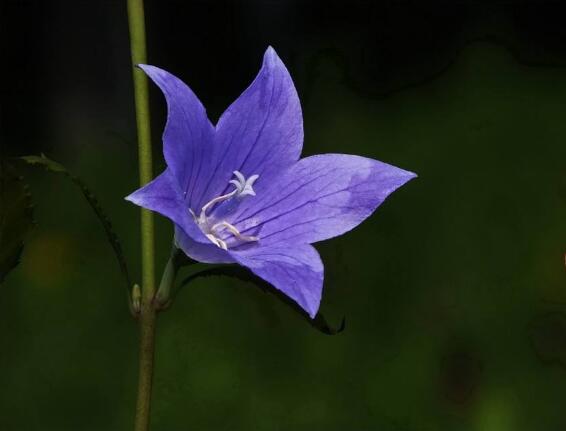
II. Pest and Disease Control of Balloon Flower
1. Aphid Damage
Aphids are a highly destructive pest and cause a certain amount of harm to many plants, and balloon flower is no exception. They mainly damage the leaves and rhizomes of balloon flower, gradually sucking out the sap within, which ultimately causes the plant to gradually lose nutrients and then wither and die.
Control method: This pest reproduces extremely quickly, so it must be controlled as early as possible. Generally, we choose to use a 50% malathion emulsion at 1000 times dilution to spray and kill aphids.
2. Black Cutworm Damage
In the pest and disease control of balloon flower, the black cutworm is a fairly common pest. Its appearance is somewhat like a silkworm, and it is black in color. It mainly damages the seedlings of balloon flower, so extra attention must be paid in the early stages of cultivation.
Control method: This pest generally appears when environmental humidity is relatively high, so when cultivating the plant, everyone must pay attention to ventilation. To control this pest, we can choose 90% crystal trichlorfon 750g spray to spray and kill it, and the effect is quite good.
3. Red Spider Mite Damage
Red spider mites are omnivorous pests and cause a certain amount of harm to many plants. They are very small in size and red in color. They mainly damage the leaves of balloon flower, slowly sucking out the sap within the leaves, which causes the leaves to gradually turn yellow and finally gradually shrivel and fall off.
Control method: When controlling this pest, we can use a 50% sumithion 1000—2000 times dilution to spray and kill it. Generally, spray once every 7-12 days, and after 1-2 times, this pest can basically be eliminated.
4. Damping-off Disease
Damping-off is a disease caused by fungi, mainly damaging the seedlings of balloon flower. When the disease occurs, some water-soaked brown spots appear on the seedlings, and as time goes on the color gradually deepens, ultimately causing the seedlings to directly collapse and die.
Control method: When controlling this disease, we can choose to use a 75% quintozene 200 times diluted solution to irrigate the seedlings for treatment. After treatment, the soil also needs to be disinfected to prevent residual pathogens in the soil.
5. Leaf Spot Disease
Leaf spot disease mainly damages the leaves of balloon flower. In the early stage of the disease, some round white spots appear on the leaves, and as time goes on they gradually spread, ultimately causing balloon flower to wither and die.
Control method: This disease is best removed promptly when discovered; if delayed too long, it becomes very difficult to cure completely. To deal with this disease, we can use a 65% zineb 400~500 times dilution to spray and treat the affected plants. Generally, spray once about every 15 days, and after 2-3 times, this disease can basically be eliminated.
In fact, the main cause of pests and diseases is improper methods during the care process, so when cultivating balloon flower, the method is very important. On this point, you can refer to the cultivation methods for balloon flower, which contain detailed introductions. That is all for my introduction to the pest and disease control of balloon flower, and I hope this article can be of some help to everyone.
What to Do When Lisianthus Gets Pests, Pest and Disease Control of Lisianthus / 2 Pests and 3 Diseases
Lisianthus (Eustoma grandiflorum) is a highly ornamental flower with very rich colors, and it can be seen in many gardens in our country. However, no matter how beautiful a flower is, it can also show yellowing and withering if pests and diseases appear. So what should you do when lisianthus gets pests, and how should pest and disease control be done? Let me walk you through it below.
I. What to Do When Lisianthus Gets Pests / Chemical Control
II. Pest and Disease Control of Lisianthus
1. Aphid Damage
In the pest and disease control of lisianthus, aphids are the most common pest. This pest is extremely small and difficult to spot with the naked eye; generally, it can only be judged by certain symptoms. This pest mainly damages the leaves of lisianthus, sucking the sap from the leaves. In the early stage, many dead spots appear on the damaged areas, and if not dealt with for a long time, it will cause the plant to wither and die.
Control method: This pest is extremely harmful to lisianthus, so it is best to control it in the early stage. Generally, we can use a 2.5% deltamethrin emulsion at 3000 times dilution to spray and kill the pest.
2. Leaf Miner Damage
The peak period for leaf miners is around April to May each year, so extra attention is needed at this time. This pest mainly damages the petioles and leaves of lisianthus, gradually breaking down the chlorophyll in the leaves, causing the leaves to turn yellow and wither.
Control method: This pest has an extremely strong reproductive capacity, so it must be controlled as early as possible when discovered. We can use a 50% dichlorvos emulsifiable concentrate at 800 times dilution to spray and kill the pest. Generally, spraying 2-3 times in succession can eliminate this pest.
3. Gray Leaf Spot Disease
Gray leaf spot is a disease that is extremely harmful to plants. When it occurs, many round brown spots appear on the leaves of lisianthus, and as time goes on they gradually spread, ultimately causing the plant to wither and die.
Control method: The peak period for this disease is from July to August each year. When discovered at this time, it must be controlled promptly. We can use 2.5% deltamethrin emulsifiable concentrate to spray the plant. Generally, spray once every 7-10 days, and after 2-3 times it can basically be cured.
4. Stem Blight Disease
Stem blight mainly appears in environments with excessively high humidity, so during cultivation, the environment must be kept well ventilated. This disease mainly damages the stems of lisianthus. When it occurs, some oval-shaped spots appear on the stems, and as time goes on they gradually spread to the whole plant, ultimately causing the plant to rot and die.
Control method: When this disease appears, it must be controlled in the early stage; if delayed too long, it may not be completely curable. In the early stage, we can use a 38% oxadixyl and azoxystrobin 800 times dilution for spray control.
5. Root Rot Disease
Root rot is a disease caused by fungi. Just like its name, this disease mainly damages the roots of lisianthus, causing the roots to gradually rot. The peak period for this disease is around March to April each year, so special attention must be paid at this time.
Control method: To control root rot, we can use a 50% baicaoqing wettable powder at 500-800 times dilution to irrigate the roots of lisianthus. Generally, once every 3-5 days, and after 1-2 times, this disease can basically be eliminated.