How to propagate hostas by sowing seeds? Spring sowing has a high survival rate
Among the propagation methods for hostas, sowing seeds is a fairly commonly used method, but if you want successful propagation, the method matters a great deal. As for how to propagate hostas by sowing seeds, the editor below will walk you through it.
I. How to propagate hostas by sowing seeds
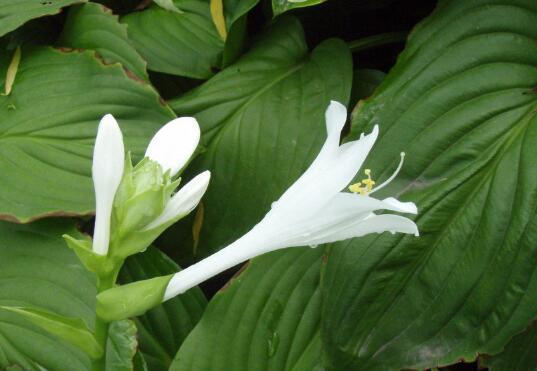
II. The sowing method for hostas
1. Sowing time
When it comes to how to propagate hostas by sowing seeds, choosing the time is very important. Sowing in a suitable season will greatly increase the survival rate. The best time to sow hostas is every year in spring, because the climate is more suitable and it can improve the survival rate.
2. Soil selection
Before sowing, we first need to do the preparatory work, and choosing the soil is one part of that preparation. We can choose a fairly loose humus soil; this kind of soil has good drainage and aeration, and allows hostas to absorb nutrients better.
3. Seed germination
When it comes to how to propagate hostas by sowing seeds, germinating the seeds is also a fairly important step. Before sowing, we can soak the seeds in warm water for half a day to a day. When you see the seeds swell after absorbing water, you can take them out and sow them.
4. Sowing method
Hosta seeds are fairly small, so when sowing we can use a toothpick dipped in water to stick to the seeds, then place them one by one on the surface of the soil. A spacing of about 1 cm between seeds is fine. After that, cover with about 2 cm of soil and then water. Water thoroughly in one go, and after about 7-10 days the seeds will germinate.
5. Follow-up management
After the seeds germinate, we can carry out follow-up care for them. During care, watering, fertilizing, light and other aspects all require special attention. There is a detailed introduction in the article on hosta cultivation methods; you can refer to it.
How do hostas propagate? Hosta propagation methods / seed propagation / cutting propagation
Hosta is an ornamental flowering plant with high ornamental value, and it is cultivated in many regions of our country. However, as more people cultivate it, questions about its propagation have also drawn people's attention. So how do hostas propagate? What are the propagation methods for hostas? The editor below will walk you through it.
I. How do hostas propagate
As for how hostas propagate, the two more commonly used methods are sowing and cuttings. As long as the methods are correct, the survival rate of these two propagation methods is fairly high. In the section below on hosta propagation methods, there is a detailed introduction to the two propagation methods. Let's take a look together below.
II. Hosta propagation methods
Seed propagation
1. Soil selection
Before propagating hostas by sowing seeds, we first need to choose the soil. For the soil, we can choose a fairly loose humus soil; this kind of soil has very good drainage and allows hostas to absorb nutrients better.
2. Seed soaking
After choosing the hosta seeds, we need to first soak them in warm water. The soaking time is generally between 12-24 hours. While soaking, you can observe them; once you see the seeds swell after absorbing water, you can take them out and sow them. This can promote seed germination.
3. Sowing method
Among the propagation methods for hostas, seed propagation is a fairly commonly used method. First, we can evenly scatter the seeds on the surface of the soil, then cover with about 2 cm of soil and water. When watering, be careful to water thoroughly in one go, and after about 7-10 days they will germinate.
Cutting propagation
1. Cutting selection
Before carrying out cutting propagation, we first need to choose cuttings (hosta branches). It is best to choose vigorously growing branches, as the survival rate will be fairly high. If you choose branches that already look frail, they will basically be very hard to keep alive.
2. Cutting method
Among the propagation methods for hostas, cutting propagation is fairly simple. When taking cuttings, we can first use a chopstick to poke a hole in the soil, then insert the hosta into the hole, press the soil flat and water. Water thoroughly in one go, but remember not to cause waterlogging, otherwise it can easily lead to root rot. After watering, roots will form in 20-30 days.
How to propagate hostas by sowing seeds
Seed propagation of hostas
Soil disinfection
To disinfect the soil used for sowing, you can crush the soil and put it in the sun to bake for a few days. The best method is to find an unused pot, put it in the pot and heat it until hot; any pests and diseases will be killed by the heat.
Seed germination
Put the seeds into warm hot water (feel it with your hand, it should not be too hot), and soak for 12-24 hours. Pay attention and observe while soaking; once the seeds absorb water and swell, you can take them out.
Sowing
Handle them separately according to the different seed sizes:
Smaller grains
For the smaller, hard-to-pick-up seeds, wet one end of a toothpick, and stick the seeds one by one onto the surface of the soil, keeping a distance of 1 cm between the seeds.
Cover the seeds with a layer of soil, about 1 cm is enough, not too deep.
Then place the flowerpot into water, with the water depth at 1/2 of the flowerpot's height. The water should not cover the seeds. Use the immersion method to make the soil moist.
Larger grains
For larger seeds, place them directly into the soil, with a spacing of 2-3 cm.
After sowing, cover with soil at a thickness of 2-3 times that of the seeds.
Use a spray bottle or a finer watering can to wet the soil. Over the next few days, when the potting soil is slightly dry, water again, sticking to the principle of small amounts and multiple times. When watering, do not use too much force, so the seeds are not washed out of the soil.
Management after sowing
When sowing in autumn, cold waves are very likely to occur. You can wrap the flowerpot with plastic film, which can keep it warm and moist.
When seedlings can already be seen, uncover the film in time, and before 9:30 in the morning or after 3:30 in the afternoon each day, let the seedlings get more sun.
After the seedlings emerge, you can thin them appropriately, pull out the unhealthy seedlings, and leave enough growing space for the remaining seedlings.
When the seedlings have grown 3 or more leaves, they can be transplanted into pots.
Editor's recommendation
The seeds have already been planted, and what they grow into depends on their owner. A smart owner will arm themselves first, so they are not caught unprepared. If you are smart, read the five key points for growing hostas at home.