Delphinium planting method and precautions, avoid waterlogging
Delphinium is a highly ornamental flowering plant, and it can be seen in many gardens in our country. Many people also want to grow a delphinium at home, so how do you grow delphinium? This point is introduced in the article on delphinium propagation methods, and you can take a look. What are the planting methods and precautions for delphinium? Below, the editor will walk you through them.
I. How to grow delphinium, sowing
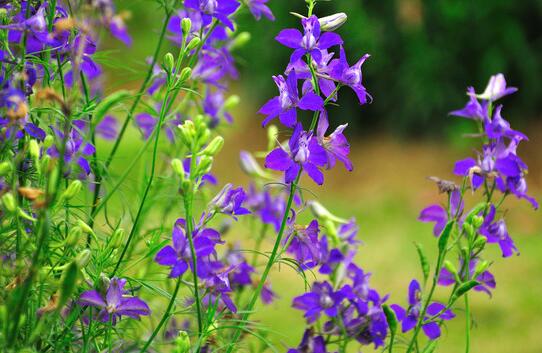
As for how to grow delphinium, we generally use sowing, which is the most common and most commonly used method, with a very high survival rate. The specific sowing and planting method is introduced in detail below, and interested friends can take a look.
II. Delphinium planting methods and precautions
1. Soil selection
As for how to grow delphinium, we need to go step by step. First, we need to choose soil. Generally, it is best to choose humus soil with high looseness. This kind of soil has good drainage and can let delphinium absorb nutrients better.
Precautions: When choosing soil, it is best not to choose soil with too high viscosity. This kind of soil is very unfavorable for the growth of delphinium, making it difficult for it to absorb nutrients, thus causing phenomena such as yellowing and withering leaves.
2. Seed requirements
As for how to grow delphinium, seed selection is also a very important step. Delphinium seeds generally gradually mature around June each year. At this time, we can harvest the seeds. When harvesting seeds, be sure to select mature seeds, then store them until August-September for sowing.
Precautions: After taking out the seeds in July-August, it is best to first soak the delphinium seeds in warm water for 12-24 hours. Wait until the seeds begin to absorb water and swell, then take them out and sow them. This can make the seeds germinate quickly.
3. Planting method
As for how to grow delphinium, the method is actually very simple. First, we need to mix the seeds evenly with fine sand and scatter them on the soil surface, then cover them with about 1-2 cm of soil and water them. When watering, water thoroughly at one time, and after about 7-12 days the seeds will germinate.
Precautions: When watering delphinium after sowing, be sure not to water too much and cause waterlogging in the soil. This will prevent the seeds from germinating due to excessive moisture, so everyone should remember this point.
Delphinium planting methods and precautions
Delphinium gets its name because its flower shape resembles a swallow. Delphinium is also widely planted, commonly seen in grasslands and hillsides. Some friends also grow delphinium in pots. Next, Xiao Qi will share the planting methods and precautions for delphinium.
I. Delphinium planting methods
1. Soil: Fertile, slightly acidic sandy soil with humus, with pH best controlled at 5.5-6.0, keeping the soil moist and not prone to waterlogging. 6 to 9 weeks after germination, each seedling can be transplanted into a flowerpot with a diameter of 9 to 10 cm, or every 3 seedlings can be transplanted into a large flowerpot with a diameter of 13 to 15 cm. Do not plant the plants too deep when transplanting.
2. Light: Delphinium needs to receive enough sunlight to promote plant growth, especially in winter. It tolerates some shade, and in summer strong light should be avoided, placing it in a semi-shaded place. It likes cool weather, with the best daytime growth temperature between 20-25°C, and at night controlled at 3-15°C.
3. Watering: Delphinium likes moisture and is also drought-tolerant. When watering, water thoroughly at one time, and water when dry. During the flowering period, slightly increase the amount of watering, and it must not be too dry. When repotting, dry manure needs to be added as base fertilizer. At other times, fertilize as appropriate according to the plant's growth. During the growing period, generally apply 1-3 times a month of decomposed cake fertilizer water.
II. Delphinium planting precautions
Delphinium needs a sunny and cool growing environment. It is both cold-tolerant and drought-tolerant, but not tolerant of high temperatures or waterlogging, and its requirements for soil are not very high. It can be sown in spring or autumn. If sown in autumn, it must be done in mid-September. After sowing, the soil must be kept moist. The simplest method is to cover it with some grass, and gradually remove the covering after seedlings emerge. When delphinium grows 2 true leaves, transplant it with soil into a small pot, and repot once more after the seedling grows larger.
Watering delphinium should follow the principle of watering when dry and stopping when wet. During the flowering period, water a little more appropriately to avoid the soil becoming too dry. When repotting, apply dry manure as base fertilizer, and afterward apply 1-3 times a month of decomposed cake fertilizer water according to growth conditions. After repotting, use paclobutrazol to control plant height. Specifically, apply 0.5% paclobutrazol once every 2 weeks. Collect seeds in time to avoid the seed capsules splitting after maturity.
The above isdelphinium planting methods and precautionsshared, hoping it is helpful to friends growing delphinium.
Recommended reading:
① What is the flower language of delphinium? Complete delphinium flower language and legends
② Mimosa planting methods and precautions
③ Wintersweet seed planting methods and precautions
④ How to grow datura? Datura planting methods
⑤ How to grow calceolaria? Calceolaria growing methods
Delphinium planting methods and delphinium planting precautions
Delphinium can also be called dove flower, chicken-claw lotus, thousand-bird flower, baibu grass, etc. It gets its name because its flower shape resembles a swallow. It belongs to the genus Delphinium in the Ranunculaceae family. It originally grew in southern Europe, and now it is planted in all parts of our country, and is relatively common in grasslands and hillsides. So, what are the delphinium planting methods? Let us take a look below.
I. Introduction to delphinium
Delphinium, also called dove flower, baibu grass, ganbird grass, etc., has beautiful flower forms, closely resembling a flying swallow, and has high ornamental value. Delphinium is a taproot flowering plant, best directly sown, and not tolerant of transplanting. To grow delphinium, you can first sow the seeds in a sowing tray, then transfer them to a 10 cm pot. During the delphinium growing period, fertilize once every half month, and apply phosphorus and potassium fertilizer 2-3 more times before flowering. Keep the soil moist during the delphinium flowering period to prolong the viewing period. Delphinium fruit splits open on its own after ripening and scatters seeds, so seeds should be collected in time. The fruit contains many seeds, and the seeds are relatively small. After collection, dry them and store them indoors in a cool, dry place. To make delphinium bloom in multiple seasons, sow in stages, but in southern cultivation the flowering period should be staggered to avoid the hot midsummer weather.
Perennial delphinium of the same genus but different species can also be propagated by cuttings and division. Delphinium cutting propagation is carried out in spring, with cuttings inserted in a wet sand bed or sand tray. Division can be done in spring or autumn. Dig up the small shoots sprouting around the old plant with roots, divide them into small plants, and plant them. If divided in spring, they can bloom in the same year.
II. Delphinium planting methods
1. Soil: Fertile, slightly acidic sandy soil with humus, with pH best controlled at 5.5-6.0, keeping the soil moist and not prone to waterlogging. 6 to 9 weeks after germination, each seedling can be transplanted into a flowerpot with a diameter of 9 to 10 cm, or every 3 seedlings can be transplanted into a large flowerpot with a diameter of 13 to 15 cm. Do not plant the plants too deep when transplanting.
2. Light: Delphinium needs to receive enough sunlight to promote plant growth, especially in winter. It tolerates some shade, and in summer strong light should be avoided, placing it in a semi-shaded place. It likes cool weather, with the best daytime growth temperature between 20-25°C, and at night controlled at 3-15°C.
3. Watering: Delphinium likes moisture and is also drought-tolerant. When watering, water thoroughly at one time, and water when dry. During the flowering period, slightly increase the amount of watering, and it must not be too dry. When repotting, dry manure needs to be added as base fertilizer. At other times, fertilize as appropriate according to the plant's growth. During the growing period, generally apply 1-3 times a month of decomposed cake fertilizer water.
III. Delphinium planting precautions
Delphinium needs a sunny and cool growing environment. It is both cold-tolerant and drought-tolerant, but not tolerant of high temperatures or waterlogging, and its requirements for soil are not very high. It can be sown in spring or autumn. If sown in autumn, it must be done in mid-September. After sowing, the soil must be kept moist. The simplest method is to cover it with some grass, and gradually remove the covering after seedlings emerge. When delphinium grows 2 true leaves, transplant it with soil into a small pot, and repot once more after the seedling grows larger.
Watering delphinium should follow the principle of watering when dry and stopping when wet. During the flowering period, water a little more appropriately to avoid the soil becoming too dry. When repotting, apply dry manure as base fertilizer, and afterward apply 1-3 times a month of decomposed cake fertilizer water according to growth conditions. After repotting, use paclobutrazol to control plant height. Specifically, apply 0.5% paclobutrazol once every 2 weeks. Collect seeds in time to avoid the seed capsules splitting after maturity.
The above is the relevant introduction in this article. I believe after reading it you also have a simple understanding of this. If needed, you can continue to follow No. 1 Home Network to learn more information.