How to propagate Viburnum macrocephalum? Introduction to seed sowing and grafting propagation methods
Viburnum macrocephalum is a highly ornamental flowering plant. It can be seen in many gardens in our country, and many people grow it in our country. As more people grow it, questions about its propagation have also become a concern. So how do you propagate Viburnum macrocephalum? What are the propagation methods for Viburnum macrocephalum? Below, the editor will walk everyone through it.
I. How to propagate Viburnum macrocephalum
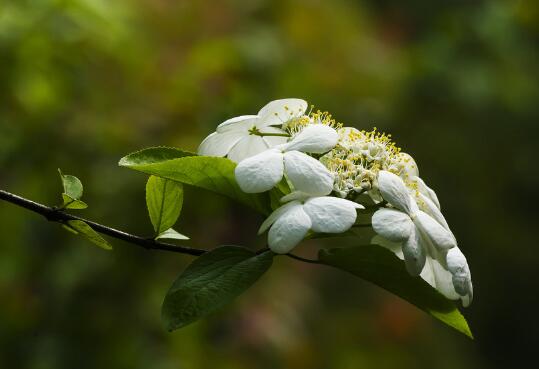
Regarding how to propagate Viburnum macrocephalum, it is mainly divided into two types: seed sowing propagation and grafting propagation. As long as the operation is done properly, the survival rate of both methods is relatively high. As for the specific steps, there is a detailed introduction in the propagation methods section below. Let's take a look.
II. Propagation methods for Viburnum macrocephalum
Seed sowing propagation
1. Seed collection
The seeds of Viburnum macrocephalum generally mature around November each year. At this time, we can collect them. After collection, wash them clean and store them, then sow them the following spring.
2. Seed germination
Before carrying out seed sowing propagation of Viburnum macrocephalum, we first need to soak the seeds in warm water for about 12-24 hours. After the seeds absorb water and swell, take them out and sow them. This can effectively increase the seed germination rate.
3. Sowing method
Among the propagation methods for Viburnum macrocephalum, seed sowing propagation is a relatively commonly used method. When sowing, first scatter the seeds evenly on the soil surface, then cover them with about 1-2 cm of soil, and then water. When watering, be careful to water thoroughly in one go, and after about 15 days they will sprout.
Grafting propagation
1. Grafting time
Grafting propagation is used relatively less among the propagation methods for Viburnum macrocephalum, but this does not mean the survival rate is low. As long as the grafting method is mastered well, the survival rate is also very high. When carrying out grafting propagation, it is generally best to do it around March-April each year. The climate at this time is relatively suitable and can improve the survival rate of grafting.
2. Grafting method
When grafting, we first need to select a branch from a mother tree that can bloom, then cut off about 5 cm as the scion, and use the high grafting method for propagation. After the buds on the scion produce leaves, place it in sunlight to grow.
Propagation methods for Viburnum macrocephalum
Grafting propagation
We generally choose to carry out grafting propagation around March-April each year, because the climate at this time is relatively suitable and can improve the survival rate of grafting. Then, first select a branch from a mother tree that can bloom, then cut off about 5 cm as the scion, and use the high grafting method for propagation. After the buds on the scion produce leaves, place it in sunlight to grow.
Seed sowing propagation
Collect the seeds of Viburnum macrocephalum around November. After collection, wash them clean and store them. We first need to soak the seeds in warm water for about 12-24 hours. After the seeds absorb water and swell, take them out and sow them. This can effectively increase the seed germination rate. Scatter the seeds evenly on the soil surface, then cover them with about 1-2 cm of soil, and then water. When watering, be careful to water thoroughly in one go, and after about 15 days they will sprout.
After understanding the propagation methods of Viburnum macrocephalum, what other precautions do we need to pay attention to?
How to propagate Viburnum macrocephalum
Seed sowing propagation
Viburnum macrocephalum can be propagated by sowing seeds.
When propagating Viburnum macrocephalum through seed sowing, first pick the mature fruits of Viburnum macrocephalum in November when it bears fruit, pile the fruits until mature, then wash the seeds clean, and store the seeds in a relatively low-temperature place. You must wait until the following spring before sowing. When sowing, it needs to be sown in relatively deep soil, and the covering soil must be thick enough. Then cover it with a layer of straw. By June it will sprout, and at that time the straw can be removed.
If sowing in a pot, pay attention to loosening the soil and watering regularly, so that Viburnum macrocephalum can sprout as quickly as possible.
Grafting propagation
Viburnum macrocephalum can also be propagated through grafting.
In March, when Viburnum macrocephalum is about to sprout, select a branch from a mother tree that can bloom, generally a branch on the outer part of the crown, and cut off a section as the grafting scion, about 5 cm is enough. After grafting the branch using the high grafting method, plant it in a relatively shady place. After the grafted branch grows leaves, the plant can be placed in a place with relatively sufficient sunlight.
After grafting, prune the top of the main trunk. This allows the grafted scion to survive and grow as quickly as possible. A Viburnum macrocephalum propagated this way can enter the flowering period after one year of survival, unlike a seedling grown from seed, which needs to be cultivated for seven or eight years before it can bloom.