Can verbena be propagated by cuttings? The cutting method is simple and the survival rate is high
Verbena is a fairly common plant, and people grow it in many regions of our country. As more people grow it, questions about its propagation have drawn more interest, and the one asked most often is whether verbena can be propagated by cuttings. The answer is actually yes, so what should be noted in the cutting method for verbena? Below, the editor takes you through it.
I. Can verbena be propagated by cuttings? Yes, it can be propagated by cuttings
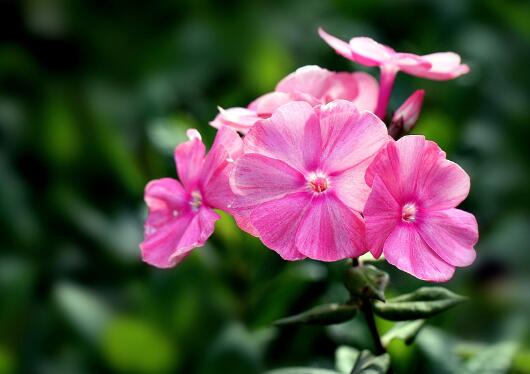
II. The cutting method for verbena
1. Cutting time
When propagating verbena by cuttings, choosing the time is very important. Generally, it is best to do it from May to June each year, as the climate during this period is more suitable and can improve the success rate of cuttings.
2. Substrate selection
Here the substrate refers to soil. When propagating verbena by cuttings, we can choose a humus soil with good drainage as the substrate. This kind of soil has good drainage, allows verbena to absorb nutrients better, and makes rooting easier.
3. Substrate disinfection
After choosing the substrate, we also need to disinfect it to prevent bacteria or pests in it from harming the plants. When disinfecting, we can break it up and spread it in the sun to disinfect it, or stir-fry it in an iron wok over high heat to disinfect it.
4. Cutting selection
When choosing cuttings, it is generally best to choose branches that are relatively robust and free of pests and diseases, as this can greatly increase the survival rate. If you choose branches that look very frail, the survival rate will be much lower. Everyone should pay attention to this point.
5. Cutting method
As for how to take cuttings of verbena, the method is still very simple. First, we can use chopsticks to poke a hole in the soil about as thick as the cutting, then insert the cutting into it, after that press the soil flat and water it. When watering, be careful to water thoroughly in one go, but remember not to cause waterlogging, otherwise root rot can easily occur. About 20-30 days after watering, it will take root.
6. Follow-up management
After verbena takes root, we can carry out follow-up care for it. During care, the temperature is best controlled between 18-25°, as this temperature is more suitable for its growth. In addition, humidity, light and other aspects all need attention. For details, everyone can refer to the article on verbena cultivation methods. Here the editor will not introduce them in too much detail.
How does verbena propagate? Verbena propagation methods / seed propagation / cutting propagation
Verbena is an ornamental flowering plant with high ornamental value. It can be seen in many gardens in our country, and people in many places in our country also grow it. However, as more people grow it, questions about its propagation have drawn more interest. How does verbena propagate? What are the propagation methods for verbena? Below, the editor takes you through it.
I. How does verbena propagate
As for how verbena propagates, it is generally mainly divided into two types: seed propagation and cutting propagation. As long as the operation is done properly, the survival rates of these two propagation methods are still relatively high. For details, see the verbena propagation methods section below. Let us continue reading.
II. Verbena propagation methods
Seed propagation
1. Soil selection
Before sowing verbena, we first need to choose soil. For soil, we can choose a humus soil with relatively high drainage. This kind of soil has relatively good drainage and air permeability, and can promote seed germination.
2. Seed germination
Before propagating verbena by sowing, we can first soak the seeds in warm water for about 12-24 hours, until the seeds begin to absorb water and swell, then they can be taken out and sown. This allows the seeds to germinate more quickly.
3. Sowing method
Among the propagation methods for verbena, seed propagation is a method people commonly use. Verbena seeds are relatively small, so when sowing we can choose to mix them with fine sand and scatter them. After scattering, cover them with 1-2cm of soil and then water. When watering, be careful to water thoroughly in one go, and after 2-3 weeks they will sprout.
Cutting propagation
Cutting propagation
1. Cutting selection
Before propagating verbena by cuttings, we first need to choose cuttings. Generally, it is best to choose relatively robust branches, as the survival rate will be somewhat higher. If you choose branches that look very frail, it is basically very difficult for them to survive.
2. Cutting method
Among the propagation methods for verbena, cutting propagation can be considered a relatively simple method. When taking cuttings, we can first use chopsticks to poke a hole in the center of the soil, then insert the cutting into the hole, after that press the soil flat and water it. About 20-30 days after watering, it will take root.
3. Follow-up management
After the cuttings take root, we need to care for the verbena. There are also many points to note during care, such as watering, fertilizing, light and other aspects. For details, everyone can refer to the article on verbena cultivation methods. Here the editor will not introduce them in too much detail.
How does verbena propagate? Verbena cutting and seed propagation methods
Verbena can be propagated by sowing and cuttings. For these two propagation methods, flower lovers can choose a suitable propagation method according to their own conditions. Below is a description of the sowing and cutting propagation methods for verbena.
How does verbena propagate? 1. Seed propagation methodThe sowing time for verbena is generally in spring. Usually after sowing, it will bloom around July. However, with the sowing method, the germination rate of verbena seeds is relatively low, at about 50%, and germination is slow and uneven. At a temperature of 15-17°C, seedlings only begin to emerge two to three weeks after sowing.
2. Cutting propagation methodAs long as the temperature is suitable, verbena cuttings can be taken all year round. First select slightly woody branches, cut them into 5-6 cm long sections as cuttings, and insert them into a wet sand bed. Afterwards, shade them immediately. After 2-3 days, they can be exposed to a little morning and evening sunlight to promote growth. After about two weeks, they can send out new buds and take root.
The suitable time for verbena cuttings is from November to March of the following year, and the cutting survival rate is as high as 100%; the next best is September-October, with a cutting survival rate of 80-85%; the lower cutting survival rate is from May-August, at 10-25%. Based on observations over the past year, and combined with its growth characteristics, take corresponding measures and choose a suitable cutting time.