What to Do When Bleeding Heart Vine Leaves Turn Yellow? Cause Analysis and Key Points of Water and Fertilizer Management
As a beautiful flowering plant, the bleeding heart vine (Clerodendrum thomsoniae) gets its name because its flowers look like a dragon spitting out pearls, and it is deeply loved by plant enthusiasts, many of whom grow it as a potted plant at home. Besides its beautiful flowers, the beauty of the bleeding heart vine also lies in its well-spaced, evenly arranged green leaves, which should not be underestimated. So when the leaves of the bleeding heart vine turn yellow, you must be very anxious! So what should you do when bleeding heart vine leaves turn yellow? Today, the editor will help you solve this problem.
1. When Bleeding Heart Vine Leaves Turn Yellow, Find the Cause
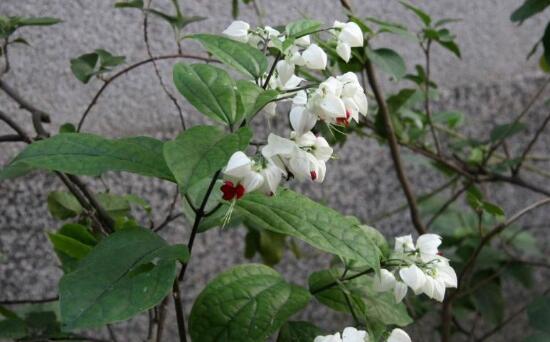
For indoor potted plants, growing a bleeding heart vine is not difficult, but there are many beginners who usually do not follow the methods, and as a result, they end up with yellow leaves on their bleeding heart vine. By then, plant enthusiasts must be very anxious! As for what to do when bleeding heart vine leaves turn yellow, the editor has compiled 6 causes of yellowing leaves in bleeding heart vine, along with solutions. Let's read on.
2. Causes of Yellow Leaves in Bleeding Heart Vine and Solutions
1. Sudden environmental change
There are many causes of yellow leaves in bleeding heart vine overall, but the first thing to consider should be environmental issues. Nowadays, everyone buys potted plants online, which can easily create a large geographical span, and the bleeding heart vine cannot adapt for a while, resulting in yellow leaf symptoms.
Solution: In this situation, you should ask the seller about the previous growing environment of the bleeding heart vine, then make corresponding changes at home until the bleeding heart vine fully adapts. After normal care for a period of time, the leaves of the bleeding heart vine will recover.
2. Insufficient or excessive light
Light is also one of the causes of yellow leaves in bleeding heart vine. In summer, sunlight is relatively strong, and once strong light shines on the bleeding heart vine, its leaves easily become scorched and yellow; in addition, in winter, although the sunlight is not so strong, the sunshine duration is short, and at this time a lack of light easily causes leaves to turn yellow.
Solution: (1) When the light is too strong, move the bleeding heart vine to a semi-shaded place for care, and water it appropriately; (2) When the light is insufficient, it is very simple, just supplement the light, and in winter it is best to let the bleeding heart vine receive full sun.
3. Improper watering
Besides sudden environmental changes and improper light, improper watering can also cause bleeding heart vine leaves to turn yellow. (1) The bleeding heart vine likes a humid environment; if sufficient water cannot be guaranteed, the plant's leaves will turn yellow; (2) Although the bleeding heart vine needs a lot of water, it cannot be too much. Once watered too much and the soil has standing water, the bleeding heart vine will fail to bloom, the leaves will turn yellow, and the roots may even rot.
Solution: (1) Usually just keep the potting soil moist; if watered too much, it is best to replace the potting soil; (2) If watered too little, it is very simple, just add an appropriate amount of water. In addition, when the air is relatively dry, you can sprinkle some water on the leaves of the bleeding heart vine.
4. Insufficient fertilization
After watering, let's talk about fertilization, which is also one of the causes of yellow leaves in bleeding heart vine. It is understood that the growth of the bleeding heart vine requires sufficient nutrients. If fertilization is insufficient, causing the plant to lack enough nutrients, it will be unfavorable to the growth of the bleeding heart vine and will cause yellow leaves.
Solution: In this situation, you can apply an appropriate amount of fertilizer, and at the same time apply some ferrous sulfate solution, and the leaves can turn green again.
What to Do When Bleeding Heart Vine Blooms Little? Finding the Cause Is Key
Those who have grown it certainly know how gorgeous the bleeding heart vine is, but if the bleeding heart vine does not bloom or blooms little, it is very frustrating. Today let's talk about what to do when the bleeding heart vine blooms little, and what to do when the bleeding heart vine produces few flowers.
What to Do When Bleeding Heart Vine Blooms Little
1. Causes and Solutions
If you want to know how to deal with the bleeding heart vine blooming little, you must first know what causes it to bloom little. Only by treating the root cause can you get immediate results. Below, let's specifically learn the corresponding solutions according to the causes of the bleeding heart vine blooming little.
Improper watering
An important reason for the bleeding heart vine blooming little is improper watering measures by plant enthusiasts. The crux is that everyone is always afraid the plant will dry out, so they water a lot, and that is where the problem lies. Because the flowerpot is too moist, long-term soaking causes the aboveground leaves to gradually turn yellow and fall off, which then affects normal blooming. At this time, plant enthusiasts should immediately stop watering, wait for the potting soil to dry, and then adjust to a scientific watering amount.
Insufficient sunlight
The bleeding heart vine is a flowering plant that depends on light. During the growing period and flowering period, sufficient light must be guaranteed. Once sunlight cannot meet the plant's needs, the aboveground stems and branches will grow excessively, which naturally affects normal bud formation and the number of flowers. Therefore, plant enthusiasts should follow a light care principle: in the three seasons other than summer, ensure sufficient light for the bleeding heart vine.
Lack of nutrients
Another cause of blooming little is that the plant lacks fertilizer, so during the growing period of the bleeding heart vine, be sure to add some light water-soluble fertilizer, with a cycle of about once every 30 days, three times in total.
2. Precautions
Growing a bleeding heart vine may seem simple, but if you are not careful, the flowers will not grow well. Especially in winter, you must operate according to the key points, so that the bleeding heart vine at home can bloom better.
What to Do When Bleeding Heart Vine Blooms Little? Finding the Cause Is Key!
Causes and Solutions
If you want to know how to deal with the bleeding heart vine blooming little, you must first know what causes it to bloom little. Only by treating the root cause can you get immediate results. Below, let's specifically learn the corresponding solutions according to the causes of the bleeding heart vine blooming little.
Improper watering
An important reason for the bleeding heart vine blooming little is improper watering measures by plant enthusiasts. The crux is that everyone is always afraid the plant will dry out, so they water a lot, and that is where the problem lies. Because the flowerpot is too moist, long-term soaking causes the aboveground leaves to gradually turn yellow and fall off, which then affects normal blooming. At this time, plant enthusiasts should immediately stop watering, wait for the potting soil to dry, and then adjust to a scientific watering amount.
Insufficient sunlight
The bleeding heart vine is a flowering plant that depends on light. During the growing period and flowering period, sufficient light must be guaranteed. Once sunlight cannot meet the plant's needs, the aboveground stems and branches will grow excessively, which naturally affects normal bud formation and the number of flowers. Therefore, plant enthusiasts should follow a light care principle: in the three seasons other than summer, ensure sufficient light for the bleeding heart vine.
Lack of nutrients
Another cause of blooming little is that the plant lacks fertilizer, so during the growing period of the bleeding heart vine, be sure to add some light water-soluble fertilizer, with a cycle of about once every 30 days, three times in total.
Precautions
Growing a bleeding heart vine may seem simple, but if you are not careful, the flowers will not grow well. Especially in winter, you must operate according to the key points, so that the bleeding heart vine at home can bloom better.