Wax begonia leaves turning yellow? 6 causes and solutions, lighting is key
Gardeners are probably familiar with the wax begonia, also called the perpetual begonia. It is an extremely ornamental plant, with not only beautiful flowers but also evergreen leaves. Many people like to place wax begonias in their homes, but when its leaves turn yellow, you must be very distressed! So what should you do when wax begonia leaves turn yellow? Today the editor will help you solve this problem.
I. When wax begonia leaves turn yellow, find the cause
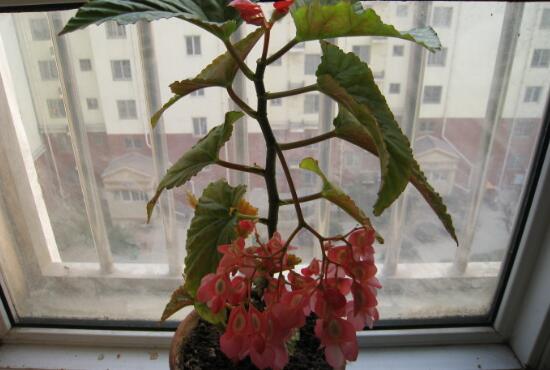
As an excellent decorative plant, the wax begonia is not difficult to grow, but there are many beginners who usually do not follow the methods, and end up growing plants with yellow leaves, which affects their ornamental value. By then, gardeners must be very anxious! So to solve this problem, the editor has compiled 6 causes of wax begonia leaves turning yellow, along with solutions. Let's read on.
II. Causes and solutions for wax begonia leaves turning yellow
1. Sudden environmental change
There are many reasons why wax begonia leaves turn yellow, but the first thing to consider should be environmental problems. Because today's potted plants are mostly bought online, this can easily cause a large regional gap, and the wax begonia cannot adapt for a while, resulting in yellow leaf symptoms.
Solution: In this situation, you should ask the seller about the wax begonia's previous growing environment, then make corresponding changes at home until the wax begonia fully adapts. After normal care for a period of time, the wax begonia's leaves will recover.
2. Improper lighting
The wax begonia is a plant that likes light but avoids strong light, so too little or too much light is bad, and both can easily cause problems. (1) If the wax begonia is placed indoors for a long time, it will develop yellow leaf symptoms because it cannot get sunlight; (2) At the same time, if the light is too strong, it can also cause the leaves to dry up and fall off
Solution: To avoid this situation, place it in a semi-shaded spot for care. If there is not enough light, supplement its light, but the light must not be too strong; if the light is too strong, move it to a semi-shaded spot for care and water it appropriately, and after a period of recovery it will gradually recover.
3. Temperature too low
The wax begonia likes a warm environment. In winter, we should move it indoors for care and maintain a certain temperature. Once the temperature is too low, its growth will slow down, which may result in wax begonia leaves turning yellow.
Solution: In the cold winter, you should move the wax begonia indoors, or place it in a spot with relatively sufficient sunlight, and keep the indoor temperature above 13°C.
4. Improper watering
For the wax begonia, water is extremely important, but once it is watered too much, waterlogging will occur, leading to root rot and ultimately yellow leaves. Of course, watering cannot be too little either, otherwise the wax begonia's leaves will also dry, turn yellow, and wither, seriously affecting the plant's ornamental value.
Solution: (1) When watered too much, stop watering and move the plant to a ventilated place so the water evaporates quickly; or, if you are willing to go to the trouble, repot the plant with fresh soil; (2) When watered too little, we need to water appropriately and keep the soil moist, but there must not be waterlogging. Believe that before long, the plant will recover its health.
5. Too much fertilizer
During the wax begonia's growth process, an appropriate amount of fertilizer is beneficial to its growth, otherwise too much fertilizer will cause the flower's leaves to become uneven and not spread out, with new leaves thick and old leaves gradually turning yellow.
Solution: Usually, we only need to apply some dilute fertilizer to the plant. If too much fertilizer has been applied, then pause fertilizing, and then you can choose to repot with fresh soil, or water frequently to continuously consume the nutrients in the pot, allowing the wax begonia to gradually return to normal.
6. Soil on the alkaline side
If the above points can be ruled out, then the reason the wax begonia leaves turn yellow may be that the soil is on the alkaline side. It is understood that the wax begonia is a flower that relatively prefers acidic soil. If the soil is on the alkaline side, or long-term watering with mineral water causes the soil to become alkaline, it will cause yellow leaves.
Solution: At this point, gardeners can use water soaked with grass to irrigate the wax begonia, then apply a little ferrous sulfate, and before long the leaves will turn green.
What to do when dwarf asparagus fern leaves turn yellow, 6 causes and solutions / improper water and fertilizer is key
As an ornamental plant, the dwarf asparagus fern is undoubtedly very beautiful. Whether it is its graceful plant shape or its bright green short branches and fine leaves, it is impressive. But during cultivation, many gardeners' leaves show signs of turning yellow, which is extremely headache-inducing. So what should you do when dwarf asparagus fern leaves turn yellow? Today the editor will help you solve this problem.
I. What to do when dwarf asparagus fern leaves turn yellow
There are mainly six reasons why dwarf asparagus fern leaves turn yellow: if it is a new potted plant, it may be temporary yellowing before the leaves adapt, and careful care is enough; if caused by too strong light, move it to a semi-shaded spot to condition it; if it is a water and fertilizer problem, then reasonable watering and fertilizing are needed, and repotting with fresh soil at the right time to replant; if it is frostbitten in winter, raise the temperature for care; if it has been poisoned, repot promptly.
II. Causes and solutions for dwarf asparagus fern leaves turning yellow
1. Sudden environmental change
As for the reasons dwarf asparagus fern leaves turn yellow, if it is a new potted plant, it may be caused by not yet adapting to the environment. Nowadays, many of the gardeners' potted plants are bought online, which may cause a large regional gap, and because the growing environment changes greatly, the dwarf asparagus fern may not adapt for a while and its leaves turn yellow.
Solution: If it is a newly bought dwarf asparagus fern potted plant, yellow leaves are actually a very normal thing. You only need to care for it according to the dwarf asparagus fern's cultivation methods, and after a period of time the plant will recover.
2. Light too strong
The dwarf asparagus fern likes a semi-shaded environment and avoids strong light. In summer, pay attention to shading it in time, otherwise once it is exposed to direct strong light, the branches and leaves will wither and turn yellow.
Solution: When you find the light is very strong, promptly move the potted plant to a cool indoor spot. After it recovers, water and mist it at the right time to increase air humidity.
3. Overwatering
The dwarf asparagus fern likes a moist environment, but it avoids waterlogging. When watering, follow the principle of "do not water until dry, and water thoroughly when you do." Once watered too much, causing waterlogging in the potting soil, root rot is likely to occur. And when the roots have rotted, it is no wonder the dwarf asparagus fern leaves turn yellow.
Solution: If discovered in time and the root rot is relatively mild, repot with fresh soil, cut off the rotten roots, and replant; if not discovered in time and the root rot is very severe, then there is no way. Just throw away the plant, or choose still-living branches as cuttings for propagation.
4. Improper fertilizing
Too much fertilizer: The dwarf asparagus fern likes fertilizer, and sufficient nutrients can make it grow lush and full of branches and leaves. However, when fertilizing the dwarf asparagus fern, do not apply too much or too concentrated fertilizer each time, otherwise it will cause poor plant growth, yellowing of dwarf asparagus fern leaves, and even death. Solution: Irrigate with water to dilute the fertilizer; or repot with fresh soil, cut off the rotten roots, and replant.
Not enough fertilizer: On the contrary, if the dwarf asparagus fern's potting soil is poor and gardeners do not fertilize in time, its leaves will turn yellow due to lack of nutrients. Solution: Fertilize at the right time, but when fertilizing the dwarf asparagus fern, apply thin fertilizer frequently.
5. Temperature too low
The dwarf asparagus fern likes a warm environment and is not cold-tolerant. In winter, if the temperature is too low, it will be frostbitten, resulting in symptoms of withered and yellow leaves.
Solution: In winter, promptly move the dwarf asparagus fern potted plant indoors for care, keep the room temperature above 12°C, and place it near a south-facing window, appropriately controlling watering.
6. Plant poisoning
If the above points can be ruled out, then the dwarf asparagus fern's yellow leaves may mean it has been poisoned! It is understood that the dwarf asparagus fern fears smoke and dust. If you place the potted plant in the kitchen, where it is surrounded by smoke and dust, over time its branches and leaves are prone to turning yellow.
Solution: Promptly move the potted plant to a ventilated place, water it at the right time, and give it sufficient diffused light, and after a period of time it will recover. In fact, when the plant is too large, the flowerpot is too small, or it is diseased or has pests, the dwarf asparagus fern is also prone to yellow leaves, so you must not be careless.
What to do when peace lily leaves turn yellow. 6 causes and solutions / pay attention to light, water, and fertilizer
The peace lily, also known as "smooth sailing," is a flower with a beautiful meaning and extremely high ornamental value, deeply loved by gardeners. In daily life, many people grow peace lilies, but during cultivation, many gardeners' plants develop yellow leaves. So what should you do when peace lily leaves turn yellow? For this, the editor has summarized 6 causes. Let's take a look!
I. When peace lily leaves turn yellow, find the cause
As a common flower, the peace lily is not difficult to grow, but there are many beginners who mostly do not know how to grow it, and do not know the limits for light, water, and fertilizer. As a result, with the slightest mistake, the plant develops yellow leaf symptoms. As for what to do when peace lily leaves turn yellow, we first need to find the cause, then solve it accordingly. Let's read on for the specifics.
II. Causes and solutions for peace lily leaves turning yellow
1. Improper lighting
When it comes to the reasons peace lily leaves turn yellow, the most common is improper lighting. The peace lily likes light, but it avoids strong light. Once it is placed directly in strong sunlight for exposure, the plant will become uncomfortable due to the drastic change in environment, thus developing yellow leaf symptoms.
Solution: In summer, avoid strong light exposure. Once exposure causes the leaves to turn yellow, quickly take the pot to a shaded place, then water it, and with careful care for two days it can be solved.
2. Unsuitable temperature
Besides lighting, low or high growing temperature is also one of the main reasons peace lily leaves turn yellow. It is understood that the peace lily's optimal growing temperature is 22-28°C. Once the temperature is below 5°C or above 35°C, the plant is prone to yellow leaves.
Solution: When the temperature is low, adjust the room temperature to above 15°C; when the temperature is high, cool it down and water at the right time to speed up cooling.
3. Overwatering
The peace lily likes a moist environment, but it avoids waterlogging. Once watered too much, it will affect the plant's root system in carrying out respiration. And when the peace lily's roots cannot breathe smoothly, it leads to root rot and leaves turning yellow and black.
Solution: Take the peace lily to a ventilated place to air out. After the potting soil dries, take it back indoors for careful care, and afterward water normally. Specifically: in summer, water once every 2-3 days; in winter, water once every week. Each watering cannot just wet the surface; it must be watered thoroughly all at once.
4. Improper fertilizing
After watering, let's talk about fertilizing, which is also one of the reasons peace lily leaves turn yellow. The peace lily likes fertilizer and needs sufficient nutrients during growth, but once too much fertilizer is applied, it will have the opposite effect: its leaves will turn yellow and wrinkle, and in severe cases it will cause root rot and even death.
Solution: Promptly irrigate with water to dilute the fertilizer and let it flow out from the bottom of the pot; besides that, do not fertilize too much. During the young plant's growing season, gardeners should apply diluted 10-fold liquid fertilizer once every 15 days, and mature plants should be given compound fertilizer once every 30 days. Do this well, and the peace lily's yellow leaves will be solved.
5. Not repotted for a long time
The reason peace lily leaves turn yellow may also be that you have never repotted it since buying it. Because in the early growth stage of the peace lily, nutrients are absorbed from the soil. Over time, the nutrients in the soil will decrease, causing malnutrition, and yellow leaves become very common.
Solution: If it is a potting soil problem, it is very simple to solve: just repot with fresh soil. Pour out the old soil and replace it with loose, moist, airy soil.
6. Pest infestation
Besides the above points, peace lily leaves turning yellow may also be caused by pests. It is understood that if there is damage from mite pests, the peace lily's leaves show adverse symptoms such as wilting, reduced luster, and yellowing and withering.
Solution: Spray with a miticide specifically for mites for prevention and control. For specific pesticides, refer to peace lily pest and disease control.
As beginners, many people find that when they first buy a peace lily, its leaves are still very green, but after growing it for a period of time, the leaves begin to turn yellow. This is actually because you have not done things properly. As long as you do as required above, yellow leaves and such are not a problem. Regarding peace lily leaves turning yellow, the editor has introduced it here, hoping it can help everyone.