How to grow Bleeding Heart Vine? Cultivation methods and precautions, with plenty of light
Bleeding Heart Vine should leave a deep impression on anyone who has seen it. Its flower shape is unusual, like a pearl being spat out, and it looks extremely beautiful, making it a great favorite among flower enthusiasts. In daily life, many people want to grow Bleeding Heart Vine, so how do you grow Bleeding Heart Vine? For this, the editor has carefully compiled the cultivation methods and precautions for Bleeding Heart Vine, very detailed, so anyone who wants to grow it should definitely take a look~
I. How to grow Bleeding Heart Vine: understand its habits
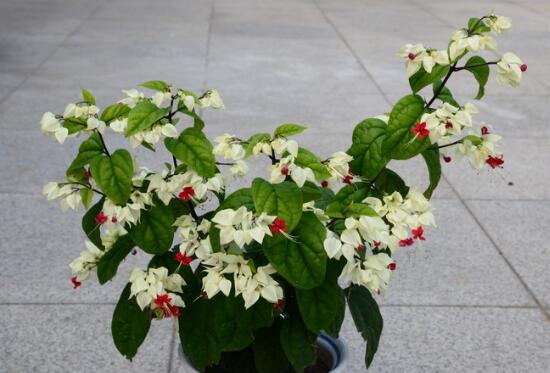
Bleeding Heart Vine prefers a warm, humid, semi-shaded environment with plenty of sunlight. When grown indoors, it should be placed in a spot with good light but sheltered from direct sunlight, and kept warm in winter. As for the soil, it is best to choose a sandy loam with good drainage. So how to grow Bleeding Heart Vine is very simple: based on its growth habits, we just need to meet its needs.
II. Cultivation methods and precautions for Bleeding Heart Vine
1. Soil
For how to grow potted Bleeding Heart Vine, the first thing is to reselect the soil. The reason is that many of the Bleeding Heart Vines grown by flower enthusiasts are existing potted plants bought from flower shops or online, and normal care can keep the plant growing. But that soil is very cheap, and if you want Bleeding Heart Vine to grow well, it is best to reselect the soil.
Pot soil selection: Bleeding Heart Vine likes loose, fertile, well-drained sandy loam, so for potting it is common to use a mix of culture soil or peat soil and coarse sand. For this, the editor recommends using a culture soil mixed from 4 parts leaf mold, 4 parts garden soil, and 2 parts sandy soil.
2. Light
Plant growth cannot do without light, so in the cultivation methods for Bleeding Heart Vine, light is extremely important. And because Bleeding Heart Vine prefers a semi-shaded environment with plenty of sunlight, when grown indoors it should be placed in a spot with good light but sheltered from direct sunlight.
Precautions: During growth, Bleeding Heart Vine needs sufficient light; once light is insufficient, it will grow as a vine and not bloom. In addition, Bleeding Heart Vine dislikes strong light, so in summer under strong light it should be properly shaded, otherwise the leaves of Bleeding Heart Vine will turn yellow.
3. Watering
Water is the source of life, so for how to grow Bleeding Heart Vine, watering is an indispensable part. Bleeding Heart Vine likes a humid environment and needs sufficient water during growth. Flower enthusiasts should water frequently to keep the potting soil moist, especially in summer, when while providing proper shade they should water thoroughly.
Precautions: Bleeding Heart Vine is fairly sensitive to water. Although it needs sufficient water, watering must not be excessive; once the amount of water is too large, it will cause Bleeding Heart Vine not to bloom, or even yellowing and falling leaves, and root rot and death. In addition, in winter watering should be reduced to let it go dormant, so it can overwinter safely.
4. Fertilizing
Having covered watering, let's talk about fertilizing, which is also very important during the growth of Bleeding Heart Vine. Bleeding Heart Vine needs sufficient nutrients to bloom, so during its flowering period, apply 1 dose of fully rotted, diluted cake fertilizer water every 7-10 days, preferably 3-4 consecutive applications. However, note that fertilizing cannot be excessive, otherwise it will have the opposite effect.
Care tips: During the process of growing Bleeding Heart Vine, if yellowing is found, you can combine it with topdressing by applying 0.2% ferrous sulfate water, which will gradually turn the leaves from yellow back to green.
5. Pruning
During the growth of Bleeding Heart Vine, to maintain its perfect shape, flower enthusiasts need to prune it properly. First, although Bleeding Heart Vine grows short, its branches can grow very long, and with attention to shaping and pruning, a very beautiful Bleeding Heart Vine can be cultivated; second, during the growth and development period, pay attention to pinching to control the height of the shoots, so the plant's shoots are neat and maintain a beautiful appearance.
6. Repotting
The potting soil for Bleeding Heart Vine is generally fairly fertile, but as the growing time increases, the soil gradually becomes poor, so every 1-2 years we should repot it once. As for the repotting time, either early spring or after the flowers fade is fine. Note that after repotting, water thoroughly and place it in a shaded spot to recover; after recovery, move it to a spot with plenty of sunlight for care.
7. Pests and diseases
During the growth of Bleeding Heart Vine, the plant will inevitably get insects and diseases. The main diseases include leaf spot, rust, mosaic virus, and gray mold, and the main pests include leaf beetles, stinging caterpillars, scale insects, and whiteflies; their appearance will all affect the growth of Bleeding Heart Vine. So once discovered, pesticide should be sprayed immediately for control. As for what pesticide to spray, you can refer to pest and disease control for Bleeding Heart Vine.
How to grow Bleeding Heart Vine, cultivation methods and precautions for Bleeding Heart Vine
Bleeding Heart Vine is a very beautiful ornamental plant. When it blooms, the deep red corolla extends from within the white calyx, like a pearl being spat out, making it very suitable for indoor growing. Of course, the unique flower shape of Bleeding Heart Vine has attracted a large group of flower enthusiasts to grow it. Below is a compilation of how to grow Bleeding Heart Vine, hoping it will be of some help to flower enthusiasts growing Bleeding Heart Vine.
Bleeding Heart Vine cultivation method 1: the soil should be fertileFor growing Bleeding Heart Vine, use fertile, loose, well-drained sandy loam. For potting, use culture soil or a mix of peat soil and coarse sand. The commonly used soil formula is 4 parts leaf mold, 4 parts garden soil, and 2 parts sandy soil.
2. Control watering wellFor potted Bleeding Heart Vine, you need to master the two main aspects of watering and pruning. Bleeding Heart Vine likes humidity and requires sufficient water during growth and development. But too much watering and overly wet potting soil can easily cause leaves to turn yellow and fall off. During growth, watering should be even, and the potting soil should often remain moist; it should not be too wet or too dry, nor should it alternate between wet and dry.
3. Control sunlight by seasonAfter the weather warms in spring, place it in the yard or on a south-facing balcony, and give it plenty of light in spring and autumn. In summer, when it is hot, it should be placed under a shade shed or in a shaded spot.
4. Control the amount of fertilizerBleeding Heart Vine should not be fertilized too much. Fertilize once every half month, and during the flowering season add 1-2 applications of phosphorus-potassium fertilizer, "Huiyou" 20-8-20 four-season high potassium nitrate fertilizer, or apply 1 dose of fully rotted, diluted cake fertilizer water every 7-10 days, with 3-4 consecutive applications being enough. In winter, reduce watering and stop fertilizing. If yellowing is found during cultivation of Bleeding Heart Vine, you can combine it with topdressing by applying 0.2% ferrous sulfate water, which will gradually turn the leaves from yellow back to green.
5. Control temperature in combination with the seasonsThe suitable growth temperature for Bleeding Heart Vine is 18-24°C, from February to October it is 18-30°C, and from October to the following February it is 13-16°C. In winter the temperature should not be lower than 8°C; above 5°C the stems and leaves are prone to frost damage, with mild cases causing leaf drop and severe cases withering the tender stems. During the vegetative growth period the temperature can be higher; at high temperatures above 30°C, as long as water is supplied sufficiently, it can still grow normally. For reproductive growth, that is, the flowering period, the temperature should be lower, about 17°C.
6. PruningFor Bleeding Heart Vine, after a cutting or seedling is potted and grows to 15 cm, cut the branch 10 cm from the pot rim to promote the sprouting of sturdy new branches. During the growth period, strictly control the height of the branches and pay attention to topping and pinching, so the branches are neat and flowering will be dense in the future. Half a month after pinching, apply daminozide or chlormequat to control plant height, achieving a short plant, lush leaves, and many flowers.
7. RepottingPotted Bleeding Heart Vine commonly uses a 12-15 cm pot, and each pot can hold 3 plants. Generally repot once every 1-2 years, and the repotting time can be either early spring or after the flowers fade. When repotting, first cover the drainage hole with broken tile pieces, then put in a small amount of bone meal as base fertilizer, then fill in new culture soil, plant the plant well, and leave 2-3 cm of rim at the top for fertilizing and watering. After repotting, water thoroughly and place in a shaded spot to recover; after recovery, move it to a spot with plenty of sunlight for care.
Precautions for growing Bleeding Heart Vine 1: watering precautionsBleeding Heart Vine is fairly sensitive to water and needs sufficient water during the growth period. During the stem and leaf growth period, keep the soil moist, but watering must not be excessive; if the amount of water is too large, it will only grow vines without blooming, or even have yellowing and falling leaves, and root rot and death. If the branches wither, stop watering and let it recover and sprout new leaves. In the hot summer season, water thoroughly and shade properly. In winter, reduce watering to let it go dormant, so it can overwinter safely.
2. Light precautionsIn winter, Bleeding Heart Vine needs sufficient light; in summer when the weather is too hot, it should be shaded, otherwise the leaves turn yellow. When light is insufficient, it will grow as a vine and not bloom. Flower bud differentiation is not affected by photoperiod, but stronger light promotes flower bud differentiation and development. It should not be placed in darkness for too long; at temperatures above 21°C, for more than 24 hours, it will drop its flowers.
3. Pest control precautionsThe main pests of Bleeding Heart Vine include scale insects, whiteflies, and others, which can be sprayed with 40% omethoate 1000x to 1500x solution. For leaves that cannot spread normally and become chlorotic and yellow due to alkaline soil, irrigate with 0.2% ferrous sulfate solution. For mosaic virus and fungal diseases, promptly remove fallen diseased leaves, strengthen ventilation, and keep the leaves dry, which can control the condition.
4. Disease control precautionsDuring cultivation, Bleeding Heart Vine can develop leaf spot disease. At first it is just small brown spots; if not treated in time, large black patches will appear, and the leaves will wither and die. So once illness is found, immediately spray the leaf surface with 800x chlorothalonil solution, once every 7-8 days, for 2-3 consecutive times, and it can basically recover.
How to grow Bleeding Heart Vine, cultivation methods and precautions for Bleeding Heart Vine
Bleeding Heart Vine originates from tropical West Africa, and its cultivation history in China is not long. Its flower shape is unusual and its flowering is abundant; it is mainly used for greenhouse cultivation and appreciation, can be used for flower stands, and can also be potted to decorate windowsills and small summer courtyards. Want to know how to grow Bleeding Heart Vine? Come and take a look at the cultivation methods and precautions for Bleeding Heart Vine!
If you want to know how to grow Bleeding Heart Vine, you first need to understand its growth habits
Bleeding Heart Vine likes a warm, humid, semi-shaded environment with plenty of sunlight, and is not cold-tolerant. The overwintering temperature should be above 15°C; being below 10°C for a long time can cause leaf drop and even death. It is propagated by sowing or cuttings; the seeds have a short lifespan, so sow immediately after collecting.
The suitable growth temperature for Bleeding Heart Vine is 18-24°C, from February to October it is 18-30°C, and from October to the following February it is 13-16°C. In winter the temperature should not be lower than 8°C; above 5°C the stems and leaves are prone to frost damage, with mild cases causing leaf drop and severe cases withering the tender stems. During the vegetative growth period the temperature can be higher; at high temperatures above 30°C, as long as water is supplied sufficiently, it can still grow normally. For reproductive growth, that is, the flowering period, the temperature should be lower, about 17°C.
Cultivation methods and precautions for Bleeding Heart Vine
Planting: For potted Bleeding Heart Vine, generally repot once every 1-2 years, and the repotting time can be either early spring or after the flowers fade. When repotting, first cover the drainage hole with broken tile pieces, then put in a small amount of bone meal as base fertilizer, then fill in new culture soil (4 parts leaf mold, 4 parts garden soil, 2 parts sandy soil), plant the plant well, and leave 2-3 cm of rim at the top for fertilizing and watering. After repotting, water thoroughly and place in a shaded spot to recover; after recovery, move it to a spot with plenty of sunlight for care.
Watering: Bleeding Heart Vine is fairly sensitive to water. During the stem and leaf growth period, keep the soil moist, but watering must not be excessive; if the amount of water is too large, it will only grow vines without blooming, or even have yellowing and falling leaves, and root rot and death. In the hot summer season, water thoroughly and shade properly. In winter, reduce watering to let it go dormant, so it can overwinter safely.
Light: In winter, Bleeding Heart Vine needs sufficient light; in summer when the weather is too hot, it should be shaded, otherwise the leaves turn yellow. When light is insufficient, it will grow as a vine and not bloom. Flower bud differentiation is not affected by photoperiod, but stronger light promotes flower bud differentiation and development. It should not be placed in darkness for too long; at temperatures above 21°C, for more than 24 hours, it will drop its flowers.
Soil: Use fertile, loose, well-drained sandy loam.
Fertilizing: Do not fertilize too much. During the flowering season, apply 1 dose of fully rotted, diluted cake fertilizer water every 7-10 days, with 3-4 consecutive applications being enough. If yellowing is found during cultivation of Bleeding Heart Vine, you can combine it with topdressing by applying 0.2% ferrous sulfate water, which will gradually turn the leaves from yellow back to green.
The above is the relevant introduction to the cultivation methods and precautions for Bleeding Heart Vine. How to grow Bleeding Heart Vine, have you learned it? Bleeding Heart Vine has a very unusual appearance; it is charming and lovely while not being delicate, possessing tenacious vitality that resists intense summer heat.