What to do when Aglaonema modestum leaves turn white? Add light and ventilation and replace the potting soil
Aglaonema modestum, a common foliage plant, has broad, evergreen leaves that look very beautiful. However, the beauty of Aglaonema modestum requires careful care. Once neglected, its leaves may develop white symptoms, seriously affecting the plant's ornamental value. So, what should be done when Aglaonema modestum leaves turn white? Today the editor will solve this problem for everyone.
I. When Aglaonema modestum leaves turn white, find the cause
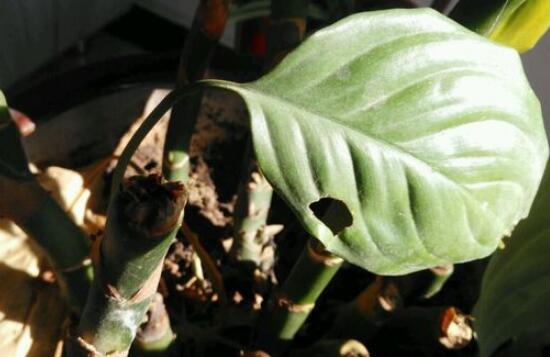
As a common indoor potted plant, Aglaonema modestum is not difficult to grow. You only need to pay more attention to light, water and fertilizer, and temperature to grow it well. But there are many beginners who simply do not know how to grow it, and over time they grow the leaves white. What should be done then? For this, the editor has summarized 3 causes of Aglaonema modestum leaves turning white, along with solutions. Let's continue reading.
II. Causes of Aglaonema modestum leaves turning white and solutions
1. The environment is too poor
When it comes to the causes of Aglaonema modestum leaves turning white, the main one is actually environmental problems. For this, it can be divided into the following two points:
① Potted Aglaonema modestum bought online may show white leaves because the region differs greatly, the environment changes too much at once, and the plant cannot adapt for a while.
② Aglaonema modestum is shade-tolerant and very suitable for indoor growing. Even in a dark place for a long time, it can still grow normally. But indoors is not the same as outdoors, especially in winter, when poor ventilation often occurs. Over time, Aglaonema modestum leaves may turn white.
Solution: According to the growth habits of Aglaonema modestum, give it its favorite growing environment, such as a place with diffused light and good ventilation. After a period of time, the plant will recover its health.
2. Improper lighting
Aglaonema modestum is extremely shade-tolerant, but if you want it to grow well, appropriate light is still very important. However, if it has not been in the sun for a long time and is suddenly exposed to the sun, the leaves of Aglaonema modestum are very prone to scorching and turning white.
Solution: Immediately move the potted plant to a cool, ventilated place indoors, water it appropriately, and care for it carefully for a period of time. If you want to give it sun, it should not be under strong sunlight; timely shading is necessary.
3. Unsuitable potting soil
Besides environment and light, unsuitable potting soil is also one of the causes of Aglaonema modestum leaves turning white. For this, there are also two situations:
① Aglaonema modestum likes a moist environment, but it has fleshy roots and cannot be soaked in water, so its growing soil needs to be loose and well-draining. Once the potting soil becomes compacted, water accumulation in the pot easily occurs, resulting in root rot, and the leaves above will also show signs of turning white.
② Aglaonema modestum likes slightly acidic soil. If the soil is alkaline, or if mineral water is used for a long time and causes the soil to become alkaline, the plant will grow poorly, resulting in symptoms of yellowing and whitening leaves in Aglaonema modestum.
Solution: If it is caused by unsuitable potting soil, it is very simple; just replace the soil with loose, fertile, well-draining, slightly acidic soil. Also loosen the soil in a timely manner. It is believed that before long, the plant will recover its health.
What to do when Aglaonema modestum leaves turn yellow? Reasonable water and fertilizer / temperature regulation / replacing potting soil
Aglaonema modestum, a beautiful foliage plant, has green leaves and remains evergreen all year round, making it highly ornamental when grown at home. But during cultivation, for various reasons, many flower lovers' Aglaonema modestum develops yellow leaves. So what should be done when Aglaonema modestum leaves turn yellow? For this, the editor has summarized 7 causes. Let's take a look together!
I. When Aglaonema modestum leaves turn yellow, find the cause
As a common foliage plant, Aglaonema modestum is not difficult to grow, but there are many beginners who do not grow it according to the requirements at all, and as a result the beautiful leaves turn yellow. At that time, flower lovers must be very anxious! As for what to do when Aglaonema modestum leaves turn yellow, it is actually very simple: find the cause and then solve it.
II. Causes of Aglaonema modestum leaves turning yellow and solutions
1. Light is too strong
Aglaonema modestum likes a semi-shaded environment and is extremely shade-tolerant. Even growing in a dark place for a long time has little effect. But it avoids direct strong light. Once Aglaonema modestum is placed in the sun and exposed to strong direct sunlight, it is very easy to cause the leaf tips and leaf margins of young leaves to scorch, or leaves to yellow and fall off.
Solution: What to do when Aglaonema modestum leaves turn yellow? If it is caused by too strong light, flower lovers should move it to a cool, ventilated place indoors, water it appropriately after a period of time, and then gradually place it in a place with diffused light. Before long, the plant will recover its health.
2. Temperature is too low
Aglaonema modestum likes a warm environment and is not cold-tolerant. If the winter temperature is too low and flower lovers have not taken good cold protection measures, the plant is easily frostbitten, causing the leaves to turn yellow.
Solution: Move Aglaonema modestum indoors and keep the room temperature above 5°C. After careful care for a period of time, the plant's leaves will recover.
3. Insufficient watering
Aglaonema modestum likes a moist environment and needs a lot of water during the peak growing season. If watering is insufficient at this time, the plant will develop yellow leaves due to lack of water.
Solution: What to do when Aglaonema modestum leaves turn yellow? If it is caused by insufficient watering, the solution is very simple; just replenish water appropriately. It should be noted that Aglaonema modestum has fleshy roots, so water should not accumulate in the pot, otherwise root rot will occur.
4. Improper fertilizing
After watering, let's talk about fertilizing. It is also one of the factors that causes Aglaonema modestum leaves to turn yellow. ① Insufficient fertilizer: the leaves cannot absorb sufficient nutrients and will become thin and yellow; ② Excessive fertilizer: new leaves are thick and fat, while old leaves have dry tips, scorch yellow, and fall off.
Solution: If fertilizer is insufficient, promptly replace with new growing soil and gradually increase application of dilute decomposed liquid fertilizer or compound flower fertilizer; if there is too much fertilizer, immediately stop fertilizing, increase the amount of water replacement to let the fertilizer leach away, or immediately repot, rinse the bulbs with water, and then replant them in the pot.
5. Soil is alkaline
Aglaonema modestum grows best in loose, fertile, well-draining, organic-rich, slightly acidic soil. If the soil is alkaline, or if mineral water is used for a long time and causes the potting soil to become alkaline, Aglaonema modestum will show yellow leaves due to lack of absorbable soluble iron and other elements.
Solution: Very simple, replace the potting soil with new slightly acidic growing soil; if the yellow leaves are not serious, you can often water with alum fertilizer water to change the soil's acidity and alkalinity.
6. Pruning is not timely
When water and fertilizer are adequate, Aglaonema modestum will grow very densely. If it is not pruned in time, the leaves inside will gradually turn yellow and fall off because they cannot receive light for a long time.
Solution: What to do when Aglaonema modestum leaves turn yellow? If it is caused by the plant being too dense, flower lovers should prune appropriately. Cut off some branches and leaves to let the leaves grow freely, which can make them emerald green and glossy.
7. Pests and diseases
Besides the above points, there is another cause of Aglaonema modestum leaves turning yellow that cannot be ignored, namely being attacked by pests and diseases. Solution: Determine which pest or disease it is, and then spray accordingly. As for what to spray, it is introduced in detail in the pest and disease control of Aglaonema modestum, so it will not be repeated here.
Overall, Aglaonema modestum is not difficult to grow, but because many flower lovers are beginners, yellow leaves will inevitably appear. However, after reading the whole article, I believe everyone has a better idea. When yellow leaf problems appear, just follow the methods above. Regarding Aglaonema modestum leaves turning yellow, the editor will introduce it here, hoping to bring help to everyone.
Rohdea japonica, the effects and functions of Rohdea japonica
Rohdea japonicaWàn Nián QīnɡAliases: Zhan She Jian, Dong Bu Tiao Cao, Tie Bian Dan, Jiu Jie Lian, Qian Nian Run, Yun, Qian Nian Yun, Wu Zhou, Wan Nian Qing Gen, Dong Bu Diao Cao, Kai Kou Jian, Bai He Che, Niu Wei Qi, Chong Tian Qi, Zhu Gen Qi, Qing Long Dan, Jiu Jie Lian, Ye Yu Jiao, Zhuang Yuan Hong, Bai Chong Lou, Tie Zong Lv, Wan Nian Fei, Bao Gu Qi, Zhu Zong Guan, Sou Shan Hu
Effects and functions: clear heat and detoxify; strengthen the heart and promote diuresis; cool the blood and stop bleeding. Mainly for sore throat; diphtheria; sores, ulcers, swelling and toxin; snake and insect bites; heart failure; edema and tympanites; hemoptysis; hematemesis; abnormal uterine bleeding
English name
First recorded in "Lü Chan Yan Ben Cao"
Toxicity: mildly toxic
Meridian tropism: heart meridian, lung meridian
Medicinal nature: cold
Medicinal flavor: sweet, bitter
Rohdea japonica (scientific name: Rohdea japonica) is the only species under the genus Rohdea. It is a perennial evergreen herbaceous plant, also known as Yun, Qian Nian Yun, Kai Hou Jian, Jiu Jie Lian, Dong Bu Diao, Dong Bu Diao Cao, Tie Bian Dan, Wu Mu Du, Bai Sha Cao, Zhan She Jian, etc. It is native to southern China and Japan and is a very popular excellent ornamental plant, with a long history of cultivation in China.
Contents
1 Name and classification
2 Variety situation
3 Propagation and cultivation
4 Care knowledge
5 Related questions
6 Pest and disease control
7 Uses and culture
8 The flower language of Rohdea japonica
9 Introduction to the Chinese medicinal material
10 Rohdea japonica - various discussions
11 Rohdea japonica - poisoning symptoms
12 Rohdea japonica - plant identification
Name and classification[Scientific name] Rohdea japonica (Thunb.) Roth.
[English name]Omoto Nipponlily
[Aliases]Kai Hou Jian, Jiu Jie Lian, Dong Bu Diao, Tie Bian Dan
[Classification]Angiosperms, Monocotyledoneae, Liliales, Liliaceae, Rohdea. ==Morphology and habits==Rohdea japonica (Figure 1)
[Morphological characteristics]Perennial evergreen herb, without aboveground stem. Rhizome thick and short, yellow-white, with nodes, and many slender fibrous roots growing from the nodes. Leaves clustered from the rhizome, thick, lanceolate or band-shaped, 10-25 cm long, 2.5-5.5 cm wide, margins slightly folded inward, base gradually narrowing into a petiole-like shape, dark green above, light green below, with multiple straight parallel veins, the main vein relatively thick. In spring and summer, scapes grow from the leaf cluster, 10-20 cm long; flowers numerous, clustered at the top in a short spike; perianth 6-parted, pale greenish-white, ovate to triangular, pointed at the tip, broad at the base, united below into a disc shape; stamens 6, sessile, anthers oblong; ovary spherical, style short, stigma 3-lobed. Berry spherical, orange-red; containing 1 seed
Common varieties include:
1. Golden-edged Rohdea japonica (var. marginata).
2. Silver-edged Rohdea japonica (Var. variegata).
There are also other varieties such as large-leaved, fine-leaved, dwarf, and those with yellow-white markings. More are found in Japan and Taiwan, China.
[Origin]Rohdea japonica is native to China and Japan. It is widely distributed in China, found in East China, Central China, and Southwest China, with main producing areas in Zhejiang, Jiangxi, Hubei, and other places.
[Habitat habits]It likes to grow in humid places under forests or in grasslands.
It likes a semi-shaded, warm, humid, and well-ventilated environment, is not drought-tolerant, and is slightly cold-tolerant; it avoids direct sunlight and water accumulation.
It can be cultivated in general garden soil, but the best is slightly acidic sandy loam rich in humus, loose, and with good water permeability.
Variety situation
Dieffenbachia maculata
[Alias] Dumb cane.Rohdea japonica (Figure 2)
[Scientific name] Dieffenbachia maculata
[Family and genus] Araceae, Dieffenbachia.
[Morphology] Perennial evergreen herb. Stems stout, mostly fleshy, plant height can reach 1 m. Leaves large and glossy, borne on the upper part of the stem, elliptic-ovate or broadly lanceolate, apex acuminate, entire, 20-50 cm long, 5-15 cm wide, both sides of the leaves dark green, inlaid with dense, irregular white, milky white, pale yellow and other colored spots, markings, and patches. Common horticultural varieties include Dieffenbachia 'Camille', Dieffenbachia 'Bai Yu', Dieffenbachia 'Shu Bai', etc.
[Habits] Native to tropical America. Likes high temperature, high humidity, and a semi-shaded or shaded environment. Not cold-tolerant, avoids direct strong light, and requires loose, fertile, well-draining sandy loam.
[Propagation] Mainly by cuttings. In spring from April to May, cut off the small shoots growing from the base of the plant, let the wounds dry slightly, or dip the wounds in plant ash and insert them into plain sand. Pay attention to shading and maintaining moisture. Roots can form and be potted in about 1 month.
[Cultivation] For potting, use 2 parts leaf mold, 1 part garden soil, 1 part river sand, plus a small amount of decomposed base fertilizer as growing soil. During the growing season, to keep the potting soil moist, water more, preferring wet over dry, and at the same time supplement with spraying water on the leaves. In autumn, control water, alternating dry and wet; in winter, keep the potting soil dry. During the growing period, fertilize generally once a month. Usually prevent direct sunlight and provide shade. Repot once every spring. The overwintering temperature in winter cannot be lower than 10°C.
[Uses] Potted ornamental. Suitable for decorating the living room and study.Rohdea japonica (Figure 3)
Decorative application: Small potted young plants can be placed on a desk or windowsill for viewing. Medium potted plants can be placed in a corner of the living room or beside the sofa as decoration, filling the room with natural vitality.
Light: Tolerates semi-shade, avoids excessively strong sunlight, but too dark light will also cause the leaves to fade.
Water: Likes moisture; water more during the growing period from March to August. In summer, water frequently to increase environmental humidity.
Temperature: Likes high temperature, not cold-tolerant, suitable growth temperature 20-30°C. The minimum overwintering temperature is above 12°C. Once frozen, the leaves become yellow and wilted, and the terminal bud dies.
Fertilizer: During the growing period, apply nitrogen fertilizer monthly to promote rapid growth; from March to August, apply fertilizer water once every two weeks. Reduce fertilization after autumn.
Soil: Requires loose, fertile, well-draining soil.
Propagation: Cutting propagation. Can be done in spring and summer. Take 10-15 cm long young shoots, insert them into yellow sand medium, and they will root in 20-30 days. Later, repot into new pots depending on plant size.
Ornithogalum caudatum
Brief introduction: Ornithogalum caudatum is native to southern Africa. It likes sunlight and also tolerates semi-shade, is cold-tolerant, fears direct sunlight in summer, likes a humid environment, and after heavy frost in winter the leaf cluster still remains verdant. The bulb has a summer dormancy habit, has strong bulb division ability, and a high propagation coefficient.
Propagation: Commonly by bulb division and sowing. Natural bulb division propagation: dig up the bulbs from August to September, grade them by size, and plant them. After one planting, divide the bulbs again after several years when the bulbs become crowded. Sowing propagation: seedlings need 3-4 years of cultivation before flowering.
Cultivation: Grows robustly and tolerates extensive management. Fertilize once every half month. The soil should be loose, moist, and well-draining. After flowering, remove the residual flower stalks, and it will bloom more abundantly the next year. The bulb storage temperature is 25°C, and it needs dry, ventilated conditions.Rohdea japonica (Figure 4)
Pests and diseases: There is mosaic disease damage. The virus is transmitted by aphids and can be controlled by spraying 2.5% derris extract at 800 times dilution.
Application: Ornithogalum caudatum blooms from mid-April to early May. The flowers are white, orange, and double-flowered types. In spring, the star-shaped white flowers sparkle, elegant and simple. It is an excellent material for arranging natural-style gardens and rock gardens, and is also suitable for cut flowers and potted viewing.
Aglaonema modestum
Also called Chinese evergreen.
It is a perennial herb of Araceae, plant height 60-70 cm, stem erect and unbranched, internodes obvious.
Leaves alternate, petioles long, base expanded into a sheath, leaves green, long lanceolate or ovate-lanceolate. Blooms in autumn, inflorescence axillary, shorter than the petiole.
Its leaves are broad and glossy, emerald green all year round, and especially shade-tolerant. It can be cut to make foliage bonsai or as a foil for flower arrangements, decorating the environment, and can also be used as a potted plant to adorn halls and rooms.
Chinese Rohdea japonica
Chinese Rohdea japonica, known since ancient times, is emerald green and evergreen all year round, with orange-red large fruits that do not wither in winter. It is regarded among the people as a symbol of good fortune and is widely cultivated in both the north and south. In the north, potted plants can be placed indoors for viewing in all four seasons. Rohdea japonica is a perennial herbaceous flower of the genus Rohdea in Liliaceae. It has a short, thick rhizome underground. Leaves emerge in clusters from the top of the rhizome, band-shaped or oblanceolate. The scape is relatively short, emerging from the leaf cluster, with a terminal spike, small white flowers densely arranged, and spherical orange-red berries. The flowering period is from June to July. In northern potted cultivation, it is difficult to bear fruit, so it is mainly grown for foliage. The genus Rohdea is native to China, with only this one species. Varieties include golden-edged Rohdea japonica, silver-edged Rohdea japonica, Dieffenbachia maculata, as well as large-leaved, fine-leaved, and dwarf varieties.Rohdea japonica (Figure 5)
Also commonly cultivated is Aglaonema modestum, alias Zhu Jie Wan Nian Qing, a perennial herbaceous flower of Araceae, native to South China, Southwest China, India, and Malaysia. It shares the name Wan Nian Qing with Rohdea japonica but belongs to a different family and genus. Its varieties include the four queens: Gold, Silver, Jade, and Beauty. The leaf colors are inlaid like gold and jade, splendid and brilliant, all among the leaders of today's indoor ornamental flowers. Rohdea japonica and Aglaonema modestum are potted plants and require humus-rich, loose, fertile, slightly acidic growing soil. They like high temperature and high humidity, are not tolerant of severe cold, and overwintering must not be below 50°C. They like shade and avoid direct strong light. In winter they can be placed in a sunny place, and in summer they should be shaded and protected from rainwater soaking. Chinese Rohdea japonica is mainly propagated by division. Aglaonema modestum is mainly propagated by cuttings, preferably in March or from September to October. Aglaonema modestum can also have 8 cm long stem sections soaked in clean water until roots emerge and then be planted, or grown in glass containers in water to enjoy the leaves and roots, remaining unfading for a long time. If you want the leaf color to be deep green, in spring and autumn apply a mixed solution of 0.2% urea and 0.1% potassium dihydrogen phosphate once or twice.
Rohdea japonica and Aglaonema modestum should have the soil changed by repotting once every two to three years in early spring. After repotting, place them in a warm, humid, shaded place. Frequently spray water on the leaves and surrounding environment to keep them moist. In the Beijing area, after mid-May they can be placed outdoors under a shade frame, and brought indoors in early October, placed in a place with fresh air and no smoke or dust pollution.
Omoto Nipponlily (Rohdea japonica) and Chinese evergreen (Aglaonema modestum) are potted plants that require a loose, fertile, slightly acidic growing medium rich in humus. They thrive in high temperatures and high humidity, are not tolerant of severe cold, and must not be kept below 50°C during winter. They prefer shade and should be kept out of direct strong sunlight. In winter they can be placed in a sunny spot, while in summer they should be shaded. They should not be left soaking in rainwater.
Rohdea japonica is mainly propagated by division. Aglaonema modestum is mainly propagated by cuttings, preferably in March or from September to October. Aglaonema modestum can also have 8 cm long stem segments cut and soaked in clean water until roots emerge, then planted, or grown in water in a glass vessel to enjoy the leaves and roots, staying fresh for a long time without withering. If you want the leaves to be a deep green, apply a mixed solution of 0.2% urea and 0.1% potassium dihydrogen phosphate once or twice in spring and autumn.
Rohdea japonica and Aglaonema modestum should have their soil changed and be repotted once every two to three years in early spring. After repotting, place them in a warm, high-temperature, shaded spot, and frequently spray water on the leaf surfaces and the surrounding environment to keep them moist. In the Beijing area, they can be placed outdoors under a shade frame after mid-May, and brought indoors in early October, placed in a spot with fresh air and no smoke or dust pollution.Oyster plant (Rhoeo discolor)
Rhoeo discolor Alias: Boat lily, purple-leaved spiderwort, purple oyster plant. Commelinaceae
Rhoeo discolor is native to Mexico and the West Indies
It is an evergreen perennial herbaceous plant. The leaves are lanceolate, green on the upper surface with stripes of varying shades, and purplish-red on the underside, also with stripes of varying shades of purplish-red (see photo). The stems and leaves are somewhat succulent. The flowering period is from August to October, and it readily sets seed. The small flowers are white. Because the flowers grow inside two purplish-red, mussel-shaped large bracts, resembling a mussel shell spitting out a pearl, it is also called "mussel flower."
Its leaves have different colors on each side, bright and varied, with a moderate plant form and graceful posture. The red bracts contain many jade-white small flowers, creating a striking color contrast, bizarre and interesting, presenting the scene of a mussel shell spitting out pearls, which is very rare and never tires the eye.
Rhoeo discolor prefers a semi-shaded, moist environment and likes fertile, loose sandy loam. It is relatively drought-tolerant, afraid of scorching sun, and fearful of cold. It stops growing at 10°C, so it is best to keep it above 10°C during winter.
It has good shade tolerance and also a strong ability to adapt to dry climates, thus making it an excellent foliage plant for indoor cultivation in both northern and southern regions of China. It can be placed long-term in a bright living room; if the room is relatively dark, it is best to rotate it about every 20 days.
Its propagation is mainly by sowing. The tiny seeds can be sown as soon as they are collected, and seedlings emerge in half a month. When the seedlings are 3-5 cm tall, they can be transplanted. It can also be propagated by cuttings, carried out in spring and autumn. Cut off the top leafy portion, insert it into sandy soil, place it in a shaded spot, and do not overwater. Roots form in about 20 days, and when new leaves grow, transfer to normal care. The remaining old stems can also regrow new shoots.
Zebra leaf Dieffenbachia
Zebra leaf Dieffenbachia is also called Giant Dumb Cane,Rohdea japonica (Figure 6)
Dumb cane, is a perennial herbaceous plant of the Araceae family. The stem is cylindrical and fleshy, often with white ring marks on the stem, which are the traces left after leaves fall off. The leaves of zebra leaf Dieffenbachia are long elliptical, with irregular white or pale yellow spots and stripes scattered on both sides of the green main leaf vein, appearing especially elegant and refined, like the stripes on a zebra's body, hence the name zebra leaf Dieffenbachia.
Zebra leaf Dieffenbachia is native to Colombia and likes a warm, humid climate. The optimal temperature for growth is 25°C to 30°C, and the indoor temperature in winter should also be maintained at around 15°C, with a minimum of 10°C. The potting soil can be prepared by mixing 7 parts leaf mold, 3 parts loam, and 1 part sand. Zebra leaf Dieffenbachia prefers a semi-shaded environment and avoids direct sunlight, so it can be grown indoors year-round. It is tolerant of water and moisture; a water tray can be placed under the pot, with water in the tray, so that water continuously seeps through the small holes at the bottom of the pot to moisten the soil.
Propagation and cultivation
[Propagation]
Both sowing and division propagation are possibleRohdea japonica (Figure 7)
。
The berries of Rohdea japonica mature in December. After maturing, they can be sown as soon as collected into potting soil mixed with equal parts fine sand and leaf mold. Cover the pot with glass or tie on plastic film to maintain soil moisture, temperature, and light. If the temperature is controlled at 20°C, germination occurs in 20-30 days. When the seedlings grow to 3-4 leaves, they can be potted separately.
(1) Division method: Division method: Rohdea japonica has strong sprouting ability from underground stems. In spring and autumn, use a sharp knife to cut off new sprouts at the rhizome along with some lateral roots, coat the wound with plant ash, plant into a pot, water lightly, place in a shaded spot, and after 1-2 days water thoroughly. Alternatively, the entire plant can be taken out of the pot, and depending on the size of the plant, use a sharp tool to divide it into several parts. After the wounds dry for a day or are coated with plant ash, pot them and manage as described above.
(2) Sowing method: Sowing is generally carried out from March to April. Sow in a flowerpot filled with growing medium, water, and temporarily place in a shaded spot, keeping it moist. Under conditions of 25-30°C, germination occurs in about 25 days.
[Cultivation management]
For potted Rohdea japonica, sandy loam rich in humus should be used as the growing medium. A soil pH between 6-6.5 is more conducive to fully utilizing nutrient availability and is suitable for the plant to flower and fruit. Repot once a year in April or October-November. When repotting, remove aged rhizomes and persistent dead leaves, and plant with fertilized acidic growing soil. After potting, place in a shaded spot for several days.
The key points for cultivating Rohdea japonica are: warmth, moisture, and semi-shade. In summer, when growth is vigorous, it needs to be placed in a shaded spot to avoid strong light, otherwise it easily causes dry leaf tips and scorched edges, affecting the ornamental effect. Therefore, after bringing it out in early spring, it should be placed under a shaded trellis or eaves, or in a shaded spot on a balcony.Rohdea japonica (Figure 8)
Rohdea japonica has a fleshy root system and is most afraid of waterlogging, so it should not be overwatered, otherwise it easily causes root rot. Normally, just water the potting soil with an appropriate amount; water only when the potting soil is dry, and it is better to keep it on the dry side than too wet. Except in summer when the potting soil must be kept moist, watering in spring and autumn should not be too frequent. However, the air must be kept humid; if the air is dry, undesirable phenomena such as dry leaf tips easily occur. In summer, water the ground around the flowerpot every morning and evening to create a humid microclimate. Also be careful to prevent heavy rain from drenching it, especially during the flowering period when it must not be rained on; place it in a shaded, dry, ventilated spot free from rain.
During the growth period, apply decomposed liquid fertilizer once about every 20 days; in early summer when growth is more vigorous, apply liquid fertilizer once about every 10 days, and a small amount of 0.5% ammonium sulfate can be added to the topdressing, which can promote better growth and make the leaves dark green and glossy. In June-July when flowering is vigorous, apply a 0.2% potassium dihydrogen phosphate aqueous solution once about every 15 days to promote flower bud differentiation and facilitate better flowering and fruiting.
In addition, around the Beginning of Summer, several outer old leaves of mature plants should be cut off to facilitate the sprouting of new shoots, new leaves, and the emergence of flower scapes.
In winter, Rohdea japonica needs to be moved indoors to overwinter, placed in a sunny, well-ventilated spot, with the temperature maintained at 6-18°C. If the room temperature is too high, it easily causes leggy leaf growth, consuming large amounts of nutrients, leading to weak growth the following year and affecting normal flowering and fruiting. If Rohdea japonica shows yellowed and scorched leaf tips in winter, or even the entire plant withers, it is mainly caused by the roots being unable to absorb water, affecting growth. Therefore, in winter the air should also be kept humid and the potting soil slightly moist; generally watering 1-2 times a week is suitable. In addition, the leaves should be sprayed and washed with warm water once a week to prevent the leaves from being polluted by smoke and dust, so as to keep the stems and leaves fresh green and evergreen throughout the four seasons.
Cultivation key points
Warmth, moisture, and semi-shade. In summer, potted plants are best placed indoors about 80 cm from a south-facing windowsill, or in a shaded spot outdoors, avoiding direct strong sunlight, otherwise the leaves are easily scorched. In addition to sufficient watering, every morning and evening water the ground around the flowerpotRohdea japonica (Figure 9)
to help create a humid microclimate. During the growth period, do not overwater; when the surface of the potting soil turns white, that is the suitable time to water. Apply liquid fertilizer once every half month. In the north, after bringing indoors in winter, the room temperature must not be lower than 12°C. If the temperature is too low, it easily leads to chilling, leaf drop, and death. In winter, spray and wash the leaf surface with warm water once a week to prevent the leaves from being contaminated by smoke and dust, so as to keep the stems and leaves fresh and beautiful.
Cultivation precautions
1. Planting: Plant in spring or repot and change soil. It has no strict requirements for soil, but is afraid of waterlogging. When planting in the ground or in pots, avoid hard clay and alkaline soil. For potting, generally use a mixture of leaf mold and sand. In the south it can be potted or grown in the open ground; in the north it requires greenhouse cultivation. Change the soil once a year, repot once every 2 years, and replenish with new fertile soil.
2. Light and temperature: Rohdea japonica prefers a semi-shaded environment and is afraid of direct sunlight in summer. For greenhouse cultivation, shade more than 60% in spring, summer, and autumn, and 40% in winter. Too much light easily causes sunscald, while too little light makes it difficult to flower and fruit. The suitable growing temperature is 15-18°C. In winter, move into the greenhouse for dormancy, place in a sunny spot, keep the temperature above 10°C, and the minimum temperature must not be lower than 5°C. In the Yangtze River basin it can overwinter in the open ground; although the leaves may suffer frost damage, new leaves can still regrow the following year.
3. Watering and fertilizing: During the growing season, apply liquid fertilizer once every 10-15 days. In summer, strengthen ventilation, prevent heatstroke and lower the temperature, and supply sufficient water, always keeping the potting soil moist and the surrounding air humid. In summer, water 1-2 times a day. In winter, reduce watering and stop fertilizing.
4. Shaping and pruning: To maintain a good plant shape and improve ornamental value, as the plant grows, yellow leaves, residual leaves, and some old leaves at the lower part of the plant should be pruned promptly. For home pot cultivation, a soft cloth dipped in beer can be used to wipe the leaves, which not only removes dust but also adds nutrients to the leaves, making them bright green and clean.
Care knowledge
Key points for caring for Aglaonema modestum
It is an evergreen herbaceous plant of the Araceae family, Aglaonema genus, also known as Chinese evergreen. The stem is erect, 40 cm to 50 cm tall. The leaves are ovate to ovate-lanceolate, with a blunt base and an acuminate apex. The inflorescence emerges from the lower sheath, and the spathe is small and green. It is produced in southwest and south China, and is also distributed from India to Malaysia. It prefers a warm, humid, and lightly shaded environment. For potting, use loose, fertile, humus-rich, well-drainedRohdea japonica (Figure 10)
slightly acidic soil. It is not cold-tolerant; the overwintering temperature is 5°C to 8°C. The leaf surface needs frequent spraying, and the potting soil should always be kept moist. Propagation is mainly by cuttings, which root very easily at 25°C, and division can also be used. Aglaonema modestum is very adaptable to indoor environments; it can be potted or placed in a vase, can continue growing, and stays fresh for a long time without withering. Common famous varieties include: Aglaonema commutatum 'Java', with a short stem, branching at the base, ovate leaves with white spots and white veins. Aglaonema commutatum 'Variegatum', shrub-like, with irregular bright green or grayish-white markings on the leaf surface. Aglaonema commutatum 'Aureo-variegatum', with a white stem, green stripes, and branching. The leaf surface has irregular yellow-brown markings, and the spathe is greenish-white. These three Aglaonema varieties are not cold-tolerant, and the suitable overwintering temperature should not be lower than 18°C.
Key points for caring for Dieffenbachia seguine
The leaves of Dieffenbachia seguine have many irregular white or pale yellow spots, with bright colors, and are green throughout the four seasons. Water: Likes moisture. Water more in summer, but avoid waterlogging, and frequently spray the leaf surface. Reduce watering in winter. Do not let it be rained on during the flowering period.
Fertilizer: It has low fertilizer requirements. Apply base fertilizer when repotting; generally no additional fertilizing is needed.
Soil: It is highly adaptable, but loose, well-aerated, slightly acidic loam is most suitable.
Temperature: In northern regions it needs to overwinter indoors; in the Jiangnan region it can overwinter in the open ground, and no frost damage occurs above 5°C.
Light: Likes semi-shade and avoids exposure to the sun. Indoors, it should be placed in a ventilated spot with indirect light.
Propagation: Division propagation. In early spring, divide the sprouting shoots and plant them together with the roots; survival is easy. Sowing is also possible, but generally not used. Division can be combined with repotting, generally repotting once a year, dividing the clustered plant into several clumps for separate cultivation, and dividing once every 3 years.
How to care for Rhoeo discolor
Rhoeo discolor is also called purple oyster plant. It is an evergreen perennial herb of the Commelinaceae family. The leaves are broadly lanceolate, arranged in a ring on a short stem, with a smooth dark green upper surface and a dark purple underside. The flowers are axillary, with white flowers enclosed by two mussel-shell-like purple bracts, and the filaments have long white hairs. It is a commonly cultivated indoor foliage plant.
This plant is native to Mexico and the West Indies. It likes a warm, humid climate and is suitable for growing in an environment of 15-25°C. It likes light but is also shade-tolerant, fears intense sunlight, and requires fertile, water-retentive soil.
For Rhoeo discolor potting soil, it is best to mix 2 parts pond mud and 1 part peat. Because of its strong adaptability, management is relatively extensive. Except that from May to October it needs shading or placement in a semi-shaded spot, at other times it should be given sufficient light. Watering should err on the side of wetness rather than dryness, but it should not be overly moist or waterlogged, otherwise over time the roots will rot. When the weather is dry, frequently spray water to keep the growing environment at a relatively high air humidity. Fertilizing should not be excessive; applying 1-2 times of cake fertilizer water is sufficient. In winter, place it indoors in a humid spot, keep it at around 6-10°C, and keep the soil slightly moist; it should not be too wet.
Rhoeo discolor is mostly propagated by division, and can also be propagated by cuttings or sowing. Division is usually carried out in spring when repotting, by using a sharp knife to cut the dense mother plant apart at the gaps. Cuttings can be done throughout the growing season by cutting 7-10 cm from the stem tip, removing the lower leaves, inserting into sand, keeping moist, and roots form in about 2 weeks. Sowing is often done in pots in April; after emergence, growth is rapid. When the seedlings grow to about an inch, transplant promptly, and by autumn of that year they can grow into full plants.
Care of zebra leaf Dieffenbachia
Zebra leaf Dieffenbachia is native to Colombia and likes a warm, humid climate. The optimal temperature for growth is 25°C to 30°C, and the indoor temperature in winter should also be maintained at around 15°C, with a minimum of 10°C. The potting soil can be prepared by mixing 7 parts leaf mold, 3 parts loam, and 1 part sand. Zebra leaf Dieffenbachia prefers a semi-shaded environment and avoids direct sunlight, so it can be grown indoors year-round. It is tolerant of water and moisture; a water tray can be placed under the pot, with water in the tray, so that water continuously seeps through the small holes at the bottom of the pot to moisten the soil. In winter, watering should be restricted; the lower the temperature, the more attention should be paid to watering less. In winter, some leaves may turn yellow and drop, but as long as they are not frost-damaged, new leaves can still emerge the following spring. If kept indoors for the winter, growth is weaker and there is a tendency to become leggy, so it can be placed outdoors in a semi-shaded spot for a period during the growing season, and moved back indoors after vitality recovers. Fertilizing can be done during the growing season, depending on growth vigor, once or twice a month, applying more decomposed liquid fertilizer or compound fertilizer to promote a verdant leaf color, but nitrogen fertilizer should not be used excessively.
Its "flower" is the typical spadix inflorescence with spathe of the Araceae family. It rarely or never sets seed, so it is difficult to propagate by seed. Propagation is basically asexual, with the main methods being tissue culture and cuttings. Tissue culture propagation has a high success rate and low cost, but requires certain equipment and conditions. The cutting method is to cut old stems into 10 to 15 cm small segments in spring, insert them obliquely into sandy soil, keep moist, and transplant into pots after roots and leaves grow. Alternatively, during the peak growing season, cut the stem into small segments with one or two nodes, about five or six cm long, let them dry for a few days until the cut surface is dry, then plant directly into pots, keep moist, and they will quickly root and grow leaves. You can also cut leafy stem segments and insert them into a transparent glass water bottle, fix them with white rice stone used for architectural decoration, and in about half a month you can see white jade-like adventitious roots growing, so you can enjoy both the leaves and the roots. Because its sap is toxic, be careful during handling not to let it touch the skin, mouth, or eyes. There are more than 30 varieties in the same genus as zebra leaf Dieffenbachia, which also have certain ornamental value, but this species is the largest, with thick hard leaves, elegant and beautiful markings and luster, a tall plant, and sturdy stems, making it an ideal indoor ornamental plant.
Care of Dieffenbachia seguine
The leaves of Dieffenbachia seguine have many irregular white or pale yellow spots, with bright colors, and are green throughout the four seasons.
The key points for its cultivation are: warmth, moisture, and semi-shade. In summer, potted plants are best placed indoors about 80 cm from a south-facing windowsill or in a shaded spot outdoors, avoiding direct strong sunlight, otherwise the leaves are easily scorched. In addition to sufficient watering, every morning and evening water the ground around the flowerpot to help create a humid microclimate. During the growth period, do not overwater; when the surface of the potting soil turns white, that is the suitable time to water. Apply liquid fertilizer once every half month.
In the north, after bringing indoors in winter, the room temperature must not be lower than 12°C. If the temperature is too low, it easily leads to chilling, leaf drop, and death. In winter, spray and wash the leaf surface with warm water once a week to prevent the leaves from being contaminated by smoke and dust, so as to keep the stems and leaves fresh and beautiful.
Related questions
What are the management key points for potted Rohdea japonica?
For potted Rohdea japonica, sandy loam rich in humus should be used as the growing medium. A soil pH between 6-6.5 is more conducive to fully utilizing nutrient availability and is suitable for the plant to flower and fruit. Repot once a year in April or October-November. When repotting, remove aged rhizomes and persistent dead leaves, and plant with fertilized acidic growing soil. After potting, place in a shaded spot for several days.
The key points for cultivating Rohdea japonica are: warmth, moisture, and semi-shade. In summer, when growth is vigorous, it needs to be placed in a shaded spot to avoid strong light, otherwise it easily causes dry leaf tips and scorched edges, affecting the ornamental effect. Rohdea japonica has a fleshy root system and is most afraid of waterlogging, so it should not be overwatered, otherwise it easily causes root rot. Normally, just water the potting soil with an appropriate amount; water only when the potting soil is dry, and it is better to keep it on the dry side than too wet. Except in summer when the potting soil must be kept moist, watering in spring and autumn should not be too frequent. In summer, water the ground around the flowerpot every morning and evening to create a humid microclimate. Also be careful to prevent heavy rain from drenching it.
During the growth period, apply decomposed liquid fertilizer once about every 20 days; in early summer when growth is more vigorous, apply liquid fertilizer once about every 10 days, and a small amount of 0.5% ammonium sulfate can be added to the topdressing, which can promote better growth and make the leaves dark green and glossy. In June-July when flowering is vigorous, apply a 0.2% potassium dihydrogen phosphate aqueous solution once about every 15 days to promote flower bud differentiation and facilitate better flowering and fruiting. During the flowering period it must not be rained on; place it in a shaded, dry, ventilated spot free from rain.
In winter, Rohdea japonica needs to be moved indoors to overwinter, placed in a sunny, well-ventilated spot, with the temperature maintained at 6-18°C. If the room temperature is too high, it easily causes leggy leaf growth, consuming large amounts of nutrients, leading to weak growth the following year and affecting normal flowering and fruiting. If Rohdea japonica shows yellowed and scorched leaf tips in winter, or even the entire plant withers, it is mainly caused by the roots being unable to absorb water, affecting growth. Therefore, in winter the air should also be kept humid and the potting soil slightly moist; generally watering 1-2 times a week is suitable. In addition, the leaves should be sprayed and washed with warm water once a week to prevent the leaves from being polluted by smoke and dust, so as to keep the stems and leaves fresh green and evergreen throughout the four seasons.
How to keep Rohdea japonica from dropping its fruit?
The fruit of Rohdea japonica often does not set easily. How can it be made to set fruit?
① Do not water too frequently; water only when the potting soil is dry. It is better to keep it on the dry side than too wet.
② Do not let it be rained on during flowering; place it in a cool, ventilated spot free from rain.
③ Do not fertilize too much; applying winter fertilizer once a year is sufficient.
④ There must be an environment for snails to transfer pollen.
If the above four points can be achieved, fruit can generally be expected. It flowers from May to June and the fruit ripens from September to October. Under normal conditions, the fruit does not drop throughout the winter.
How to keep Rohdea japonica leaves ever green?
Rohdea japonica prefers a warm, humid, and semi-shaded environment, and avoids direct strong sunlight in summer. The key to growing Rohdea japonica well is to avoid direct strong sunlight when the weather is hot and the sunlight is intense in summer. Otherwise, it easily causes dry leaf tips and scorched edges or even yellowing, affecting the ornamental effect.
Therefore, after bringing it out in early spring, it should be placed under a shaded trellis or eaves, or in a shaded spot on a balcony, and care should be taken to prevent rain from drenching it. Except for keeping the potting soil moist in summer, watering in spring and autumn should not be too frequent, and watering should be controlled in winter. Rohdea japonica has a fleshy root system, so it is most afraid of waterlogging; if overwatered, the roots easily rot. However, the air must be kept humid; if the air is dry, undesirable phenomena such as dry leaf tips easily occur.
In spring and autumn, apply decomposed cake fertilizer water once every 3-4 weeks, which can make the plant grow robustly and the leaves green. In addition, around the Beginning of Summer, several outer old leaves of mature plants should be cut off to facilitate the sprouting of new shoots, new leaves, and the emergence of flower scapes.
How to handle Dieffenbachia seguine after it is chilled?
When the winter temperature is below 5°C, Dieffenbachia seguine is highly susceptible to cold damage, and if not managed promptly it can cause death. So, what corresponding measures should be taken after cold damage?
Slight cold damage: The leaf surface loses its proper luster, and the leaves droop as if dehydrated. At this time, move the Dieffenbachia seguine to a warmer place and let it gradually return to normal. Note that the temperature must not rise suddenly after damage, to avoid wilting of the leaves.
Mild cold damage: In addition to drooping, the leaves develop cold-damage patches resembling scalding by boiling water. When handling, cut off the cold patches on the leaves and move the plant to a warm place.
Moderate cold damage: Most of the leaves develop cold patches, and the petioles develop water-soaked patches and lose green color. At this time, cut off both leaves and petioles, coat the wounds with plant ash or coal ash, then place in a warm spot, appropriately control watering, and let it slowly return to normal.
Severe cold damage: The young branches and new leaves lose green color, showing water-soaked patches, and the underground root system is chilled and rots. The remedy is to promptly dig up the plant, cut off the underground part, and cut off the damaged branches and stems, coat the wounds with plant ash, then store in moist plain sand, and carry out cuttings after spring begins. If severe cold damage occurs and disease spots appear on the entire plant, then the hope of rescue is very slim, and consideration should be given to replacing the plant.
Pest and disease control
During the growth period, Rohdea japonica is susceptible to leaf spot, anthracnose, scale insects, brown soft scale, and other damage.
(1) Leaf spot. This disease occurs on the leaves of Rohdea japonica, and is prone to occur in weather with high humidity. The disease spots initially are small brown spots, with a water-soaked faded green margin, expanding in concentric rings, round to elliptical, with brown edges and grayish-white centers. In the later stage, blackish-brown mold spots appear in the center of the disease spots, turning into a blackish-brown mold layer under humid conditions. The method to control this disease is to promptly remove diseased and residual leaves; both in the early and late stages of onset, spray with 0.5%-1% Bordeaux mixture (or 50% carbendazim 1000x solution).
(2) Anthracnose. This disease also occurs on the leaves of Rohdea japonica, and in severe cases can spread to the petioles. The disease spots initially appear as water-soaked small yellow spots, and after expansion become elliptical to irregular brown or yellow-brown, slightly showing concentric rings; in the later stage the spots merge into a dry and withered appearance and produce small black dots arranged in concentric rings. This disease is mainly due to poor ventilation, and the presence of scale insect damage favors the occurrence of the disease. The method to control this disease is to strengthen care, increase application of phosphorus and potassium fertilizers; in the early stage of onset, spray with 0.3%-0.5% equal-amount Bordeaux mixture (or 60% zineb 800-900x solution, or 70% thiophanate 1500x solution).
(3) Brown soft scale. This insect has complex feeding habits and can harm many plants; Rohdea japonica is one of the affected flowers. When brown soft scale harms plants, it generally gathers in groups on the leaf surface or tender leaves, piercing and sucking the plant sap, and at the same time excreting sticky liquid. Its excrement easily causes a large proliferation of sooty mold fungi, making the stems and leaves turn black, affecting the plant's photosynthesis, causing weak growth and yellowing leaves, and hindering ornamentation. When the infestation is severe, the branches and stems are covered with insect bodies, causing the plant to yellow and affecting growth.
Control methods: ① If there are few affected plants, or the number of insects is not large, generally scraping off the insect bodies with a bamboo strip or similar is sufficient; ② During the nymph hatching period, spray with 40% dimethoate emulsifiable concentrate 1000x solution (or 40% omethoate emulsifiable concentrate 1000x solution), and can also spray with 5% phosmet emulsifiable concentrate 1000x solution to kill them.
Geranium bacterial leaf spot
[Distribution] Jiangsu, Zhejiang, and other places.
[Symptoms] In the early stage of the leaf disease, water-soaked small spots appear on the underside of the leaves. After 2-3 days the spots slightly sink in, becoming small brown spots, pinhead-sized, round or irregular, later gradually expanding into dark brown or reddish-brown round or irregular spots, 1.5-3.0 mm in diameter, with the spots slightly showing concentric rings and a faded zone around the margin. Many spots can occur on a single leaf, especially on the older leaves at the lower part, where there are even more spots. The spots expand and gradually merge together, and the veins and petioles also turn brown, causing most of the leaf to die; the stem symptom is called black rot, with the vascular bundles of diseased stems and branches turning brown to black. At this time, the leaves on the stems wither, showing angular necrosis symptoms, and subsequently the bacteria infect the pith and cortex, with only a few leaf clusters remaining at the branch tips, and the entire stem turning black, shrinking, and rotting. When cuttings are affected, they cannot root, and slowly rot from the base upward, with leaves withering and showing angular necrosis.
[Pathogen] The pathogen is a bacterium, Xanthomonas campestris pv. pelargonii of the class Eubacteria, order Eubacteriales, genus Xanthomonas, with a rounded apex, rod-shaped, with a single polar flagellum. The optimal temperature for growth and development is 25-27°C, the minimum is 1°C, and the lethal temperature is 51-51.5°C.
[Disease pattern] The bacteria can spread through cuttings, contact, and splashing water droplets, and seeds may possibly carry and spread the bacteria; in moist soil the pathogen can survive for 3 months; in greenhouse cultivation, dense planting and rapid growth easily lead to severe disease, with older leaves at the lower part of the plant being more severely affected, and the disease being severe when warm and humid; high nitrogen, high phosphorus, and low calcium favor disease onset, while high potassium, low phosphorus, and high calcium suppress symptoms. Different species and varieties of geranium differ in disease resistance; among geranium varieties, Pelargonium grandiflorum is highly resistant, Pelargonium graveolens is moderately resistant, and Pelargonium peltatum is highly susceptible. Some plants of the Geraniaceae family are asymptomatic carriers.
[Control methods]
(1) Horticultural control: Keep ventilation and light penetration between plants, avoid excessively high humidity; do not spray water directly on plants, to avoid spreading disease through splashing water droplets; do not select cuttings from diseased plants. Remove all diseased leaves and branches, and avoid contaminating leaves with bacteria-bearing soil. Diseased soil should be centrally treated, and when necessary, sterilize the soil and flowerpots. The pathogen can survive in the soil on propagation beds, so avoid splashing diseased soil onto healthy plants. Spray Bordeaux mixture once every 10-15 days for prevention.
(2) Chemical control: Spray agricultural streptomycin 1000 units, or try 14% copper ammonia complex 300x solution, or 50% xiaojunling 1000x solution.
(3) Thoroughly remove all diseased plants and diseased residues. Soak and disinfect flowerpots, planting tables, and tools with 10% bleaching powder solution, disinfect soil with 2% formalin solution, or replace with new soil. Use disease-free seedlings.
(4) Before and after onset, spray 1% Bordeaux mixture or (500-1000) x 0.000001 agricultural streptomycin, for several consecutive times.
Uses and culture
[Landscape application] Because Rohdea japonica has broad, gray-green leaves,and bright red, round berries, it is very beautiful, and has always been a flower used both for foliage and fruit.
The leaf posture is elegant and beautiful, and it is often placed on the long tables of studies and halls, or beneath long scrolls of calligraphy and painting. In autumn and winter, paired with red berries, it adds even more color.
[Other uses] The rhizome and leaves can be used as medicine; see below for details.
[Brief history of cultivation and culture] It has a long history of cultivation in China. Because its name and fruit color (red) are auspicious, it has been used throughout the dynasties as a symbol of wealth, good fortune, peace, and longevity, and is deeply loved by people.
The Qing Dynasty work "Hua Jing" records: "Its prosperity or decline is used to foretell good or ill fortune; in building houses and moving residence, in sending betrothal gifts and managing ponds, when a child is newly born, and in all happy events, it is always used."
The flower language of Rohdea japonica
The flower language of Rohdea japonica: health, longevity
Rohdea japonica is suitable for embellishing living rooms and studies. Decorative applications: small potted young plants can be placed on desks and windowsills for viewing. Medium potted plants can be placed in living room corners and beside sofas as decoration, filling the room with natural vitality. It is famous for its unique air-purifying ability: it can remove nicotine and formaldehyde. The higher the concentration of pollutants in the air, the more it can exert its purifying ability!
Brief introduction to the Chinese medicinal herb
[Medicinal name] Rohdea japonica
[Aliases] Zhan she jian, Dong bu tiao cao, Tie bian dan, Jiu jie lian
[Source] It is the plant Rohdea japonica (Thunb.) Roth. of the genus Rohdea in the Liliaceae family, with the rhizome or whole plant used as medicine. Dig the rhizome in autumn, wash it, remove the fibrous roots, and use it fresh or slice and dry it in the sun. The whole plant is used fresh and can be collected in all four seasons.
[Source morphology]
Perennial evergreen herb. Rhizome short and thick. Leaves basal, broadly band-shaped, thick leathery. In spring and summer, a dense spike inflorescence forms on the flower scape; the perianth is connate, spherical bell-shaped, with six lobes that are not very obvious, fleshy, pale yellow or brown; six stamens; ovary spherical, stigma three-lobed. Berry spherical, orange-red when ripe. Produced in China and Japan; commonly cultivated in southwest, central, and eastern China.
[Nature, flavor, and meridian entry] Bitter, sweet, cold. Slightly toxic.
[Functions and Indications]Clears heat and detoxifies, strengthens the heart and promotes diuresis. Used for the prevention and treatment of diphtheria, myocarditis caused by diphtheria, sore throat and swollen gums, rabies bites, bacillary dysentery, and heart failure due to rheumatic heart disease; for external use, it treats traumatic injuries, venomous snake bites, burns and scalds, mastitis, and carbuncles, boils and swellings.
[Dosage and Administration]Rhizome 3 to 5 qian; leaves 1 to 2 qian; for external use, an appropriate amount, mashed and the juice applied to the affected area, or mashed and applied as a poultice.
Omoto Naoi (Lily-of-the-Valley Shrub / Rohdea japonica) - Various Commentaries
1. "Hua Jing" (The Flower Mirror): Omoto Naoi, also called yun. Broad leaves growing in clumps, dark green, not withering in winter or summer. Many households in Wu plant it, using its flourishing or decline to divine good or ill fortune. When building a house, moving residence, conducting betrothal or arranging a burial, when a child is first born, and for all auspicious occasions, it is invariably used as an emblem of good fortune and auspiciousness; as for marriage gifts and betrothal presents, even if the living plant is not taken, silk or fine cloth is always cut to imitate its form as a substitute. It is also placed together with auspicious grass, scallion, and pine, the four kinds side by side in a pot, which is likewise a conventional custom. Planting method: at the two equinoxes of spring and autumn, divide and plant in pots, placed in a shaded spot. It is commonly said: the fourth month is the birthday of the immortals; one should prune the old leaves and throw them onto the main thoroughfare for people to tread upon, then the new leaves will surely grow abundantly. It likes being mounded with rich soil and watered with cold tea.
2. "Gangmu Shiyi" (Supplement to the Compendium of Materia Medica): In Zhejiang weddings it is often used to accompany gift boxes, taking its year-round evergreen nature, which carries the meaning of eternal spring. {Note}: Among plants also used medicinally as Omoto Naoi is the same-genus plant golden-edged Omoto Naoi, Rohdea japonica (Thunb.) Roth var. variegata Hort., mostly cultivated.
Omoto Naoi - Symptoms of Poisoning
About 1 hour after excessive internal use, symptoms such as nausea and vomiting, headache and dizziness, salivation and loss of appetite, blurred vision, and fatigue appear; in more severe cases, abdominal pain and diarrhea, a sense of pressure over the precordial region, numbness of the limbs, coldness of the extremities, pale skin, blurred vision, slow heartbeat, and decreased blood pressure occur; in severe cases the patient becomes restless, with convulsions, coma, and dilated pupils, and various arrhythmias may arise, such as premature ventricular beats, atrioventricular block, atrial or ventricular tachycardia, atrioventricular dissociation, atrial fibrillation, or sinus bradycardia, sinoatrial block, and junctional rhythm, etc. Because the patient is extremely weak, delirium appears, the heart shows complete atrioventricular block, and death may even result.
Rescue methods: For the rescue methods and precautions, refer to digitalis (foxglove).
A potassium salt therapeutic diagnostic test may also be performed: take 15 to 25 ml of 10% potassium chloride solution, add it to 500 ml of 5% glucose solution, and under close observation of the heart, complete intravenous drip infusion within 2 hours. If the arrhythmia improves, it indicates poisoning by cardiac glycoside-type drugs.
In addition, Chinese herbal medicine antidotes are as follows:
1. Ginseng 9 g, dwarf lilyturf root (Ophiopogon japonicus) 9 g, Schisandra fruit 6 g; decoct twice in water, combine the liquids, and take in 2 divided doses.
2. Licorice 15 g, mung bean 30 g; decoct in water and take in 2 divided doses.
3. Strong tea with an appropriate amount of white sugar added; drink frequently in small sips.
Omoto Naoi - Plant Identification
1. Macroscopic identification: The rhizome is cylindrical, 5-18 cm long, 1.5-2.5 cm in diameter. The surface is grayish-yellow, wrinkled, with dense wavy nodes, and scattered with round dot-like root scars, sometimes retaining fibrous roots of varying lengths; at the apex, traces of aerial stems and leaf scars are sometimes visible. The texture is somewhat tough; the broken surface is uneven, yellow-white (sun-dried product) or light brown to brown-red (oven-dried product), slightly spongy, with small yellow vascular bundle dots scattered throughout. The odor is slight; the taste is bitter and pungent. Those uniform in size and white in color are considered best.
2. Microscopic identification: Transverse section of the rhizome: several layers of cork cells. The cortex is relatively broad, and some cells contain bundles of calcium oxalate needle crystals; the endodermis is distinct. The vascular bundles of the stele are of the amphivasal and collateral types, scattered; the vascular bundles near the endodermis are denser and are almost arranged in a ring.
Chinese Materia Medica Encyclopedia
Search medicines by category: Exterior-releasing medicines
Heat-clearing medicines
Purgative medicines
Wind-dampness-dispelling medicines
Aromatic dampness-resolving medicines
Diuretic and dampness-permeating medicines
Interior-warming medicines
Qi-regulating medicines
Digestive aid medicines
Anthelmintic medicines
Hemostatic medicines
Blood-activating medicines
Phlegm-resolving, cough-suppressing and asthma-relieving medicines
Tranquilizing medicines
Liver-calming and wind-extinguishing medicines
Orifice-opening medicines
Tonic medicines
Astringent medicines
External-use medicinesSearch medicines by meridian tropism: Stomach meridian
Spleen meridian
Large Intestine meridian
Kidney meridian
Lung meridian
Heart meridian
Liver meridian
Bladder meridian
Gallbladder meridian
Triple Burner meridian
Small Intestine meridian
Pericardium meridian
Search medicines by medicinal nature: List of warm-natured Chinese medicines
List of neutral-natured Chinese medicines
List of cold-natured Chinese medicines
List of cool-natured Chinese medicines
List of hot-natured Chinese medicines
Search medicines by medicinal flavor: List of sweet-flavored Chinese medicines
List of bitter-flavored Chinese medicines
List of pungent-flavored Chinese medicines
List of sour-flavored Chinese medicines
List of salty-flavored Chinese medicines
List of astringent-flavored Chinese medicines
List of bland-flavored Chinese medicines
Search medicines by name: A
B
C
D
E
F
G
H
J
K
L
M
N
O
P
Q
R
S
T
W
X
Y
Z
Chinese medicine formulas: A
B
C
D
E
F
G
H
J
K
L
M
N
O
P
Q
R
S
T
W
X
Y
Z
Chinese medicine e-book "Compendium of Materia Medica"
"Shennong's Classic of Materia Medica"
"Basic Theoretical Knowledge of Chinese Materia Medica"
"Chinese Materia Medica"
Traditional Chinese Medicine Encyclopedia related to Chinese Materia Medica
Illustrated Dictionary of Chinese Materia Medica
List of toxic Chinese medicines
Medicines Encyclopedia
Meridian tropism
Four natures
Five flavors
Chinese patent medicine encyclopedia
From the A+ Medical Encyclopedia "Omoto Naoi" entry http://www.a-%E4%B8%87%E5%B9%B4%E9%9D%92 Please retain this link when reposting
4
Comments about "Omoto Naoi":Subscribe to discussion RSS
There are currently no comments
Add a comment
3 categories: Organisms | Chinese herbal medicines | Chinese medicinal materials