How to save a ginseng ficus that is dropping leaves: it needs plenty of light
The ginseng ficus (Ficus microcarpa) is a plant with a well-developed root that protrudes above the soil surface and looks like ginseng, and paired with its lush, leafy upper half it is extremely ornamental. However, during cultivation, for various reasons, many growers find their ginseng ficus dropping leaves, which is incredibly frustrating. So what should you do when a ginseng ficus drops its leaves? Let's take a look together at the methods for saving a ginseng ficus that is dropping leaves.
1. When a ginseng ficus drops leaves, find the cause
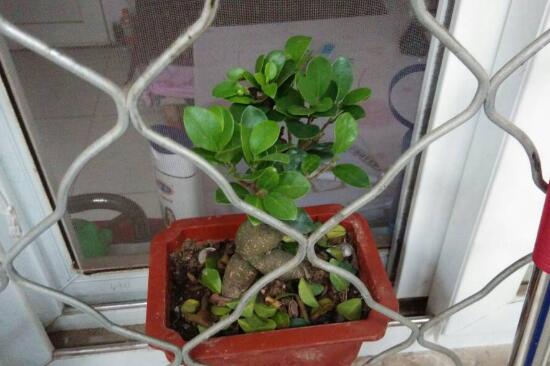
As a common ornamental plant, the ginseng ficus is actually quite easy to grow, but during cultivation, due to unfamiliarity or oversight, many growers find their ginseng ficus constantly dropping leaves, and at such times they must be very anxious - what should they do? For this, I will explain the causes of leaf drop in the ginseng ficus and the remedies from the aspects of environment, light, watering, temperature and more.
2. Causes of leaf drop in the ginseng ficus and remedies
1. Major environmental change
A newly purchased ginseng ficus dropping leaves is something many growers encounter. But this is actually a very common occurrence, because although the ginseng ficus is highly adaptable, it still needs time to adjust to a new environment, and during this period it will usually drop leaves.
Remedy: When this happens, growers need not worry, because this kind of leaf drop is normal. All you need to do is place the potted plant in a spot with diffused light for care, and once the plant gradually recovers, resume normal watering and fertilizing, and it will slowly recover.
2. Moving the pot too often
When growing a ginseng ficus indoors, growers with too much free time sometimes change the pot's position frequently. This is actually a mistake, because it makes the growing environment of the ginseng ficus insufficiently stable, which affects the plant's growth and easily causes leaf drop.
Remedy: If leaf drop is caused by repotting, it is very easy to fix; simply place it in a ventilated, semi-shaded spot, then do not move it again, and it will recover its health within a few days.
3. Light too strong
The ginseng ficus loves light, and during cultivation, sufficient light makes it grow more luxuriant and green. However, in the high heat of summer it needs appropriate shading, otherwise direct strong light will cause its leaves to turn yellow and even drop.
Remedy: Promptly move the ginseng ficus to a semi-shaded spot indoors, ensure ventilation, water moderately, and care for it carefully for a period, and the plant will recover its health.
4. Improper watering
① Overwatering: The ginseng ficus likes a moist environment and needs a fair amount of water, but it must not be overwatered, otherwise water will accumulate in the pot, eventually causing root rot, which affects the plant's water and nutrient uptake, and the leaves will easily drop. Remedy: Stop watering, loosen the soil frequently to keep it well aerated, then gradually resume normal watering.
② Underwatering: The ginseng ficus cannot go without water either, because if the leaves cannot absorb water they will become dull and lacklustre and drop at the slightest touch. Remedy: Water a small amount and mist the leaves (do not add too much at once), and once the ginseng ficus stops dropping leaves, return to normal watering.
5. Overfertilizing
Although the ginseng ficus does not crave fertilizer, a moderate amount of fertilizing helps it grow better; but if too much is applied, the old leaves will dry at the tips, turn scorched yellow and fall off.
Remedy: Immediately stop fertilizing and increase watering to dilute the fertilizer in the pot; for regular fertilizing, it is best to apply light, frequent feedings, and the concentration should not be too high.
6. Temperature too low
The ginseng ficus likes a warm environment, and its most suitable growing temperature is 18-33°C. It is not cold-tolerant, and in winter the room temperature should not drop below 6°C, otherwise if the temperature gets too low the plant will grow poorly and drop its leaves.
Remedy: When winter temperatures are low, move the ginseng ficus indoors for care, and it is best to keep the room temperature above 10°C.
Regarding the methods for saving a ginseng ficus that is dropping leaves, after reading the comprehensive analysis of the 6 aspects above, you should know what to do! In fact, leaf drop in the ginseng ficus is triggered by one cause, but is often the result of multiple factors, so when you encounter this situation you must make a correct diagnosis in order to treat the root cause.
What to do when a ginseng ficus drops leaves
A newly purchased ginseng ficus dropping leaves
A newly purchased ginseng ficus dropping leaves is actually a very common occurrence. If this happens to your plant, do not worry too much; this is the ginseng ficus adapting to its new environment, and leaf drop is normal. At this point, just let it slowly adjust; place it in a spot with diffused light for care, and once the plant gradually recovers, resume normal watering and fertilizing.
Unstable growing environment for the ginseng ficus
When growing a ginseng ficus, some people frequently change its position or repot it often. This makes the growing environment of the ginseng ficus insufficiently stable, so it grows poorly and easily drops leaves.
So when growing a ginseng ficus, do not change its position at will or repot it frequently.
Improper water and fertilizer causing the ginseng ficus to drop leaves
Improper water and fertilizer will affect the growth of the ginseng ficus. As a rule, water only when the soil is dry, and water thoroughly when you do, without letting water accumulate, to avoid root rot and leaf drop. Fertilizing should also be moderate, with light, frequent feedings preferred, and the concentration should not be too high, to avoid fertilizer burn that makes it drop leaves.
The issue of light when growing a ginseng ficus
When growing a ginseng ficus, light is also very important. The ginseng ficus needs a fairly bright environment, but in the high heat of summer it needs appropriate shading; when the temperature is more suitable, no shading is needed, to avoid leaf drop.
In addition, when growing a ginseng ficus you also need to pay attention to ventilation; only with good ventilation will the plant look vigorous, otherwise it will grow poorly.
What to do when ginseng ficus leaves turn yellow: appropriate light / reasonable water and fertilizer / spray with pesticide if pests appear
The ginseng ficus (Ficus microcarpa), named for its root shaped like ginseng, is an ornamental plant suitable for indoor growing. It comes in various shapes with lush foliage, and is deeply loved by growers. However, when grown indoors, many growers encounter the problem of ginseng ficus leaves turning yellow. So what should you do when ginseng ficus leaves turn yellow? For this, I have summarized 5 causes, along with solutions, so let's take a look!
1. When ginseng ficus leaves turn yellow, find the cause
As a common indoor potted plant, the ginseng ficus is not hard to grow, but because there are many beginners who do not know how to care for it, they often turn its leaves yellow, and they very much want to know what to do when ginseng ficus leaves turn yellow. For this, the first thing to do is find the cause of the yellowing leaves, then treat the root cause; this is reflected in 5 aspects: environment, light, watering, fertilizing and pests. Let's continue reading.
2. Causes of ginseng ficus leaves turning yellow and solutions
1. Environmental problems
There are, generally speaking, many causes of ginseng ficus leaves turning yellow, but the first thing to consider should be environmental problems. For potted plants bought online, because of the large geographic distance, the ginseng ficus may not adapt for a while due to the major change in growing environment and its leaves turn yellow; besides this, if the ginseng ficus is placed in an unventilated spot, over time it will also develop yellow leaves.
Solution: It is very simple - place the ginseng ficus in the environment most suitable for its growth, such as a ventilated spot with good light, and after a period its leaves will return to health.
2. Improper light
① Too much light: The ginseng ficus loves light, and sufficient light during growth makes it grow luxuriantly. But the ginseng ficus dislikes strong light; if the light is too strong, its leaves may be scorched and turn withered yellow. Solution: Move the ginseng ficus to a semi-shaded spot indoors for care, and after it adjusts for a while, water moderately and care for it carefully for a few more days, and it will recover.
② Insufficient light: Sufficient light makes the ginseng ficus grow more luxuriantly with greener leaves, but if the light is insufficient, its leaves cannot carry out full photosynthesis and will also turn yellow. Solution: When growing it indoors, move the ginseng ficus to a semi-shaded spot for care, and every now and then take it outside to get some sun, of course when the sunlight is not too strong.
3. Improper watering
① Insufficient watering: When ginseng ficus leaves turn yellow, it is generally caused by excessive dryness. The ginseng ficus likes a moist environment; if it is not watered for a long time, or never watered thoroughly, then over time the leaves will turn yellow from lack of water. Solution: Promptly water a small amount and spray water on the leaves so they can replenish moisture as soon as possible.
② Overwatering: Plants like the ginseng ficus prefer a moist environment, but everything needs moderation; overwatering causes water to accumulate in the pot, which easily leads to a lack of oxygen in the soil, causing some of the ginseng ficus's fibrous roots to rot from insufficient oxygen and poor aeration, which in turn makes the leaves turn yellow, and in severe cases causes the ginseng ficus to drop leaves. Solution: Move the ginseng ficus to a ventilated, breathable spot, promptly dry out the potting soil, and reduce the watering frequency.
4. Improper fertilizing
① Soil on the alkaline side: The ginseng ficus likes slightly acidic soil; if fertilizing is improper, especially when too much nitrogen fertilizer is applied, making the soil alkaline, it will easily cause ginseng ficus leaves to turn yellow. Solution: Stop watering, then water more to let the fertilizer drain out of the soil as soon as possible, or, if you don't mind the trouble, simply change the potting soil so the plant starts fresh.
② Insufficient fertilizing: The growth of the ginseng ficus requires ample nutrients; if fertilizing is insufficient, the plant cannot get enough nutrients, which also causes weak branches and leaves and yellowing foliage. Solution: Appropriately increase the amount of fertilizer so the ginseng ficus has ample nutrition, and the leaves will recover faster.
5. Pests
When the temperature is high and the room is unventilated, even the ginseng ficus, which is not prone to pests, can be attacked by insects, causing its leaves to turn yellow. At this point, you must promptly spot the pests and quickly prevent and control them through manual removal and pesticide treatment, otherwise once the pests spread they will seriously harm the plant's health.
Solution: Identify the specific pest, then spray the relevant pesticide; as for which pesticide to spray, this is described in detail in the pest and disease control section for the ginseng ficus, so I won't say more here.
Overall, the ginseng ficus is still quite easy to grow, but if you want its leaves to stay green and not turn yellow, you must pay attention to light, water and fertilizer. Of course, if you find yellow leaves, don't panic; just solve it according to the methods above. That's all I have to introduce about ginseng ficus leaves turning yellow, and I hope it helps everyone.