What to do when hoya gets bugs? Prevent and treat 2 pests and 2 diseases this way
When growing hoya, the last thing people want to run into is definitely problems like pests and diseases. Once these problems appear, they not only seriously affect the plant's looks, but also pose a huge threat to the plant itself. So what should you do when hoya gets bugs? And how should pests and diseases of hoya be prevented and treated? Below, the editor will walk everyone through it.
I. What to do when hoya gets bugs
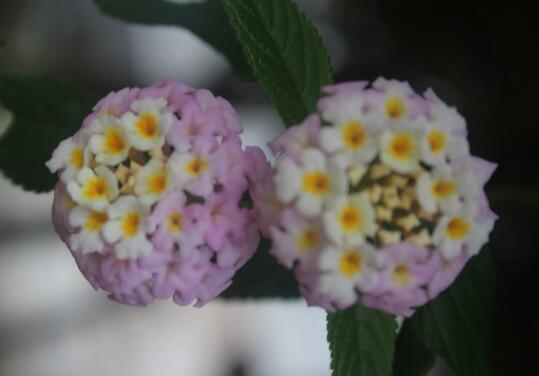
II. Prevention and treatment of hoya pests and diseases
Pests
1. Scale insects
Scale insects are one of the more common pests among hoya pests and diseases. They mainly feed on the sap in hoya leaves, piercing deep into the leaves with their mouthparts and gradually sucking it out, which causes hoya to wither due to lack of nutrients.
Prevention and treatment method: When controlling this pest, we can use a 3% pyrethrin 1000x solution for spraying and killing.
2. Aphids
Aphids are a pest that appears on many plants, and hoya is no exception. They mainly threaten hoya seedlings, gradually sucking the sap from the seedlings, which prevents the seedlings from growing and causes them to die. This shows that among hoya pests and diseases, the harm from aphids is still very great.
Prevention and treatment method: The harmful period for aphids is during the transition between spring and summer each year, so everyone must pay special attention during this time. When dealing with this pest, we can use a 1000x trichlorfon solution for spraying and killing. Generally, three consecutive sprays can completely eliminate this pest.
Diseases
1. Anthracnose
Among hoya pests and diseases, anthracnose is a relatively common disease. In the early stages of the disease, many black spots appear on hoya leaves, and as time goes on they gradually spread, eventually causing the plant to wither and die.
Prevention and treatment method: When controlling this disease, we can use a 70% thiophanate-methyl 1000x solution to spray hoya. Generally, spray once every 7-10 days, and after 2-3 times it can basically recover.
2. Soft rot
The peak period for soft rot is every summer, so everyone must pay extra attention during this time. When the disease occurs, many water-soaked spots appear on hoya leaves, and they spread extremely quickly, eventually causing the plant to rot and die.
Prevention and treatment method: When controlling this disease, you must act promptly. If it drags on too long, it becomes very difficult to cure. During treatment, we can use a 1000x methyl parathion spray to prevent and treat hoya.
What to do when white magnolia gets bugs, prevention and treatment of white magnolia pests and diseases / 3 pests, 2 diseases
When growing white magnolia, the last thing we want to run into is problems like pests and diseases, because these problems are extremely harmful to the plant. They not only affect its ornamental value, but in severe cases can even cause the entire plant to wither and die. So what should you do when white magnolia gets bugs? And how should pests and diseases of white magnolia be prevented and treated? Below, the editor will walk everyone through it.
I. What to do when white magnolia gets bugs
If you want to know what to do when white magnolia gets bugs, we first need to understand what kind of bugs they are, so we can deal with them in a targeted way, because the prevention and treatment methods for each pest and disease are different. Below there are various prevention and treatment methods for white magnolia pests and diseases. Friends with similar troubles can take a look, since prevention is better than cure.
II. Prevention and treatment of white magnolia pests and diseases
Pests
1. Red wax scale
Red wax scale is a relatively common pest among white magnolia pests and diseases. It mainly sucks the sap from the plant, and its excrement can also cause sooty mold, leaving a layer of black mold on the leaves, causing white magnolia to gradually weaken and, in severe cases, even fail to bloom.
Prevention and treatment method: When controlling this pest, we can use a 25% phosmet emulsifiable concentrate 1000x solution to spray white magnolia. We can spray once every 4-6 days, and after three consecutive sprays it can basically eliminate this pest.
2. Red spider mites
Among white magnolia pests and diseases, red spider mites are also relatively common. Their peak period is around May each year, so everyone must pay extra attention at this time. If your white magnolia suffers from this pest, its leaves will gradually turn yellow and pale, and finally gradually wither.
Prevention and treatment method: When controlling red spider mites, we can use a 15% pyridaben emulsifiable concentrate 2000x solution to spray and kill them. After spraying, we also need to disinfect the white magnolia to avoid any residual pathogens.
3. Cottony cushion scale
Cottony cushion scale is a pest of the order Hemiptera. This pest is harmful to many plants, and white magnolia is one of them. Cottony cushion scale mainly harms the leaf buds and branch tips of white magnolia. It gradually causes the leaves to turn yellow and the branch tips to fall off, and in severe cases the entire white magnolia plant will wither and die. This shows how great the harm from cottony cushion scale is among white magnolia pests and diseases.
Prevention and treatment method: When controlling this pest, if it is not severe, we can cut off the branches and leaves that carry eggs. Of course, we can also use the most direct method, directly using a 40% omethoate 1000x solution to spray and kill them.
Diseases
1. Anthracnose
Among white magnolia pests and diseases, anthracnose is a relatively common one. When the disease occurs, many round brown spots appear on white magnolia leaves, 2-8mm in size. As time goes on they gradually spread, and eventually gradually cause the plant to rot.
Prevention and treatment method: When controlling this disease, we can use a 70% anthracnose fumei 600x solution to spray the diseased plant. Generally, spray once every 10-15 days, and after 2-3 times it can recover.
2. Chlorosis
Among white magnolia pests and diseases, chlorosis does not appear as frequently as the above few, but there is still a certain chance of it appearing. When this disease occurs, the leaves of white magnolia gradually lose their green color, and the leaf color gradually changes from green to yellow, and finally from yellow to white. In severe cases, the entire leaf dries up and falls off.
Prevention and treatment method: When controlling chlorosis, we can use a 500x yellow-leaf quick-green plant antiviral compound nutrient solution to spray the plant, spraying once every 7-10 days, and after 2-3 consecutive sprays it can recover.
Summary: After reading the above, I believe everyone knows how to solve the problem of white magnolia getting bugs. In fact, these problems are mainly caused by improper care. If you have time, you should still read the article on white magnolia growing methods, which contains detailed care instructions. That is all the editor has to introduce about the prevention and treatment of white magnolia pests and diseases, and I hope it can help everyone.
What to do when Cymbidium sinense gets bugs, prevention and treatment of Cymbidium sinense pests and diseases / 2 pests, 3 diseases
When growing Cymbidium sinense, the last thing we want to run into is problems with pests and diseases. These problems are extremely harmful to the plant. They not only affect its appearance, but in severe cases can even cause it to wither. So what should you do when Cymbidium sinense gets bugs? And how should pests and diseases of Cymbidium sinense be prevented and treated? Below, the editor will walk everyone through it.
I. What to do when Cymbidium sinense gets bugs
If you want to know what to do when Cymbidium sinense gets bugs, we first need to know what kind of bugs they are, so we can deal with them in a targeted way. The common pests of Cymbidium sinense are whiteflies and scale insects. In addition, there are also many diseases. The prevention and treatment methods for these Cymbidium sinense pests and diseases are introduced below. Let's take a look.
II. Prevention and treatment of Cymbidium sinense pests and diseases
Pests
1. Whiteflies
Whiteflies are a very small pest, but among Cymbidium sinense pests and diseases they are one of the most harmful. This pest mainly feeds on the sap of Cymbidium sinense, gradually sucking the sap from the stems, which causes the plant to lose a large amount of nutrients and eventually wither and die.
Prevention and treatment method: When controlling this pest, we can use a 20% buprofezin wettable powder solution to spray and kill them. Generally, three consecutive sprays can eliminate this pest.
2. Scale insects
Scale insects are a pest that appears on many plants when they are improperly cared for, and Cymbidium sinense is one of them. They mainly harm the leaves, branches and fruits of Cymbidium sinense, gradually sucking out the sap inside, which causes the leaves to gradually fall off due to nutrient loss, and in severe cases can also cause the plant to wither and die.
Prevention and treatment method: Scale insects are a pest with extremely strong reproductive ability, so when dealing with this Cymbidium sinense pest and disease, you must act promptly. During treatment, we can use a 50% malathion 1500x solution to spray and kill them.
Diseases
1. Southern blight
Southern blight is a sclerotium-type disease. This disease mainly threatens the rhizome part of Cymbidium sinense. In the early stages of the disease, many white mycelia appear at the base of the leaves, and the cortex at the base of Cymbidium sinense gradually turns brown, and finally gradually necroses.
Prevention and treatment method: When controlling this Cymbidium sinense pest and disease, we can use a 500x pentachloronitrobenzene powder solution for root drenching, once every 10 days, and after 2 times it can recover.
2. Black spot
The peak period for this disease is in summer, so you must pay extra attention in this season every year. In the early stages of the disease, many brown spots appear on Cymbidium sinense leaves. As time goes on the spots gradually become larger and more numerous, and the color gradually turns black, eventually causing the entire Cymbidium sinense plant to wither and die.
Prevention and treatment method: When dealing with this Cymbidium sinense pest and disease, we can use a 65% zineb powder 600x solution to spray the diseased plant, spraying once every half month, and after 3 consecutive times it can recover.
3. Soft rot
Among Cymbidium sinense pests and diseases, soft rot is a relatively common disease. When the disease occurs, many water-soaked spots appear on the roots of the plant. As time goes on the rhizome gradually rots, and it also gives off waves of foul odor, eventually causing it to gradually rot to death.
Prevention and treatment method: When controlling this disease, we can use a 38% oxadixyl-cymoxanil-kresoxim-methyl solution diluted to 1000x for root drenching, generally once every 7-10 days, and after 2-3 times it can be controlled.
Summary: After reading the above content, I believe everyone has some understanding of what to do when Cymbidium sinense gets bugs. In fact, these problems are mainly caused by improper care. If you have time, you can read the article on Cymbidium sinense growing methods, which contains detailed instructions. Enough talk, that is all the editor has to introduce about the prevention and treatment of Cymbidium sinense pests and diseases, and I hope it can help everyone.