What to Do When Ivy Gets Pests? Find the Cause and Control Pests and Diseases
Ivy is not a particularly delicate plant; it has a fairly strong ability to adapt to its environment. However, during its growth, if you do not understand how to care for ivy, it will inevitably be troubled by pests and diseases. If the ivy we grow gets pests, what should we do? It is very important to master certain methods for controlling ivy pests and diseases.
What to Do When Ivy Gets Pests
1. Leaf roller moth
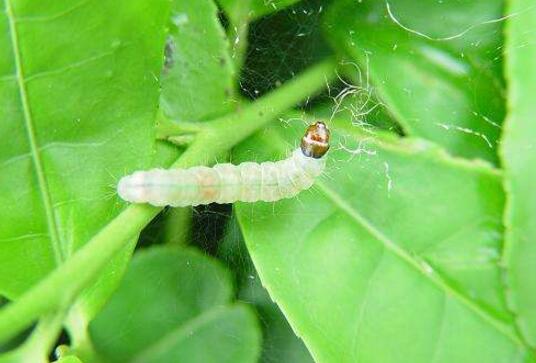
Symptoms: The larvae of the leaf roller moth hide inside the leaves of ivy and feed on the leaf mesophyll. The veins and upper epidermis develop transparent grayish-brown films, the excretions of the leaf roller moth appear on the leaves, and the leaves then turn yellow, dry up and fall off.
Control methods: (1) Use bundles of grass or piles of grass to trap overwintering mature larvae; (2) Before the larvae reach the end of their second instar and have not yet rolled the leaves, spray 80% dichlorvos emulsifiable concentrate at 1000 times dilution, or 60% dimethoate-phosphamidon emulsifiable concentrate at 1500 times dilution.
2. Red spider mite
Symptoms: The leaves of ivy turn yellow, dry and whitish, and adult mites appear on the leaf surface that are red, pear-shaped, with one black elongated spot on each side of the back. They usually occur in early June or July. If not controlled in time, they will threaten the growth of ivy. They are one of the most harmful pests in the control of ivy pests and diseases.
Control methods: (1) When the leaf color of ivy is found to be abnormal, observe carefully and check the underside of the leaves; if red mites are found, remove the diseased leaves; (2) Spray 20% clofentezine wettable powder at 2000 times dilution, or 15% pyridaben emulsifiable concentrate at 2000 times dilution.
3. Aphids
Symptoms: Aphids appear on the young leaves and young stems at the top of the ivy plant. If aphids grow on the leaves and stems, the plant will show slow growth, yellowing, and even deformation. They are one of the most common pests of many plants.
Control methods: (1) When only a small number of aphids are present, use a brush to brush them off, and cut off the curled and withered leaves; (2) Spray with 50% malathion emulsion diluted to a 100 times solution.
Control of Ivy Pests and Diseases
1. Anthracnose
Symptoms: It often occurs during the rainy season in autumn. When the disease develops, grayish-white lesions appear on the leaves, reddish-brown nearly round lesions appear on the cotyledons, and small rust-colored spots appear on the young stems, which later expand into short stripe-shaped rust spots.
Control methods: (1) The occurrence of anthracnose is caused by excessive humidity and insufficient ventilation, so watering should be stopped and the ivy should be moved to a place with good ventilation and light; (2) Spray 50% carbendazim wettable powder at 500 times dilution.
2. Sunscald
Symptoms: The upper leaves and new leaves of ivy turn light gray, then gradually wither and fall early. The cause is generally moving ivy from a shady place into sunlight, causing the ivy to be scorched by the burning sun.
Control methods: When cultivating, do not place ivy in a dark environment, and never move it directly from shade into direct sunlight. Usually, it should be grown in a bright place, and attention should be paid to the methods of caring for ivy.
3. Blight
Symptoms: Most of the leaves of ivy turn brown and rot, the base of the stems shows dark green water-soaked areas, and the diseased branches begin to wither. The cause is generally excessive humidity combined with a stuffy, hot environment, or soil carrying pathogens.
Control methods: (1) Remove diseased leaves or diseased plants, and reduce the frequency and amount of watering; (2) Spray or drench with 25% metalaxyl wettable powder at 800 times dilution or 58% metalaxyl-mancozeb wettable powder at 600 times dilution; (3) During the plum rain season, drainage should be carried out in time, and attention should be paid to flood prevention.
What to Do When Ivy Leaves Turn Yellow
Reasons Why Ivy Leaves Turn Yellow
The effect of light
Ivy is a common green plant in winter. In winter, it does not need shading, and slightly stronger light is not a problem. But in summer, when sunlight is strong, if it is not moved and still receives sunlight as usual, it can easily cause necrosis on the leaf surface.
The effect of temperature
Ivy likes a cool environment and fears stuffy heat and frost, especially early frost in autumn and winter. If it is not moved indoors in time, the leaves will be damaged by frost, droop, and turn yellow. In addition, when grown indoors in summer, if ventilation is not provided in time and the environment is stuffy and hot, it will also cause yellow leaves.
The effect of water
The greatest ornamental feature of ivy lies in its leaves, and water supply is the prerequisite for keeping the leaves plump. During the growing period, the potting soil needs to be kept moist, but not waterlogged. Many flower lovers fail to get the degree right during care, causing the potting soil to alternate between dry and wet. The plant then cannot get enough water, its metabolism slows down, and its leaves turn yellow.
Pests and diseases
Pests and diseases are unavoidable during plant care, but in some cases the human eye cannot see the insects on the leaves. If control is not timely, the plant will develop yellow leaves. Or, under the influence of leaf spot disease, the plant will develop yellow leaves without any warning, making it impossible to guard against.
Lack of fertilizer
Ivy leaves that keep turning yellow may also be "hungry." When people are hungry they eat; when plants are hungry they need nutrients. When the leaves of the plant turn yellow, it is clearly a lack of iron, caused during care by not fertilizing for a long time, or by an imbalance of various elements when fertilizing.
What to Do When Ivy Leaves Turn Yellow
Temperature should be suitable
Since ivy is rather particular about temperature, then satisfy it, after all, you also covet its beauty. Control the ambient temperature at 20-25°C, and always pay attention to ambient humidity and ventilate frequently. In winter, the temperature should be kept above 5°C, and around 10°C is best.
Light intensity should be moderate
Under suitable light, the leaves of ivy will have a consistent leaf shape and vivid leaf color. If the plant turns yellow due to lighting reasons, cut off the severely affected leaves directly, keep the newly grown young leaves, and give appropriate light so that they slowly recover.
Watering should be moderate
During the growing season, alternate between dry and wet (that is, the potting soil should not be too wet or too dry). If there is too much water, it will cause root rot and leaf drop. Especially in winter, when the temperature is rather low, watering should be controlled especially; just keep the potting soil slightly moist.
Fertilizing should be reasonable
When growing ivy at home, the potting soil can be made by mixing rotted leaves or peat soil with 1/4 river sand and a small amount of bone meal. During the growing season, apply a dilute cake fertilizer solution once every 2 to 3 weeks. Generally, do not fertilize in summer and winter, and when fertilizing, be careful not to apply only nitrogen fertilizer. When fertilizing, also be careful not to stain the leaves, so as to avoid causing the leaves to scorch. If yellow leaves are caused by iron deficiency, supplement iron in time and water with ferrous sulfate solution.
Reasons Why Ivy Leaves Turn Yellow and How to Handle It
Reason 1 for Ivy Leaves Turning Yellow: Weak light causes yellow leavesIvy is a common green plant in winter. In winter, it does not need shading, and slightly stronger light is not a problem. But in summer, when sunlight is strong, if it is not moved and still receives sunlight as usual, it can easily cause necrosis on the leaf surface.
2. High temperature causes yellow leavesIvy likes a cool environment and fears stuffy heat and frost, especially early frost in autumn and winter. If it is not moved indoors in time, the leaves will be damaged by frost, droop, and turn yellow. In addition, when grown indoors in summer, if ventilation is not provided in time and the environment is stuffy and hot, it will also cause yellow leaves.
3. Deficiency causes yellow leavesIvy leaves that keep turning yellow may also be "hungry." When people are hungry they eat; when plants are hungry they need nutrients. When the leaves of the plant turn yellow, it is clearly a lack of iron, caused during care by not fertilizing for a long time, or by an imbalance of various elements when fertilizing.
4. Too dry soil causes yellow leavesThe greatest ornamental feature of ivy lies in its leaves, and water supply is the prerequisite for keeping the leaves plump. During the growing period, the potting soil needs to be kept moist, but not waterlogged. Many flower lovers fail to get the degree right during care, causing the potting soil to alternate between dry and wet. The plant then cannot get enough water, its metabolism slows down, and its leaves turn yellow.
5. Pests and diseases cause yellow leavesPests and diseases are unavoidable during plant care, but in some cases the human eye cannot see the insects on the leaves. If control is not timely, the plant will develop yellow leaves. Or, under the influence of leaf spot disease, the plant will develop yellow leaves without any warning, making it impossible to guard against.
What to Do When Ivy Leaves Turn Yellow: 1. Create a suitable temperatureSince ivy is rather particular about temperature, then satisfy it, after all, you also covet its beauty. Control the ambient temperature at 20-25°C, and always pay attention to ambient humidity and ventilate frequently. In winter, the temperature should be kept above 5°C, and around 10°C is best.
2. Give enough lightUnder suitable light, the leaves of ivy will have a consistent leaf shape and vivid leaf color. If the plant turns yellow due to lighting reasons, cut off the severely affected leaves directly, keep the newly grown young leaves, and give appropriate light so that they slowly recover.
3. Watering should be moderateDuring the growing season, alternate between dry and wet (that is, the potting soil should not be too wet or too dry). If there is too much water, it will cause root rot and leaf drop. Especially in winter, when the temperature is rather low, watering should be controlled especially; just keep the potting soil slightly moist.
4. Fertilize to provide enough nutrientsWhen growing ivy at home, the potting soil can be made by mixing rotted leaves or peat soil with 1/4 river sand and a small amount of bone meal. During the growing season, apply a dilute cake fertilizer solution once every 2 to 3 weeks. Generally, do not fertilize in summer and winter, and when fertilizing, be careful not to apply only nitrogen fertilizer. When fertilizing, also be careful not to stain the leaves, so as to avoid causing the leaves to scorch. If yellow leaves are caused by iron deficiency, supplement iron in time and water with ferrous sulfate solution.