How to Propagate Pyracantha? Detailed Guide to Seed Sowing and Cutting Propagation Methods
Pyracantha is a flowering plant that is very common worldwide, with high ornamental value, and many people in China grow it. As more people grow it, questions about its propagation have also become a concern. So how do you propagate pyracantha? What are the propagation methods for pyracantha? Below, the editor will walk you through it.
I. How to Propagate Pyracantha
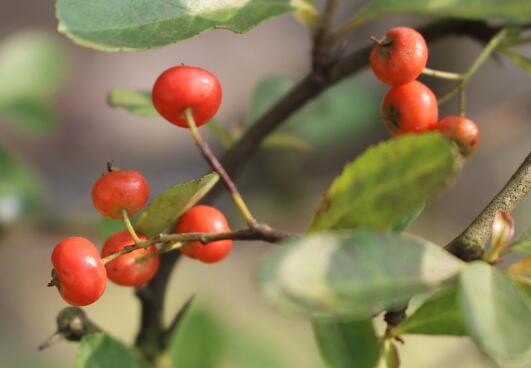
II. Propagation Methods for Pyracantha
Seed Sowing Propagation
1. Seed Collection
Pyracantha fruits generally mature successively from October to December each year. This is the time when we can harvest them. After harvesting the fruits, we need to remove the flesh, then wash the seeds clean, dry them, and store them. By the following autumn, they can be sown.
2. Seed Germination Stimulation
Before sowing pyracantha seeds for propagation, we first need to soak the seeds in warm water for 1-2 days. Once the seeds begin to absorb water and swell, take them out and sow them. This stimulates the seeds and helps them germinate more quickly.
3. Sowing Method
Among pyracantha propagation methods, seed sowing is a relatively common one. We need to evenly scatter the seeds in the potting soil, then cover them with about 3 cm of soil, and then water. When watering, remember to water thoroughly. About 10 days after watering, the seeds will germinate.
Cutting Propagation
1. Cutting Selection
Before propagating pyracantha by cuttings, we first need to select the cuttings (branches). Generally, it is best to choose branches that are robust and free of pests and diseases, as this will give a high survival rate. If you choose branches that look very frail, then the cutting can basically be declared a failure, so everyone should remember this point.
2. Cutting Method
Among pyracantha propagation methods, cutting propagation is relatively simple to carry out. First, we can use chopsticks to poke a hole in the soil the size of the cutting, then insert the cutting into it and water. When watering, be sure not to water too much, otherwise waterlogging can easily cause the roots to rot. About 15-20 days after watering, the branches will take root.
Summary: After reading the above, I believe everyone has gained some understanding of how to propagate pyracantha. After successfully propagating it using the methods above, we then need to carry out follow-up care for the pyracantha. If you don't know how to care for it, you can refer to the article on cultivation methods for pyracantha bonsai, which contains detailed instructions. Without further ado, that's all the editor has to share about pyracantha propagation methods, and I hope it can be of some help to everyone.
Propagation Management of Pyracantha
For pyracantha propagation, we generally use seed sowing or cutting propagation, but cutting propagation is simpler to carry out and has a high success rate.
For cutting propagation, use healthy one-year-old branches, cut them into 15 cm cuttings, and it is best to cut the lower end into a horseshoe shape. Cuttings can be taken from November to March, and the propagation success rate is very high, usually reaching over 90%.
Propagation Methods for Pyracantha
Pyracantha, also known as firethorn fruit and rescue grain, is native to China and is an evergreen shrub in the Rosaceae family. The flowers are white, with a flowering period from April to May. The pome is oblate or nearly round, bright red when mature, and does not fall through the winter, making it very appealing. It is a top choice for winter fruit display. In addition, pyracantha is also a good material for making bonsai.Pyracantha is generally propagated by sowing or cuttings. Sowing in open-field beds or in shallow flower pots is both acceptable. When the seeds mature, collect them, remove the flesh, wash them clean, and sow directly, or sow in late March of the following year. After sowing, cover with soil, water thoroughly, and keep moist. Seedlings will emerge in 30 to 40 days.
Cuttings are best taken in June. At this time, the Jianghuai region has already entered the "plum rain" season, with higher temperatures and greater humidity, which is favorable for cuttings to take root. Select branches from the middle and upper part of the canopy that are current-year growth and slightly lignified, cut them into 10 to 15 cm lengths, insert them into the seedbed, press firm, then water the seedbed thoroughly, and set up a frame for shade. Spray water to keep the soil moist. Generally, they will take root in about 50 days. After rooting, appropriately increase light, apply a small amount of foliar fertilizer, and they can also be potted for cultivation.
Pyracantha is relatively tolerant of poor soil, likes light, and is fairly shade-tolerant and cold-tolerant. In the north, it needs to overwinter in a greenhouse. Pyracantha likes fertilizer. During the vigorous spring growth period, topdressing is needed. During the autumn fruit expansion period, apply an additional phosphorus and potassium fertilizer. Water according to the principle of watering when dry and keeping it dry rather than wet, and reduce watering as appropriate in winter.