How to sow Chinese milk vetch seeds? Keep warm and moist during propagation
In the cultivation methods of Chinese milk vetch, propagation is a very important step, because it determines whether the subsequent growth of Chinese milk vetch will be robust. Chinese milk vetch belongs to the genus Astragalus, and its propagation method differs slightly from that of some plants. So how do you propagate Chinese milk vetch? How do you sow Chinese milk vetch seeds? Here I will share the propagation methods of Chinese milk vetch with everyone.
How to propagate Chinese milk vetch
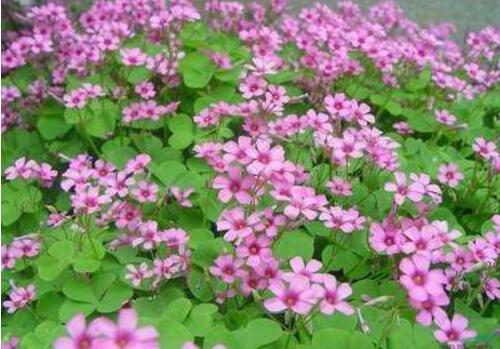
Because Chinese milk vetch is a common ecological feed, and it is a biennial herbaceous plant, it is usually used for large-scale propagation in farmland, so the main propagation method is sowing. Although it is simply described as scattering seeds on a sand bed, the sowing time, sun-drying the seeds, seed selection, later care and so on are all very important. Below we will introduce its sowing methods in detail.
How to sow Chinese milk vetch seeds
1. Sowing time
It is generally sown from late September to early October, because sowing too early will lead to weak seedlings, while sowing too late means winter is approaching and the seedlings are easily frostbitten, so the period from September to October is the most ideal.
2. Sowing methods
1. Seed selection and sun-drying
Among the propagation methods of Chinese milk vetch, sowing is the most commonly used, but technique is also key. The selected seeds should be relatively plump, so that the seedlings will be more robust. After selection, the seeds need to be dried in the sun by spreading them out under the sun for 4-5 hours, which can promote the activity of enzymes in the seeds.
2. Soaking seeds and drying
After sun-drying the seeds, fine sand can be added to them, which can rub off the waxy layer on the seed surface, thereby increasing the germination rate of the seeds after sowing. Then soak the seeds in clean water or a 0.1-0.2% potassium dihydrogen phosphate solution for about 10 hours, take them out and dry them, and mix them evenly with calcium magnesium phosphate fertilizer before use.
3. Even sowing
Scatter the seeds evenly on the sand bed, generally using 1.5-2 kg of seed per mu. After scattering, be careful to keep the soil moist, then cover with rice straw to keep warm and moist, which can promote rapid rooting and germination of the seeds.
Precautions for propagating Chinese milk vetch
1. Temperature control
The optimal temperature for Chinese milk vetch seed germination is 15-25 degrees, and the germination stage requires a large amount of water and sunlight, so during sowing it is essential to keep warm and moist, prevent the soil from becoming too dry, and ensure good soil aeration.
2. Do not let water accumulate
Although the soil must be kept moist during germination, water accumulation must not occur, otherwise when the seedlings emerge, severe waterlogging will cause rotten sprouts and missing seedlings. Therefore, in addition to controlling watering, the timing should also avoid rainy days as much as possible. If there is a lot of rain, be sure to prevent waterlogging.
Spring Azalea Rhododendronsimsii&R Spring Azalea Guide: How to grow Spring Azalea / How to propagate Spring Azalea
Spring Azalea ProfileSpring Azalea Rhododendronsimsii&R
Cultivation methods and precautions for Spring Azalea Introduction to Spring Azalea
Spring Azalea, also known as Yingshanhong, Manshanhong, Shanzhizhu, Hongzhizhu, and Shanshiliu, is a deciduous shrub about 2 m tall; branches are numerous, slender and straight. Leaves alternate, long elliptic-ovate, apex pointed, dark green on the surface with sparse stiff hairs, light green on the back. Racemose inflorescence, flowers solitary or terminal, funnel-shaped, with diverse colors and numerous varieties. There are evergreen azaleas and deciduous azaleas; according to flowering period they are divided into spring azaleas, summer azaleas, and spring-summer azaleas. According to flower form they are divided into single, semi-double, and double. Petals are also divided into flat, slightly wavy-edged, and wavy-edged. Flowering period is April-May, fruit ripening period is October. It mostly grows in hillside and hilly thickets.
Morphological characteristics of Spring Azalea
Spring Azalea is one of the most famous ornamental flowers in the world today. It is a small shrub in the Rhododendron family, with both evergreen and deciduous types. Spring Azalea is distributed in temperate regions of the Northern Hemisphere. Spring Azalea flowers are very beautiful. The tubular flowers come in many colors such as deep red, light red, rose, purple, and white. When Spring Azalea flowers bloom in spring, the mountains are brilliantly colored, like rosy clouds encircling the forest, and people praise them as "the beauty of flowers." The colorful Spring Azalea flowers evoke people's warm and beautiful feelings toward life; they also symbolize the prosperity and strength of the country and the happy life of the people. This is the true essence of why people in our country love Spring Azalea.
The representative species of Spring Azalea flower is the commonly known "Yingshanhong." It is found almost throughout the provinces of the Yangtze River basin and even in sparse forests or shrub thickets on mountains and hills in Yunnan, Taiwan, China, and other places. The funnel-shaped flowers have sour petals and can be eaten as fruit, but they should not be eaten too much at one time, otherwise it can cause nosebleeds.
Deciduous shrub, about 2 m tall; branches, bracts, pedicels, and flowers all have brown flat strigose hairs. Leaves papery, ovate-elliptic, 2-6 cm long, 1-3 cm wide, apex pointed, base cuneate, both surfaces with strigose hairs, denser on the back. Flowers 2-6 clustered at branch tips; calyx 5-lobed, lobes elliptic-ovate, 2-4 mm long; corolla bright red or dark red, broadly funnel-shaped, 4-5 cm long, 5-lobed, the inner surface of the upper 1-3 lobes with dark red spots; stamens 7-10, filaments with fine hairs below the middle, anthers purple; ovary and style near the base with strigose hairs, stigma capitate. Capsule ovate-round, about 1 cm long, with strigose hairs. Flowering period April-May, fruit ripening period October. It is an indicator plant of acidic soil. Leaves contain flavonoids (rhododendrol), triterpene components, and ursolic acid.
Flowers solitary or in racemes, corolla bell-shaped or broadly funnel-shaped, usually 5-lobed, with colors varying by species including red, yellow, white, purple, pink, and so on. Generally spring azaleas bloom in April, and summer azaleas bloom in May and June. Capsule, seeds numerous and tiny.
When Spring Azalea flowers are in full bloom, it is exactly when the cuckoo calls. The ancients left behind many poems and beautiful, moving legends, and there is also the custom of a flower festival. Rhododendrons are mostly shrubs or small trees, and because of different ecological environments, they have their own living habits and shapes. The smallest plants are only a few cm tall, cushion-like, and grow close to the ground. The largest reach several zhang in height, standing towering and magnificent.
Ecological habits of Spring Azalea
Spring Azalea flowers like acidic soil and grow poorly, or even not at all, in calcareous soil. Therefore, soil scientists often use Spring Azalea flowers as an indicator crop of acidic soil. After many years of cultivation by people, a large number of cultivated varieties of Spring Azalea flowers have appeared, with more flower colors and diverse flower shapes, including single and double varieties. Spring Azalea prefers a cool, humid, ventilated, semi-shaded environment. It fears both intense heat and severe cold. The suitable growth temperature is 12°C to 25°C. When the summer temperature exceeds 35°C, new shoots and new leaves grow slowly and the plant enters a semi-dormant state.
In summer, protect it from sun and provide shade; in winter, pay attention to keeping it warm and preventing cold. Avoid direct exposure to strong sunlight; it is suitable for growing under scattered light of low intensity. If the light is too strong, tender leaves are easily scorched, and new and old leaves develop scorched edges; in severe cases, it can cause the plant to die. In winter, Spring Azaleas cultivated in the open ground need measures to protect against cold so they can overwinter safely. Among ornamental Spring Azaleas, Western Azaleas have the weakest cold resistance and are prone to frost damage when the temperature drops below 0°C. Spring Azalea flowers originate in China, and are also distributed in the Malay Peninsula and the high mountains of southern Asia. In China, Sichuan, Yunnan, and Guizhou mountainous areas are extremely rich in evergreen rhododendron species, while deciduous rhododendrons are distributed from Northeast China to South China. Natural communities are distributed in high mountains and grow on shady slopes; they are semi-shade plants. They like to grow in cool climates, high air humidity, and acidic soil, and are also tolerant of barrenness, but not of waterlogging.
In China, they are distributed in all provinces and regions north and south except **, with the most species in Yunnan, Tibet, and Sichuan, making this the world distribution center of the genus Rhododendron. The genus Spring Azalea has many species and great differences in habits, but most species are produced in high-altitude areas. They like cool, humid climates and dislike intense heat and dryness. They require acidic soil rich in humus, loose, moist, and with a pH value between 5.5 and 6.5. Some species and horticultural varieties have strong adaptability, tolerate drought and barrenness, and can also grow in soil with a pH value between 7 and 8. However, they grow poorly in heavy or poorly aerated soil. Spring Azalea flowers have certain light requirements, but do not tolerate exposure to the sun. In summer and autumn, there should be deciduous trees or a shade shed to block the strong sun, and the ground should often be sprayed with water.
Spring Azalea flowers generally send out shoots in spring and autumn, mainly spring shoots. The most suitable growth temperature is 15-20°C. When the temperature exceeds 30°C or drops below 5°C, growth stops. There is a short dormant period in winter, after which, as the temperature rises, flower buds gradually swell. Generally, open-ground cultivation blooms from March to May, while in high-altitude areas it blooms as late as July to August. In the north it is cultivated in greenhouses. It can bloom in January to February. Spring Azalea flowers tolerate pruning, and latent buds sprout very easily after being stimulated, which can be used to control tree shape and rejuvenate the tree body. Pruning is generally carried out before May; the new shoots produced can all form flower buds in the same year, while pruning too late affects flowering. Generally, new shoots that sprout around the Start of Autumn can still lignify. If new shoots form too late, they are prone to frost damage in winter. It is an evergreen or deciduous shrub.
Distribution area of Spring Azalea
Concentrated in the Hengduan Mountains area of the three provinces and regions of Yunnan, Tibet, and Sichuan.
China is the distribution center of Spring Azalea flowers, with about 460 species, distributed in all provinces and regions except ** and Ningxia. Southeastern Tibet, southwestern Sichuan, and northwestern Yunnan are the most concentrated production areas, each with more than 100 species, and Yunnan alone accounts for more than half of the country's rhododendron varieties. Many countries in the world have introduced species from here. Rhododendron is a large genus, with about 900 species worldwide, distributed in Europe, Asia, and North America, with the most in Asia, 850 species, of which China has more than 530 species, accounting for 59% of the world. They are especially concentrated in the Hengduan Mountains area of the three provinces and regions of Yunnan, Tibet, and Sichuan, which is the birthplace and distribution center of the world's rhododendrons. In the Himalayan region of Bhutan, Sikkim, Nepal, Myanmar, and northern India, there are also relatively many species, while Japan, Korea, Soviet Siberia, and the Caucasus have only a few species.
Variety classification of Spring Azalea
Species commonly cultivated in China include: Mao Azalea, Summer Azalea, Western Azalea, Yangzhizhu, Yinghong Azalea, Mayinhua, and Yunyin Azalea.
The genus Rhododendron has about 900 species, of which about 850 are produced in Asia. Among them, China has about 530 species, distributed in all subregions north and south except **. New Guinea and Malaysia have about 280 species, almost all epiphytic. In addition, North America has 24 species, Europe has 9 species, and Oceania has 1 species. The genus Rhododendron has many species and great differences, including evergreen large trees, small trees, evergreen shrubs, and deciduous shrubs.
Rhododendrons are divided into two major categories: deciduous and evergreen. Deciduous types have small leaves, while evergreen types have large leaves. Flower colors include red, purple, yellow, white, pink, blue, and so on. They like cool, humid conditions and tolerate cold. They mostly grow on hillsides, alpine meadows, forest edges, rock walls, and swampy areas at altitudes of 1000-1400 m.
Medicinal or dietary value of Spring Azalea
The medical information and healthy dietary information on Huahua.net is for reference only and cannot be used as a basis for diagnosis or medical treatment. For any health problem, consult professional medical personnel, and for the treatment of any disease, follow medical advice.
Ultimate flower-protecting task: love yourself, start from reality, and strictly follow medical advice. For illness, do not be careless, do not delay, do not give up hope, face it bravely, warm the silent world with love, and care for the flower field in your heart with your heart.
Medicinal value
Rhododendron simsii Planch., a plant of the genus Rhododendron in the family Ericaceae, is used medicinally with its roots, leaves, and flowers. Flowers are collected in late spring, leaves in summer, and roots in autumn and winter, then dried in the sun for later use or used fresh. Spring Azalea flowers are sweet, slightly bitter, neutral, and delicately fragrant, and have certain medicinal value in medicine: removing wind-dampness, regulating menstruation and harmonizing blood, calming the mind and removing dryness. Among the people, this flower is often stewed with pig trotters to treat abnormal vaginal discharge in women. Long-term drinking has the effect of whitening and removing spots. The roots, leaves, and flowers of Spring Azalea are used medicinally and have the effects of harmonizing blood, regulating menstruation, reducing swelling, and stopping bleeding; the flowers and leaves used externally treat internal injuries, rheumatism, and other conditions. Rhododendron is pungent, warm, and highly toxic, and can also treat severe wind-phlegm pain, wind-dampness arthralgia, and wind-insect toothache, among other conditions.
[Nature, flavor, and meridian entry] Root: sour, astringent, warm. Toxic. Leaves and flowers: sweet, sour, neutral.
[Functions and indications]
Root: dispels wind-dampness, activates blood and removes stasis, stops bleeding. Used for rheumatoid arthritis, traumatic injuries, and amenorrhea; external use treats traumatic bleeding.
Flowers and leaves: clear heat and detoxify, resolve phlegm and stop cough, relieve itching. Used for bronchitis and urticaria; external use treats carbuncles and swelling.
[Usage and dosage] Root 2-3 qian; flowers and leaves 3-5 qian; appropriate amount for external use, root ground into powder, fresh leaves pounded and applied to the affected area.
[Caution] Pregnant women should not take it.
Edible value
Some can also be eaten. Yingshanhong flowers are sour and non-toxic and can be eaten raw; the flowers of Dabai Spring Azalea and Cubing Spring Azalea are still excellent vegetables for the people of central Yunnan;
Pest and disease control of Spring Azalea
Focus on prevention. In winter and before new shoots sprout in spring, spray the flower pots, potting soil, and plants 2-3 times with 600-800 times diluted Topsin solution or Bordeaux mixture of equal amounts; after new buds sprout, spray with 600 times diluted 50% wettable carbendazim once a week for 3 consecutive sprays; in midsummer, red spiders are prone to occur and can be killed by spraying with 2000 times diluted 50% dichlorvos emulsion.
Uses and landscape role of Spring Azalea
It can be potted and can also be planted in the ground under shady conditions. Its form is elegant and beautiful. Spring Azalea trees cultivated in courtyards should be pruned into an umbrella shape, which adds pleasure and beautiful scenery. It is suitable for group planting under moist and shaded forest, near rocks, and in gardens it is suitable for planting in tree clusters, under forests, by streams, beside ponds, and at lawn edges; on the shaded side of buildings it can be used as a flower hedge or flower cluster planting. Some species can be made into bonsai.
Alpine rhododendrons have well-developed root systems and are very good soil and water conservation plants. Spring Azalea flowers are prolific in flowers and leaves, colorful and diverse, with strong sprouting ability, tolerance to pruning, and peculiar root stumps, making them excellent bonsai material. In gardens, they are most suitable for clump and mass planting at forest edges, by streams, beside ponds, and near rocks, and can also be scattered under sparse forests. Spring Azalea is also a good material for flower hedges and can be trained into various forms through pruning. Specialized Spring Azalea gardens are highly distinctive.
Other applications
Besides ornamental use, medicinal use or extraction of aromatic oil, and edible use, the bark and leaves can be used to extract tanning extract, and the wood can be made into handicrafts, etc. Soaking and fermenting the branches, leaves, and flowers of Yangzhizhu can be used as an insecticidal pesticide;
Xing'an rhododendron and others can be used to make medicine. The bark and leaves of some species are rich in tannins and can be used to extract tannin extract; the wood and root crowns of Spring Azalea flowers are fine and tough in texture and can be made into bowls, chopsticks, basins, alms bowls, pipes, roots, and other daily-use crafts and artworks.
Cultivation techniques of Spring Azalea
It is commonly propagated by sowing, cuttings, and grafting, and can also be propagated by layering and division. For sowing, evergreen Spring Azaleas are best sown as soon as collected, while deciduous Spring Azaleas can also store seeds until spring sowing the next year. At a temperature of 15-20°C, seedlings emerge in about 20 days. For cuttings, generally from May to June, select current-year semi-lignified branches as cuttings, set up shade after insertion, and under a temperature of about 25°C, roots form in 1 month. Western Azaleas root more slowly, requiring about 60-70 days. For grafting, Western Azaleas are often propagated this way, commonly by cleft grafting of tender branches. Grafting time is not restricted, and the rootstock is mostly biennial Mao Azalea, with a survival rate of more than 90%. Wild Spring Azaleas and cultivated varieties such as Mao Azalea, East Azalea, and Summer Azalea can be potted or planted in the ground under shade. Western Azaleas are all potted, and the growing medium is mostly black mountain soil. Growing media prepared with peat soil, Huangshan soil, leaf mold, pine needle soil, cinders, sawdust, etc. can all be used as long as the pH value is between 5.5 and 7.0, drainage is good, and they are rich in humus. Potting is generally carried out in April or November. Spring Azalea flowers have slow root expansion; 1-2-year-old plants should use 3-inch pots, 3-4-year-old plants should use 4-inch pots, and repot once every 3-5 years while trimming the root system. Watering should be flexibly controlled according to weather conditions, plant size, potting soil dryness and moisture, and growth and development needs. The water quality must not be alkaline. When using tap water, it is best to store it in a jar for 1-2 months.
In mid-April it is moved outdoors, just at the peak growth period, and needs a large amount of water; during the plum rain season, prevent water accumulation; in the high-temperature season from July to August, evaporation is high, so water as soon as it dries, and at noon and in the evening also spray water on the ground and leaves to cool them; in early November it is moved indoors. If the room is heated, growth remains vigorous and water demand remains high, especially when flowering and sending out shoots, when more water is needed; if the room is not heated, growth is slow and watering once every 3-5 days is enough. Apply thin fertilizer frequently. For 2-4-year-old seedlings, in order to accelerate plant formation, pinching and bud removal are often used to promote new branches. After the plant has taken shape, mainly remove diseased branches, weak branches, and overlapping and disordered branches, mainly by thinning pruning.
Key points of propagation and cultivation
It can be propagated by sowing, cuttings, grafting, layering, and other methods.
Key points of care
1. Environmental conditions: It is best to have both indoor and outdoor environments for cultivating Spring Azalea flowers. The indoor environment is used in winter. In the Yangtze River basin, as long as there is a certain amount of light and ventilation indoors, heating is generally unnecessary. In the north, winter is extremely cold and dry, so cultivation in a medium-temperature (about 15°C) greenhouse is suitable. The outdoor site is used in summer and autumn, preferably with soil ground, and cement ground should be avoided. The site should be spacious, ventilated, and shady, with a shade shed built above, covered with reed curtains or using natural tree shade, with a light transmittance of about 30% being suitable, and absolutely avoid afternoon sun.
2. Potting soil requirements: Spring Azalea flowers like loose, highly permeable, well-drained acidic soil rich in humus, with a pH value of 5.0-6.0. If clay or alkaline soil is used, hardly one in a hundred will survive. Especially Summer Azaleas and Western Azaleas must have mountain soil. Mountain soil also needs to be improved. At present, the following growing media are commonly used. (1) Mix 7 parts mountain soil, 1 part dried moss scraps, 2 parts dry leaf mold, and 1 part dry fertilizer. (2) Layer 3 parts mountain surface soil (topsoil), 3 parts horse manure, 3 parts fallen leaves and weeds, and 1 part human excrement and urine for composting, then sift and set aside after 1-2 years. (3) Mix 3 parts mountain soil, 3 parts leaf mold, 4 parts garden soil, and 2 parts sandy soil, and add 50 grams of sesame paste residue and bone meal per pot.
3. Flower pot selection: For cultivating Spring Azalea flowers, according to the purpose, generally two kinds are chosen: clay pots and purple clay pots. Clay pots have good ventilation and water permeability, which is beneficial to root growth, and production units all use this kind of pot for cultivation. For formed Spring Azalea flowers, especially those already shaped, for indoor and outdoor display, they are generally planted in beautiful and elegant purple clay pots. Purple clay pots are fine in texture, rich in color, and beautiful in shape, which can double their ornamental value. Purple clay pots are less permeable than clay pots, so when planting, broken tile pieces (old tiles) should be placed around the inner wall of the pot to help drainage. The size of the selected pot depends on the age of the plant. Generally, 4-6-year-old plants use 5-inch pots; 7-10-year-old plants use 6-inch pots; 11-15-year-old plants use 8-inch pots.
4. Improving water quality: For watering Spring Azalea flowers, rainwater is best, followed by river water and pond water. If tap water is used, it is best to store the water for 1-2 days to let the chlorine volatilize before use. When using it, add 0.2% ferrous sulfate and water once every 7-10 days during the growing season. Regular use ensures the soil remains acidic.
5. Fertilizer and water management: Spring Azalea likes shade and moisture and should not be too dry. During flowering, it especially needs more water. In winter, Spring Azalea flowers have entered the dormant period and do not need much water, generally watering once every 4-5 days, preferably around noon on clear and warm days. The specific amount can be adjusted according to the dryness of the potting soil. In March, Spring Azalea flowers send out roots and sprout, and water demand increases accordingly. Summer Azaleas grow and develop slightly later, and the amount of watering should be less than for Spring Azaleas. Generally, water an appropriate amount once every 2 days in the morning. From April to June, Spring Azalea flowers bloom successively and branches and leaves also begin to sprout, requiring a relatively large amount of water, so generally water once every morning or evening. In the high-temperature and dry season from July to early September, water once in the morning and once in the evening, not too much each time, and spray water on the leaf surface and ground at noon to maintain a humid environment. From mid-September to November, the weather gradually turns cooler, which is an adaptation period for Spring Azalea flower growth. To prevent autumn shoots from sprouting and enhance cold resistance for overwintering, the amount of watering should be appropriately reduced. Generally, water once every other morning and keep it moist. Spring Azalea flowers relatively like fertilizer. Generally, decomposed cake fertilizer, fish meal, broad beans, or Chinese milk vetch are rotted and mixed with water for irrigation. Human excrement and urine should not be used. After moving outdoors until before buds open, apply thin fertilizer once every 10 days at a concentration of 15%, for a total of 2-3 times, to promote the greening of old leaves and the sprouting of new roots. After flowers fade, in order to promote branch and leaf growth, fertilize 5-6 times from mid-May to early July. If it rains continuously, dry fertilizer can be applied. Before moving indoors, when the growth of Spring Azalea flowers is about to stop, fertilize 1-2 times.
6. Outdoor shading: Before moving outdoors and before flowering, it should receive more sunlight; during flowering, short-term shading is needed at noon, with a light transmittance of 60%; during the plum rain period from June to early July, which is exactly the period when Spring Azalea flowers send out leaves and branches, it should receive as much sunlight as possible. But in strong sunlight, shade should still be provided from 9 a.m. to 4 p.m. to prevent scorching new leaves. From mid-July to early September, shade from 8 a.m. to 5 p.m. every day to prevent strong sun exposure. After September, in the autumn growth period, the shading time can be shortened, generally shading from 10 a.m. to 4 p.m., and after October it should receive more sunlight. Then shape it, cutting off leggy branches, diseased and weak branches, deformed branches, and damaged branches.
7. Shaping and pruning: Spring Azalea flowers grow relatively slowly. Generally let them grow naturally, and only shape them after flowering, cutting off leggy branches, diseased and weak branches, deformed branches, and damaged branches.
Bonsai making of Spring Azalea
Spring Azalea flowers can be propagated by layering, cuttings, division, grafting, and other methods. Old Spring Azalea stumps that have grown for many years and have elegant and peculiar roots and trunks can also be used to make bonsai. They are mostly dug and transplanted in late autumn and early winter or before flowers fade in spring. When transplanting, bring plenty of native soil, properly prune the main trunk and main roots, cut off branches that affect the shape, and keep more lateral roots and fibrous roots. For large branches and trunks, examine them carefully and remove them only after confirming they are not needed for the shape. First plant them in clay pots or in the ground to grow the material. The soil should be well-drained sandy soil. After planting stumps dug in late autumn and early winter, bury them completely with sandy soil, leaving only a little branch and trunk exposed, water thoroughly, then cover with a plastic bag to keep warm and moist; stumps dug in spring should also be buried 2/3 into the soil. After planting, keep the soil moist but not waterlogged. After the plant has stabilized and sprouted, gradually remove the sandy soil from the trunk area. During the material-growing process, frequently spray water on the leaves and trunk to increase air humidity, but the roots should not be too wet, and especially avoid water accumulation, otherwise it will cause root rot. In summer, pay attention to shading to prevent strong sun exposure. Spring Azalea flowers can be made into many forms of bonsai, such as straight-trunk style, slanting-trunk style, curved-trunk style, double-trunk style, multi-trunk style, exposed-root style, cliff style, rock-attached style, and water-and-land style. For seedlings propagated by cuttings, layering, and other methods, shaping can be carried out year by year after 3 to 4 years of growth. The shaping time is mostly before spring sprouting or during the summer and autumn growing seasons. The method is mainly pruning, supplemented by wiring. When shaping, follow the principle of first coarse then fine, properly wire the main trunk and main branches, and shape other branches mainly by pruning. Because Spring Azalea branches and trunks are relatively fragile and easy to break, be careful during operation. If branches break during the growing season, apply yellow mud to the wound, wrap it with plastic film, and it will heal and recover quickly. Old Spring Azalea stumps, however, rely on pruning to take shape, but some branches can also be properly wired. To improve ornamental value, old stumps of Mao Bai Spring Azalea that have grown for many years, with relatively thick branches and beautiful form, can also be used as rootstock, with high-quality Spring Azalea flowers as scions, grafted by approach grafting or cut grafting. According to the condition of the stump, part of the soil can also be gradually removed, raising the roots above the soil surface so that they are suspended and exposed, giving an antique and forceful look.
Spring Azalea flowers like a warm, humid, semi-shaded environment and require good ventilation. Usually they can be placed in a bright place for care. In the high-temperature seasons of summer and early autumn, shading is needed to avoid strong sun exposure, otherwise strong light will scorch the leaves, but they should not be too shaded, lest the plant grow leggy and affect flowering. They can be placed under a shade shed or tree shade for care. During the growing season, keep the soil moist, but do not let water accumulate. Pay attention to drainage in the rainy season. When the air is dry, sprinkle water on the plant and the surrounding ground to increase air humidity and prevent leaves from drying up. A layer of soft grass can also be spread on the surface of the potting soil to prevent strong sun from scorching the fine fibrous roots on the surface. Apply decomposed dilute liquid fertilizer about once every 15 days. To prevent chlorosis, add a small amount of black alum to the fertilizer solution to make the leaf color deep green and glossy. During the bud stage, apply 1-2 additional phosphorus fertilizers such as bone meal and superphosphate to promote larger and more colorful flowers. In winter, move it indoors to a place with sufficient sunlight, keep the soil above 0°C and not frozen, and control watering so that the potting soil is slightly moist. Prune once after flowering every year, cutting off diseased and insect-damaged branches, dry and dead branches, crossing branches, overlapping branches, thin and weak branches, and leggy branches. Also properly shorten overly long branches to make the plant shape beautiful and the branch distribution reasonable, strengthen ventilation and light penetration in the inner canopy, and benefit plant growth. Repot once every 2 years or so in spring or late autumn. The potting soil should be slightly acidic sandy soil rich in humus, fertile, and loose. Effect as a plant dye: As a foil for flowers, the role of Spring Azalea branches and leaves has not been taken seriously; in fact, it is a natural dye. Parts used: branches and leaves.
In a home environment, Spring Azalea flowers are best grown in pots. The best time for potting is early spring or late autumn. Spring Azalea flowers have slow root expansion; 1-2-year-old plants should use 3-inch pots, 3-4-year-old plants should use 4-inch pots, and repot once every 3-5 years while trimming the root system. Watering should be flexibly controlled according to specific conditions. Water less when the temperature is low; when it is high, water as soon as it dries, but absolutely do not let water accumulate. Fertilization should be thin and frequent. For 2-4-year-old seedlings, in order to accelerate plant formation, pinching and bud removal are often used to promote new branches; after the plant has taken shape, mainly remove diseased branches, weak branches, and overlapping and disordered branches, mainly by thinning pruning.
Spring Azalea pictures
Rhododendron pictures and introduction
(2011-09-27 15:34:34)Tags:
Category:
English names: Indian Azalea, Azaleas
Aliases: Yingshanhong, Shanshiliu, Shanzhizhu, Hongzhizhu, Jindalai, Shan Azalea, Hong Azalea, Yanshanhong, Yanshanhua, Qingminghua, Gesang flower (Tibetan), Suoma, Suoma flower (Yi language), Jindalai (Korean), Shanshiliu, etc.
Family and genus: Ericaceae, Rhododendron
Rhododendron is one of China's ten famous flowers. Among all ornamental flowers and trees, it can be called beautiful in both flower and leaf, suitable for both ground planting and pot planting, and is the most widely used. Bai Juyi praised it: "Idly break two branches and hold them in hand, looking closely they seem not to exist in the human world. Among flowers this thing is Xi Shi, and hibiscus and peony are all Mo Mu." In the natural distribution of rhododendrons in the world, none can match Chinese rhododendrons in the number of species and the huge quantity. China is indeed a treasure house of the world's rhododendron resources! Today Jiangxi, Anhui, and Guizhou use rhododendron as their provincial flower, and as many as seven or eight cities have designated it as their city flower, which shows people's deep love for rhododendrons. When rhododendrons are in full bloom, it is exactly when the cuckoo calls. The ancients left behind many poems and beautiful, moving legends, and there is also the custom of a flower festival. Rhododendrons are mostly shrubs or small trees, and because of different ecological environments, they have their own living habits and shapes. The smallest plants are only a few cm tall, cushion-like, and grow close to the ground. The largest reach several zhang in height, standing towering and magnificent.
Rhododendron is the collective term for woody plants in the genus Rhododendron in the family Ericaceae, with both flowers and leaves beautiful. The genus Rhododendron is very large, with extremely varied species, containing about 800 species. It is mainly native to the northern temperate zone, especially the humid acidic soils of the Himalayas, Southeast Asia, and the mountainous areas of Malaysia, where it forms dense thickets. This genus includes the azalea species, which some horticulturists regard as another genus.
The habits of rhododendrons range from evergreen to deciduous, and from low ground-cover plants to tall trees. The earliest cultivated for garden ornament in the mid-17th century was R. hirsutum, which can reach 1 m (3 ft) in height. Others range from cushion-like dwarf species only 10 cm (4 in) tall to trees more than 12 m tall, the former such as R. prostratum native to Yunnan, China, and the latter such as R. arboreum, R. barbatum, and R. giganteum native to Asia. Except for azalea species, the leaves are thick, leathery, and evergreen; flowers are usually tubular to funnel-shaped, with considerable color variation, including white, yellow, pink, crimson, purple, and blue.
R. catawbiense from the southeastern United States is very numerous, and its June flowering season is a spectacular sight in Great Smoky Mountains National Park. Hybridization of R. catawbiense with related species can produce hearty catawba hybrid rhododendrons. R. maximum overlaps in distribution with R. catawbiense and extends further northeast, and is often cultivated for ornament; both can grow into small trees 6 m or taller. R. canadense is native to northeastern North America and blooms rose-purple flowers before the leaves expand.
Production area distribution
China is the distribution center of rhododendrons, with about 530 species, distributed in all provinces and regions except ** and Ningxia. Southeastern Tibet, southwestern Sichuan, and northwestern Yunnan are the most concentrated production areas, each accounting for more than 100 species, and Yunnan alone accounts for more than half of the country's rhododendron varieties. Many countries in the world have introduced species from here.
Rhododendron is a large genus, with about 900 species worldwide, distributed in Europe, Asia, and North America, with the most in Asia, 850 species, of which China has more than 530 species, accounting for 59% of the world. They are especially concentrated in the Hengduan Mountains area of the three provinces and regions of Yunnan, Tibet, and Sichuan, which is the birthplace and distribution center of the world's rhododendrons. In the Himalayan region of Bhutan, Sikkim, Nepal, Myanmar, and northern India, there are also relatively many species, while Japan, Korea, Soviet Siberia, and the Caucasus have only a few species.
At the entrance of Longyuan Village, Tangkou Township, Pingnan County, Ningde City, Fujian Province, there is a tree more than 3 m tall with a crown diameter of 5 m, growing as seven clustered trunks covered with moss. The tree is more than 400 years old. It has no flowers only in July each year and can be seen flowering during the rest of the time. The flower color is bright red. Expert verification has identified it as a variety of Rhododendron pulchrum, and it is very precious. Recently, similar rhododendrons have also been found on the mountains at Jiufeng Temple in Xiling Township, Baolin Temple in Tianping Mountain, and Liugongyan Scenic Area.
At the border between Qianxi County and Dafang County in western Guizhou, there is a place called "Baili Azalea," a natural wild rhododendron forest stretching for 50 km. It is called "the ribbon of the earth, the garden of the world, the hometown of Suoma" (Suoma is the Yi language term for rhododendron). The rhododendron species in this forest account for 4 of the world's 5 subgenera, and the varieties are also extremely diverse. Qianxi County is even known as the "capital of rhododendrons." In recent years, the Baili Azalea Management Committee has increased tourism development efforts, focusing on creating tourism resources that combine Yi culture and rhododendron culture, and from late March to mid-April each year it attracts many visitors.
Macheng in Hubei has 1 million mu of ancient rhododendrons, including a 100,000-mu original ecological ancient rhododendron community in Guifeng Mountain Scenic Area. According to expert verification, its large area, long age, good preservation, high density, and beautiful flower color make it a masterpiece of central China, and it is the largest ancient rhododendron primitive community discovered in China so far. Among them, the "Rhododendron King" in Guifeng Mountain is more than 300 years old, with 56 secondary branches, each branch stem between 6 cm and 10 cm, a crown diameter of 6 m, and a coverage area of 35 sq m. The ancient rhododendron community of Guifeng Mountain was included in the Shanghai Great World Guinness Records on April 16, 2009. With its large area, long age, high density, good preservation, and beautiful flower color, it can be called Macheng rhododendron unsurpassed in the world.
Morphological characteristics
The genus Rhododendron has many species and varied forms. From large trees (up to more than 20 m tall) to small shrubs (only 10 cm-20 cm tall), the main trunk is erect or prostrate, and branches are alternate or whorled. Distributed in Europe, Asia, and North America, with the most in Asia. Its difference from Western Azalea is that it is relatively shorter and smaller, and the flower shape is relatively smaller.
Ecological habits
In China, they are distributed in all provinces and regions north and south except **, with the most species in Yunnan, Tibet, and Sichuan, making this the world distribution center of the genus Rhododendron. The genus Rhododendron has many species and great differences in habits, but most species are produced in high-altitude areas. They like cool, humid climates and dislike intense heat and dryness. They require acidic soil rich in humus, loose, moist, and with a pH value between 5.5 and 6.5. Some species and horticultural varieties have strong adaptability, tolerate drought and barrenness, and can also grow in soil with a pH value between 7 and 8. However, they grow poorly in heavy or poorly aerated soil. Rhododendrons have certain light requirements, but do not tolerate exposure to the sun. In summer and autumn, there should be deciduous trees or a shade shed to block the strong sun, and the ground should often be sprayed with water. Rhododendrons generally send out shoots in spring and autumn, mainly spring shoots. The most suitable growth temperature is 15-20°C. When the temperature exceeds 30°C or drops below 5°C, growth stops. There is a short dormant period in winter, after which, as the temperature rises, flower buds gradually swell. Generally, open-ground cultivation blooms from March to May, while in high-altitude areas it blooms as late as July to August. In the north it is cultivated in greenhouses. It can bloom in January to February. Rhododendrons tolerate pruning, and latent buds sprout very easily after being stimulated, which can be used to control tree shape and rejuvenate the tree body. Pruning is generally carried out before May; the new shoots produced can all form flower buds in the same year, while pruning too late affects flowering. Generally, new shoots that sprout around the Start of Autumn can still lignify. If new shoots form too late, they are prone to frost damage in winter. It is an evergreen or deciduous shrub.
Common species
Species commonly cultivated in China include: Mao Azalea, Summer Azalea, Western Azalea, East Azalea, Spring Azalea, Yangzhizhu, Yinghong Azalea, Mayinhua, and Yunyin Azalea.
The genus Rhododendron has about 900 species, with about 850 produced in Asia. Among them, China has about 530 species, distributed in all subregions north and south except **. New Guinea and Malaysia have about 280 species, almost all epiphytic. In addition, North America has 24 species, Europe has 9 species, and Oceania has 1 species. The genus Rhododendron has many species and great differences, including evergreen large trees, small trees, evergreen shrubs, and deciduous shrubs.
Rhododendrons are divided into two major categories: deciduous and evergreen. Deciduous types have small leaves, while evergreen types have large leaves. Flower colors include red, purple, yellow, white, pink, blue, and so on. They like cool, humid conditions and tolerate cold. They mostly grow on hillsides, alpine meadows, forest edges, rock walls, and swampy areas at altitudes of 1000-1400 m.
Application value
Besides ornamental use, some leaves and flowers can be used medicinally or to extract aromatic oil, some flowers are edible, the bark and leaves can be used to extract tanning extract, and the wood can be made into handicrafts, etc. Alpine rhododendrons have well-developed root systems and are very good soil and water conservation plants.
Rhododendrons are prolific in flowers and leaves, colorful and diverse, with strong sprouting ability, tolerance to pruning, and peculiar root stumps, making them excellent bonsai material. In gardens, they are most suitable for clump and mass planting at forest edges, by streams, beside ponds, and near rocks, and can also be scattered under sparse forests. Rhododendrons are also a good material for flower hedges, and Mao Azalea can also be trained into various forms through pruning. Specialized rhododendron gardens are highly distinctive. Rhododendrons can be used medicinally, and some are also edible. Yingshanhong flowers are sour and non-toxic and can be eaten raw; the flowers of Dabai Rhododendron and Cubing Rhododendron are still excellent vegetables for the people of central Yunnan; soaking and fermenting the branches, leaves, and flowers of Yangzhizhu can be used as an insecticidal pesticide; Xing'an rhododendron and others can be used to make medicine. The bark and leaves of some species are rich in tannins and can be used to extract tannin extract; the wood and root crowns of rhododendrons are fine and tough in texture and can be made into bowls, chopsticks, basins, alms bowls, pipes, roots, and other daily-use crafts and artworks. Rhododendron flowers are sweet, slightly bitter, neutral, and delicately fragrant, and have certain medicinal value in medicine: removing wind-dampness, regulating menstruation and harmonizing blood, calming the mind and removing dryness. Among the people, this flower is often stewed with pig trotters to treat abnormal vaginal discharge in women. Long-term drinking has the effect of whitening and removing spots.
★ Warning
The plants and flowers of yellow rhododendrons both contain toxins, and accidental ingestion will cause poisoning; the flowers of white rhododendrons contain tetracyclic diterpenoid toxins, and poisoning causes vomiting, difficulty breathing, numbness of the limbs, and so on.
Cultivation management
It is commonly propagated by sowing, cuttings, and grafting, and can also be propagated by layering and division. For sowing, evergreen rhododendrons are best sown as soon as collected, while deciduous rhododendrons can also store seeds until spring sowing the next year. At a temperature of 15-20°C, seedlings emerge in about 20 days. For cuttings, generally from May to June, select current-year semi-lignified branches as cuttings, set up shade after insertion, and under a temperature of about 25°C, roots form in 1 month. Western Azaleas root more slowly, requiring about 60-70 days. For grafting, Western Azaleas are often propagated this way, commonly by cleft grafting of tender branches. Grafting time is not restricted, and the rootstock is mostly biennial Mao Azalea, with a survival rate of more than 90%. Wild rhododendrons and cultivated varieties such as Mao Azalea, East Azalea, and Summer Azalea can be potted or planted in the ground under shade. Western Azaleas are all potted, and the growing medium is mostly black mountain soil. Growing media prepared with peat soil, Huangshan soil, leaf mold, pine needle soil, cinders, sawdust, etc. can all be used as long as the pH value is between 5.5 and 7.0, drainage is good, and they are rich in humus. Potting is generally carried out in April or November. Rhododendrons have slow root expansion; 1-2-year-old plants should use 3-inch pots, 3-4-year-old plants should use 4-inch pots, and repot once every 3-5 years while trimming the root system. Watering should be flexibly controlled according to weather conditions, plant size, potting soil dryness and moisture, and growth and development needs. The water quality must not be alkaline. When using tap water, it is best to store it in a jar for 1-2 months. In mid-April it is moved outdoors, just at the peak growth period, and needs a large amount of water; during the plum rain season, prevent water accumulation; in the high-temperature season from July to August, evaporation is high, so water as soon as it dries, and at noon and in the evening also spray water on the ground and leaves to cool them; in early November it is moved indoors. If the room is heated, growth remains vigorous and water demand remains high, especially when flowering and sending out shoots, when more water is needed; if the room is not heated, growth is slow and watering once every 3-5 days is enough. Apply thin fertilizer frequently. For 2-4-year-old seedlings, in order to accelerate plant formation, pinching and bud removal are often used to promote new branches. After the plant has taken shape, mainly remove diseased branches, weak branches, and overlapping and disordered branches, mainly by thinning pruning.
Key points of propagation and cultivation: It can be propagated by sowing, cuttings, grafting, layering, and other methods.
Key points of care
1. Environmental conditions: It is best to have both indoor and outdoor environments for cultivating rhododendrons. The indoor environment is used in winter. In the Yangtze River basin, as long as there is a certain amount of light and ventilation indoors, heating is generally unnecessary. In the north, winter is extremely cold and dry, so cultivation in a medium-temperature (about 15°C) greenhouse is suitable. The outdoor site is used in summer and autumn, preferably with soil ground, and cement ground should be avoided. The site should be spacious, ventilated, and shady, with a shade shed built above, covered with reed curtains or using natural tree shade, with a light transmittance of about 30% being suitable, and absolutely avoid afternoon sun.
II. Potting soil requirements: Rhododendrons like loose, well-aerated, well-drained, humus-rich acidic soil with a pH of 5.0-6.0. If clay or alkaline soil is used, hardly one in a hundred will survive. This is especially true for summer azaleas and Western azaleas, which must have mountain soil. Mountain soil also needs to be improved, and at present 3 commonly used potting soil mixes are generally adopted. (1) Mix 7 parts mountain soil, 1 part dried sedge scraps, 2 parts dry leaf mold, and 1 part dry fertilizer. (2) Layer 3 parts mountain surface soil (topsoil), 3 parts horse manure, 3 parts fallen leaves and weeds, and 1 part human urine and feces for composting, and after 1-2 years sieve and set aside for use. (3) Mix 3 parts mountain soil, 3 parts leaf mold, 4 parts garden soil, and 2 parts sandy soil, and add 50 grams of sesame paste residue and bone meal per pot.
III. Flower pot selection: For cultivating rhododendrons, depending on the purpose, generally two kinds of pots are chosen: clay pots and purple clay pots. Clay pots have good air permeability and water permeability, which is beneficial to root growth, and production units all use this kind of pot for cultivation. For mature rhododendrons, especially those already trained into shape, for indoor and outdoor display, they are generally planted in beautiful and elegant purple clay pots; purple clay pots are fine in texture, rich in color, and beautiful in shape, which can increase ornamental value. Purple clay pots are less permeable than clay pots, so when planting, broken tile pieces (old tiles) should be placed around the inner walls of the pot, which helps drainage. The size of the selected pot depends on the age of the plant; generally, 4-6 year old plants use 5-inch pots; 7-10 year old plants use 6-inch pots; 11-15 year old plants use 8-inch pots.
IV. Improving water quality: For watering rhododendrons, rainwater is best, followed by river water and pond water. If tap water is used, it is advisable to store the water for 1-2 days to let the chlorine volatilize before use. When using it, add 0.2% ferrous sulfate, and water once every 7-10 days during the growing season, using it regularly to ensure the soil is acidic.
V. Fertilizer and water management: Rhododendrons prefer shade and moisture, and should not be too dry. During the flowering period, even more water is needed. In winter, rhododendrons have entered dormancy and do not need much water; generally water once every 4-5 days, preferably around noon on clear and warm days. Specifically, water appropriately according to how dry the potting soil is. In March, rhododendrons root and sprout, and water demand increases accordingly. Summer azaleas grow and develop slightly later, so the amount of watering should be less than for spring azaleas. Generally water appropriately once every 2 days in the morning. From April to June, rhododendrons bloom successively, and branches and leaves also begin to sprout, so water demand is relatively large; generally water once every morning or evening. In the high-temperature and dry season from July to early September, water once in the morning and once in the evening, but the amount should not be too much, and at noon spray water on the leaves and ground to maintain a moist environment. From mid-September to November, the weather gradually turns cooler, which is an adaptation period for rhododendron growth; to prevent autumn shoots from sprouting and to enhance cold resistance for overwintering, the amount of watering should be appropriately reduced. Generally water once every other morning, just keeping it moist. Rhododendrons rather like fertilizer; generally, decomposed cake fertilizer, fish meal, broad bean, or Chinese milk vetch, etc., after rotting, are mixed with water and poured on as irrigation; human urine and feces should be avoided. After being moved outdoors until before the flower buds open, apply a light fertilizer once every 10 days at a concentration of 15%, for a total of 2-3 applications, to promote the old leaves turning green and the sprouting of new roots. After the flowers fade, in order to promote branch and leaf growth, apply fertilizer 5-6 times from mid-May to early July. If it rains continuously, dry fertilizer may be applied. Before being moved indoors, when rhododendron growth is about to stop, fertilizer should be applied 1-2 times.
VI. Outdoor shading: Before being moved outdoors and before flowering, it is advisable to expose it to more sunlight; during the flowering period, short-term shading is needed at noon, with a light transmittance of 60%; during the plum rain period from June to early July, which is exactly the period when rhododendrons sprout leaves and branches, they should be exposed to as much sunlight as possible. But in strong sunlight, shading should still be provided from 9 a.m. to 4 p.m. to prevent scorching the new leaves. From mid-July to early September, shade from 8 a.m. to 5 p.m. every day to prevent intense sunlight exposure. After September, during the autumn growing period, the shading time can be shortened; generally shade from 10 a.m. to 4 p.m., and after October it is advisable to expose them to more sunlight. Then carry out shaping, cutting off leggy branches, diseased and weak branches, deformed branches, and damaged branches.
VII. Shaping and pruning: Rhododendrons grow relatively slowly, so generally they are allowed to grow naturally, and shaping is carried out only after flowering, cutting off leggy branches, diseased and weak branches, deformed branches, and damaged branches.
Pest control
Disease and insect control: For the azalea lace bug (also known as the net bug), spray 40% dimethoate 1500x solution during the damage period, once every 7 days, for 3 consecutive times. The main control method for the bud leaf roller is manual capture and killing; larvae or pupae can also be sprayed and killed with 40% dimethoate emulsifiable concentrate 2000x solution or dichlorvos 1500x solution.
For red spider mites, 1000x dicofol solution can be used for control. For the azalea lace bug, 1500x dimethoate or dichlorvos can be used for control. The most common disease is brown spot, which can be controlled with 800x thiophanate or Bordeaux mixture of equal proportions.
Bonsai making
Rhododendrons can be propagated by layering, cuttings, division, grafting, and other methods. Old rhododendron stumps that have grown for many years and have ancient and unusual roots and trunks can also be used to make bonsai; they are mostly dug and transplanted in late autumn and early winter or before the flowers fade in spring. When transplanting, bring along plenty of native soil, properly prune the main trunk and main roots, cut off branches that affect the shape, and retain more lateral roots and fibrous roots. For large branches and trunks, examine them carefully and remove them only after confirming they are not needed for the design. First plant them in clay pots or in the ground to cultivate the raw material; the soil should be well-drained sandy soil. For stumps dug in late autumn and early winter, after planting, cover them completely with sandy soil, leaving only a little of the branches and trunk exposed; after watering thoroughly, cover with a plastic bag to keep warm and moist. Stumps dug in spring should also be buried 2/3 into the soil. After planting, keep the soil moist but not waterlogged. After the plant has stabilized and sprouted, gradually remove the sandy soil from the trunk area. During the raw-material cultivation process, frequently spray water on the leaves and trunk to increase air humidity, but the roots should not be too wet, and especially avoid waterlogging, otherwise root rot will occur. In summer, pay attention to shading to prevent scorching by strong sunlight.
Rhododendrons can be made into many forms of bonsai, such as straight-trunk style, slanting-trunk style, curved-trunk style, double-trunk style, multi-trunk style, exposed-root style, cascade style, rock-clinging style, and water-and-land style. For seedlings propagated by cuttings, layering, and other methods, shaping can be carried out year by year after 3 to 4 years of growth. The shaping time is mostly before spring sprouting or during the summer and autumn growing seasons. The method is mainly pruning, supplemented by wiring. When shaping, the principle of first thick then thin should be followed: properly wire the main trunk and main branches, and shape other branches by pruning. Because rhododendron branches and trunks are relatively brittle and easy to break, care should be taken during operation. If some branches break during the growing season, apply yellow mud to the wound, wrap it with plastic film, and it will soon heal and recover. Old rhododendron stumps, however, rely on pruning to take shape, but some branches can also be properly wired. To improve ornamental value, old stumps of Rhododendron mucronatum that have grown for many years, have thicker branches and trunks, and have graceful forms can also be used as rootstock, with high-quality rhododendron varieties as scions, grafted by approach grafting or cleft grafting. According to the condition of the stump, part of the soil can also be gradually removed, exposing the roots above the soil surface so that they appear as suspended roots and exposed claws, simple and vigorous.
Rhododendrons like a warm, humid, semi-shaded environment and require good ventilation. Usually they can be placed in a bright place for care. In the high-temperature seasons of summer and early autumn, shading should be provided to avoid scorching by strong sunlight; otherwise strong light will burn the leaves. But they should not be too shaded either, lest the plants grow leggy and flowering be affected. They can be kept under a shade shed or under tree shade. During the growing period, keep the soil moist, but do not let it become waterlogged; pay attention to drainage during the rainy season. When the air is dry, sprinkle water on the plant and the surrounding ground to increase air humidity and prevent the leaves from drying up. A layer of soft grass can also be spread on the surface of the potting soil to prevent strong sunlight from scorching the fine fibrous roots on the soil surface. Apply a decomposed dilute liquid fertilizer once about every 15 days. To prevent chlorosis, add a small amount of black alum to the fertilizer solution so that the leaves become dark green and glossy. At the bud stage, apply 1-2 additional phosphorus fertilizers such as bone meal and superphosphate, which can promote larger flowers and brighter colors. In winter, move them indoors to a place with ample sunlight, keep the soil above 0°C so it does not freeze, and control watering so that the potting soil is only slightly moist. Prune once every year after flowering, cutting off diseased and insect-damaged branches, dead and dry branches, crossing branches, overlapping branches, thin and weak branches, and leggy branches. Overly long branches should also be appropriately shortened so that the plant shape is graceful and the branches are reasonably distributed, strengthening ventilation and light penetration in the inner canopy, which is beneficial to plant growth. Repot once every 2 years or so in spring or late autumn. The potting soil should be fertile, loose, slightly acidic sandy soil rich in humus.
Use as a plant dye: As a foil for flowers, the branches and leaves of rhododendrons have not been valued by people, but they are actually a natural dye. Parts used: branches and leaves.
In a home environment, rhododendrons are best grown in pots. The best time for potting is early spring or late autumn. Rhododendron roots spread slowly. For 1-2 year old plants, use 3-inch pots; for 3-4 year old plants, use 4-inch pots. Repot once every 3-5 years, and trim the root system at the same time. Watering should be flexibly controlled according to specific conditions. Water less when the temperature is low; when it is high, water as the soil dries, but absolutely do not let water accumulate. Fertilize with light fertilizer frequently. For 2-4 year old seedlings, in order to accelerate plant shaping, pinching and bud removal are often used to promote new branches; after the plant has taken shape, mainly cut off diseased branches, weak branches, and overlapping and disordered branches, with thinning pruning as the main method.
Varieties
Rhododendron, also commonly called yingshanhong by the public, generally refers to various red rhododendrons, describing their blazing fresh red brilliance that reddens the mountains. In fact, rhododendrons are not only red; in modern plant taxonomy, "yingshanhong" is only treated as one species (including many cultivated varieties). Yunnan Province alone in China has nearly 300 species. China is the native home of rhododendrons, and Yunnan is their distribution center.
Yingshanhong is a common kind of rhododendron, named because when it blooms it reddens the whole mountain. In the mountainous areas at an altitude of more than 500 m in Xijiang, Fenghuangshan, Zhuangkou, Lanshan, and other places in Huichang County, Ganzhou City, Jiangxi Province, it is distributed. Yingshanhong has long had the reputation of "king of woody flowers." Writers and scholars in ancient and modern times, in China and abroad, have written many beautiful essays and poems praising yingshanhong, such as a poem by Yang Wanli of the Song Dynasty: "Why need to view spring breeze in famous gardens; along the way mountain flowers do not fail you. Day after day the Jin River presents brocade-like scenes; the clear stream reflects yingshanhong upside down." It praises the plain and tenacious vitality of yingshanhong.
Climbing that lush Yantou Mountain, you will see fiery red yingshanhong among the green mountains and trees, brilliant as clouds and mist, in clumps and clusters, blooming so ardently, so gorgeously. Each flower is like red agate, standing gracefully in the wind, delicate and about to drip; the petals are densely packed, stamens leaning against stamens, petals close to petals, nestling and reflecting one another, attracting countless bees and butterflies fluttering about. Every flower is ethereal and restrained, like poetry and painting, too beautiful to take in all at once, making people linger and forget to return.
Rhododendrons are mostly shrubs and small trees 1-2 m tall, but there are also creeping rhododendrons and purple-backed rhododendrons only a few centimeters tall that crawl over rocky ground, as well as large tree rhododendrons and giant rhododendrons several zhang tall with tens of thousands of flowers. The top of the rhododendron forms an umbel-like inflorescence composed of several bell-shaped or funnel-shaped flowers, just like a full hydrangea ball. The leaves are mostly leathery, as large as loquat leaves, as small as fingernails; there is even a kind called Tujian rhododendron whose leaves are actually more than 70 cm long and more than 20 cm wide. The fruit is a capsule, and the seeds are as fine as dust; sowing requires careful management before they can emerge and become seedlings.
In Yunnan, rhododendrons grow at altitudes of 800 m-4500 m in high mountains, mid-mountains, low hills, and fields, with the richest variety in the high mountains of western Yunnan, especially in cold and humid high mountain zones. Many evergreen rhododendrons, such as Rhododendron wardii, Rhododendron nivale, Rhododendron anthosphaerum, Rhododendron lanatum, and rhododendrons of various colors, often form dense rhododendron thickets and pure forests, and there is even the spectacle of continuous "seas of flowers" of rhododendrons stretching for 10 to 20 km. The flowering period of rhododendrons varies with climate and species: in warm and hot low mountain zones they mostly open in February-March, in cool mid-mountain zones they mostly open in April-June, and in cold high mountain zones they mostly open in July-August. Because of their great variety, wide distribution, and complex and diverse ecological environments, the forms and postures of rhododendrons are also diverse: some have sparse branches and leaves, some have a hundred dry branches; some are lush and tall and graceful, some are twisted like dragons, vigorous and ancient in elegance. Their flower colors are even more dazzling and varied: deep red like fire, golden and brilliant, crystal blue like treasure, or with spots and dots, or with stripes and patches, pink, carmine, orange-yellow, light purple, red within yellow, white within red, green within white, truly ever-changing and full of wonders. Some are heavily made up in gorgeous attire, some are plainly dressed in white, some have red lips and white teeth, some are fragrant and refreshing; truly each has its own charm and countless graceful bearing.
Precisely because of the important value of rhododendrons in gardening, China's rich rhododendron resources were long coveted by Western countries. As early as the early 19th century, they repeatedly sent people to Yunnan at great expense to collect specimens and seeds. Many of the several hundred rhododendron species now boasted by the Royal Botanic Gardens in the United Kingdom were mostly collected and cultivated from Yunnan, and have long since grown into forests. When the flower buds are in full bloom, British men and women come and go in crowds, lingering and forgetting to return.
In 1919, the British collector Forrest, on the western slope of the Gaoligong Mountains in Tengchong, Yunnan, unexpectedly discovered a "rhododendron giant" he had never seen before: the tree rhododendron. Greed drove him to hire laborers, harden his heart, raise an axe, and forcibly cut down this tree rhododendron 25 m tall, with a diameter at breast height of 87 cm and a tree age of 280 years. He took back a disc-shaped wood specimen, which is still displayed today in the British Museum in London. But 63 years later, in February 1981, scientists again found at the original site this world-known tallest and largest rhododendron king. After further investigation by the Tengchong County Forestry Bureau, there are still 12 tree rhododendrons with a diameter at breast height of more than 1 m, among which the largest is 25 m tall, with a diameter of 3.07 m and a tree age of more than 500 years. The inflorescence of the tree rhododendron is a very beautiful flower cluster, water-red, each inflorescence composed of 20 to 24 bell-shaped flowers 6 cm-8 cm long and 6 cm in diameter, with an inflorescence diameter of 25 cm. This towering tree rhododendron, with its luxuriant crown blotting out the sky and covering the sun, and brilliant flowers as beautiful as rosy clouds, is the pride of Yunnan, and it is the pride of the motherland!
Macheng rhododendrons (Rhododendrons imsil)
"In the April days of the human world, go to Macheng to see rhododendrons." The Macheng rhododendron flower sea is the most beautiful and classic landscape in Dabie Mountains tourism. From October 26 to 28, 2007, and from April 2 to 5, 2009, experts from the Wuhan Botanical Research Institute of the Chinese Academy of Sciences, Huazhong Agricultural University, the Kunming Institute of Botany of the Chinese Academy of Sciences, and other units, including Xu Tianquan, Li Jianqiang, Chen Longqing, Song Congwen, and Guan Kaiyun, successively went to Macheng City many times to conduct field scientific surveys of the ancient rhododendron community. After field surveys and sample identification, the experts unanimously determined that the total area of ancient rhododendrons (yingshanhong) in Macheng City reaches more than 1 million mu, of which the concentrated contiguous total area in Guifeng Mountain Scenic Area reaches more than 100,000 mu, with a growth cycle of more than one million years, and all extant trees are more than two hundred years old. Its size, age, density, purity of varieties, and beauty of flower color are unmatched in China and rare in the world.
Flower language
The flower language of rhododendron - always belong to you
The flower language of rhododendron - represents the joy of love; it is said that people who like this flower are pure and innocent. The motto of the rhododendron is that when you see rhododendrons blooming all over the mountain, it is the time when the god of love descends.
Flower language: joy of love, moderation, moderating desire
Flower color meaning: joy of love
White: joy of being loved
Its flower language is "moderation." The biggest reason is that it blooms only in its own flowering season, even though rhododendrons always give people a lively and bustling feeling. And when it is not the flowering season, its dark green leaves are also very suitable for planting in gardens as a low wall or screen.