6 Causes of Yellowing Ficus Leaves and How to Fix Them, Improper Water and Fertilizer Is the Key
The ficus is a beautiful plant, often grown at home as a bonsai, with excellent ornamental value. The beauty of the ficus lies in its sturdy roots and its lush, leafy upper half, so when its leaves turn yellow and spoil its looks, plant lovers must be anxious! So what should you do when ficus leaves turn yellow? Today, the editor will solve this problem for you.
I. Find the Cause of Yellowing Ficus Leaves
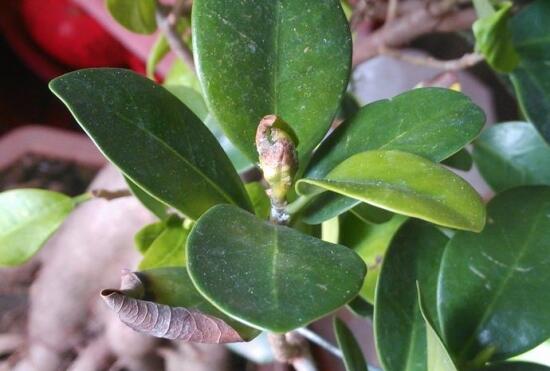
As a common ornamental plant, the ficus is not difficult to grow, but because there are many beginners and because many people care for it roughly, the leaves usually end up turning yellow. They are eager to know what to do when ficus leaves turn yellow. For this, the editor will analyze it for you one by one from 5 aspects: environment, light, watering, fertilizing and pests, and tell you how to solve it.
II. Causes of Ficus Leaves Turning Yellow and How to Fix Them
1. Sudden environmental change
There are generally many causes of yellowing ficus leaves, but the first thing to consider should be environmental issues. For a new potted plant bought online, because the regional difference is large, the ficus may not adapt for a while due to the big change in growing environment, and its leaves turn yellow.
Solution: If it is a newly bought ficus potted plant, yellow leaves are actually quite normal. You only need to meet its growing habits and care for it carefully for a period of time, and it will recover.
2. Improper light
Insufficient light: The ficus likes light, and sufficient light can make it grow lush and more ornamental. But if the ficus is placed in a dark place for a long time, its leaves will turn yellow because they cannot get enough photosynthesis. Solution: Move the ficus to a semi-shaded place for care, and let it get some sun outside from time to time, of course when the sunlight is not too strong.
Excessive light: Although the ficus needs sufficient light to grow, it dislikes strong light. Once it is exposed to the strong sun in summer, its leaves will be scorched and turn withered yellow. Solution: Move the ficus to a semi-shaded place indoors in time for care, and after a period of recovery, water it appropriately, then care for it carefully for a few more days, and it will recover.
3. Improper watering
Insufficient watering: When ficus leaves turn yellow, it is generally caused by excessive drought. The ficus likes a humid environment. If it is not watered for a long time, or the water never soaks through, then over time the leaves will turn yellow due to lack of water. Solution: Water it with a small amount of water in time, and spray water on the leaves so they can replenish moisture as soon as possible.
Overwatering: Although the ficus likes a humid environment, this “humidity” also needs a limit. Once it is excessive and causes water to accumulate in the pot, the ficus roots will rot due to lack of oxygen and poor aeration, which in turn causes the leaves to turn yellow. Solution: Air-dry the potting soil in time, or directly change the potting soil.
4. Insufficient fertilizing
The ficus likes fertilizer and needs sufficient nutrients during growth. If fertilizing is insufficient, the plant cannot get enough nutrients, which can also cause weak branches and leaves and yellowing leaves.
Solution: Appropriately increase the amount of fertilizer. In order to meet the growth needs of the ficus, plant lovers should apply once a month a fully rotted fertilizer solution in summer and autumn, and fertilize less or not at all in winter. Let the ficus have sufficient nutrition, and then the leaves will recover faster.
5. Soil leaning alkaline
The ficus likes slightly acidic soil. If fertilizing is improper, especially when too much nitrogen fertilizer is applied, causing the soil to become alkaline, it will easily cause ficus leaves to turn yellow.
Solution: Stop watering, then water more, so the fertilizer can be discharged from the soil as soon as possible, or, if you do not mind the trouble, directly change the potting soil, so the plant can become refreshed again.
6. Pests
When the temperature is high and the indoor space is not ventilated, even a ficus that is not prone to pests can be attacked by insects, which causes the leaves to turn yellow.
Solution: At this time, you must discover the pests in time, and prevent and control them as soon as possible through manual pest removal and pesticide treatment. As for what pesticide to spray, it is described in detail in the pest and disease control section for ficus, so I will not say more here.
Overall, the ficus is still very easy to grow, but if you want its leaves to stay green and not turn yellow, you must pay attention to light, water and fertilizer. Of course, do not panic when you find yellow leaves; just solve it according to the methods above. That is all the editor has to introduce about yellowing ficus leaves, and I hope it can help everyone.
What to Do When Ficus Leaves Turn Black: Adjust Temperature / Reasonable Water and Fertilizer / Spray Pesticide for Pests and Diseases
The ficus is currently the most popular bonsai plant. It has strong adaptability, looks good, and can also purify the air and be used medicinally to treat illnesses, so it is deeply loved by plant lovers. But during the growing process, many plant lovers encounter the symptom of black leaves, which gives them a headache. So what should you do when ficus leaves turn black? Today, the editor will solve this problem for you.
I. Find the Cause of Blackening Ficus Leaves
As an ornamental plant, the ficus is not difficult to grow, but because beginners are in the majority, they run into all kinds of problems because they do not know how to grow it, such as ficus leaves turning yellow, ficus leaves turning black, and ficus dropping leaves. Yellowing and leaf drop have already been solved earlier, so what should you do when ficus leaves turn black? For this, the editor has summarized 5 causes and attached solutions. Let us continue reading.
II. Causes of Ficus Leaves Turning Black and How to Fix Them
1. Insufficient light
The ficus likes light, and sufficient light can make it grow lush and leafy. But if it is placed in a dark indoor place for a long time, its leaves will turn black because of insufficient photosynthesis.
Solution: It is very simple. Move it to a semi-shaded place indoors, and appropriately put it in the sun to get some sunlight.
2. Too great a temperature difference
The ficus is relatively sensitive to temperature. It is suitable for growing in places with a small day-night temperature difference; otherwise it is not suitable for ficus growth. It is understood that once the day-night temperature difference is greater than 10°C, the ficus will show large areas of yellow leaves and black leaves.
Solution: When caring for the ficus, do not move the flowerpot often, and place it in a ventilated and well-lit position, shade it in time in summer, and keep it warm in time in winter.
3. Overwatering
The ficus likes a humid environment. In its peak growing season, we should water frequently to keep the potting soil moist. However, do not water too much, otherwise it will cause water to accumulate in the pot. This will prevent the plant from absorbing oxygen and also cut off the plant's nutrient absorption. After a long time, the plant's leaves will definitely turn black.
Solution: If the ficus leaves turn black, first observe whether the roots have rotted. If not, put it in a ventilated place and let the water drain away quickly. If the roots have already rotted, you also need to cut off the rotted roots, then soak them in disinfectant water before replanting.
4. Improper fertilizing
The ficus likes fertilizer and needs sufficient nutrients during growth, but when we fertilize, we must pay attention: it should not be too much or too concentrated, otherwise it will harm the growth of the ficus, and the leaves may then turn black as well.
Solution: Irrigate in time to dilute the fertilizer, then let it flow out from the bottom of the pot. If the roots are burned and rotted, you also need to cut off the rotted roots, replace the potting soil, and replant. After that, reduce fertilizing in winter or do not fertilize at all, and in the other seasons apply once a month, choosing a diluted fertilizer solution, better too weak than too concentrated.
5. Pests and diseases
Besides the above points, there is another cause of blackening ficus leaves, and that is attack by pests and diseases. In a high-temperature and high-humidity environment, if care is improper, it is often accompanied by the appearance of scale insects and aphids. When the disease occurs, black spots appear on the leaves, along with black powdery substances, causing the plant to develop sooty mold.
Solution: Use a brush dipped in water to clean the diseased spots, and spray insecticide in time. As for what pesticide to spray, it is described in detail in the pest and disease control section for ficus, so I will not say more here.
Overall, the ficus is a plant with extremely strong adaptability. As long as you care for it attentively at ordinary times, it will grow very beautifully. But if you care for it carelessly, over time, black leaves can also appear. That is all the editor has to introduce about ficus leaves turning black, and I hope it can help everyone.