Is Purple Loosestrife Toxic? Non-toxic and Suitable for Indoor Growing
Purple loosestrife is a world-renowned flowering plant with high ornamental value, and precisely because of this, many people want to grow it at home. However, many plants on the market today carry a certain degree of toxicity, so we need to clarify this point before growing it. Is purple loosestrife toxic? Can purple loosestrife be grown indoors? Below, the editor will walk you through it.
I. Is Purple Loosestrife Toxic? Non-toxic
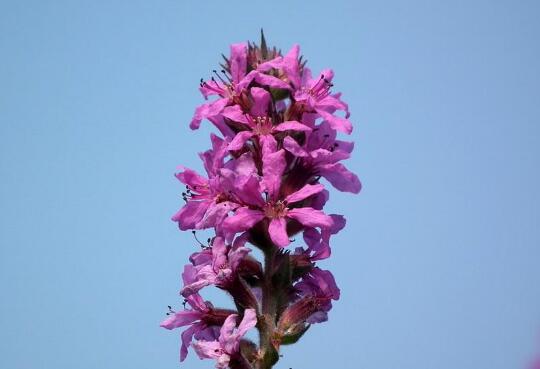
Regarding the question of whether purple loosestrife is toxic, the answer is no. This plant itself is not toxic, and moreover, it has high medicinal value. In medicine, its entire plant can be used as medicine. As for its specific medicinal methods, there is a detailed introduction in the article on the effects and functions of purple loosestrife, and those interested can take a look.
II. Can Purple Loosestrife Be Grown Indoors? Yes
Whether planted in groups outdoors or grown in pots indoors, purple loosestrife is very suitable. Grown outdoors, it can freshen the natural environment, and grown indoors it also has many benefits. However, this plant needs light during growth, so if we want to grow it indoors, it is best to place it on a windowsill, so that it can receive light and thus grow better.
III. Benefits of Growing Purple Loosestrife Indoors
1. Beautifying the indoor environment
Purple loosestrife is a plant with high ornamental value. This plant has abundant flowers, standing tall and elegant, and its pink flowers give a fresh and playful feeling, which is why it is loved by many women. If we grow a purple loosestrife at home, it will also have a very good beautifying effect on the indoor environment.
2. Purifying indoor air
The leaves of purple loosestrife are rich in chlorophyll, and in daily life purple loosestrife relies on it to absorb nutrients and grow. When it carries out photosynthesis, it can also absorb harmful substances in the air and convert them into oxygen, thus making the surrounding air fresher. If we grow one at home, it can also greatly improve people's living environment.
3. Edible as a wild vegetable
In addition to the above points, the tender stems and leaves of purple loosestrife can also be eaten as a wild vegetable, which has a very long history among Chinese folk. Moreover, this plant also contains components such as iron and has the effect of clearing heat and cooling blood, making it a must-have fine vegetable in the hot summer. If we grow it at home, we can enjoy it often.
How to Grow Purple Loosestrife: Cultivation Methods and Precautions / Plenty of Sunlight Needed
Purple loosestrife is a fairly well-known flowering plant worldwide, and it can be seen in regions such as Asia, Europe and Africa. However, growing it well is not easy, and there are many points that need attention. How to grow purple loosestrife? What are the cultivation methods and precautions for purple loosestrife? Below, the editor will walk you through it.
I. How to Grow Purple Loosestrife: Understanding Its Habits
To know how to grow purple loosestrife, we first need to understand its growth habits. This plant prefers environments with plenty of sunlight and is also fairly cold-tolerant, so its survival ability is very strong. However, if you want it to grow better, then daily water and fertilizer management cannot be careless. The specific care techniques are introduced in detail below, so let's take a look.
II. Cultivation Methods and Precautions for Purple Loosestrife
1. Soil: humus soil
Before growing purple loosestrife, we first need to choose the soil. This is the step of laying a good foundation and is very important. Generally, it is best to choose loose, fertile humus soil. This kind of soil is rich in organic matter and has good drainage and aeration, allowing the plant to grow better.
2. Fertilizing: once a month
Fertilizer is one of the main nutrients in the growth process of purple loosestrife. Especially after entering the growth period, its demand for fertilizer is very high, and it basically needs fertilizing once every month. However, when fertilizing there is one point we must note: the fertilizer must first be diluted with water before application. If the concentration is too high, it will burn the plant.
3. Water: avoid waterlogging
Watering is an indispensable part of a plant's growth process, and purple loosestrife is no exception. When growing it, we should water frequently to keep the soil somewhat moist, so that it can grow better. However, we need to control the amount of water, as this plant is not tolerant of waterlogging. If water accumulates, it can easily cause its roots to rot.
4. Light: plenty of sunlight needed
Purple loosestrife prefers environments with plenty of sunlight, and the stronger the light, the better it grows, because this allows it to carry out photosynthesis better. So when growing it, it is best not to place it in a shaded spot, otherwise it will affect its growth and, in severe cases, cause the plant to wither and die.
5. Pests and diseases: timely prevention and control
When growing purple loosestrife, if we are not careful enough, pests and diseases can easily take advantage of the situation. Such problems are very harmful to the plant, so when we discover a problem we must deal with it promptly, because the longer it drags on, the greater the harm to the plant. As for specific treatment methods, you can refer to the article on pest and disease control for purple loosestrife, which has a detailed introduction.
Pot Cultivation Tips for Purple Loosestrife
Purple loosestrife is loved by people for its extremely high medicinal value and ornamental value. Although purple loosestrife is a wild plant, it can now be grown in pots. Today, the editor of Huinong Network will talk with you about pot cultivation techniques for purple loosestrife.
Pot cultivation techniques for purple loosestrife
For potted purple loosestrife, you can choose a large flower pot with a diameter of about 50cm and no drainage holes. If you want to make a miniature potted plant, you can choose a pot with a diameter of about 20cm and no holes. Fill it with fertile pond mud to 2/3 of the pot depth. It is even better if you add a small amount of cake fertilizer or compound fertilizer.
In spring, in April-May, dig up the mother plant clump, cut it into clumps of 3-4 buds each, and plant them in pots. After planting, water thoroughly and place in a cool place. After one week, move it to a place with plenty of sunlight and good ventilation. Before the flower spikes emerge, keep the pot soil moist but not waterlogged. When flowering, keep the water depth in the pot at 5-10cm. Pay attention to replenishing water at ordinary times. Generally, no fertilizing is necessary, but if the plant's leaves turn yellow, you may apply diluted cake fertilizer water 2 times as appropriate.
During the growth period, keep pinching the tops to encourage tillering. After flowering, the spent flowers must be cut off to promote the opening of the next batch of flowers. Before freezing in winter, cut off all the old branches of the aboveground part, and at the same time keep the pot soil moist.
Tips for Purple Loosestrife to Overwinter Safely
In late October, the aboveground part of purple loosestrife gradually withers, and the aboveground clump should be cut off. In areas south of the Huaihe River, it can be left outdoors to overwinter naturally. In northern regions, potted plants must be moved into a low-temperature cold shed, or placed in a windproof, sunny spot to overwinter. Throughout winter, the pot soil must be kept moist. The temperature should be controlled at around 0°C to prevent early sprouting in winter.
The above are the pot cultivation tips for purple loosestrife compiled by the editor of Huinong Network. We hope they are helpful for your cultivation of purple loosestrife.