What to Do When Cosmos Gets Pests? Learn to Control 2 Pests and 2 Diseases
When growing cosmos, the last thing we want to run into is pests and diseases. These problems are extremely harmful to the plants, and if not dealt with in time, the plants will gradually wither and die. So what should you do when cosmos gets pests? How should pest and disease control for cosmos be done? Let's take a look below.
I. What to Do When Cosmos Gets Pests: Find the Cause
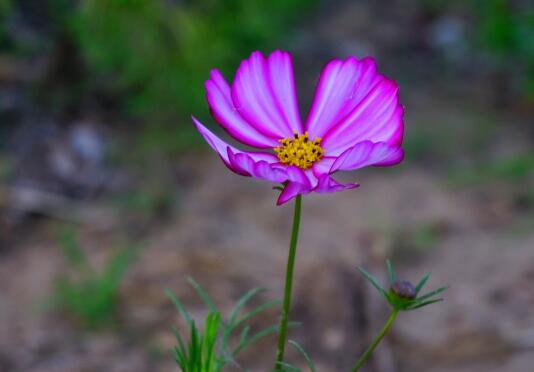
To know what to do when cosmos gets pests, we first need to know what kind of pest it is, so that we can deal with it in a targeted way, because the control methods for each pest and disease are different. The details are covered in the pest and disease control section for cosmos below. Friends troubled by this can take a look.
II. Pest and Disease Control for Cosmos (Pests)
1. Red spider mite
Among the pests and diseases of cosmos, the red spider mite is one of the more common ones. Its peak period is every summer, so you must pay extra attention at this time. When this pest appears, the plant's leaves will gradually turn yellow and white, and if left untreated for a long time, it can cause the plant to wither.
Control method: When controlling the red spider mite, we can use 8% abamectin emulsifiable concentrate at 6000-8000 times dilution to spray cosmos, thereby eliminating this pest.
2. Aphids
Aphids are a pest found on many plants, and cosmos is no exception. This pest mainly harms the plant's leaves, young spikes and stems. It gradually sucks out the sap inside, causing the plant to lose a large amount of nutrients, and many dead spots appear at the damaged areas. In the end, the plant gradually withers and dies.
Control method: When controlling this pest and disease of cosmos, we can use 40% imidacloprid water-soluble concentrate at 1500-2000 times dilution to spray the plant, thereby eliminating it.
III. Pest and Disease Control for Cosmos (Diseases)
1. Powdery mildew
Powdery mildew is extremely harmful to cosmos. When it occurs, many white powdery lesions appear on the leaves, and over time they gradually spread until they cover the entire leaf surface. This seriously affects the plant's photosynthesis, interferes with its metabolism, and eventually causes premature aging.
Control method: When controlling powdery mildew, a pest and disease of cosmos, we can use 10% polyoxin at 1000 to 1500 times dilution to spray the plant, generally once every 7-10 days, and it can recover after 2-3 applications.
2. Leaf spot disease
Leaf spot disease is a disease caused by fungi. Its peak period is every spring and autumn, so you must pay extra attention in these two seasons. Leaf spot disease mainly harms the leaves of cosmos. When it occurs, many round lesions appear on the leaves, and the lesions gradually expand and become irregular in shape, ultimately causing the plant to gradually wither and die.
Control method: When controlling leaf spot disease, a pest and disease of cosmos, we can use 80% mancozeb at 400-600 times dilution to spray the affected plant, generally once every 10-15 days, and it can recover after 1-2 applications.
What to Do When Calendula Gets Pests: Pest and Disease Control for Calendula / 2 Pests and 2 Diseases
When growing calendula, the last thing we want to run into is pests and diseases, because these problems are extremely harmful to the plants. They not only affect the plant's beauty, but in severe cases can also cause the plant to wither and die. So what should you do when calendula gets pests? How should pest and disease control for calendula be done? Let's take a look below.
I. What to Do When Calendula Gets Pests: Spray with Pesticides
When it comes to what to do when calendula gets pests, the most direct method is actually to spray with pesticides. However, the pesticide used for each pest and disease is different. The details are covered in the pest and disease control section for calendula below. Friends troubled by this can take a look, and of course those who haven't run into these problems can also take a look, since prevention is better than cure.
II. Pest and Disease Control for Calendula (Pests)
1. Aphids
Among the pests and diseases of calendula, aphids are one of the most harmful. They mainly harm the leaves, stems, tender tips and young spikes of calendula. They gradually suck out the sap inside, causing the plant to lose a large amount of nutrients and gradually wither and die.
Control method: When aphids are found, we can wash the plant with clean water or soap to control them. If there are a lot of aphids, we can directly use 50% malathion emulsifiable concentrate at 1000 times dilution to spray and kill them.
2. Red spider mite
The red spider mite is an animal of the class Arachnida, family Tetranychidae. Its peak period is every summer, so you must pay extra attention at this time. When this pest appears, the leaves of calendula will gradually turn yellow and white, and if left untreated for a long time, it can cause the plant to wither.
Control method: When controlling this pest and disease of calendula, we can use 80% dichlorvos at 1000 times dilution to spray and kill it.
III. Pest and Disease Control for Calendula (Diseases)
1. Downy mildew
Downy mildew is a plant disease caused by fungi. This disease mainly threatens the leaves of calendula. In the early stages, many light yellow lesions appear on the leaves, and over time they gradually spread, eventually causing the leaves to gradually turn yellow, wither and fall.
Control method: When controlling this pest and disease of calendula, we can use 400-600 times dilution of HILOT Kai Shuang diluted spray to spray the affected plant, generally once every 5-7 days, and it can recover after 2-3 applications.
2. Rust disease
Rust disease is one of the more frequently occurring pests and diseases of calendula. This disease mainly threatens the plant's leaves, stems and fruits. When it occurs, many small blister-like spots appear on the affected parts. In severe cases, the spots densely merge into patches, and the plant rapidly withers and dies as a result.
Control method: When rust disease appears on calendula, we can use 50% carboxin wettable powder at 2000 times dilution to spray it, generally once every 7-10 days, and it can recover after 1-2 applications.
What to Do When Coreopsis Gets Pests: Pest and Disease Control for Coreopsis / 2 Pests and 3 Diseases
When growing coreopsis, the last thing we want to run into is pests and diseases. These problems are extremely harmful to the plants, so when we discover them, we must deal with them immediately. As for what to do when coreopsis gets pests and how pest and disease control for coreopsis should be done, let's take a look below.
I. What to Do When Coreopsis Gets Pests: Find the Cause
To know what to do when coreopsis gets pests, we first need to understand what kind of pest it is, so that we can deal with it in a targeted way, because the control methods for each pest and disease are different. The details are covered in detail below. Friends troubled by this can take a look.
II. Pest and Disease Control for Coreopsis (Pests)
Thrips
Thrips is the collective name for insects of the order Thysanoptera. They are relatively small, generally with a body length of 0.5-2 mm, and rarely exceed 7 mm. This pest mainly harms the corm and leaf area of coreopsis. It gradually absorbs the nutrients inside, causing the leaves to gradually lose their green color and turn yellow and dry.
Control method: When dealing with this pest and disease of coreopsis, we can use 25% imidacloprid at 3000 times dilution and 70% Admire at 6000-10000 times dilution for alternating spray control.
Red spider mite
Among the pests and diseases of coreopsis, the red spider mite is one of the more common ones. Its peak period is every summer, so you must pay extra attention at this time. When this pest appears, the plant's leaves will gradually turn yellow and white, and if left untreated for a long time, it can cause the plant to wither.
Control method: When dealing with the red spider mite, we can directly use 40% dicofol emulsifiable concentrate at 1000-1500 times dilution to spray and kill them. Generally, three consecutive sprays can completely kill this pest.
III. Pest and Disease Control for Coreopsis (Diseases)
White star disease
White star disease mainly threatens the leaves of coreopsis. When it occurs, many dark brown lesions appear on the leaves, which later become dark brown at the edges with a grayish-white center. This disease mostly occurs on the lower leaves, and in severe cases the leaves become curled and dry.
Control method: For this pest and disease of coreopsis, we can use 75% chlorothalonil wettable powder at 500-800 times dilution to spray the affected plant, generally once every half a month or so, and it can recover after 1-2 applications.
Rust disease
Rust disease is one of the more frequently occurring pests and diseases of coreopsis. This disease mainly threatens the plant's leaves, stems and fruits. When it occurs, many small blister-like spots appear on the affected parts. In severe cases, the spots densely merge into patches, and the plant rapidly withers and dies as a result.
Control method: When rust disease appears on coreopsis, we can use 50% carboxin wettable powder at 2000 times dilution to spray it, generally once every 7-10 days, and it can recover after 1-2 applications.
Leaf spot disease
Leaf spot disease is a disease caused by fungi. Its peak period is every spring and autumn, so you must pay extra attention in these two seasons. Leaf spot disease mainly harms the leaves of coreopsis. When it occurs, many round lesions appear on the leaves, and the lesions gradually expand and become irregular in shape, ultimately causing the plant to gradually wither and die.
Control method: When controlling leaf spot disease, a pest and disease of coreopsis, we can use 80% mancozeb at 400-600 times dilution to spray the affected plant, generally once every 10-15 days, and it can recover after 1-2 applications.