What to Do When the Money Tree Gets Bugs? 2 Pests and 5 Diseases Control Methods
Keeping a potted plant indoors has become a popular trend nowadays, and the money tree (Pachira aquatica) is not only beautiful but also carries good symbolism, so it is the choice of many families. However, during the growing process, many gardeners find their money trees get bugs and diseases, which seriously affects their ornamental value. So what should you do when the money tree gets bugs? Below are 7 pest and disease control methods for the money tree, take a look!
1. Money Tree Gets Bugs: Spray with Pesticide
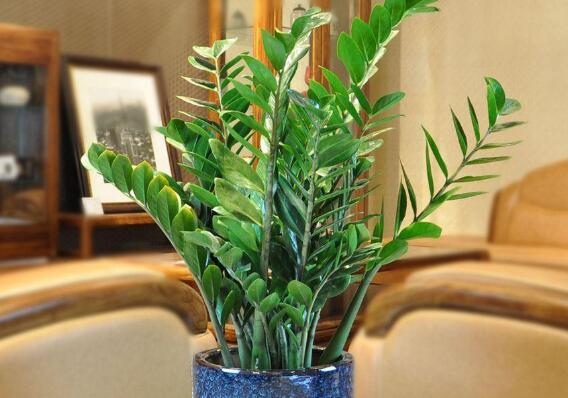
Indoors is not the same as outdoors. If you do not follow the money tree care methods, and combined with a hot and humid environment, the money tree will get bugs and diseases. So what should you do then? It is actually very simple: we just need to determine which pest or disease it is, and then spray with the appropriate pesticide. The specifics are all covered in the money tree pest and disease control section, let us continue reading.
2. Money Tree Pest and Disease Control: 2 Pests and 5 Diseases
1. Scale insects
The most common problem for the money tree is the damage caused by scale insects, which easily break out in poorly ventilated environments. These insects pierce their mouthparts into the leaves and suck the sap from the money tree leaves. Symptoms of infestation: money tree leaves turn yellow, and in severe cases the plant will die.
Control method: When there are few scale insects, you can gently and repeatedly wipe the affected plant with alcohol to remove them; when there are many pests, immediately spray with dichlorvos at 1000-15000 times dilution, or 50% malathion emulsion at 1000 times dilution for control.
2. Aphids
One of the main pests of the money tree, they mainly harm the leaves and buds, sucking large amounts of sap and causing poor growth of the money tree. Because aphids reproduce in large numbers, they are usually found densely packed, which is not only frightening but also very disgusting.
Control method: If you find a small number of aphids, you can use a brush dipped in laundry detergent to brush them off; when there are many aphids, spray with 40% omethoate emulsifiable concentrate at 1000 times dilution, or 50% fenitrothion emulsifiable concentrate at 1000 times dilution for control, the effect is quite good~
3. Brown spot disease
A major disease of the money tree, it mainly harms the leaves. Symptoms: the lower leaves start to show symptoms, gradually spreading upward, initially round or oval, purplish-brown, later turning black; in severe cases, the money tree leaves turn yellow and fall off, affecting flowering.
Control method: After discovering the above symptoms, spray with 50% carbendazim wettable powder at 500 times dilution, or 25% chlorothalonil at 500 times dilution, once every 7-10 days, 2-3 times will show results.
4. Stem rot
A disease that harms the stem of the money tree, it generally spreads through splashing water, and long periods of retained moisture make it easy for the disease to occur. Symptoms: the money tree stem or stem base rots, and causes the whole plant to wither and die quickly.
Control method: After discovering the above symptoms, spray with 27% copper hydroxide suspension concentrate at 600 times dilution; in severe cases, when spraying, you can also add some Qingkulike or hymexazol, the effect is good.
5. Late blight
One of the major diseases of the money tree, it mostly occurs in July-August and mainly harms the lower leaves. Symptoms: the leaf tips initially show dark green water-soaked irregular spots, which turn brown after expanding. Under high humidity, white mold grows at the junction of diseased and healthy tissue on the back of the leaf.
Control method: Promptly cut off diseased leaves and burn them in a concentrated pile or bury them in soil to reduce the source of disease. When the disease occurs, spray with 72.2% propamocarb aqueous solution at 600-700 times dilution for control.
6. Cold damage
In addition to the above pests and diseases, the money tree is also prone to cold damage in winter. When the winter temperature is below 5°C and the potting soil is somewhat moist, the money tree is prone to freezing, showing lodging, and in severe cases it can also cause rotting.
Control method: When the winter temperature is low, move the money tree indoors for care, and keep the room temperature above 10°C, then water less to keep the potting soil dry.
7. Sunburn
In summer or on clear days after rain, the money tree can also get sunburned. When sunburn generally occurs, the money tree leaves show chlorosis and turn white, and in severe cases they can also turn black.
Control method: When the light is intense, promptly provide shade for the money tree.
What to Do When the Jade Plant Gets Bugs: Pest and Disease Control for the Jade Plant / 2 Pests and 2 Diseases
During the growth of the jade plant (Crassula ovata), the last thing we want to encounter is problems like pests and diseases. These problems are very harmful to the plant, not only affecting its ornamental value but also causing it to wither and die in severe cases. So what should you do when the jade plant gets bugs? And how should pest and disease control for the jade plant be done? Below, the editor will walk you through it.
1. What to Do When the Jade Plant Gets Bugs: Find the Cause
To know what to do when the jade plant gets bugs, we first need to understand what kind of bug it is, so that we can carry out targeted treatment. Common jade plant pests and diseases include scale insects, brown soft scale, leaf spot disease, and anthracnose. Their specific control methods are described below, let us take a look.
2. Jade Plant Pest and Disease Control (Pests)
1. Scale insects
Scale insects are a relatively common pest during the growth of the jade plant. They mainly threaten the leaves, branches, and fruit of the jade plant, causing its leaves to gradually turn yellow and fall off, and eventually the entire jade plant will gradually wither.
Control method: When dealing with this jade plant pest, we can directly use 40% omethoate emulsion at 1000 times dilution to spray and kill them, the effect is very good.
2. Brown soft scale
Brown soft scale is an insect of the family Coccidae, generally living in groups on the leaf surface or tender leaves of the jade plant. It gradually pierces and sucks the sap from the plant, while excreting a sticky liquid. Its excrement easily causes sooty mold to multiply in large numbers, turning the stems and leaves black, and in severe cases affecting the growth of the plant.
Control method: For this jade plant pest, we can use 50% monocrotophos emulsifiable concentrate at 1000 times dilution or 50% fenitrothion emulsifiable concentrate at 1000 times dilution to spray and kill them directly.
3. Jade Plant Pest and Disease Control (Diseases)
1. Anthracnose
Anthracnose mainly occurs on the leaves of the jade plant. In the early stage of the disease, many water-soaked yellow spots appear on the leaves, which expand into oval to irregular brown or yellowish-brown spots. In the later stage, the spots merge into one area, causing the leaves to appear withered, and producing small black dots arranged in concentric rings.
Control method: This disease mainly occurs because the care environment has poor ventilation, so we must keep the environment well ventilated when growing it. As for treating this disease, we can use 70% thiophanate at 1500 times dilution to spray on the affected areas, generally once a week, and it can be cured after 3-4 times.
2. Leaf spot disease
Leaf spot disease is a disease caused by fungi. When it occurs, many brown spots appear on the leaves of the jade plant, and they gradually spread over time, eventually causing the plant to wither and die.
Control method: For this jade plant pest and disease, we can use 50% carbendazim at 1000 times dilution to spray on it, generally once every 7-10 days, and it can be cured after 2-3 times.
What to Do When the Pagoda Tree Gets Bugs: Pest and Disease Control for the Pagoda Tree / 2 Pests and 2 Diseases
1. What to Do When the Pagoda Tree Gets Bugs: Find the Cause
To know what to do when the pagoda tree (Sophora japonica) gets bugs, we first need to know what kind of bug it is, so that we can carry out targeted treatment, because the control methods for each pagoda tree pest and disease are different. The details are described below, let us take a look.
2. Pagoda Tree Pest and Disease Control (Pests)
1. Pagoda tree looper moth
The pagoda tree looper moth is a leaf-eating pest, and its peak period is every summer, so everyone must pay extra attention at this time. This pest mainly feeds on the leaves of the pagoda tree, and in severe cases can even cause the plant to die.
Control method: When dealing with this pagoda tree pest, for the larvae we can use 50% fenitrothion emulsifiable concentrate at 1000-1500 times dilution to spray and kill them. If there are many pests, we can use dichlorvos smoke cartridges for fumigation.
2. Aphids
Aphids are a plant-eating insect that mainly suck the sap from the leaves of the pagoda tree, causing the leaves to gradually lose their green color, and in severe cases causing the leaves to continuously shrink and fall off, and also affecting its flowering.
Control method: For this pagoda tree pest, we can use 50% pirimicarb wettable powder at 3000 times dilution or 50% malathion emulsion at 1000 times dilution to spray and kill them.
3. Pagoda Tree Pest and Disease Control (Diseases)
1. Rot disease
Rot disease, also called bark rot, is a relatively common disease of the pagoda tree. The occurrence of this disease has no regular pattern and can appear in any season. When it occurs, many small black dots appear on the trunk, and over time they gradually spread to the lower part, eventually causing the plant to gradually rot.
Control method: When dealing with this pagoda tree pest and disease, we can use 1 bottle of Husu Dajiangjun mother liquor diluted with 30 kg of water, then apply it to the plant body, generally applying once every 15 days or so, and it can be cured after 2-3 times.
2. Leaf scorch disease
Leaf scorch disease mainly harms the leaves of the pagoda tree. When it occurs, the edges of the leaves appear withered and yellow, and many brown spots also appear, which gradually spread over time, eventually causing the plant to gradually wither.
Control method: For this pagoda tree pest and disease, we can use chlorothalonil at 800 times dilution or Meike at 3000-4000 times dilution to spray on the affected plant, generally once every 7-10 days, and it can be cured after about 3 times.